UNUSUAL CARS MODEL GUIDE
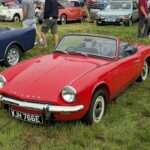
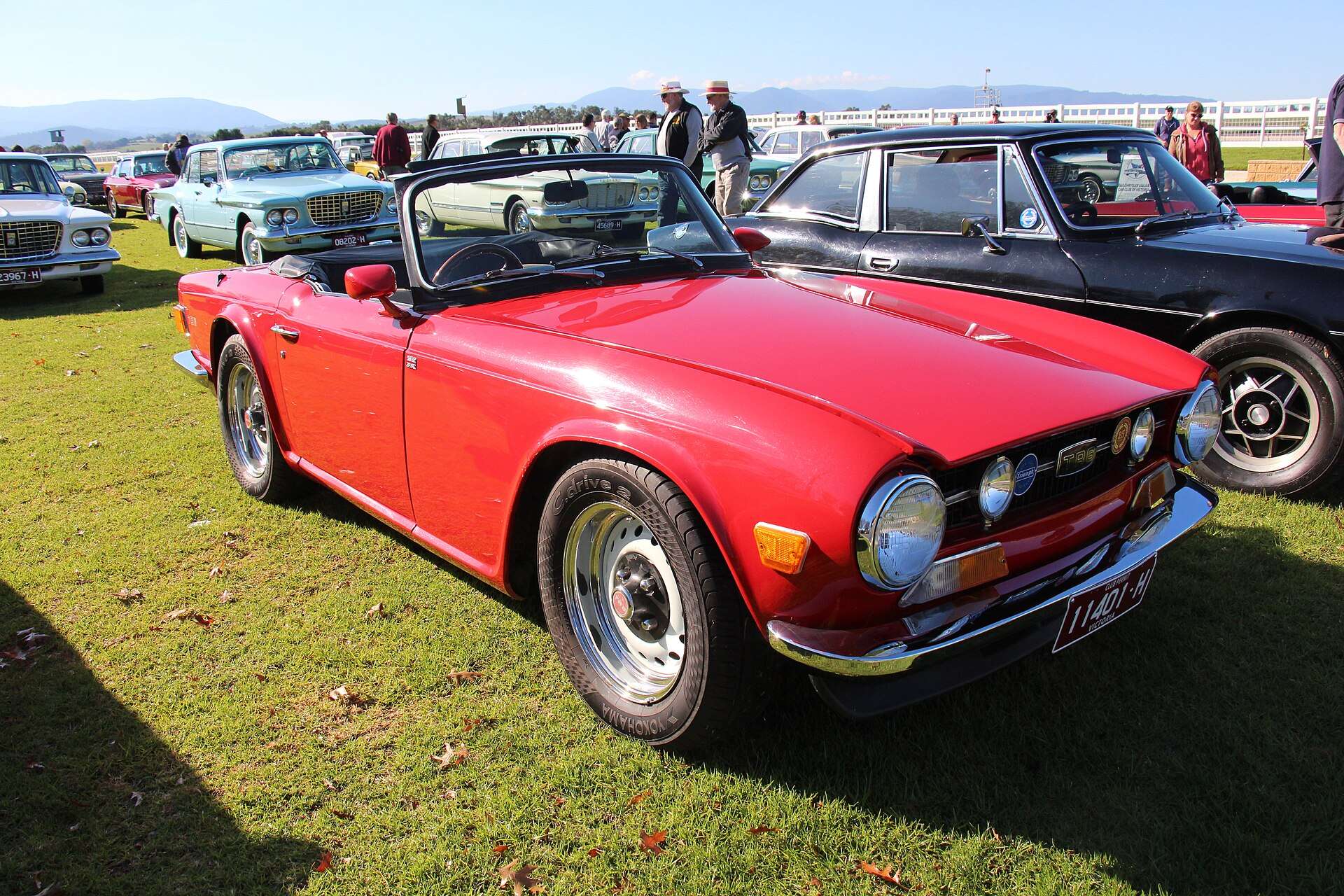
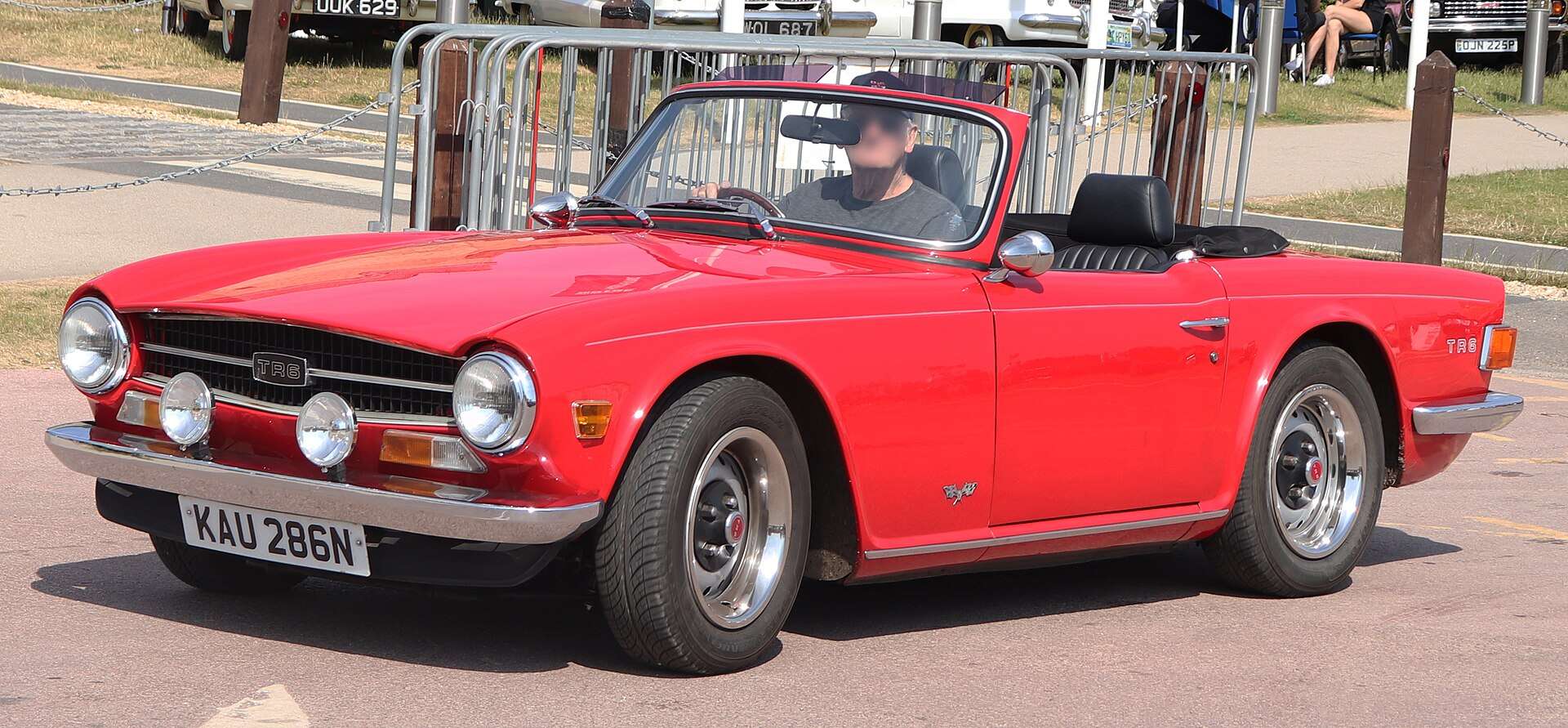
The Triumph TR6 was the six-cylinder British roadster produced from 1969 to 1976. Karmann restyled the centre section inherited from the TR5 with a squared-off nose and tail, while Triumph retained the separate chassis, 2,498 cc straight-six and independent rear suspension.
Quick answer: UK and European TR6s used Lucas mechanical petrol injection and were initially rated around 150 bhp, while North American cars used twin carburettors and lower outputs. Whichever version you choose, chassis corrosion, body alignment, injection or carburettor setup and gearbox-overdrive condition are decisive.
From TR5 to TR6
Developing an entirely new sports car was too costly, so Triumph asked Karmann to modernise the TR5 body. The doors, windscreen and centre structure remained familiar, but the sharper front and rear styling gave the car a contemporary identity. Production began for the 1969 model year at Coventry, with bodies supplied by Liverpool-based Pressed Steel operations.
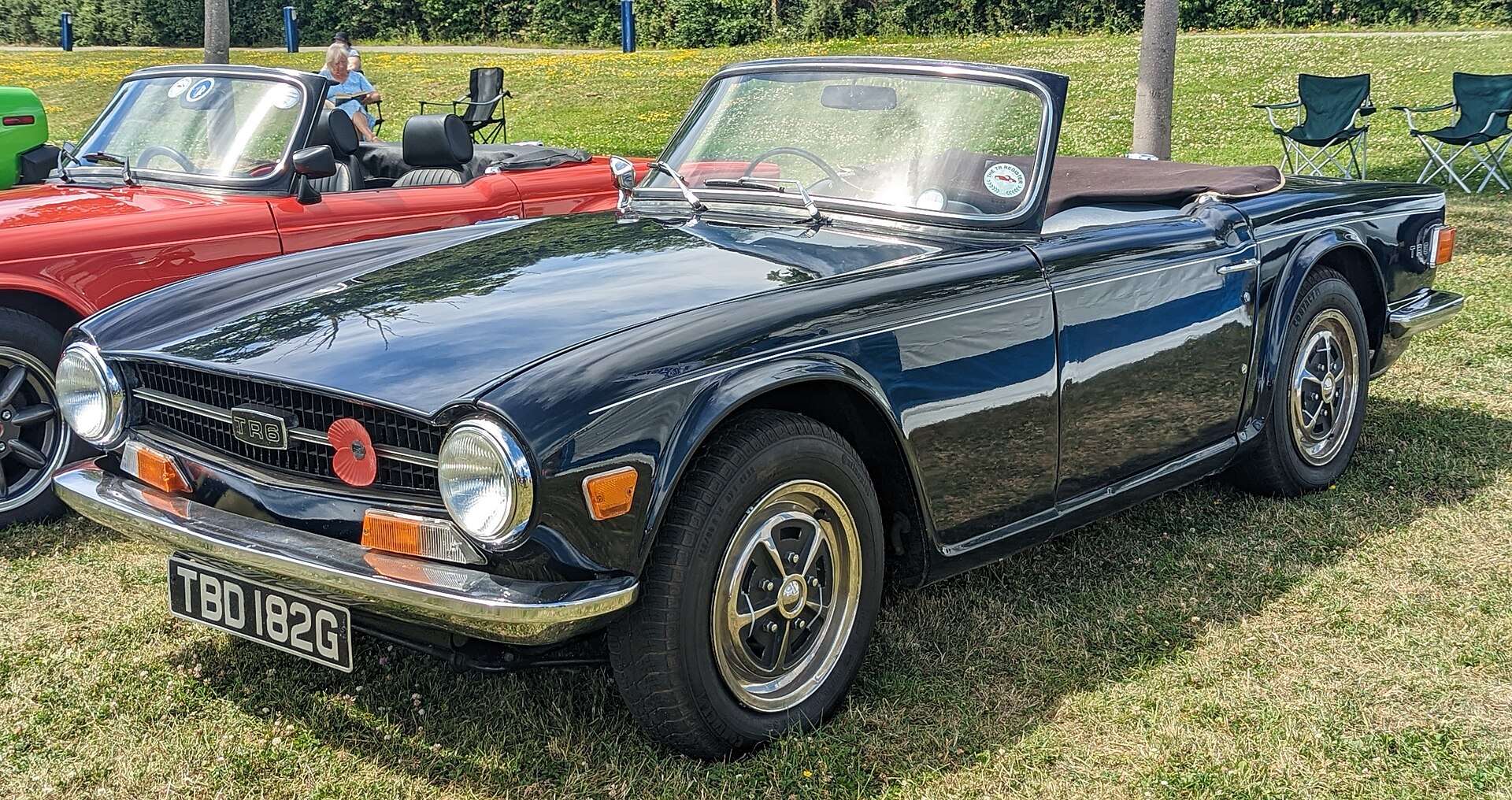
The TR6 became the best-selling member of the separate-chassis TR series. Most production went to North America, where emissions regulations and dealer requirements shaped a distinct carburettor specification.
Petrol injection and carburettor versions
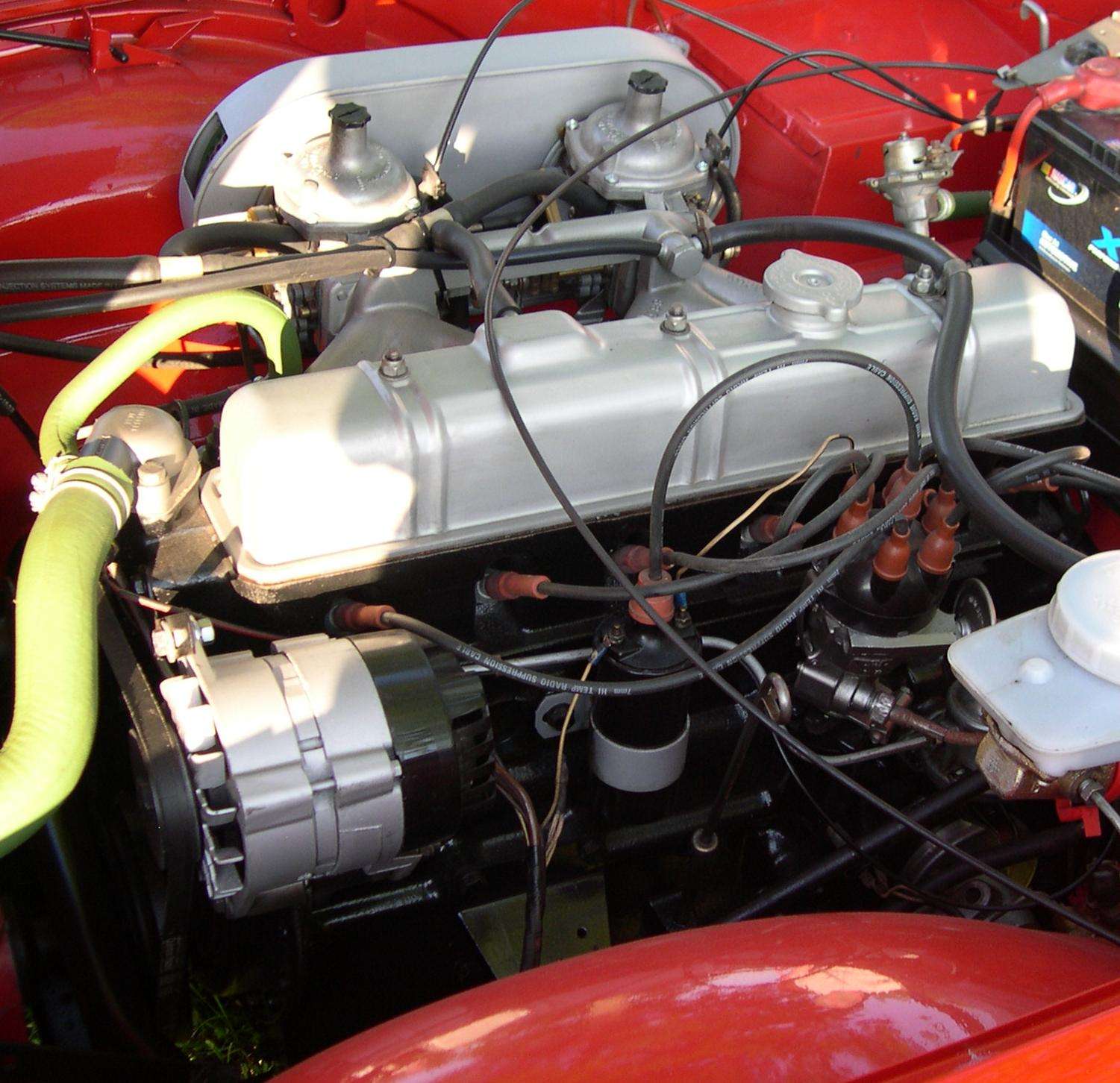
UK and European cars used Lucas mechanical petrol injection. Early models were quoted at about 150 bhp, with later cars commonly listed around 125 bhp after camshaft and calibration changes. North American TR6s used twin Stromberg carburettors and produced less power, but their simpler fuel system appeals to some owners.
| Version | Fuel system | Typical factory output |
|---|---|---|
| Early UK/European PI | Lucas mechanical petrol injection | Approximately 150 bhp |
| Later UK/European PI | Lucas mechanical petrol injection | Approximately 125 bhp |
| North American | Twin Stromberg carburettors | Varied by year; substantially lower than early PI |
All versions used the 2,498 cc straight-six and rear-wheel drive. The four-speed manual could be ordered with overdrive, a worthwhile feature for relaxed touring.
How the TR6 drives
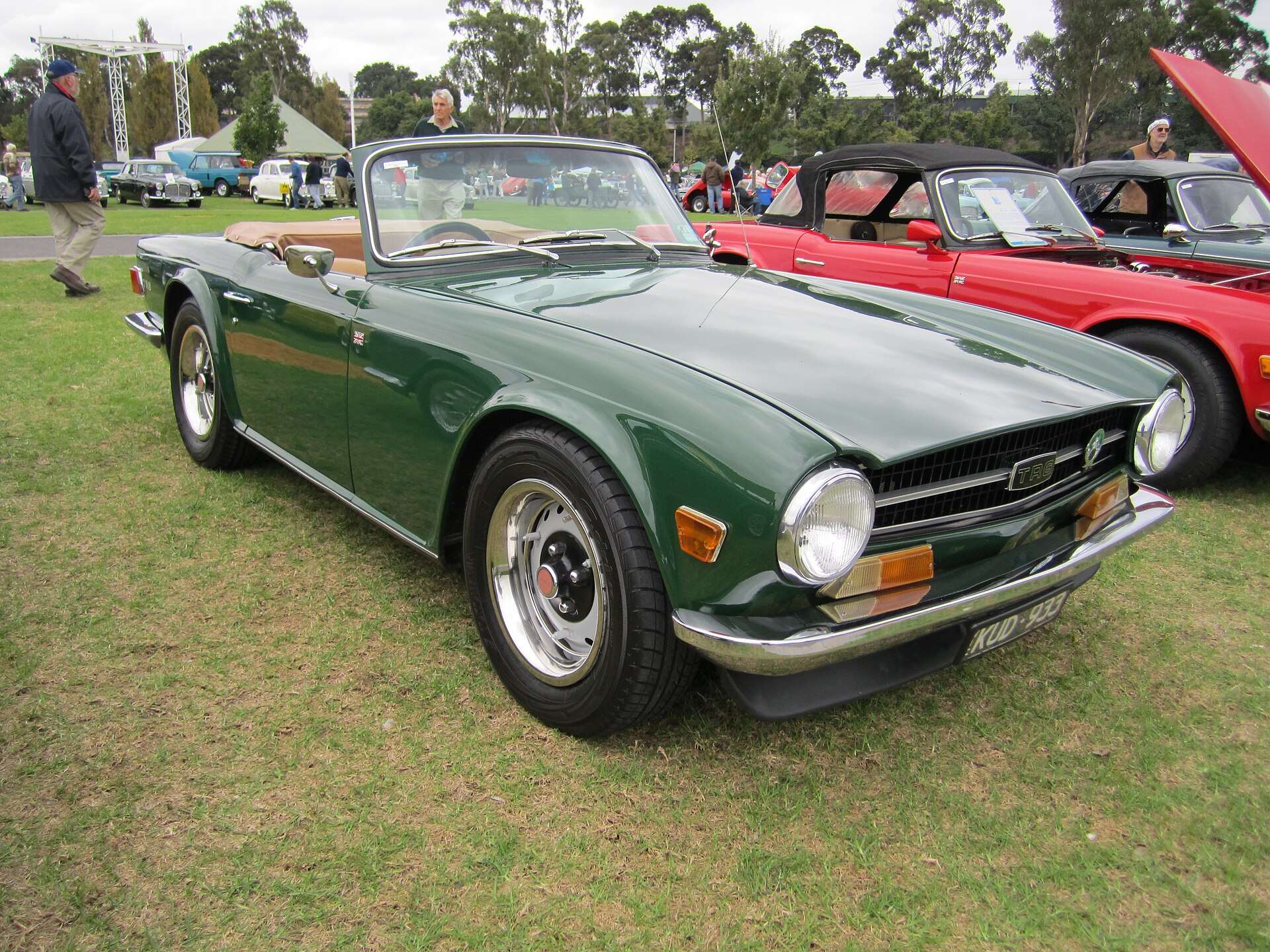
The straight-six delivers flexible torque and a distinctive exhaust note. Steering is unassisted but direct once moving, while independent rear suspension gives a more sophisticated ride than earlier live-axle TRs. The separate chassis and narrow body still make the car feel traditional compared with a modern roadster.
Love cars you don’t see every day?
Get forgotten cars, surprising motoring stories and the most interesting finds from Unusual Cars by email.
Free to join. No spam. Unsubscribe whenever you like. See our privacy policy.
Chassis and body inspection
The central chassis rails, outriggers, differential bridges, suspension brackets and trailing-arm mountings need close inspection on a lift. Rust and poor repairs can alter suspension geometry even when the body looks tidy. Measure panel gaps, inspect door fit and look for shims or distortion that suggest a weak frame.
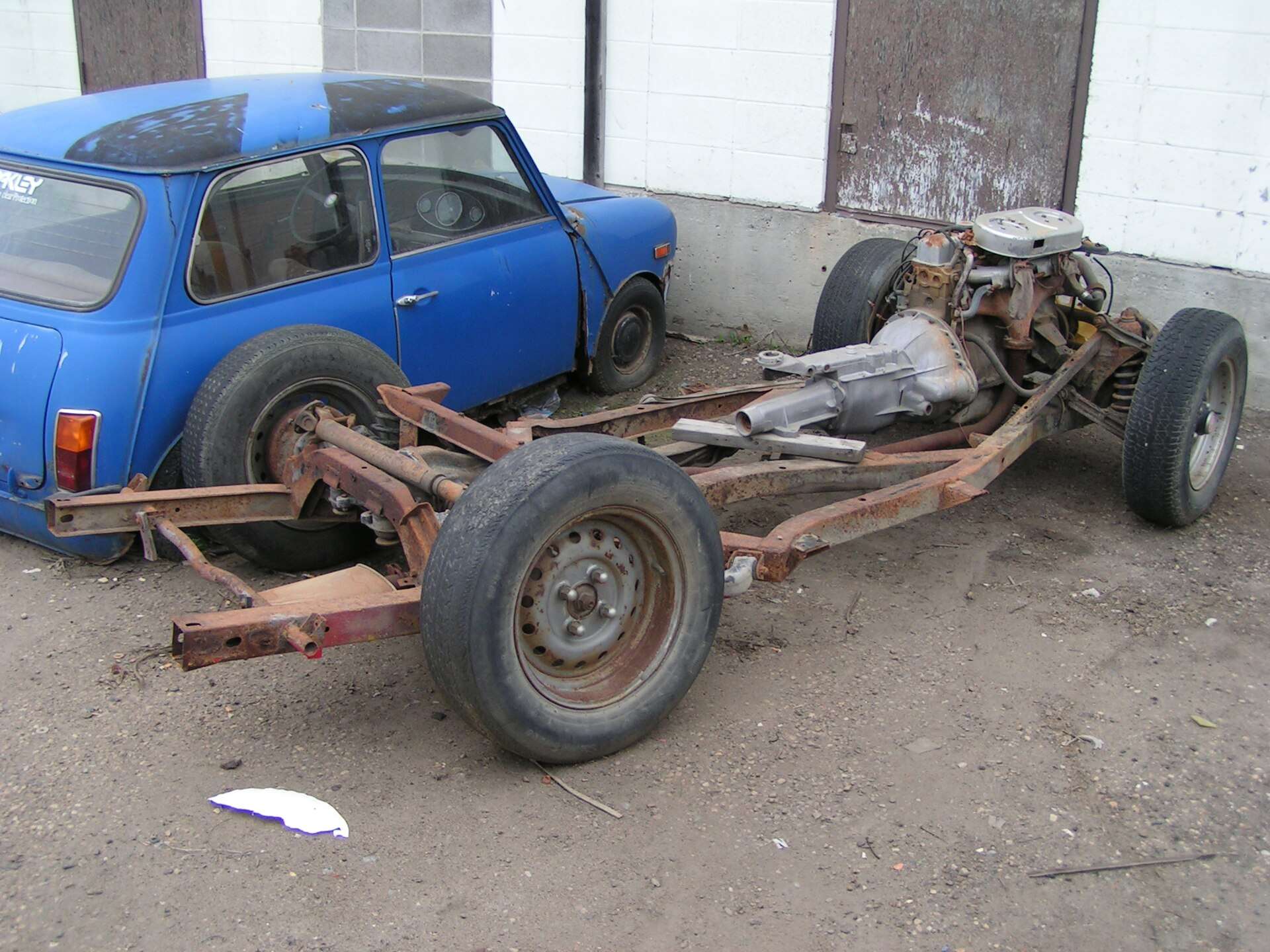
On the body, check inner and outer sills, floors, bulkhead, battery tray, front wings, bonnet edges, door bottoms, rear deck and boot floor. The wings bolt on, so cosmetic restoration may hide corrosion beneath them. Confirm that chassis and commission numbers match the documents and that a replacement chassis is fully recorded.
Engine, fuel system and cooling
Listen from cold for bearing knock or persistent timing-chain noise, then check oil pressure and temperature when fully hot. Blue smoke under acceleration suggests bore wear; smoke after overrun can indicate valve-guide wear. Cooling systems need a clean radiator, sound hoses and correct antifreeze.
A healthy PI car should start promptly, pull cleanly and avoid fuel smells. Check the metering unit, injectors, pump installation, return line and tank for contamination. Modern high-pressure pumps can work well when correctly wired and cooled. Carburettor cars need balanced instruments, unworn spindles and the correct emission hardware for their year.
Gearbox, overdrive and differential
The gearbox should select without crunching, especially second and third. Overdrive should engage quickly in the permitted gears and disengage without slipping. Weak layshaft bearings, worn synchros and oil leaks are common. Inspect clutch hydraulics and listen for propshaft or universal-joint vibration.
The differential mounts can crack and pull away from the chassis. Clunks when applying power or selecting reverse need investigation, as do wheel-bearing noise and excessive play in the rear hubs.
Suspension, steering, brakes and cabin
Check front trunnions, ball joints, bushes, dampers and rack mountings. At the rear, inspect trailing-arm bushes, brackets, driveshafts and hubs. The car should track straight without sudden rear-steer. Brakes should feel firm and stop evenly; servos, hoses and calipers deteriorate when the car stands.
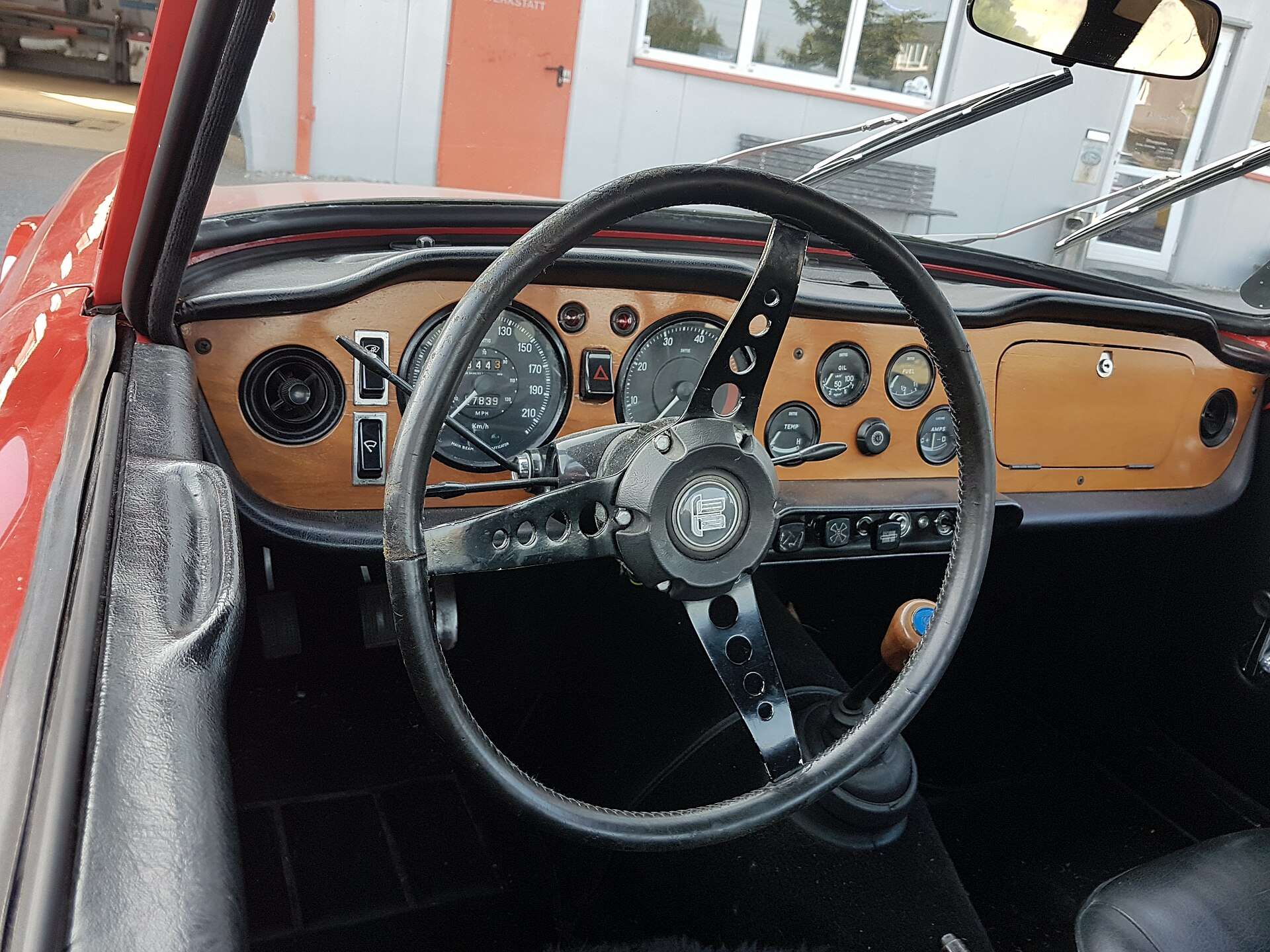
Test every gauge, switch, light, wiper and heater control. Seats, veneer and carpets are available, but original dashboards, hood frames, hardtops and PI details support value. A thick history file showing chassis, injection and overdrive work is more persuasive than a recent cosmetic restoration.
Sources and further reading
Continue the Triumph story
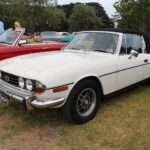
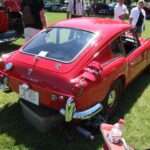
The TR6 was the last and most muscular of Triumph’s separate-chassis six-cylinder roadsters. Explore the Triumph hub and the GT6 guide and the Stag guide.
Frequently asked questions
When was the Triumph TR6 built?
The Triumph TR6 was produced from 1969 to 1976.
What engine does the TR6 use?
It uses a 2,498 cc inline six-cylinder engine driving the rear wheels through a four-speed manual gearbox, often with overdrive.
What is the difference between PI and US TR6 models?
UK and European cars used Lucas mechanical petrol injection, while North American cars used twin Stromberg carburettors and generally produced less power.
Where does a Triumph TR6 chassis rust?
Critical areas include the main rails, outriggers, differential bridges, suspension brackets and rear trailing-arm mountings.
What should be checked before buying a TR6?
Inspect chassis and body corrosion, identity and alignment, then assess the engine, cooling and fuel system, gearbox and overdrive, differential mounts, rear hubs, suspension, brakes, hood and electrics.