

The Alfa Romeo 2000 GTV was the final and most powerful regular production version of the Bertone-styled 105-series coupé. Introduced in 1971, it enlarged the twin-cam engine to 1,962cc while retaining the compact body, five-speed gearbox and live rear axle that made the earlier Giulia Sprint GT family so engaging.

From Giulia Sprint GT to 2000 GTV
Giorgetto Giugiaro designed the original coupé while working at Bertone. The family began with the Giulia Sprint GT in 1963 and evolved through GT Veloce, Junior and 1750 forms before the 2000 GTV became the flagship. The 2000 gained its own grille, rear lamps, badging, cabin trim and mechanical detail.
The 2.0-litre twin-cam
The aluminium Alfa twin-cam used two chain-driven overhead camshafts and, in European specification, twin carburettors. Output figures vary by market and measurement standard, but the appeal is consistent: a flexible engine, crisp throttle response and a strong mechanical soundtrack.
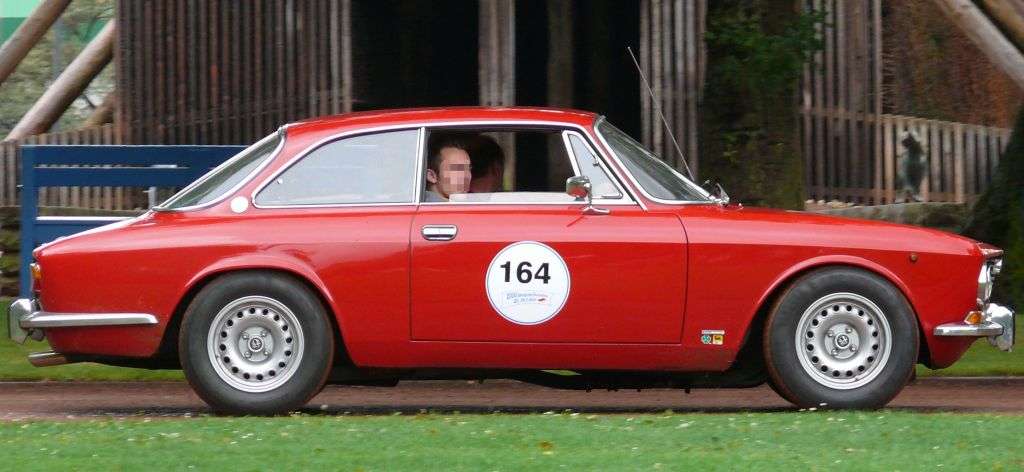
Chassis and driving character
The 105-series layout is conventional on paper—front engine, rear drive, independent front suspension and a live rear axle—but careful geometry, low weight and excellent steering make the car feel balanced and alert. The five-speed gearbox was unusual in its class and adds to the car’s long-legged usability.
Love cars you don’t see every day?
Get forgotten cars, surprising motoring stories and the most interesting finds from Unusual Cars by email.
Free to join. No spam. Unsubscribe whenever you like. See our privacy policy.
How to distinguish a 2000 GTV
Key visual cues include the later grille with a broader centre shield, larger rear lamps and 2000 badging. However, decades of restoration and parts interchange mean chassis numbers, engine type and build records are more reliable than trim alone.
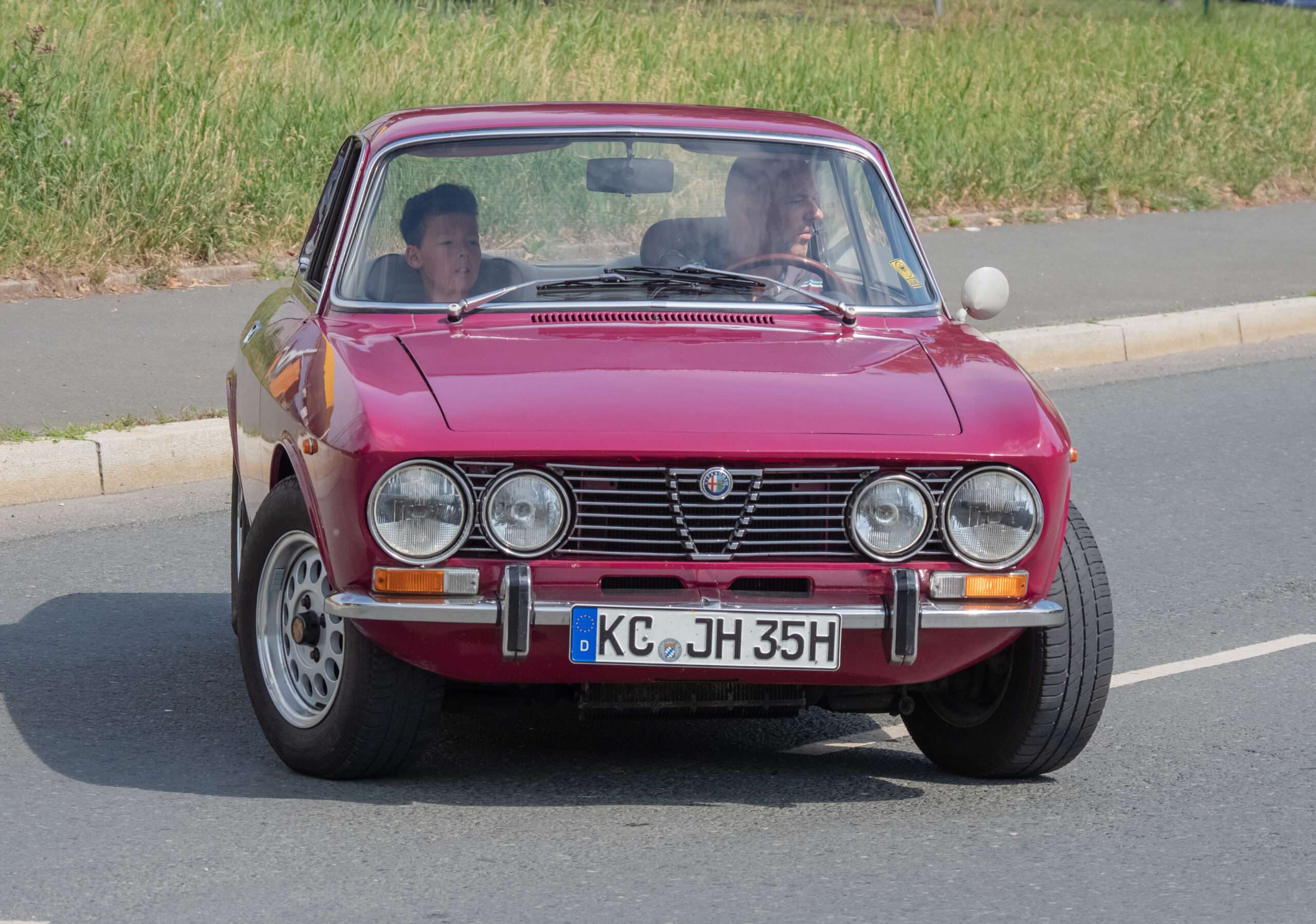
Rust and restoration context
These cars can corrode extensively in sills, floors, jacking points, wheelarches, inner wings, scuttle and suspension mounting areas. Attractive paint is not evidence of sound structure. Restoration quality, panel alignment and documented metalwork should be assessed by a specialist familiar with 105-series bodies.
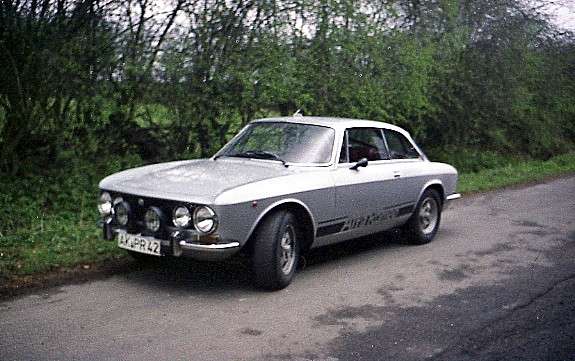
Why the 2000 GTV matters
It combines the clean Bertone shape with the most muscular regular-production engine in the classic coupé line. Earlier step-nose cars have their own purity, while Juniors can feel lighter and sweeter; the 2000 GTV is the mature, fast road car at the end of the sequence.
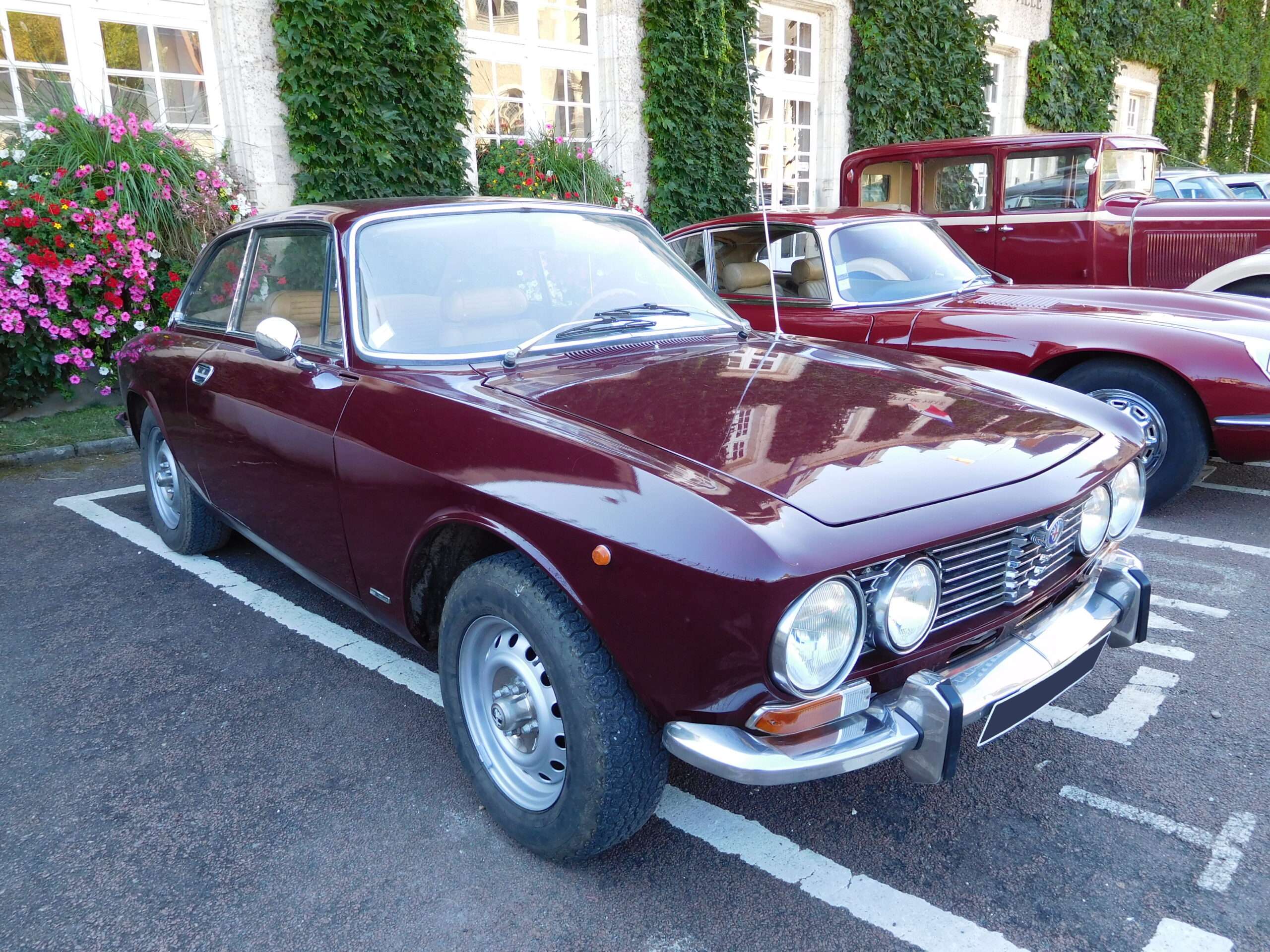
Frequently asked questions
When was the Alfa Romeo 2000 GTV made?
It was introduced in 1971 and remained in production through the mid-1970s, with timing varying by market.
Who designed the body?
Giorgetto Giugiaro designed the original 105-series coupé while at Bertone.
Is the 2000 GTV a step-nose model?
No. The distinctive step-front belongs to earlier versions; the 2000 GTV uses the later smooth-front body.
What engine does it use?
A 1,962cc version of Alfa Romeo’s aluminium twin-cam four-cylinder.
Is it the same as an Alfetta GTV?
No. The Alfetta GT/GTV is a later transaxle coupé with a different body and chassis.
Research sources
- Stellantis Heritage
- Alfa Romeo official centenary history
- Wikimedia Commons records linked beneath each image.
Continue the Alfa Romeo story
Browse the Rare & Performance Alfa Romeo hub for more model histories, engineering stories and connected guides.