
UNUSUAL CARS MODEL GUIDE
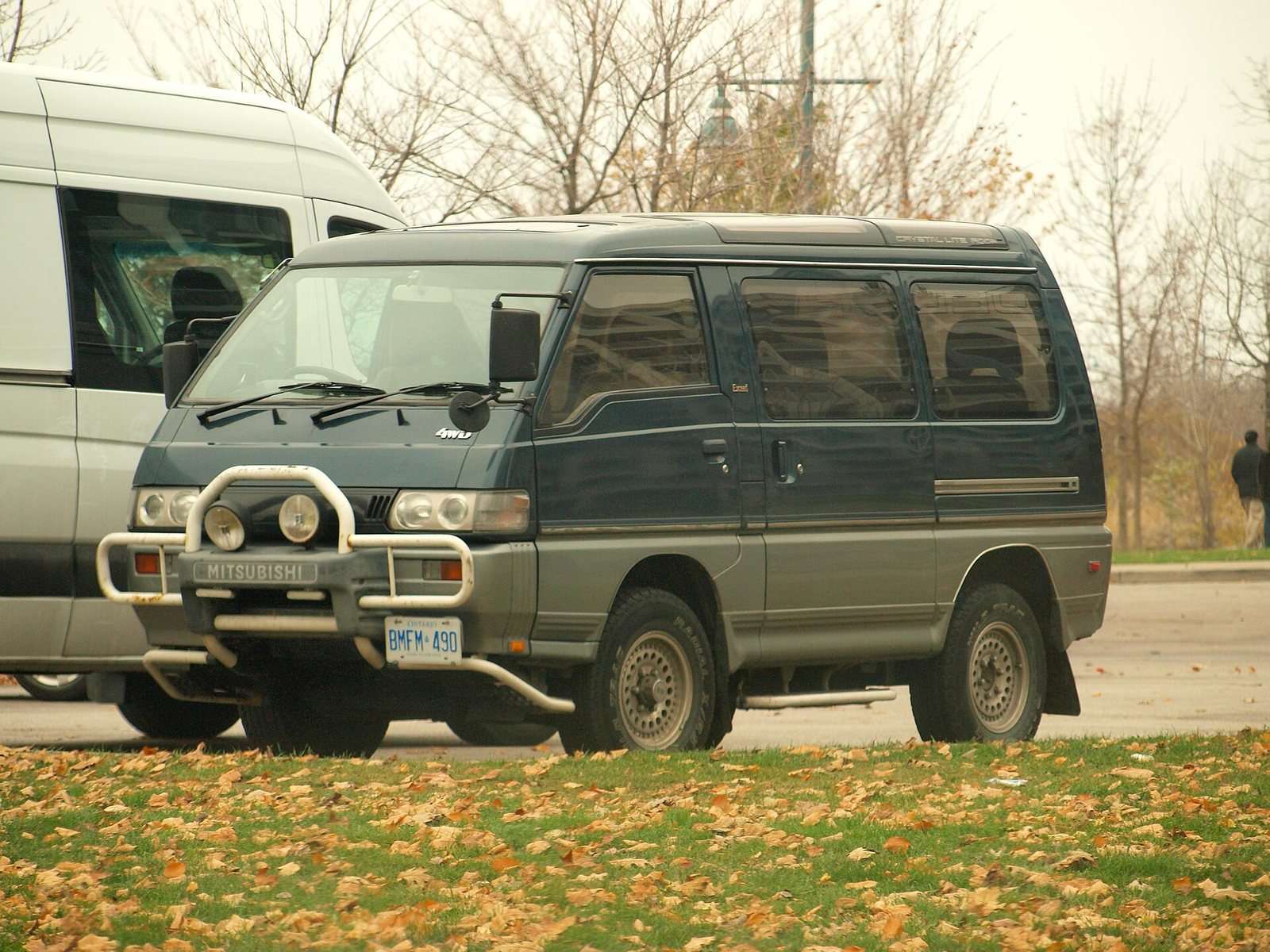
The Mitsubishi Delica L300 Star Wagon and L400 Space Gear combine minivan space with genuine four-wheel-drive ability. The cab-over L300 became an adventure icon; the 1994 L400 moved the engine forward, added Pajero-derived Super Select 4WD and created the formula most British import buyers recognise.
Quick answer: buy an L300 for compact character and simplicity, or an L400 for better access, refinement and crash protection. In either case, cooling history, structural corrosion and the quality of any camper conversion matter more than accessories.
From commercial van to adventure wagon
The Delica name began on a truck in 1968. Passenger Coach and Star Wagon versions gradually turned it into a family vehicle, and four-wheel drive gave it a niche no ordinary MPV could fill. Mitsubishi identifies the 1986 L300 Star Wagon and 1994 L400 Space Gear as key generations in that development.

L300 Star Wagon
The third-generation L300 keeps its engine under the front seats and its front occupants close to the windscreen. Four-wheel-drive versions borrow much of their visual attitude from contemporary Mitsubishi off-roaders, with raised ride height, rugged running gear and short overhangs.
The layout creates excellent space for a modest external footprint, but access for mechanical work is unusual and the front structure offers less crush space than a conventional bonneted vehicle.
L400 Space Gear and Super Select
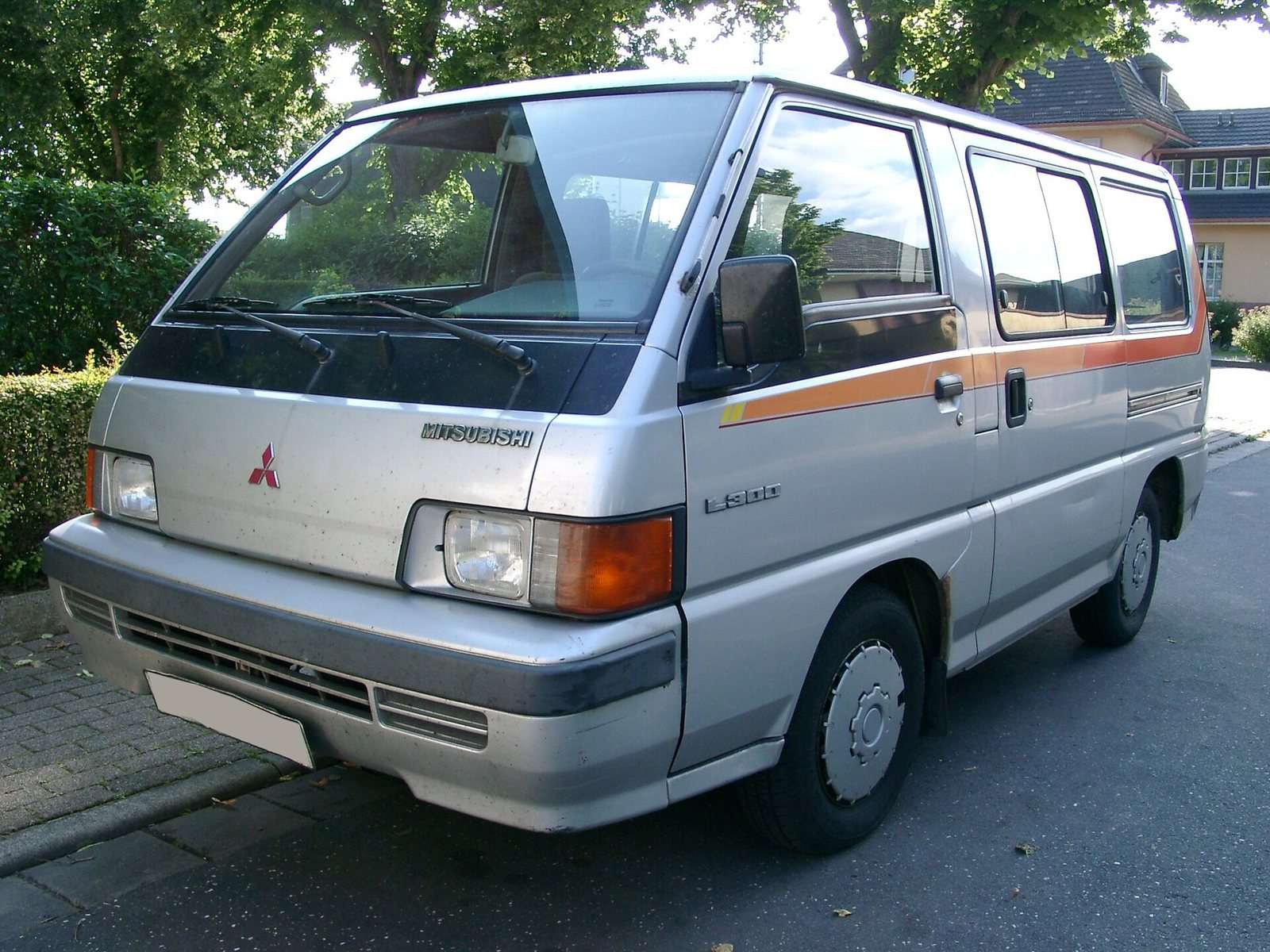
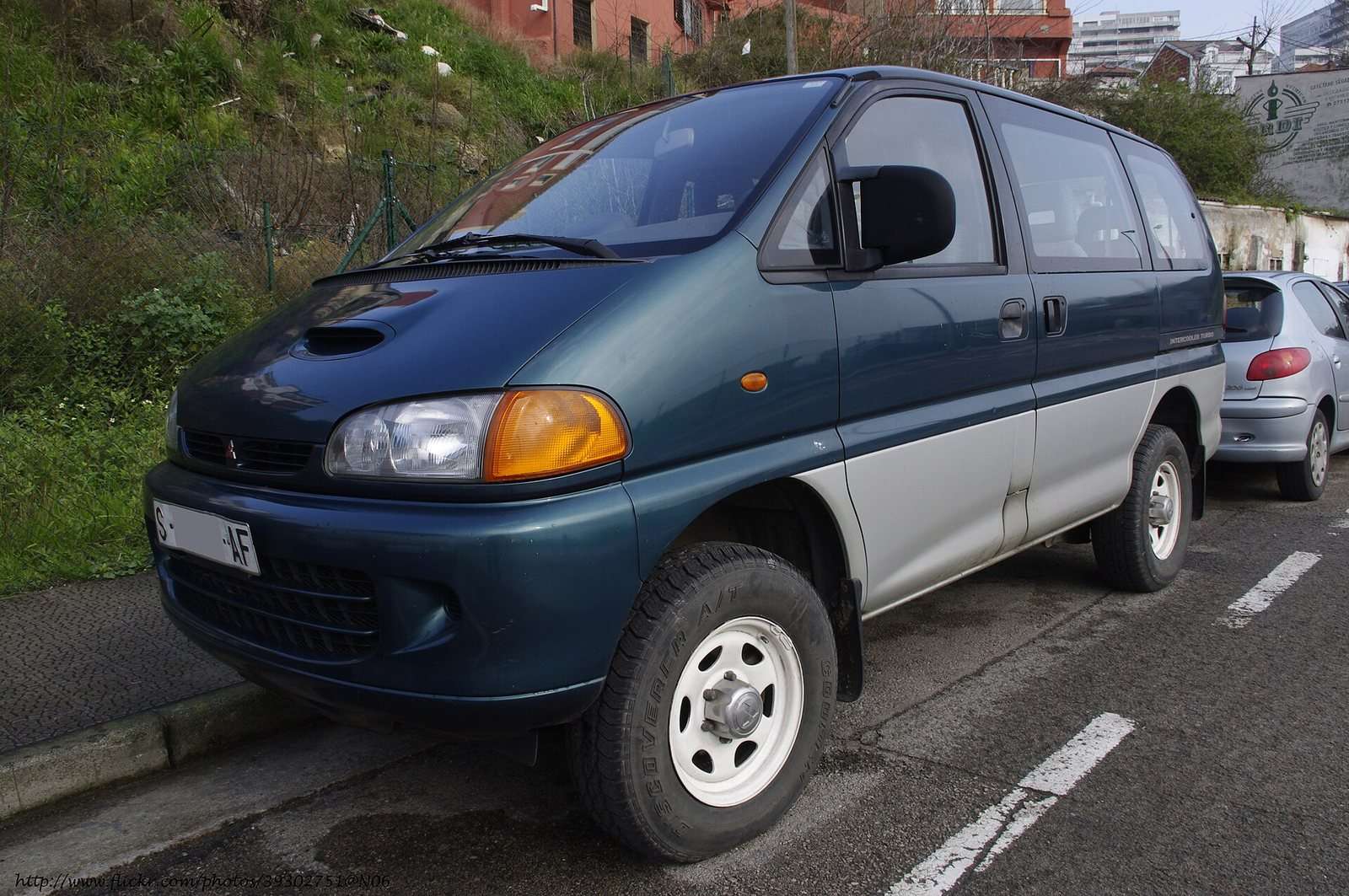
Launched in Japan in May 1994, the L400 moved the engine into a short nose, improved frontal safety and created a flat cabin floor with walk-through access. Mitsubishi offered multiple roof heights, standard and long bodies and flexible second-row seating. Four-wheel-drive versions adopted Pajero-derived Super Select.
| Generation | Layout | Typical UK-interest engines | Best known for |
|---|---|---|---|
| L300 Star Wagon | Cab-over | 2.0/2.4 petrol, 2.5 diesel | Compact footprint and classic expedition look |
| L400 Space Gear | Front engine | 2.4 petrol, 3.0 V6, 2.8 turbo-diesel | Space, comfort and Super Select 4WD |
Exceed, Super Exceed and Chamonix
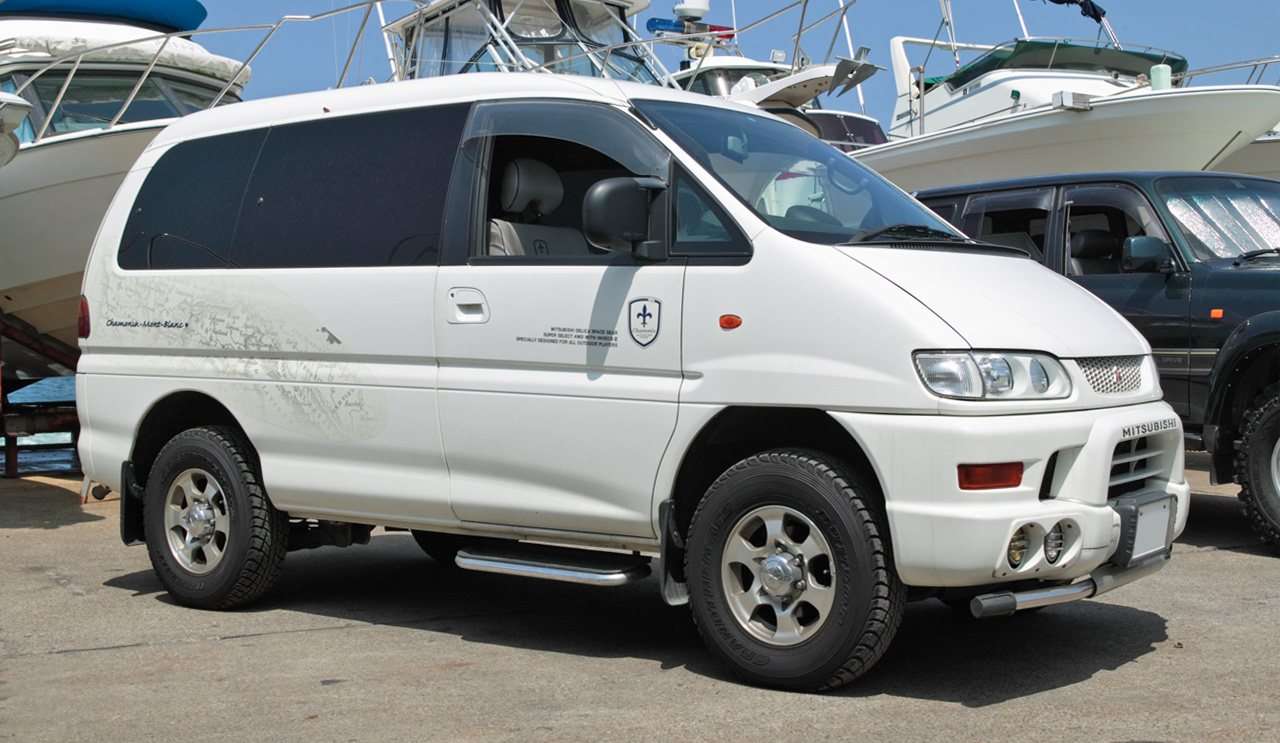
Japanese-market equipment can include rotating or sliding seats, powered curtains, multiple sunroofs and the Crystal Lite roof. Exceed and Super Exceed usually indicate richer trim, while Chamonix editions combine distinctive presentation with seasonal leisure marketing. Names alone do not fix an exact specification.
Love cars you don’t see every day?
Get forgotten cars, surprising motoring stories and the most interesting finds from Unusual Cars by email.
Free to join. No spam. Unsubscribe whenever you like. See our privacy policy.
Mitsubishi Delica buying guide
Cooling system and cylinder head
On a 2.8 4M40 diesel, insist on evidence of radiator, thermostat, hoses, water pump and coolant care. Temperature fluctuation, pressure, staining or unexplained coolant loss can indicate serious damage. Test from fully cold through a sustained drive.
Rust and structure
Inspect chassis rails, sills, crossmembers, wheelarches, suspension mounts, floor seams, sliding-door apertures and the underside of camper furniture. Japanese origin is not proof of a rust-free vehicle after years in Britain.
Super Select operation
Engage every permitted mode according to the handbook and confirm the dashboard indicators settle correctly. Flashing lamps may reflect vacuum pipes, switches or actuator faults, but should still be diagnosed before purchase.
Camper conversion
Check gas, mains and leisure-battery systems, ventilation, seat and belt mountings and payload. Poorly sealed roof cuts and side fittings invite water into hidden structure. Establish whether registration and insurance accurately describe the conversion.
Import parts and tyres
Decode the chassis, record filter and belt part numbers and budget for specialist support. Correctly rated matching tyres are important on a tall, heavy 4WD; examine age as well as tread.

Research sources
- Mitsubishi Motors: History of the Delica
- Mitsubishi Motors vehicle history: Delica Space Gear
- Mitsubishi Motors Delica 55th anniversary history
- Honest John Delica Space Gear review and owner reports
Continue the Mitsubishi story
Explore the Rare & Performance Mitsubishis hub, compare the Mk2 Pajero and Shogun, or see the homologation-bred Pajero Evolution.
Frequently asked questions
What is the difference between a Delica L300 and L400?
The L300 Star Wagon uses a cab-over layout with the engine beneath the front seats, while the 1994 L400 Space Gear moved the engine ahead of the cabin and added more car-like safety and refinement.
Is a Mitsubishi Delica a proper 4×4?
Many imported Delicas are genuine four-wheel-drive vehicles. L300 systems are comparatively traditional; L400 4WD versions may use Pajero-derived Super Select with 2H, 4H, locked-centre and low-range modes.
Which Delica engine is most common in UK imports?
The 2.8-litre 4M40 turbo-diesel L400 is especially familiar among UK imports, although 2.4 petrol, 3.0 V6 and other diesel versions also exist.
Can a Delica be used as a camper?
Yes. The tall cabin and adaptable seating make both L300 and L400 popular camper bases, but conversions must be checked for weight, ventilation, safe electrics and corrosion.
What is the biggest Delica buying risk?
Cooling-system neglect and overheating are major L400 diesel risks, while corrosion, age-related seals and poor camper conversions affect both generations.