

UNUSUAL CARS MODEL GUIDE
The Autozam AZ-1 is a two-seat mid-engined kei coupé launched in Japan in October 1992. Built for Mazda’s Autozam sales channel, it combined gull-wing doors, plastic outer panels and a 657cc turbocharged three-cylinder engine in one of the smallest production sports cars of its era.
Quick answer: the AZ-1 is unusual because its steel frame, removable plastic panels and upward-opening doors were packaged within kei-car limits. It shares its Suzuki-sourced engine with other small performance cars, but its structure, cabin and body parts are highly model-specific.
From Tokyo concept to production AZ-1
Mazda displayed a tiny mid-engined concept at the 1989 Tokyo Motor Show and developed the idea into the AZ-1. The production car retained the low stance and gull-wing doors that made the prototype memorable rather than diluting them for a broader market.
The car was sold through Autozam, Mazda’s small-car and specialist dealer channel. In Britain every example is a private Japanese import, so a continuous export, registration and mileage record is central to understanding any surviving car.

Mid-engined kei-car engineering
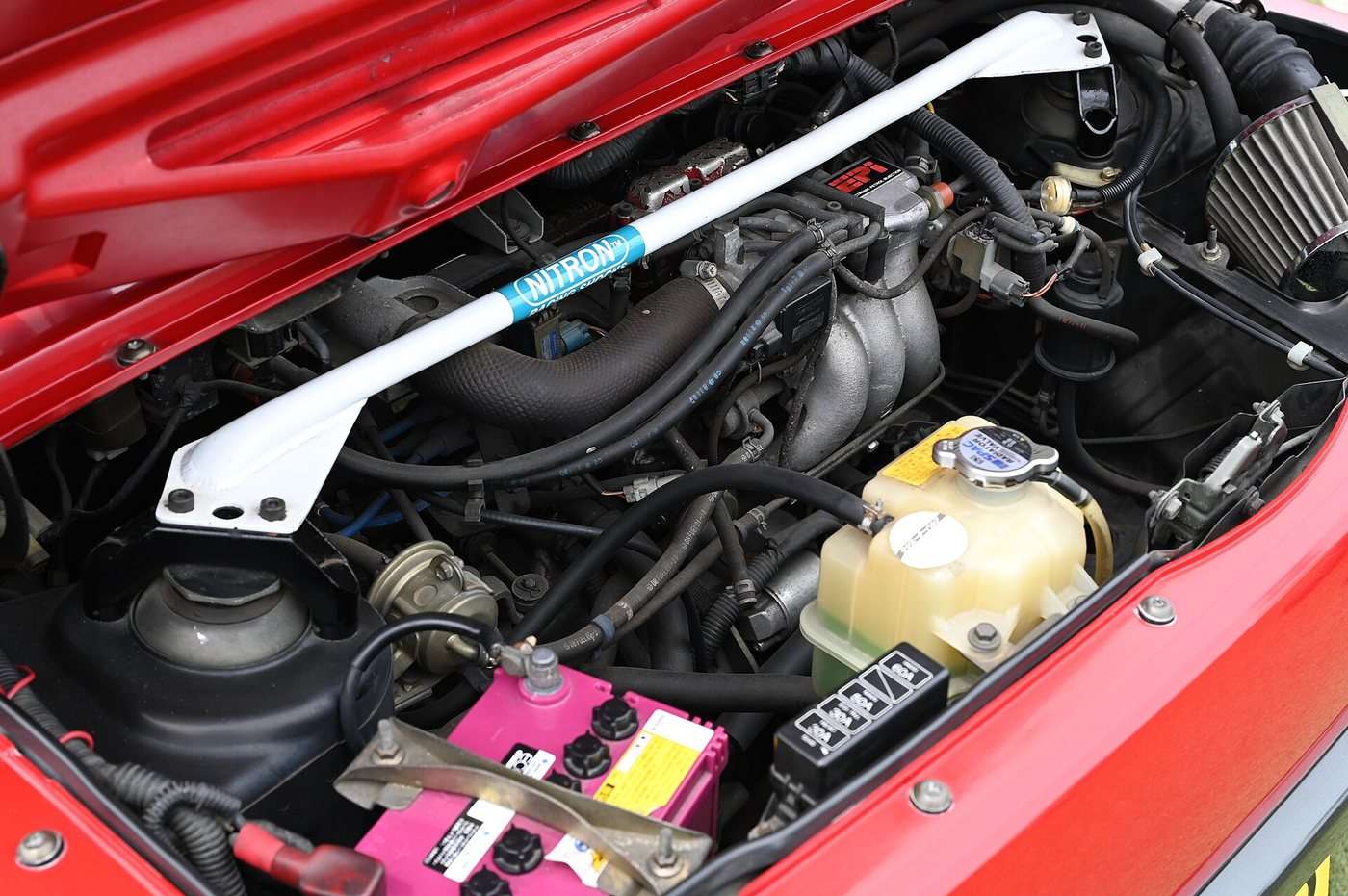
The 657cc F6A three-cylinder engine sits behind the seats and drives the rear wheels through a five-speed manual gearbox. Mazda quoted 64PS at 6,500rpm and 8.7kg-m at 4,000rpm, the contemporary voluntary ceiling for kei performance cars.
The compact engine was supplied by Suzuki, but the AZ-1 is not simply a rebodied Cappuccino. Its enclosed mid-engined layout, steel skeleton and plastic outer panels create different heat, access and structural considerations.
| Feature | Autozam AZ-1 |
|---|---|
| Launch | October 1992, Japan |
| Engine | 657cc turbocharged DOHC three-cylinder |
| Output | 64PS at 6,500rpm |
| Layout | Mid-engined, rear-wheel drive |
| Transmission | Five-speed manual |
| Body concept | Steel structure with removable plastic outer panels and gull-wing doors |
Cabin, doors and everyday compromises
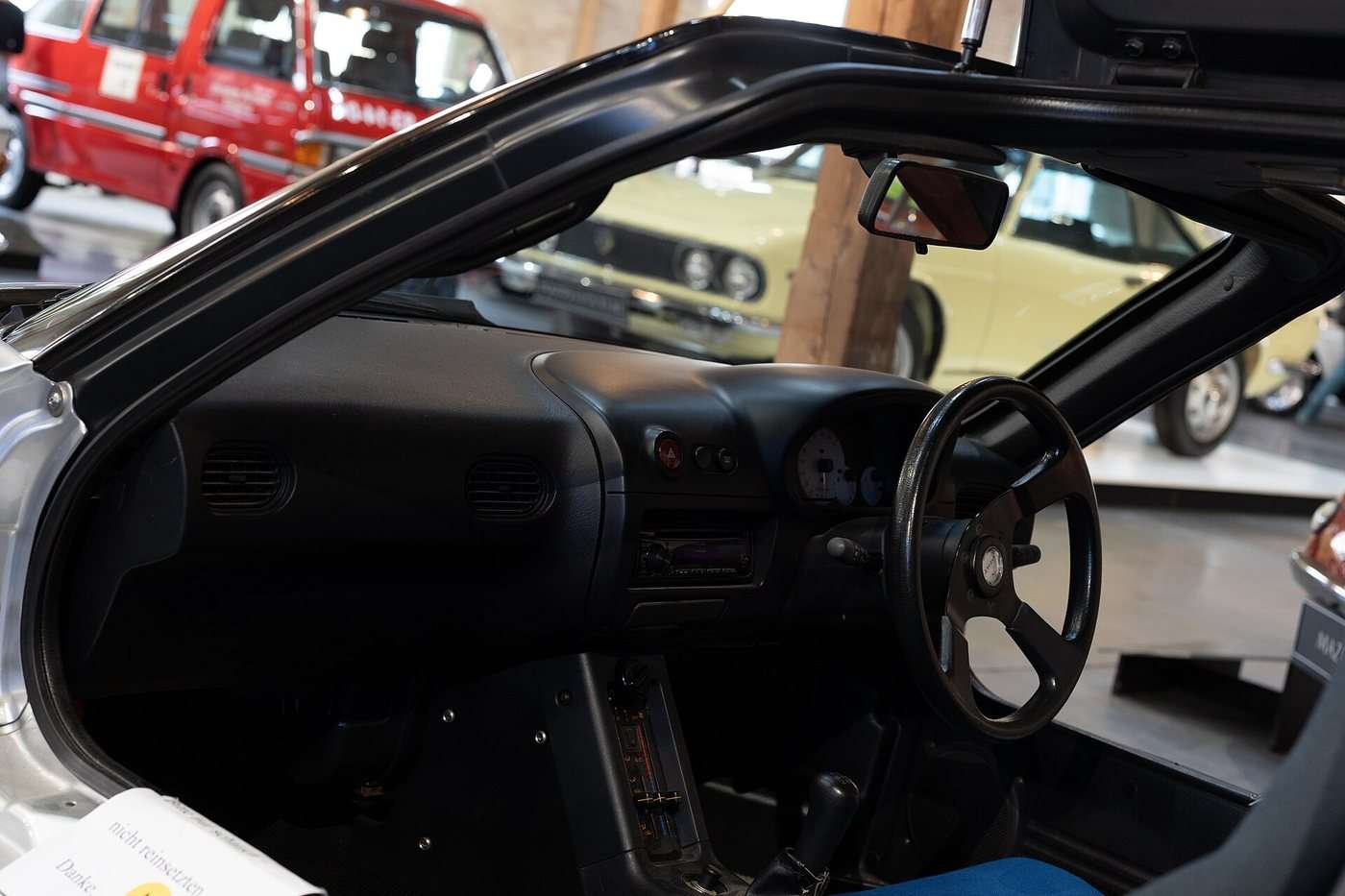
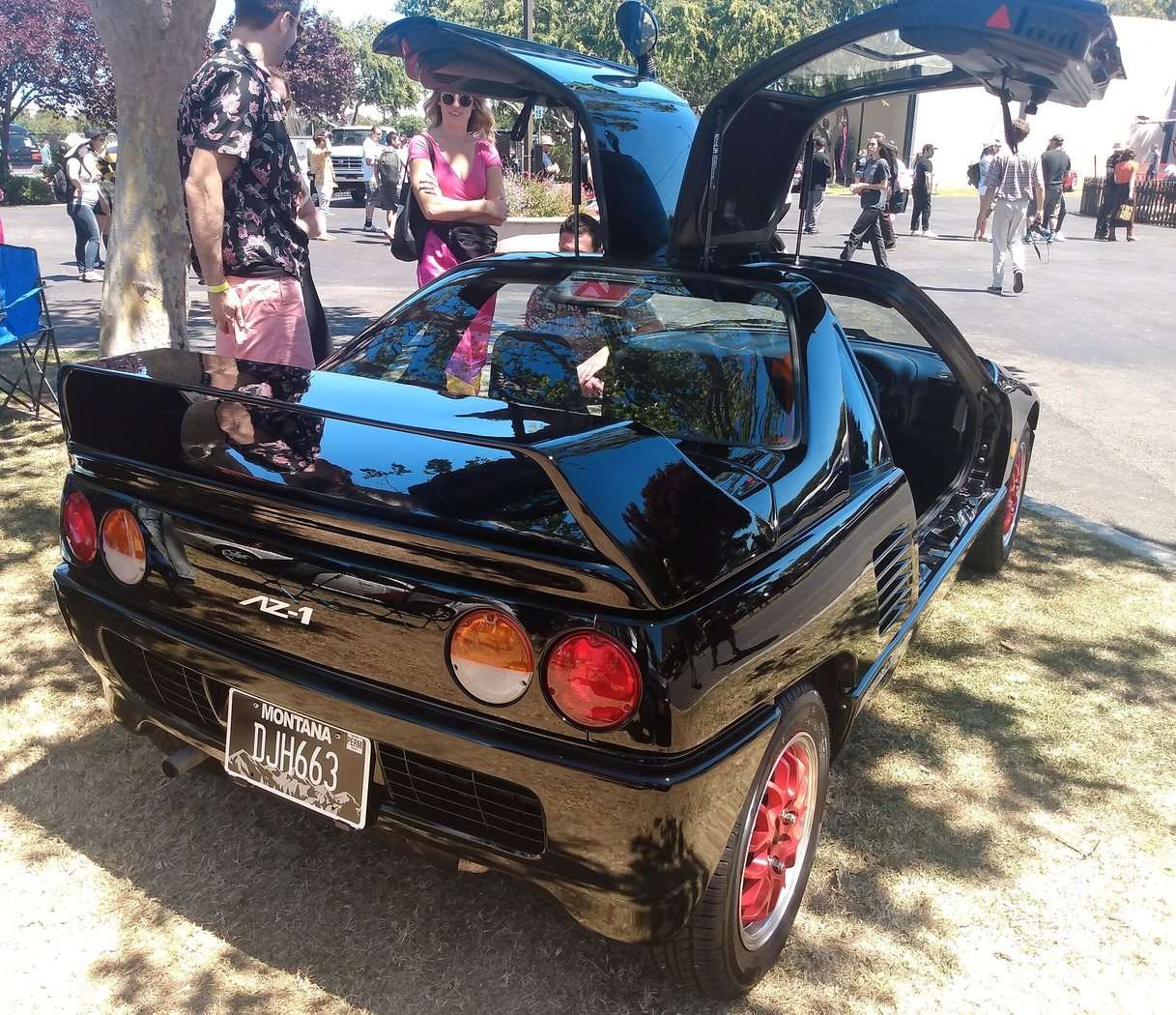
The gull-wing doors are the defining visual feature, but they also influence access, seals and adjustment. The cabin is narrow, luggage space is minimal and heat from the powertrain is close behind the occupants. These compromises are inseparable from the car’s compact packaging.
Original seats, trim, glass, latches and seals matter because replacements are much harder to source than routine engine service parts.
Mazdaspeed and special versions
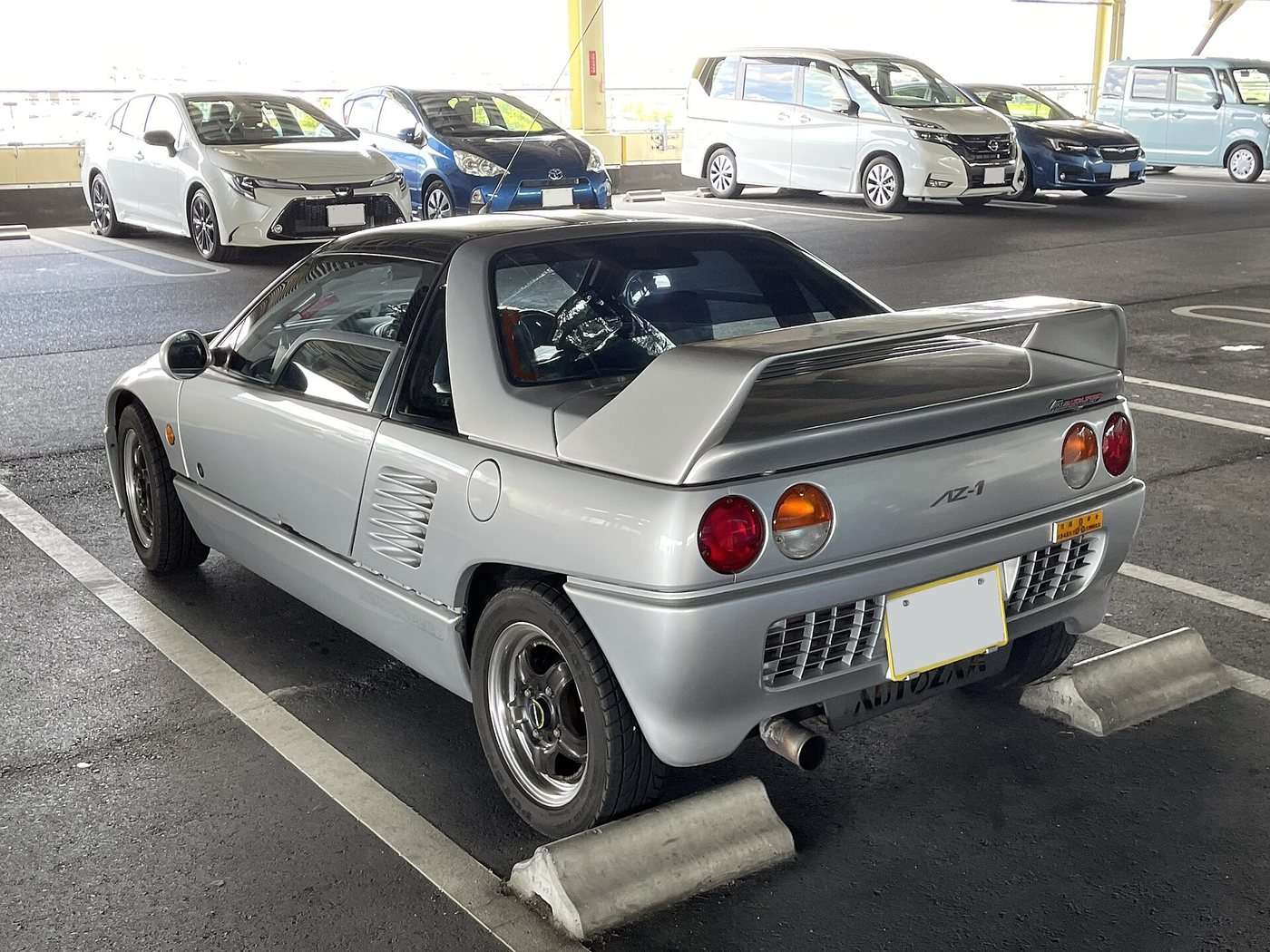
Mazdaspeed accessories and a limited Mazdaspeed Version added distinctive exterior and chassis details. Many standard cars have since acquired similar parts, so authenticity should be checked through documentation and the complete specification rather than a bonnet, wing or badge.
Love cars you don’t see every day?
Get forgotten cars, surprising motoring stories and the most interesting finds from Unusual Cars by email.
Free to join. No spam. Unsubscribe whenever you like. See our privacy policy.
Autozam AZ-1 buying guide
Frame and accident repairs
Inspect the steel structure, suspension mounting points, floor and seams beneath the removable panels. Cosmetic panels can conceal poor repairs, and a very short wheelbase makes correct geometry important.
Doors, roof and water leaks
Check hinges, gas struts, latches, glass alignment and seals. Both doors should rise and close evenly. Look for damp carpets, corrosion around the apertures and improvised seal repairs.
Engine, turbo and cooling
Listen from cold, check for smoke, oil leaks and overheating, and examine turbo and intake plumbing. Maintenance access is restricted, so documented cambelt, cooling and ignition work is valuable.
Gearbox, steering and suspension
Test every gear when cold and warm, listen for driveshaft and wheel-bearing noise and check for play in steering and suspension joints. Extreme lowering and unsuitable wheels can damage the car’s carefully judged responses.
Import identity and scarce trim
Match the chassis number to the Japanese export certificate and UK registration record. Confirm that unique lamps, interior pieces, body panels and weather seals are present before treating a car as an easy restoration.
Why the AZ-1 still attracts attention
The AZ-1 applies exotic-car theatre to kei-car dimensions without pretending to be a miniature supercar. Its appeal comes from the engineering discipline required to fit a mid-engined coupé, turbo drivetrain and gull-wing structure into such a small envelope.
Research sources
- Mazda 100th Anniversary: Autozam AZ-1
- Mazda: product history and AZ-1 launch specifications
- Mazda Virtual Museum: early-1990s product context
Continue the Mazda story
Explore the Rare & Performance Mazdas hub, then compare the MX-5 NA guide and the RX-7 FD guide.
Frequently asked questions
What is an Autozam AZ-1?
It is a two-seat mid-engined kei coupé sold in Japan through Mazda’s Autozam dealer channel from 1992.
What engine does the AZ-1 use?
It uses a Suzuki-sourced 657cc turbocharged three-cylinder engine rated by Mazda at 64PS.
Does the Autozam AZ-1 have gull-wing doors?
Yes. Both doors hinge from the roof and are one of the production car’s defining features.
Was the Autozam AZ-1 sold in the UK?
No. UK cars are Japanese imports, so export documents, chassis identity and mileage history should be checked.
What should be checked before buying an AZ-1?
Priorities are the steel frame, accident repairs, door operation and seals, cooling, turbo and engine health, gearbox condition and completeness of scarce trim.