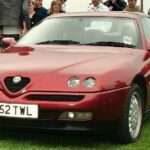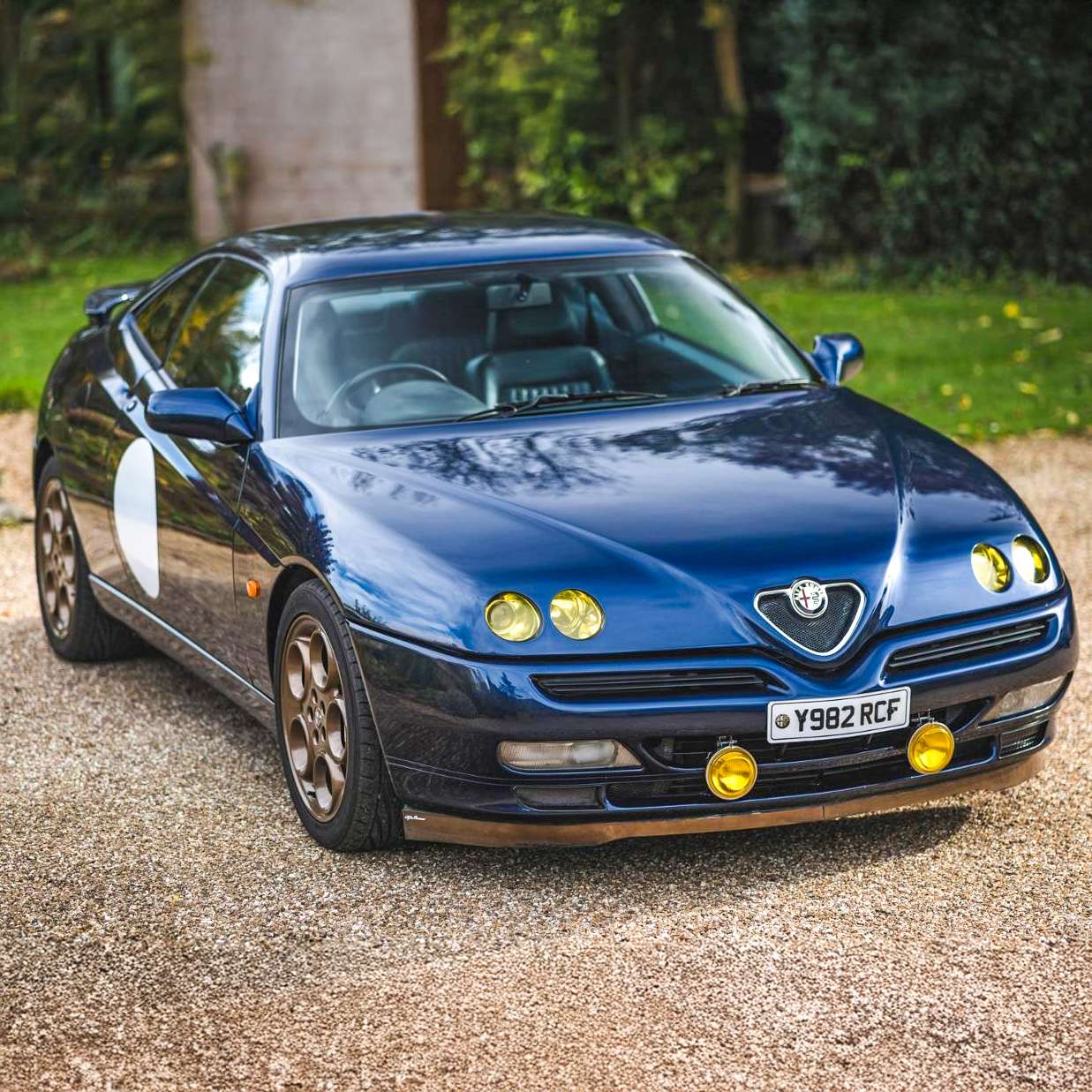
The Type 916 Alfa Romeo GTV and Spider restored a dramatic coupé and roadster to the range in the mid-1990s. Styled under Pininfarina direction, built around a front-drive platform and offered with Twin Spark, turbocharged and Busso V6 engines, the pair mixed brave design with genuinely serious chassis engineering.
Thinking of buying one? Read our Alfa Romeo GTV 916 buying guide for practical checks before buying and ownership advice.

One platform, two bodies
The GTV was a compact 2+2 coupé; the Spider was the open two-seater. Both used the same basic front-drive architecture and distinctive wedge-shaped nose, with a diagonal body crease that made the design instantly recognisable.
From Twin Spark to Busso V6
Four-cylinder Twin Spark engines gave the range accessible performance, while different markets also received a 2.0 V6 Turbo. The 3.0-litre and later 3.2-litre 24-valve Busso V6 versions are the best-known flagships, combining strong performance with one of Alfa Romeo’s most celebrated engines.

Why front-wheel drive worked
The 916 did not copy the rear-drive GTVs of earlier decades. Its sophisticated multi-link rear suspension, wide track and low seating position created a focused sports-car feel within a front-drive package. It was an Alfa for a new corporate and engineering era.
Love cars you don’t see every day?
Get forgotten cars, surprising motoring stories and the most interesting finds from Unusual Cars by email.
Free to join. No spam. Unsubscribe whenever you like. See our privacy policy.
Phase 1, Phase 2 and Phase 3
Enthusiasts divide the model into three broad phases. Early cars have the original black-centred cabin treatment. The 1998 Phase 2 revision brought a redesigned centre console and broader mechanical range. The 2003 Phase 3 adopted a larger shield grille and further updates. Details vary by market, so build date and factory specification are important.

The cabin
The driving position is low and the dashboard wraps around the driver. Phase changes altered the console, instruments and trim, while Lusso versions added richer equipment. The GTV’s rear seats are small; the Spider sacrifices them entirely for its folding roof.

Why the 3.0 V6 is special
The 3.0-litre 24-valve model brought the polished intake pipes, sonorous character and effortless mid-range associated with the Busso V6. It also increased the demands on cooling, servicing, brakes and front suspension. A properly maintained V6 feels cohesive; a neglected one can become an expensive collection of deferred jobs.

Frequently asked questions
What does 916 mean?
It is the internal type number shared by the GTV coupé and Spider roadster launched in the 1990s.
Is the 916 GTV rear-wheel drive?
No. It is front-wheel drive, unlike several earlier Alfa coupés.
Which engines were available?
The range included Twin Spark four-cylinders, a market-dependent 2.0 V6 Turbo, and 3.0- and later 3.2-litre 24-valve V6 engines.
What are Phase 1, 2 and 3?
They are enthusiast names for the original car and its two major facelifts, with changes to styling, cabin and engine availability.
Are the GTV and Spider mechanically related?
Yes. They share the Type 916 platform and much of their engineering, but have different bodies and seating arrangements.
Research sources
- Alfa Romeo official centenary history
- Stellantis Heritage
- Wikimedia Commons records linked beneath each image.
Continue the Alfa Romeo story
Browse the Rare & Performance Alfa Romeo hub for more model histories, engineering stories and connected guides.