
UNUSUAL CARS MODEL GUIDE
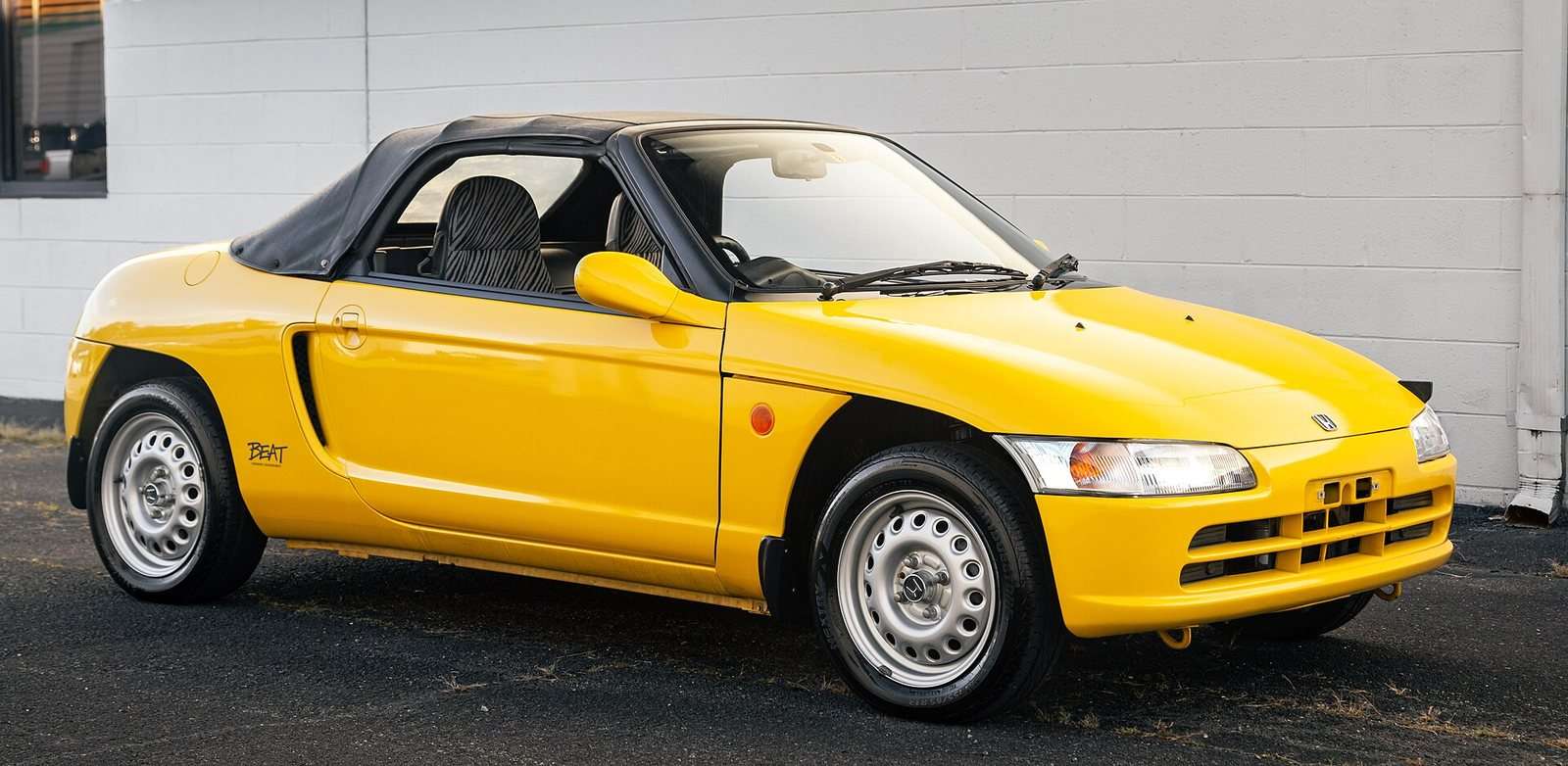
The Honda Beat PP1 is a mid-engined, two-seat kei roadster built from 1991 to 1996. Its tiny dimensions, 656cc three-cylinder engine, individual throttle bodies and five-speed manual gearbox turn modest speed into an unusually vivid driving experience.
Quick answer: the Beat is not a scaled-down conventional sports car. It was engineered around Japan’s kei rules, with low mass, compact packaging and a naturally aspirated engine that rewards revs. Condition, originality and weather protection now matter more than outright performance.
Honda’s kei roadster idea
Honda launched the Beat in May 1991 as Japan’s first series-production two-seat mid-engined open kei passenger car. It appeared during the same period as the Suzuki Cappuccino and Autozam AZ-1, but pursued its own formula: no turbocharger, a simple soft top and immediate responses.
The engine sits transversely behind the seats and drives the rear wheels. That layout leaves little spare space, yet it gives the car the proportions and balance of a purpose-built sports machine. The driving position is low, while the nose and corners remain easy to place.

656cc MTREC engine
The 656cc E07A three-cylinder engine uses four valves per cylinder, electronic fuel injection and three individual throttle bodies. Honda called its intake-control system MTREC. Official output was 64PS at 8,100rpm, with 6.1kg-m of torque at 7,000rpm.
Those figures explain the car’s character. The Beat needs revs and accurate gear selection, but its light weight and close control responses make ordinary roads engaging. A five-speed manual gearbox was the only transmission.
| Specification | Honda Beat PP1 |
|---|---|
| Launch | May 1991, Japan |
| Engine | 656cc naturally aspirated three-cylinder |
| Power | 64PS at 8,100rpm |
| Torque | 6.1kg-m at 7,000rpm |
| Transmission | Five-speed manual, rear-wheel drive |
| Layout | Two-seat, mid-engined roadster |

Design, roof and cabin
The Beat’s clean exterior was shaped around the kei envelope without looking boxy. Short overhangs, a low bonnet and a neat tail place the visual mass around the cabin. The manual fabric roof folds behind the seats beneath a cover, keeping the mechanism simple and light.
The interior is one of the model’s defining details. Zebra-pattern seat fabric, a driver-focused instrument cluster and compact controls give it unmistakable early-1990s Japanese character. Complete original trim adds considerably to a car’s appeal.
Versions and production
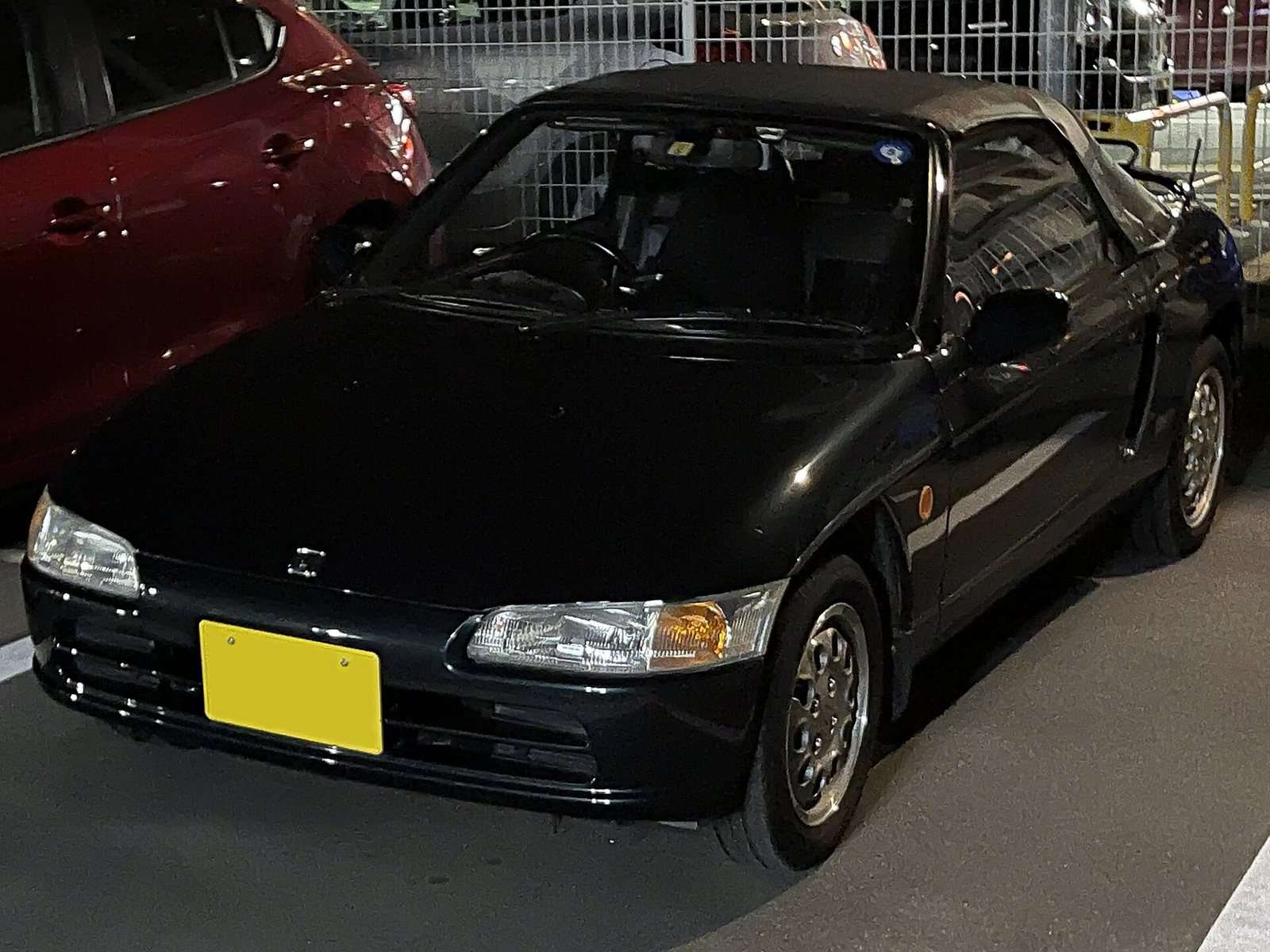
Standard cars were joined by limited colour editions including Version F and Version C. Differences were mainly paint and trim rather than major mechanical changes. Honda ended production in 1996 after more than 33,000 examples had been built.
Age and private modification now create more variation than the factory editions. Wheels, suspension, exhausts and body parts should be judged for quality and reversibility. A standard-looking car can still hide poor repairs, while a carefully upgraded example may be mechanically excellent.

Love cars you don’t see every day?
Get forgotten cars, surprising motoring stories and the most interesting finds from Unusual Cars by email.
Free to join. No spam. Unsubscribe whenever you like. See our privacy policy.
Honda Beat buying guide
Rust and body condition
Inspect sills, floors, wheelarches, suspension mounts, boot and front compartment, plus seams around the windscreen and roof. Water trapped by ageing seals can damage hidden areas. Check the underside on a lift and look for accident repairs to the compact monocoque.
Roof and water leaks
Examine the fabric, rear window, header rail, latches, side seals and drains. Hose testing is useful. A wet cabin can damage carpets, seat frames, electrical connectors and the ECU, so persistent damp should never be dismissed as normal for an old convertible.
Engine, cambelt and cooling
Listen from cold for abnormal noise and check for smoke, oil consumption, coolant loss or overheating. Evidence of cambelt and water-pump work is important. The small engine is durable when maintained, but poor servicing and repeated overheating can turn a charming car into an expensive project.
Gearbox, clutch and chassis
Second-gear synchromesh, clutch action, driveshaft joints and wheel bearings deserve attention. The steering should feel direct without knocks, and the suspension should settle cleanly. Oversized wheels and very low springs can harm ride, geometry and body clearance.
Import history and parts
Verify the Japanese chassis number, export certificate, UK registration and mileage record. Confirm whether the odometer and speedometer remain in kilometres or were converted. Mechanical service parts are obtainable, but unique lamps, trim, seats and weather seals may require patience.

Why the Beat remains special
The Beat makes a strong case that enjoyment does not require large power. Its controls, sound, visibility and compact dimensions make the driver work with the car at accessible speeds. It is one of Honda’s clearest expressions of lightweight engineering.
Research sources
- Honda: Beat launch announcement and specifications, 15 May 1991
- Honda product archive: 1991 Beat
- Honda 75 Years history: 1991 Beat context
Continue the Honda story
Explore the Rare & Performance Hondas hub, compare the City Turbo II or the first-generation NSX.
Frequently asked questions
What is the Honda Beat PP1?
The Beat is a two-seat, mid-engined kei roadster launched in Japan in 1991. PP1 is its chassis code.
Does the Honda Beat have a turbocharger?
No. Its 656cc three-cylinder engine is naturally aspirated and uses individual throttle bodies and Honda’s MTREC intake-control system.
How much power does a Honda Beat make?
Honda quoted 64PS, the contemporary voluntary ceiling for Japanese kei cars, with power delivered high in the rev range.
Was the Honda Beat sold in the UK?
No. All UK cars are Japanese imports, so buyers need to verify import papers, mileage history, speedometer conversion and parts availability.
What are the main Honda Beat buying checks?
Check rust, roof and cabin water leaks, cooling, cambelt history, engine oil use, gearbox synchromesh, suspension wear and completeness of its model-specific trim.