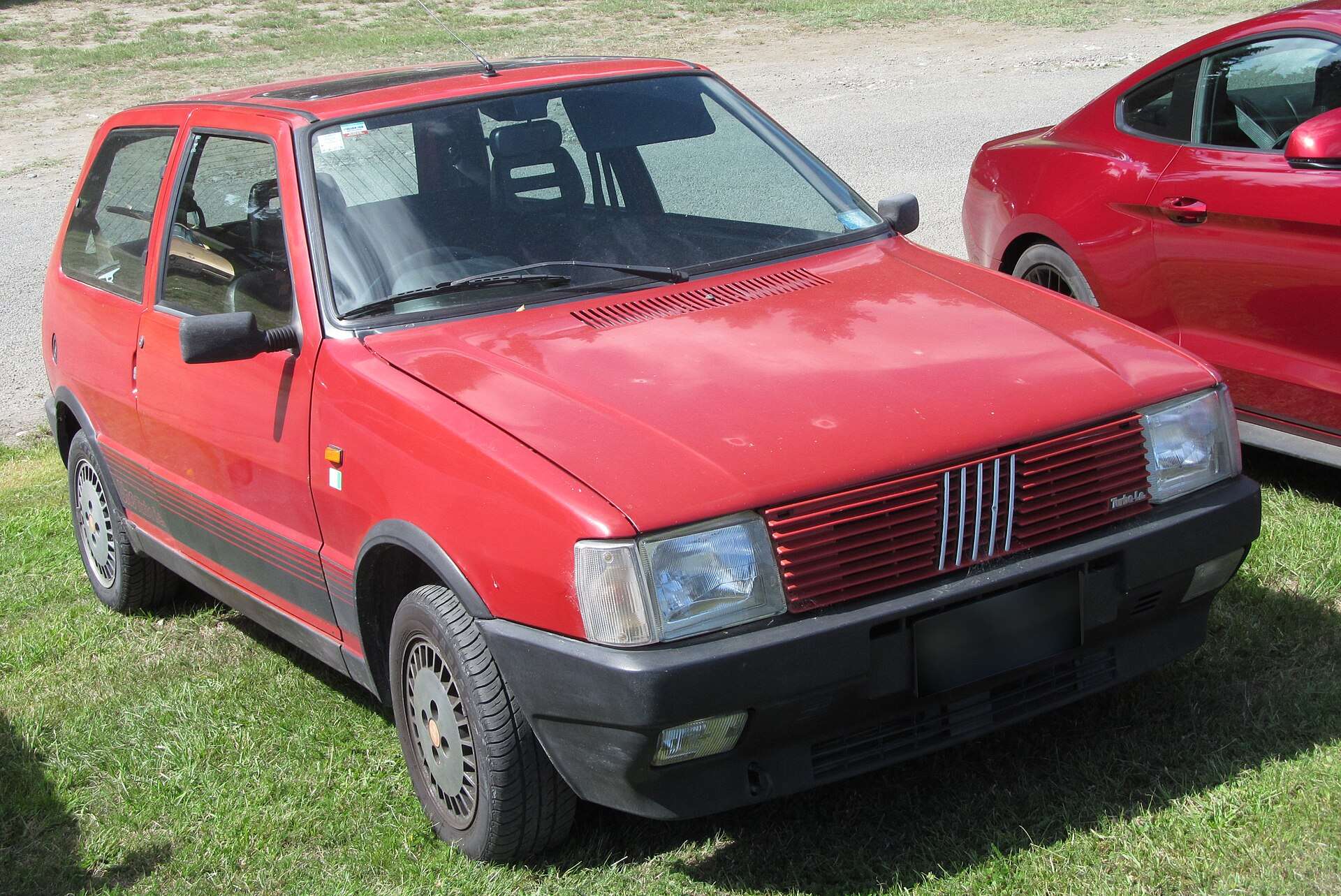
The Fiat Uno Turbo i.e. was one of the defining small turbo hot hatches of the 1980s: light, quick and far more sophisticated than its compact shape suggested. It blended fuel injection, a small-capacity turbocharged engine and a practical five-door-era supermini platform into something that could feel genuinely rapid on a British B-road.
This guide separates the early 1.3-litre cars from the later 1.4-litre version, explains the important checks before purchase and sets the Uno in the context of the era’s other overlooked performance cars.

What is the Fiat Uno Turbo i.e.?
Fiat introduced the Uno Turbo i.e. in 1985. The first version combined a 1,301cc engine, IHI turbocharger and electronic injection with 105 hp. Its light weight and modest footprint made that output feel substantial, while uprated brakes, suspension and exterior details distinguished it from ordinary Unos.
The name matters: i.e. means electronic injection. It is not simply an Uno with a bolt-on turbo. The Turbo was a complete performance model, and the condition of its original supporting systems matters as much as the engine itself.
Series 1 and later 1.4-litre cars
| Version | Character | Key ownership point |
|---|---|---|
| Early 1.3 Turbo i.e. | The light, raw original formula | Correct injection, turbo plumbing and unobtainable trim can matter enormously |
| Later 1.4 Turbo i.e. | More developed, later-version hot hatch | Confirm original specification rather than assuming all late cars share the same parts |

Why the Uno Turbo matters
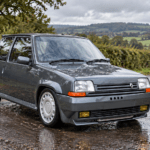
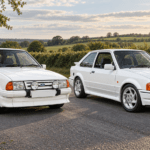
It belongs in the same conversation as the Renault 5 GT Turbo, Peugeot 205 GTI and Ford Escort RS Turbo, but the Uno has its own appeal. It is more Italian in both its charm and its demands: quick responses, period technology and a greater need for a careful ownership history. It also makes an excellent companion to the Fiat Strada / Ritmo Abarth guide; both are practical Fiat hatchbacks turned into something much more interesting.
Buying guide: five checks before you buy
1. Rust and previous repairs
Start with structure, not paint. Inspect sills, floors, inner wings, wheelarches, suspension mounts, screen surrounds and the boot area. Ask for restoration photographs and invoices. A presentable-looking Uno with poor structural repairs is a false economy.
2. Turbo, fuelling and cooling
Let the car start from cold and warm through fully. Look for smoke, unstable idle, oil leaks, boost problems, perished hoses, poor cooling and improvised fuel-system work. A modified car is not automatically a bad car, but every non-standard component should have a clear reason and evidence of competent installation.
3. Engine bay completeness
The original system is part of the car’s appeal. Check for missing heat shields, altered wiring, incorrect air-intake parts and untidy vacuum routing. Reconstructing specific trim, injection or turbo-related parts can be much harder than routine mechanical servicing.
4. Gearbox, clutch and brakes
Test every gear when cold and warm, listen for bearing noise and check the clutch under load. A hot hatch with uncertain brakes, tired tyres or a poor suspension setup cannot show what it was designed to do.
5. Identity, history and originality
Confirm that the V5C, chassis number and model specification align. Keep an eye out for ordinary Unos converted with Turbo parts. A genuine car with good documentation, correct details and a sensible record of repairs is generally more valuable than a heavily modified example with no history.

Living with a Uno Turbo today
The best cars will feel like preserved period performance cars, not generic cheap runabouts. Buy on shell condition, parts completeness and the quality of prior maintenance. Owners’ clubs and marque specialists are particularly helpful before committing to a project, because the difference between a useable survivor and an incomplete restoration can be considerable.
Explore the Forgotten 1980s collection
Return to the Forgotten 1980s Performance Cars hub for the Ford Sierra XR4i, Peugeot 205 GTI Dimma, Nissan March Super Turbo, Mini ERA Turbo and Lancia Thema Turbo. Each is a reminder that the decade’s best performance cars were not always the obvious ones.
Image credits
First-series Uno Turbo i.e.: CC BY-SA 4.0 via Wikimedia Commons. Engine-bay image: Jas Racing, CC BY-SA 3.0 via Wikimedia Commons. 1994 Uno Turbo i.e.: Calreyn88, CC BY-SA 4.0 via Wikimedia Commons.