Rare performance Vauxhalls
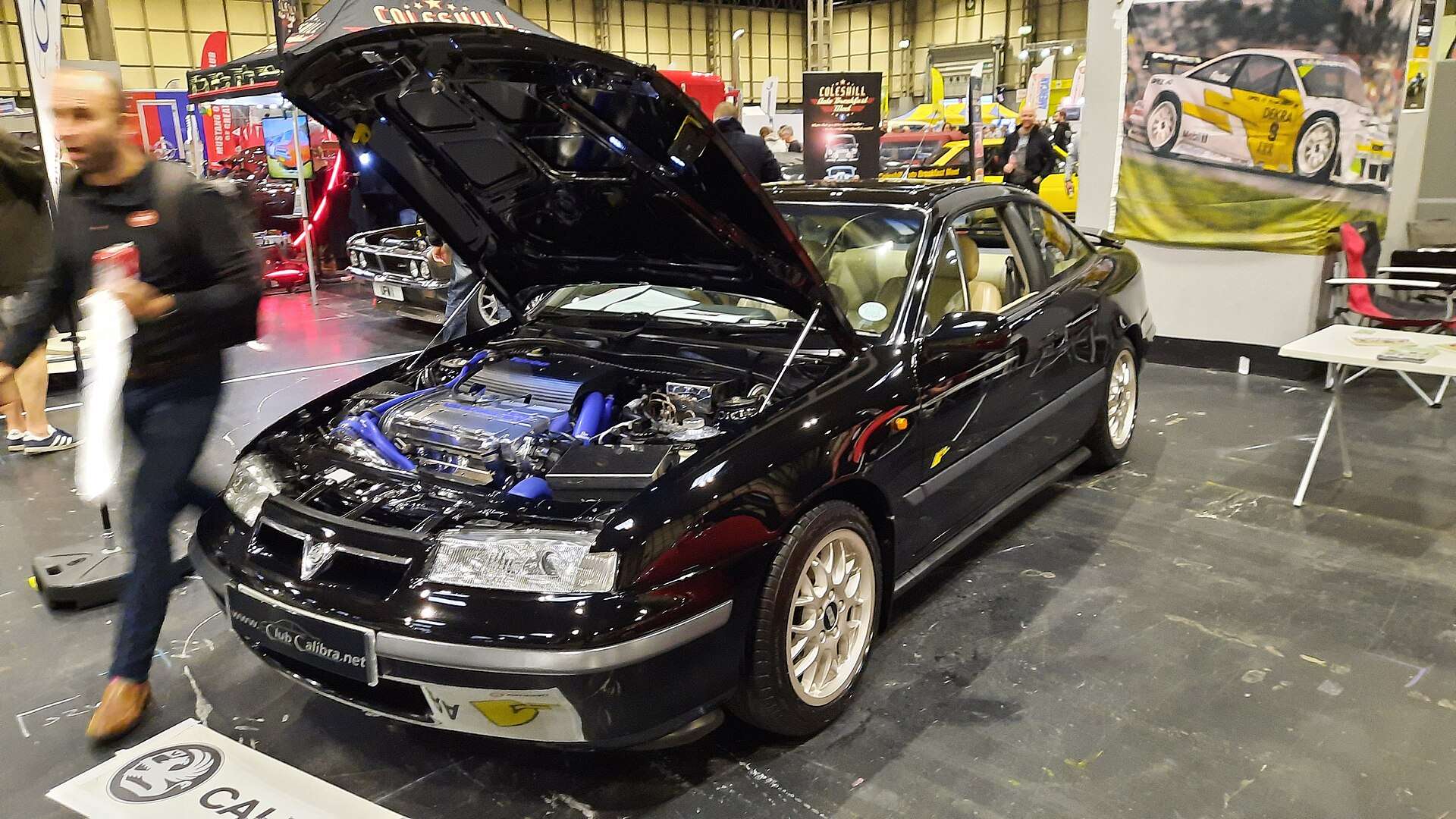
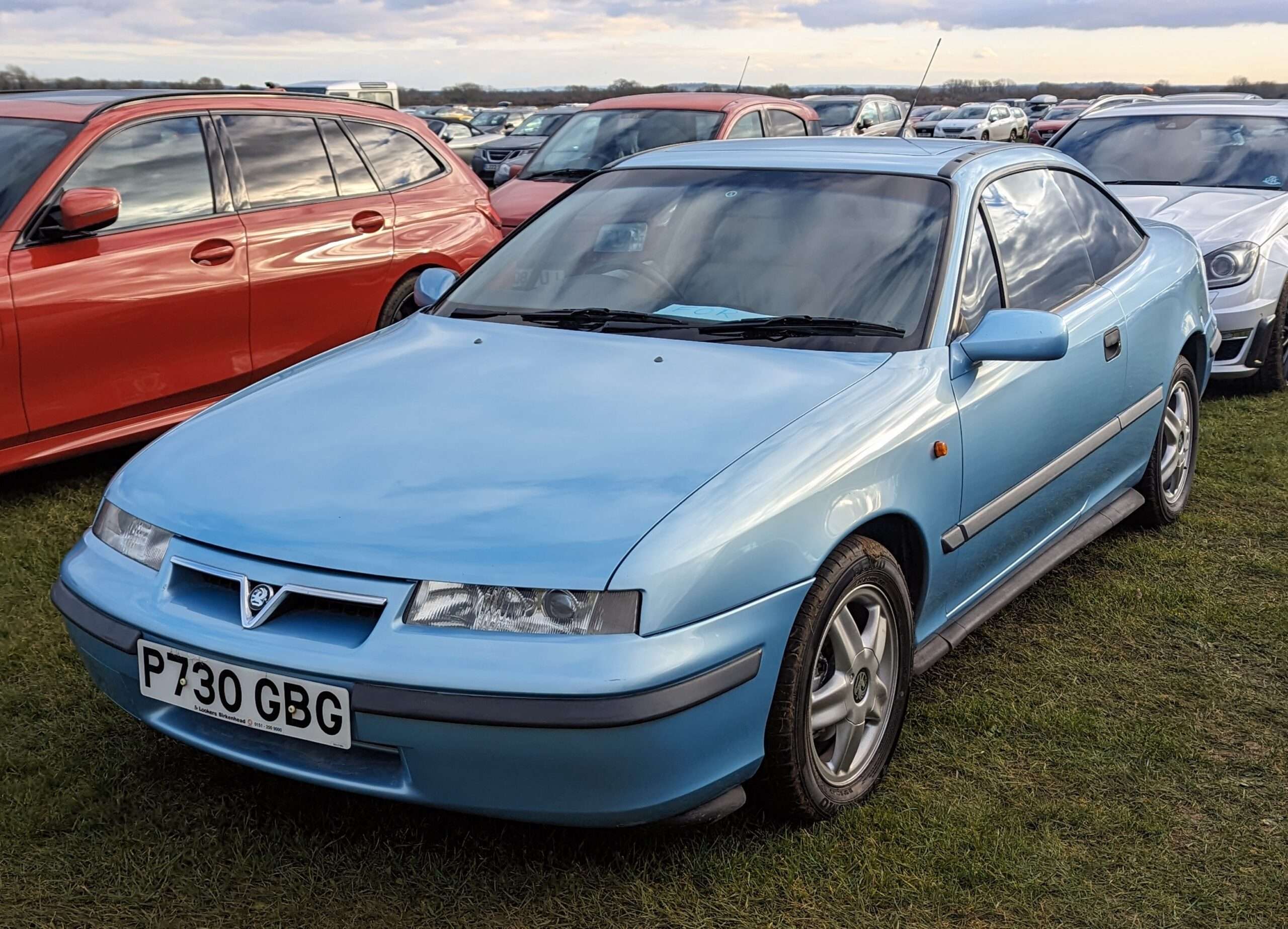
The Vauxhall Calibra Turbo 4×4 was the quickest and most technically ambitious road-going Calibra: a sleek four-seat coupé combining the C20LET turbo engine, six-speed manual gearbox and four-wheel drive. It is now a proper modern classic, but surviving cars need careful assessment because the drivetrain, body shell and originality all matter.
What is the Vauxhall Calibra Turbo 4×4?
Launched in 1992, the Turbo 4×4 was the flagship of the Calibra range. It used GM’s 1,998cc 16-valve C20LET engine with a KKK turbocharger and intercooler, sending power through a six-speed F28 manual gearbox and four-wheel drive. Vauxhall sold the Calibra in Britain while Opel used the same basic car across Europe.
It looks restrained beside later performance coupés, which is precisely part of the appeal. The Calibra’s clean styling and slippery shape hide serious period performance and a drivetrain shared in spirit with the Vectra Turbo and a generation of C20LET conversions.
Vauxhall Calibra Turbo 4×4 specifications
| Engine | 1,998cc turbocharged 16-valve four-cylinder, C20LET |
|---|---|
| Power | 204PS / 150kW at 5,600rpm |
| Torque | 280Nm at 2,400rpm |
| Transmission | Six-speed F28 manual |
| Drive | Four-wheel drive |
| Quoted 0–62mph | About 6.8 seconds |
| Quoted top speed | About 152mph / 245km/h |
The 204PS figure, six-speed gearbox and four-wheel drive are the crucial identifiers. A Calibra with Turbo-style trim, a C20LET engine swap or an ordinary 16-valve engine is not necessarily a genuine Turbo 4×4, so establish exactly what the car is before judging its value.
Why the C20LET matters
The C20LET is the turbocharged relative of the naturally aspirated C20XE. It is highly tuneable, which is both a strength and a risk for buyers. A carefully mapped car with evidence of the components and calibration used can be enjoyable; an undocumented “300bhp” claim can conceal unsuitable fuelling, poor cooling, tired boost control or a drivetrain beyond its intended load.
For a first purchase, an original or sympathetically upgraded car with invoices is the sensible choice. Ask who mapped it, what hardware was fitted, whether it has been rolling-road tested and whether it still passes emissions tests cleanly.
What to check before buying
Four-wheel drive and gearbox
The transfer box and four-wheel-drive system are the central buying issue. Check that the dashboard warning light behaves normally, that the car pulls cleanly without transmission shunt, and that tyre sizes, brand and rolling circumference match across all four corners. Mismatched tyres can place the system under unnecessary strain. Any warning light, vibration, binding or drivetrain noise needs diagnosis by someone who understands the model before money changes hands.
Test the F28 gearbox thoroughly once warm. It should select all six gears without grinding, baulking or jumping out of gear. A tired clutch, hydraulics or linkage can imitate a gearbox problem, but none should be dismissed without investigation.
Turbo engine, cooling and wiring
Inspect the engine from cold. Look for smoke, oil leaks, poor idle, boost hesitation and overheating. Ask for evidence of timing-belt work, oil changes, cooling-system maintenance, turbo servicing, injector work and any engine-management repairs. Old vacuum hoses, heat-damaged wiring and tired sensors can cause frustrating running problems even where the fundamental engine is sound.
Rust and accident damage
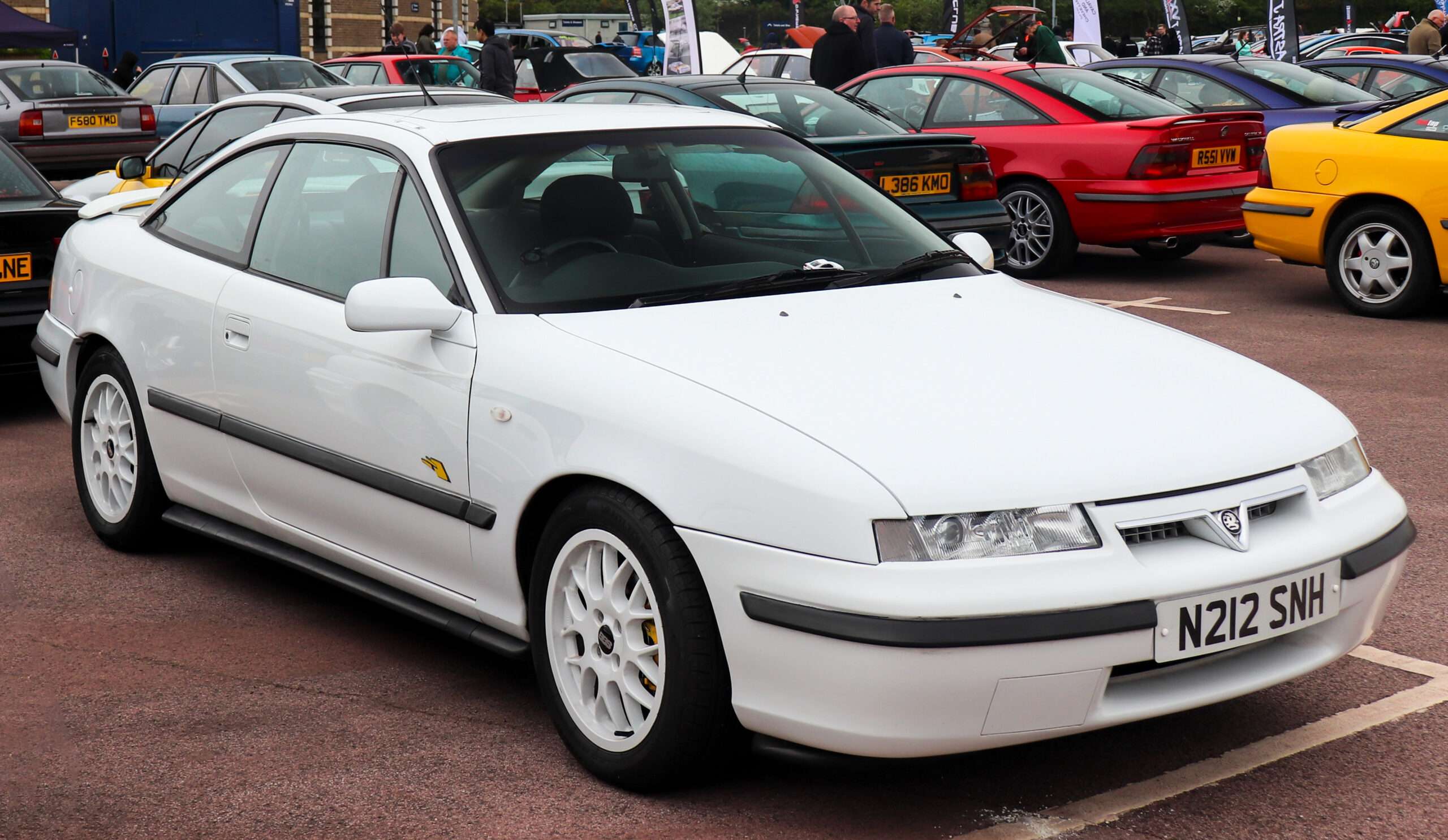
Examine wheel arches, sills, floorpans, jacking points, suspension mounts, rear chassis areas and the boot floor. Check panel gaps and paint finish for signs of accident repairs. The Calibra’s shape can make cosmetic presentation persuasive, so inspect underneath rather than relying on a shiny bonnet and clean interior.
Originality and interior
Original wheels, Turbo badges, trim, instruments and seat fabric matter because good cars are becoming harder to find. Modified examples are part of Calibra culture, but value them on workmanship and evidence rather than styling alone. Missing interior parts, incorrect body kits and poor aftermarket wiring can take time and money to put right.
Ownership realities
This is not a cheap old coupé simply because it once was. A well-kept Turbo 4×4 needs a specialist-aware garage, correct tyres, regular preventative maintenance and a realistic repair fund. The reward is a rare 1990s performance car with much more character than its understated appearance suggests.
Related Unusual Cars guides
Explore the Rare & Performance Vauxhalls hub for connected guides to the Lotus Carlton, Cavalier Turbo, Calibra Turbo and Nova.
For another C20LET-powered four-wheel-drive Vauxhall, read our Vauxhall Cavalier Turbo 4×4 guide. The Lotus Carlton guide explores the other end of the era’s performance-Vauxhall story.
Frequently asked questions
Is the Calibra Turbo 4×4 a genuine four-wheel-drive car?
Yes. The factory Turbo 4×4 combined the C20LET with a six-speed manual gearbox and four-wheel drive. Its operation should be tested carefully on any used example.
What is a C20LET?
It is GM’s 2.0-litre 16-valve turbocharged four-cylinder engine, fitted to the Calibra Turbo 4×4 and associated Vauxhall/Opel performance models.
What is the most important Calibra Turbo buying check?
Verify identity and service history, then obtain a specialist assessment of the transfer box, four-wheel-drive system, gearbox, engine and shell.