Vauxhall Senator / Opel Senator Guide
The Vauxhall Senator was a proper executive car from an era when a large, rear-wheel-drive straight-six could still be bought through a British dealer. It is now a rare alternative to the obvious German luxury saloons: spacious, characterful and mechanically approachable in places, but dependent on body condition, cooling-system health and a surprisingly complete interior.
What is the Vauxhall Senator?
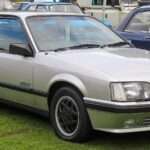
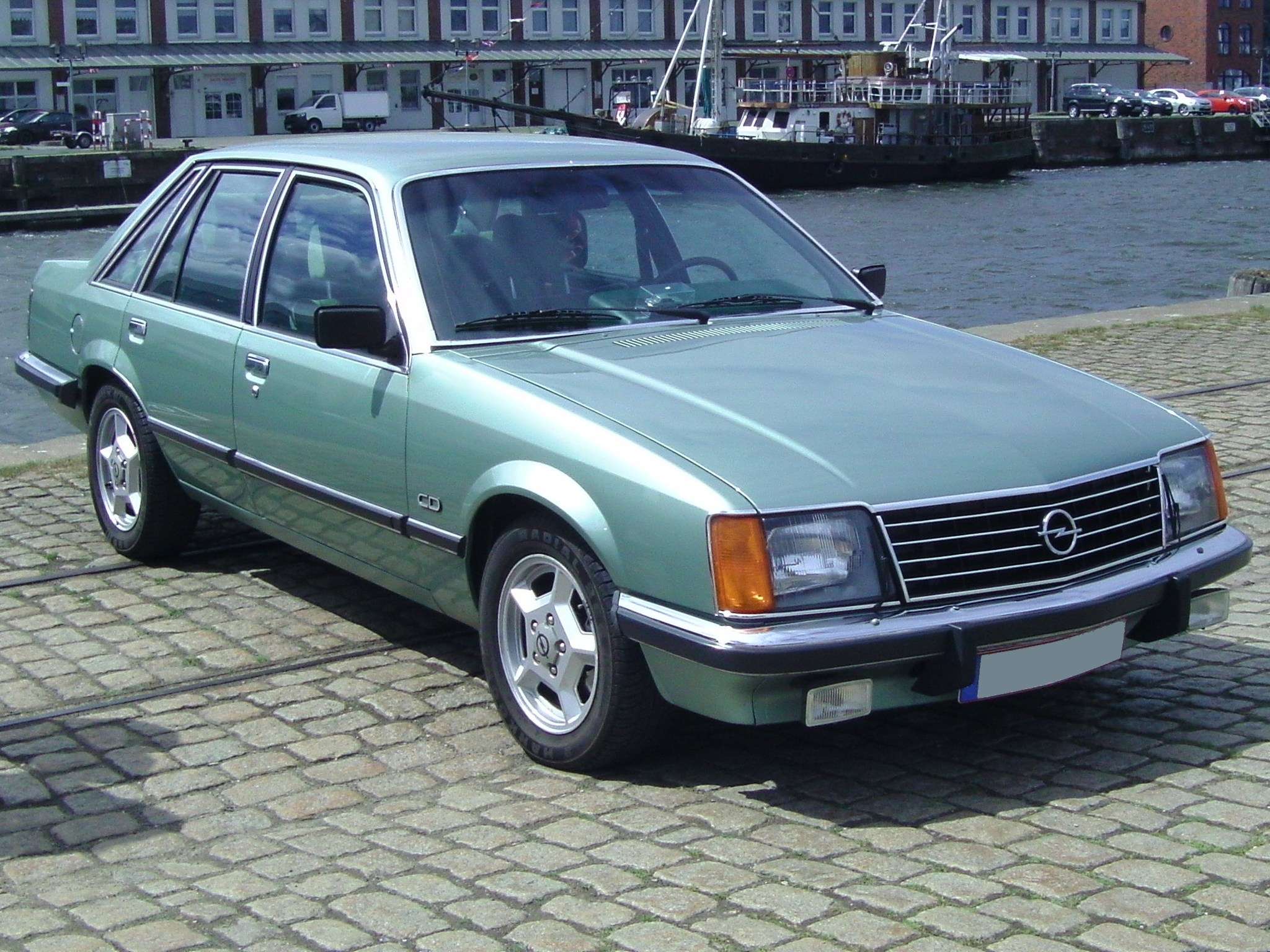
Vauxhall sold the Senator in Britain as the sister car to the Opel Senator. It sat at the top of the range, sharing its rear-wheel-drive architecture with the Opel Rekord/Omega family but using a longer, more luxurious body and six-cylinder engines. The Senator was introduced in 1978 after its 1977 Frankfurt debut, replacing Opel’s old Kapitän, Admiral and Diplomat tradition. Production ran until 1993.
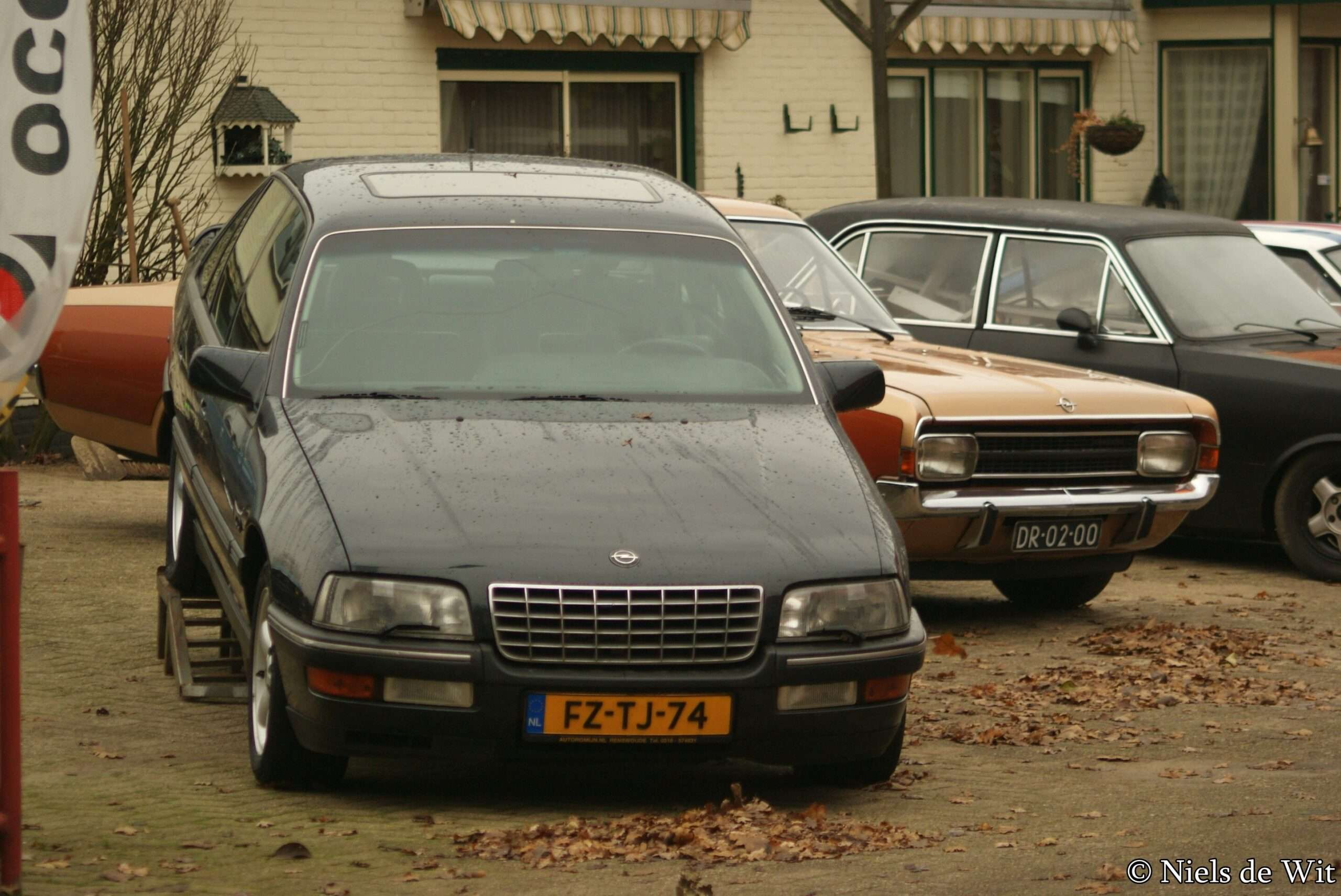
That broad description hides two rather different generations. The Senator A is the upright late-1970s and early-1980s saloon, closely related to the Monza GSE fastback. The Senator B, launched in the late 1980s, is the more aerodynamic, Omega-based executive saloon. Both retain the fundamental appeal: a long bonnet, a smooth six-cylinder engine and a relaxed long-distance manner.
Senator generations at a glance
| Generation | What to know | Why enthusiasts care |
|---|---|---|
| Senator A 1978–1986 | The original large saloon, available with 2.8- and 3.0-litre straight-six power. Facelifted cars are often described as A2. | Period executive presence, shared character with the Monza, and a traditional large-car driving experience. |
| Senator B 1987–1993 | Omega-based successor with more modern aerodynamics, improved refinement and a broader spread of six-cylinder versions. | A discreet 1980s/1990s flagship with genuine motorway ability and strong links to the later Carlton/Omega story. |
Engines and performance: do not generalise
Specifications differ by year, market, fuel system and transmission, so check the exact car rather than relying on a generic Senator figure. At launch, Opel offered a 2.8-litre six rated at 103kW/140PS, a 3.0-litre at 110kW/150PS and a 132kW/180PS 3.0-litre flagship. Later cars introduced different injection systems, emissions specifications and 24-valve versions. The point is not simply peak power: a healthy Senator should feel smooth, unstrained and willing to cruise, without overheating, misfiring or making the automatic gearbox work excessively hard.
For a prospective owner, the engine code, gearbox type and original market matter more than badge folklore. Obtain the VIN, compare it with factory information or an owners’ club record, and check that any engine swap or LPG conversion is documented, declared and insurable.
Senator, Monza, Carlton and Lotus Carlton: the family connection
The Senator is not a Monza with four doors, but the early cars share much of the same period GM character and six-cylinder identity. The Monza GSE guide is useful context for anyone drawn to the A-generation Senator’s chassis and engines. The later Senator B belongs to the same broad rear-drive executive lineage as the Carlton/Omega.
It is important not to confuse an ordinary Senator with a Lotus Carlton. The Lotus was a separate, highly developed twin-turbo halo car. For that story, specification and specialist buying checks, see our Lotus Carlton guide. A Senator can still be a wonderfully unusual executive classic without pretending to be one.
What to check before buying a Vauxhall Senator
1. Structure and corrosion come first
Do not be distracted by a polished bonnet or a smooth engine. Examine sills, floorpans, inner wings, suspension pick-up points, jacking areas, wheel arches, door bottoms, boot floor and windscreen surround. Look underneath with the car safely raised and assess previous repairs, not merely whether it has been undersealed. Water leaks can quietly damage floors, electrics and interior trim.
2. Cooling and straight-six health
Begin with a cold start. Watch for poor starting, uneven idle, blue smoke, oil leaks and excessive mechanical noise, then ensure the engine reaches temperature without climbing into danger. Check coolant condition, radiator condition, hoses, fan operation and evidence of routine servicing. A six-cylinder Senator should be smooth; an engine that shakes, hunts or overheats needs a proper diagnosis rather than optimistic additives.
3. Transmission, differential and propshaft
Manual and automatic cars can both be rewarding. On an automatic, check engagement from cold, smooth upshifts at light throttle and a clean kickdown. On a manual, inspect clutch action, gearbox synchros and driveline vibration. Listen for differential whine and universal-joint or propshaft noises. A tired car may still drive acceptably on a short test, so include varied speeds and load conditions.
4. Electrics, instruments and comfort equipment
Senators were equipped as flagships, which means more switches, modules and motors to test. Work through the heater controls, fan speeds, air conditioning where fitted, central locking, electric windows, mirrors, seats, sunroof, warning lamps, fuel gauge and instruments. A missing trim panel is not trivial when replacements are scarce; a non-working display may be repairable, but budget for specialist attention.
5. Interior completeness and originality
The correct seats, wheel, door cards, badging and dashboard pieces make a substantial difference to both enjoyment and future desirability. Treat period accessories carefully: some are valuable, while others conceal poor wiring or rushed modifications. Originality does not mean avoiding every upgrade—modern tyres, discreet security and sympathetic cooling improvements can make sense—but changes should be reversible and documented.
Which Senator should you choose?
Choose the car that best matches your use and parts confidence, not an internet hierarchy. An early Senator A offers the most overt 1970s executive character and suits an owner who enjoys period detail. A Senator B is usually the more modern-feeling long-distance proposition, but still needs careful structural and electrical assessment. A rare specification is worthwhile only if it is complete and its history is credible.
For many buyers, the sensible priority is: body and provenance first; complete interior second; drivetrain condition third; exact engine and equipment after that. The wrong project can consume the budget in trim searches and corrosion repairs long before the enjoyable mechanical work begins.
Ownership, parts and sensible upgrades
Mechanical service items may be less intimidating than the car’s rarity suggests because of shared GM lineage, but availability is not uniform. Research parts before purchase, particularly body panels, lamps, glass, interior trim, electronic components and model-specific suspension pieces. Owners’ clubs, marque forums and specialist breakers remain valuable sources of knowledge, but check provenance rather than assuming that an Opel or Vauxhall part is interchangeable.
Keep a file of invoices, photographs, MOT history and any factory literature. On a rare executive car, this evidence reassures the next owner and helps you understand what has already been restored. It also makes the guidebook figures and online discussions meaningful to the exact car you own.
Vauxhall Senator FAQ
Was the Vauxhall Senator rear-wheel drive?
Yes. Both generations used a rear-wheel-drive layout, which is central to their large executive-car character.
Is a Senator the same as a Monza?
No. The early Senator and Monza share a platform era and straight-six character, but the Monza is the fastback coupé while the Senator is the saloon.
Are Senators expensive to restore?
They can be, especially when corrosion, missing trim or neglected electrics are involved. A complete, structurally sound car is usually the least expensive route to ownership.
Research note: launch dates, production span and original Senator A engine outputs were checked against Opel/Stellantis heritage material. Exact specifications, equipment and values vary by year and market, so verify a particular car against its VIN and contemporary documentation.