The Vauxhall Viva is easy to dismiss as a modest 1960s family saloon. That is exactly why the fast HB models matter. The Brabham conversion and later Viva GT gave the compact, rear-wheel-drive Viva a sporting personality years before Vauxhall’s better-known hot hatches and turbo saloons.
This Vauxhall Viva GT and Brabham buying guide explains the difference between the 1.2-litre Brabham 90 and the 2.0-litre Viva GT, how to authenticate one, and the structural checks that matter before buying.
Quick answer: Brabham or Viva GT?
Buy on condition, structure and documentation first. A sound, complete HB is more valuable than a shiny car with an uncertain identity. The Brabham is a light, tuned 1,159cc Viva; the GT is a separate 1,975cc performance model. Stripes, a black bonnet, twin carburettors or a modified engine alone do not prove a car is genuine.
The HB Viva: the starting point
The HB Viva arrived in 1966, replacing the HA. Its compact two-door body, ‘Coke-bottle’ side profile, front engine and rear-wheel drive make it an engaging small classic, but it needs the same careful structural scrutiny as any British car of the period.
What was the Viva Brabham?
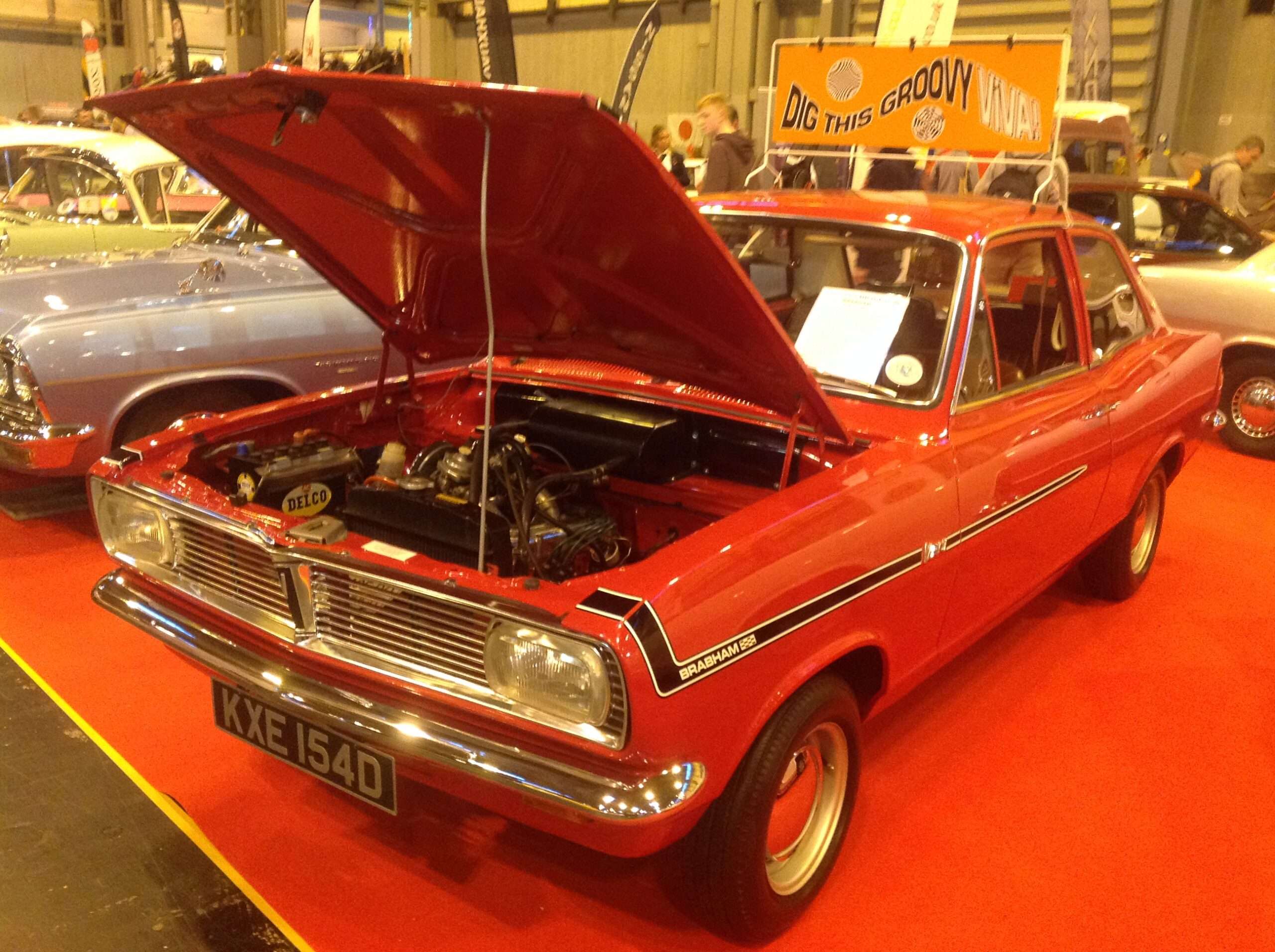
The Brabham name was attached to the Viva 90 and a dealer-fitted performance conversion. Period testing records twin Stromberg carburettors, manifolding and a special exhaust as the core kit. It was available only on the 1,159cc Viva 90 and was quoted at about 69bhp.
This detail is crucial when buying. The same period report describes a separate modified-cylinder-head conversion, which lifted the tested car to around 78bhp. It was not standard Brabham equipment. A claimed Brabham should therefore be judged on period paperwork, its engine and induction specification, correct trim and a coherent history—not simply on visual cues.
The 1968 Viva GT: a different proposition
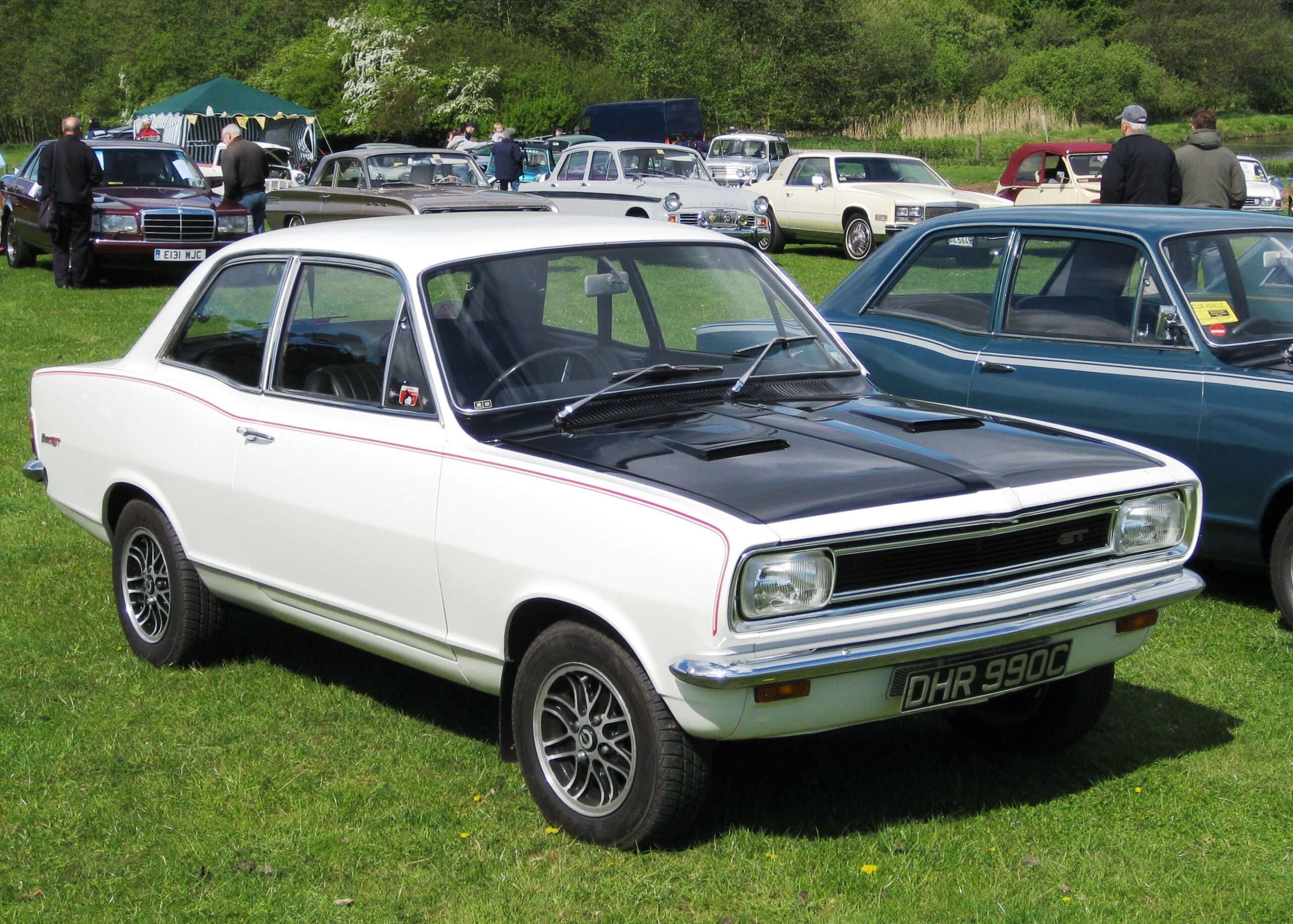
The Viva GT replaced the Brabham at the top of the HB range in 1968, but it was far more than a Brabham with badges. Its 1,975cc twin-Stromberg, overhead-cam four-cylinder engine came from the Victor range and produced 104bhp. With a four-speed manual, rear-wheel drive, front discs and a much stronger performance character, it was a genuine 100mph sporting saloon.
Early GTs are often recognised by their matt-black bonnet treatment and twin exhaust system with four outlets. Later cars differ in detail, so compare a prospective purchase with marque records and period images rather than relying on one feature. The GT’s scarcity makes correct mechanical parts, trim and documentation unusually important.
Rust and bodywork: inspect before admiring the paint
On any HB Viva, structure matters more than cosmetics. Inspect sills, floors, inner wings, suspension mounting areas, front valance, wheelarches, boot floor, rear-spring and axle locations, screen surrounds and every visible previous repair. Fresh underseal, thick seam sealer and poor panel alignment are reasons to investigate, not automatic reasons to walk away.
A restored Viva can be a sensible buy when the work is photographed and supported by invoices. The danger is an old restoration with no evidence of what lies beneath. Use a torch, inspect from underneath and consider a Viva specialist or experienced classic-car inspector before committing.
Engine, gearbox and running-gear checks
Start from cold, listen for mechanical noise and confirm that the car reaches temperature without leaks or overheating. On a GT, the twin-carburettor installation, linkage, manifolding and cooling should look original or professionally executed. On a Brabham, ask exactly what has been fitted and when; a correctly documented recreation can be enjoyable, but it must be described and valued honestly.
During the drive, check the four-speed gearbox, clutch, steering response, brakes and rear-axle noise. Tyres, dampers, bushes, wheel bearings and brake components are routine classic-car work, yet a light rear-drive Viva quickly reveals tired parts. Retain removed original components whenever long-term authenticity matters.
Viewing checklist
- Confirm whether it is a genuine Brabham, Viva GT, standard HB or a later recreation.
- Check chassis and engine details against registration documents, old photographs and invoices.
- Inspect structure before discussing paint, stripes or rare trim.
- Assess carburettors, exhaust, wiring and cooling for quality and correctness.
- Drive from cold and test braking, steering, gearbox and rear-axle behaviour.
- Value completeness: GT and Brabham-specific parts can be harder to replace than routine service items.
Related Vauxhall guides
- Rare & Performance Vauxhalls hub
- Vauxhall Firenza HPF Droopsnoot guide
- Vauxhall Manta guide
- Vauxhall VX220 buying guide
Viva GT and Brabham FAQ
What is the difference between a Viva Brabham and a Viva GT?
The Brabham was a Viva 90 with a dealer performance conversion centred on the 1,159cc engine. The later GT was a separate 1,975cc twin-carburettor overhead-cam model with 104bhp.
Are Viva GTs and Brabhams rare?
Both are scarce compared with ordinary HB Vivas. Verify a survivor carefully because engines, induction systems, badges and trim can change over decades.
Research note: chronology and core specifications were checked against period Motor Sport reporting, the FIA’s Viva GT record and established Viva marque sources. Verify an individual car’s identity before purchase.