
Quick answer: the Peugeot 104 ZS was the sporting three-door version of Peugeot’s tiny 104. Launched during the 1970s, it combined low weight with increasingly lively engines; the limited ZS2 became its most concentrated expression and helped establish the thinking later perfected by the 205 GTI.
Where the Peugeot 104 came from
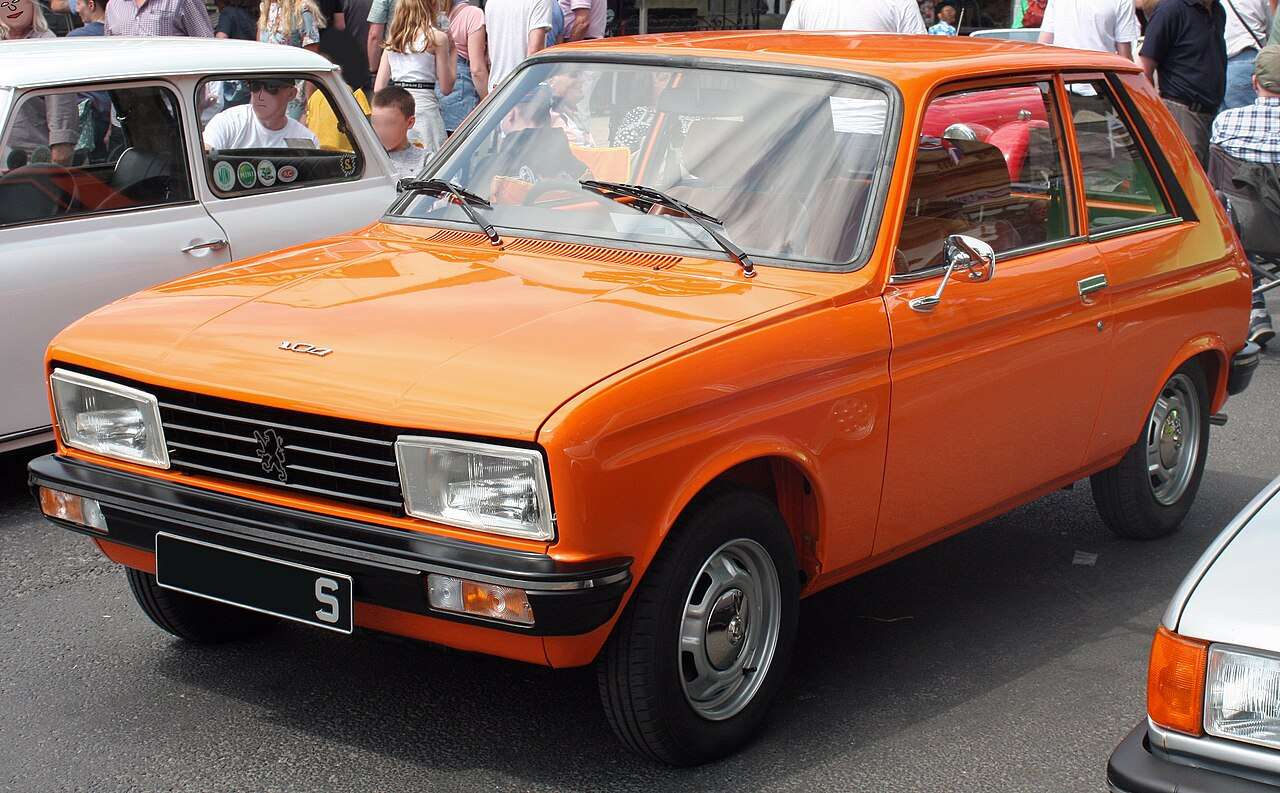
Introduced in 1972, the 104 was Peugeot’s first modern small car and one of the most compact four-door saloons of its period. The shorter three-door Coupé arrived in 1974. Its wheel-at-each-corner proportions, transverse engine and front-wheel drive gave Peugeot a useful base for a sporting derivative without sacrificing everyday economy.
The ZS followed in 1976. It was not simply a trim package: stronger engines, close attention to weight and suitably restrained visual changes made it a credible small performance car before the term hot hatch had become firmly established.
ZS, ZS Rallye and ZS2
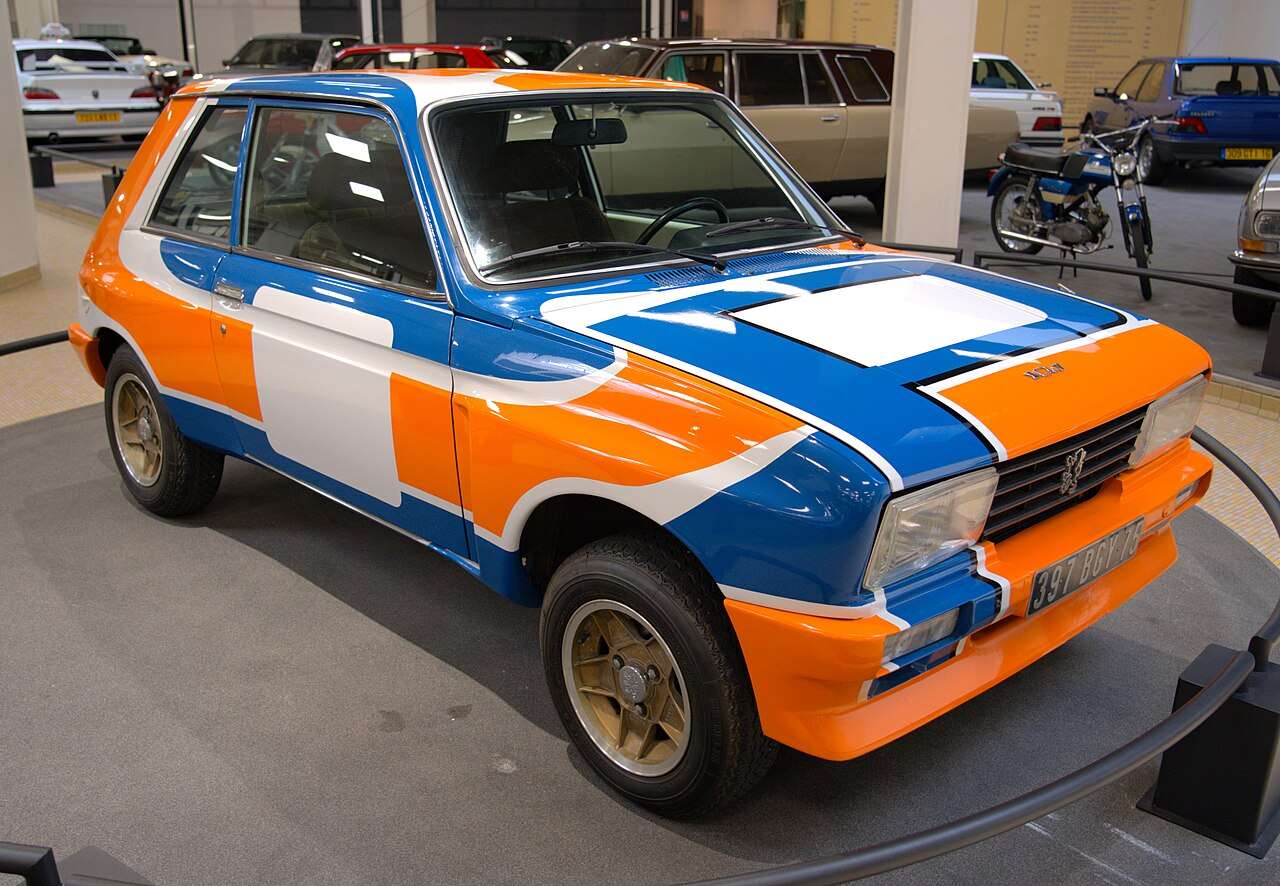
Early ZS models used the 1,124cc XW engine and were valued more for response and agility than outright power. Peugeot progressively developed the range, including Rallye versions for competition-minded owners. The rare ZS2 used a 1,360cc engine producing approximately 93PS and weighed only a little over 700kg. Peugeot’s heritage material records that 1,000 ZS2 examples were produced for homologation.
Figures differ by year and market, so a surviving car should be identified from its chassis number, engine code, original documents and market specification rather than badges alone.
Why it mattered
The 104 ZS demonstrated the formula Peugeot would later make famous: modest dimensions, an eager naturally aspirated engine, low mass and a chassis that rewarded momentum. It also provided a competition route through Group 1 and later homologation activity. The 205 GTI was more powerful, polished and commercially successful, but the philosophy was already visible in the 104.
Love cars you don’t see every day?
Get forgotten cars, surprising motoring stories and the most interesting finds from Unusual Cars by email.
Free to join. No spam. Unsubscribe whenever you like. See our privacy policy.
Driving character and engineering
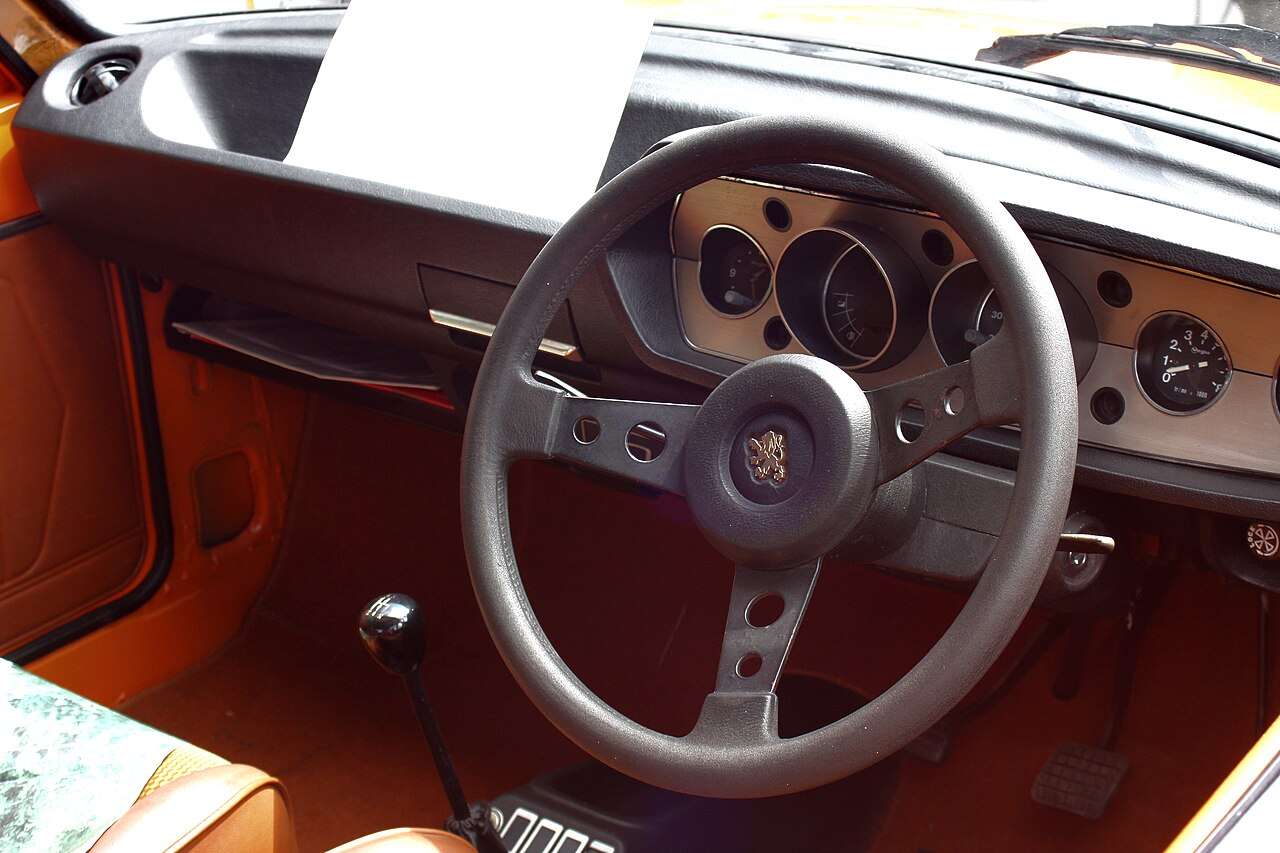
The ZS’s appeal came from lightness rather than excess. Unassisted steering, compact dimensions and a relatively simple drivetrain made its responses immediate. Performance specifications evolved, but the best cars feel alert rather than merely fast. The trade-off is that motorway refinement, braking and crash protection belong to another era.
Survival, originality and preservation
Rust is the central concern. Inspect sills, floors, suspension mounting points, wheelarches, door bottoms and the spare-wheel area. Cars may have been repaired repeatedly or converted for competition. Mechanical service parts can be manageable, but correct trim, badges, upholstery and ZS-specific components are much harder to replace.
Because the ZS2 is scarce, claims of authenticity require documentary evidence. A well-preserved ordinary ZS is preferable to an incomplete car wearing valuable badges.
Frequently asked questions
Was the Peugeot 104 ZS the first hot hatch?
It was one of the important early examples, although the label is contested. Its combination of a practical hatchback body, low weight and sporting specification clearly anticipated the later formula.
How is the ZS2 different?
The ZS2 was the limited homologation derivative with a 1,360cc engine producing about 93PS, wider arches and a more focused specification. Peugeot states that 1,000 were made.
Did the 104 lead directly to the 205?
The cars are separate designs, but the 104 established Peugeot’s small front-wheel-drive range and the ZS demonstrated the lightweight sporting approach developed so successfully by the 205 GTI.
Continue the Peugeot story
Browse the Rare & Performance Peugeots hub, then continue with the Peugeot 205 guide and Peugeot 106 guide.
Research note: production chronology, ZS development and ZS2 homologation figures were checked against Peugeot/Stellantis heritage material. Specifications varied by year and country.