
Quick answer: The Peugeot 607 was the marque’s flagship saloon from 1999 to 2010, replacing both the 605 and, in spirit, the 604. Its most characterful versions used the 3.0-litre ES9 V6, combining understated styling with long-distance comfort and unusually generous equipment.
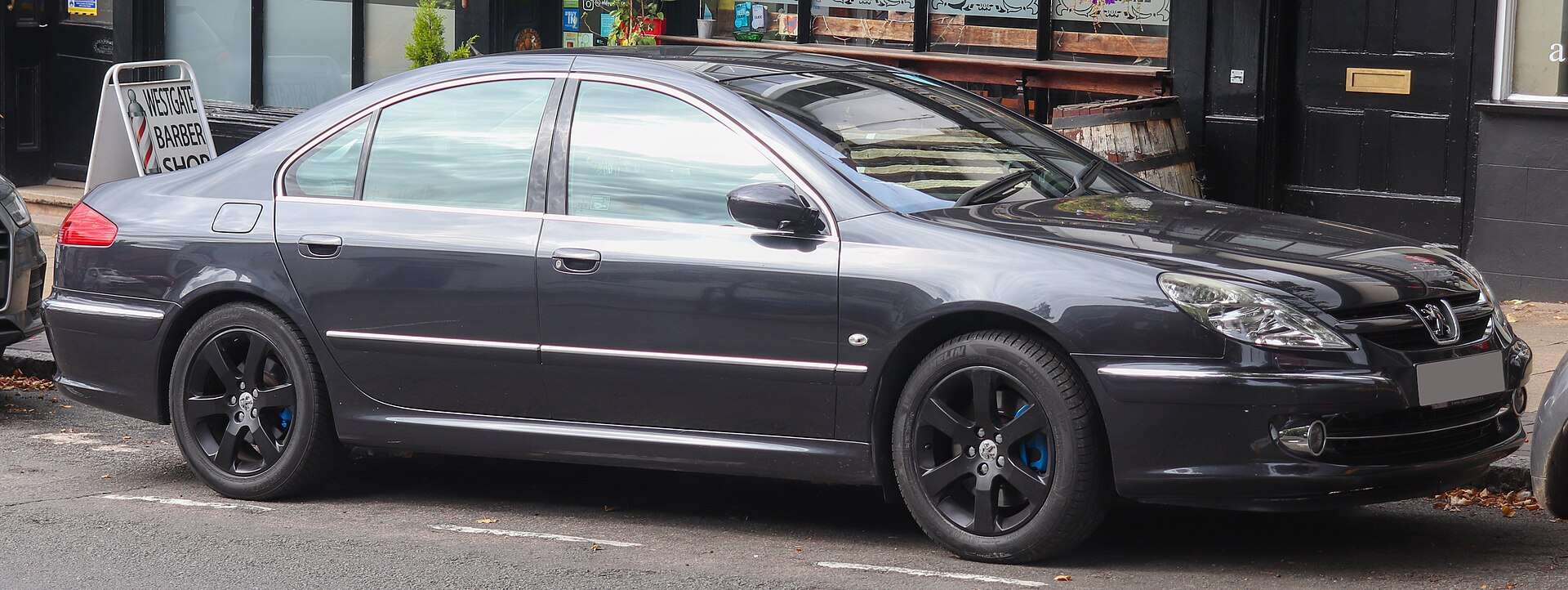
Peugeot’s final traditional flagship
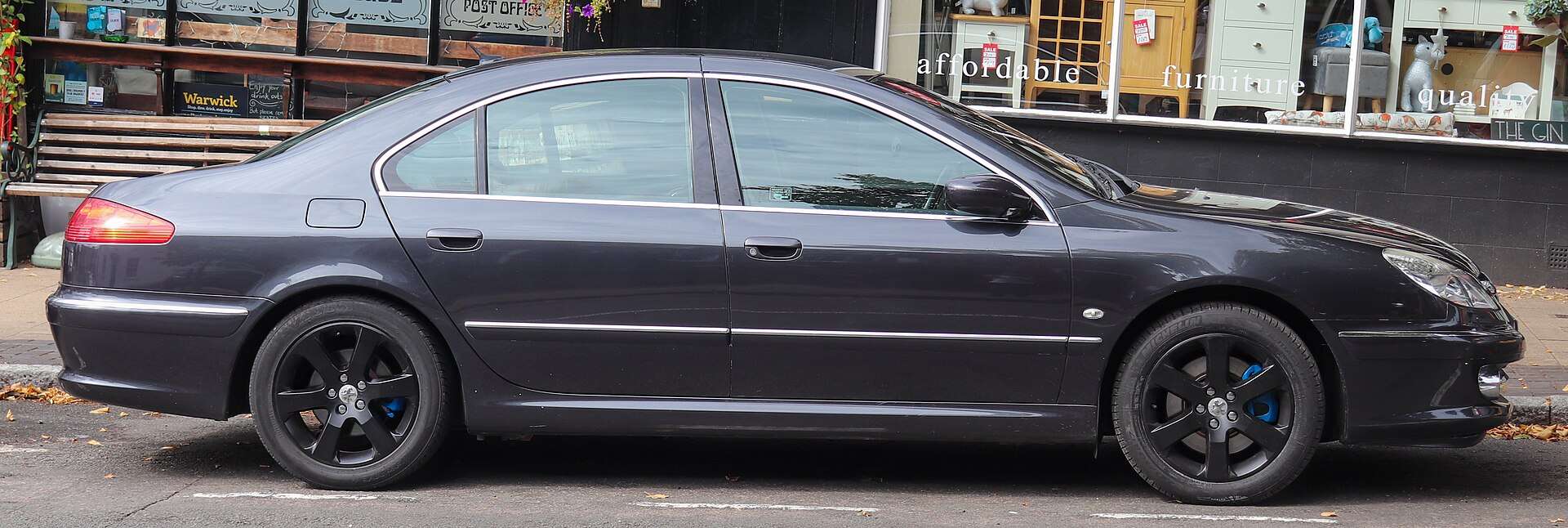
The 607 was unveiled in 1999 and entered production as Peugeot’s large executive saloon. It used an extensively developed version of the 605 platform but looked entirely new, with a long wheelbase, flowing roofline and a cabin designed around comfort rather than sporting aggression.
Equipment was a major part of the proposition. Depending on specification, buyers could find leather upholstery, electric seats, climate control, navigation, JBL audio, cruise control and numerous safety systems. That complexity now makes condition and diagnostic history especially important.
V6 petrol and diesel models
The 2,946cc ES9 petrol V6 is the enthusiast choice, smooth and characterful rather than brutally fast. Later examples benefited from detail revisions and a six-speed automatic in some markets. Peugeot also offered four-cylinder HDi diesels and the 2.7-litre twin-turbo V6 HDi developed within the PSA–Ford programme. Specifications differed by country and year.

Why it is becoming unusual
The 607 arrived when traditional French executive cars were losing ground to German premium brands and SUVs. Depreciation later made complex cars inexpensive, and many were retired when suspension, electrical or emissions-related repairs exceeded their value. A complete, maintained V6 is consequently much rarer than production totals suggest.
Love cars you don’t see every day?
Get forgotten cars, surprising motoring stories and the most interesting finds from Unusual Cars by email.
Free to join. No spam. Unsubscribe whenever you like. See our privacy policy.
What ownership demands
Check timing-belt history on applicable engines, cooling-system condition, automatic transmission behaviour, suspension wear and every electrical function. Warning lights must be diagnosed, not simply cleared. On diesels, verify the emissions system, turbocharging and service record; on V6 petrol cars, allow for access-intensive maintenance and fuel consumption.
Body corrosion is not normally the first concern, but inspect the underside, jacking points, brake pipes and accident repairs. Correct lights, trim, displays and electronic modules can be harder to source than routine service parts.
Frequently asked questions
Did the 607 replace the 605?
Yes. It became Peugeot’s flagship saloon and continued the lineage established by the 604 and 605.
Which 607 is most interesting?
The petrol V6 offers the strongest traditional flagship character, while the V6 HDi is technically interesting. Condition and maintenance matter more than trim level.
Was there a 607 Coupé?
No production coupé was offered. The 607 remained a four-door saloon, although Peugeot displayed related concepts.
Continue the Peugeot story
Explore the Peugeot hub, 604 and 605.
Research note: chronology and powertrain information were checked against Peugeot/Stellantis heritage and contemporary technical material.