UNUSUAL CARS MODEL GUIDE
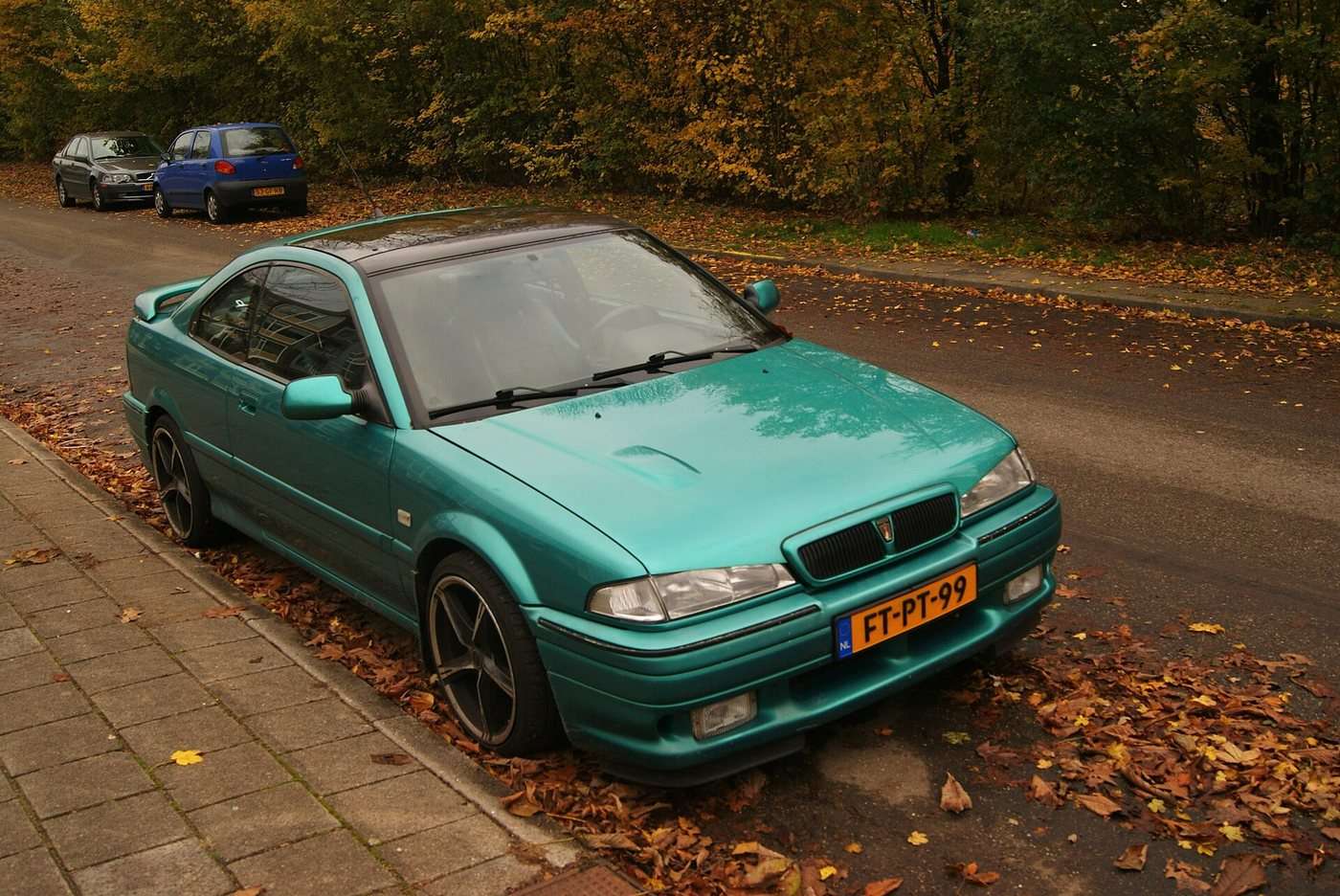
The Rover 220 Coupé Turbo was the 200PS flagship of the R8-based Rover Coupé range launched at the 1992 Paris Motor Show. Known by its Tomcat project nickname, it combined a distinctive split removable glass roof with a turbocharged and intercooled 2.0-litre T-series engine, five-speed manual gearbox and Torsen limited-slip differential.
Quick answer: The 220 Turbo is one of the fastest production Rovers of its period, with factory claims of 0–60mph in 6.2 seconds and 150mph. Survivors require close inspection for corrosion, roof leaks, cooling and turbo faults, gearbox wear, torque-related drivetrain damage and poor-quality modifications.
The Tomcat project
Rover developed coupé, cabriolet and tourer derivatives of the R8 200 independently alongside its wider Honda collaboration. The coupé appeared in 1992 with 1.6-litre, naturally aspirated 2.0-litre and turbocharged 2.0-litre engines. Its long glasshouse and removable two-piece roof created an identity far removed from the five-door hatchback.
T-series turbo performance
The 1,994cc twin-cam T-series used turbocharging and intercooling to produce 200PS. Period factory information described it as the most powerful production Rover yet. The Torsen differential helped deploy that output, but traction, torque steer and the condition of driveshafts and engine mounts remain important on a powerful front-wheel-drive car.

Roof, trim and model identity
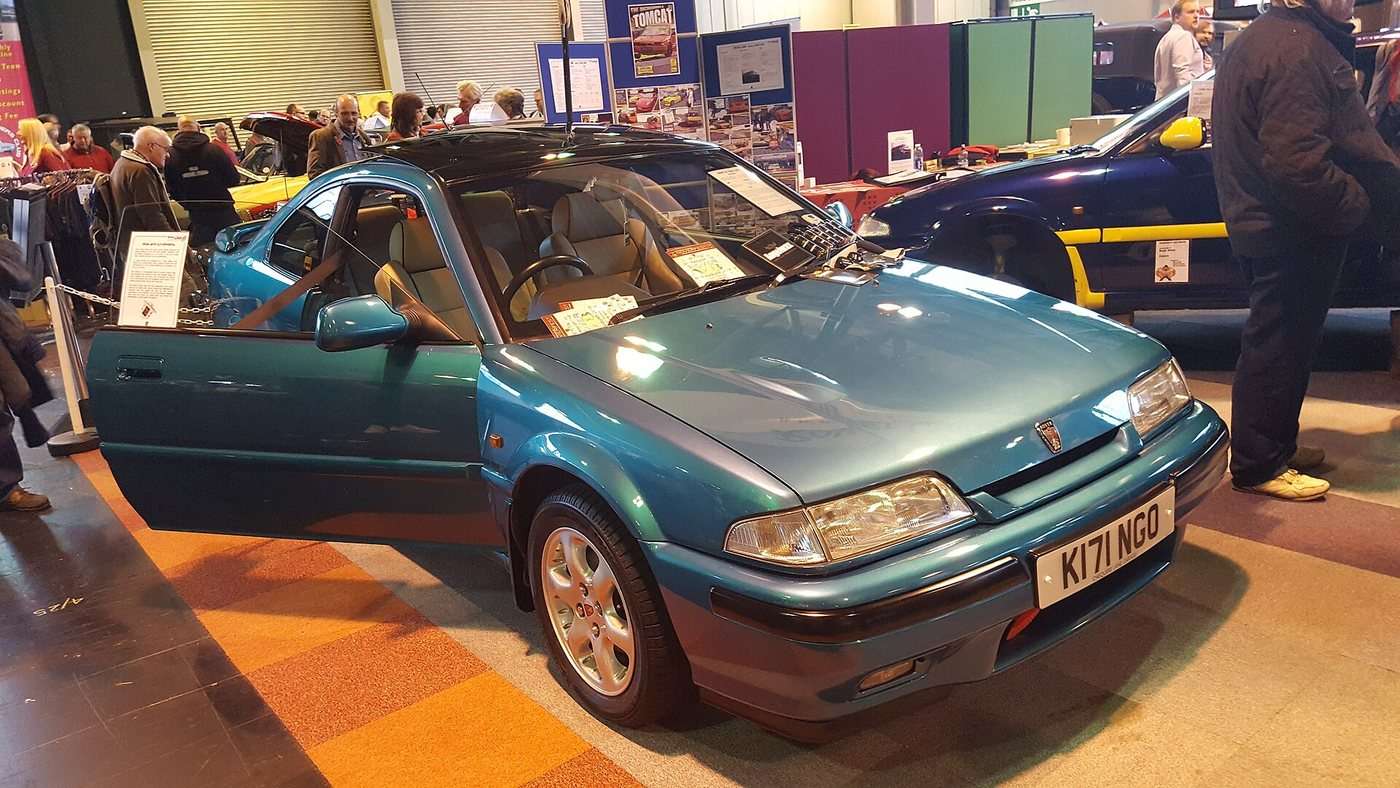
The split glass roof panels should lift out, seal correctly and retain their proper storage arrangement. Inspect seals, drains, headlining and carpets for leaks. Spoilers, wheels and lamps alone do not prove Turbo identity because lesser cars could acquire them; confirm the VIN, engine, drivetrain, brakes and original specification.
Love cars you don’t see every day?
Get forgotten cars, surprising motoring stories and the most interesting finds from Unusual Cars by email.
Free to join. No spam. Unsubscribe whenever you like. See our privacy policy.
Engine, turbo and cooling checks
Start the engine from cold and look for smoke, coolant loss, oil contamination, unstable temperature or uneven boost. Inspect the turbo oil supply, intercooler and hoses, radiator, fans and all vacuum connections. Modified boost control or undocumented mapping can hide detonation and head-gasket risk, so supporting invoices matter.

Gearbox and limited-slip differential
The five-speed gearbox must shift cleanly without bearing whine, crunching or jumping out of gear. Test the clutch under full torque and listen for worn CV joints and mounts. The Torsen differential should operate unobtrusively; incorrect oil, tyre mismatch or previous abuse can complicate diagnosis.
Body and chassis
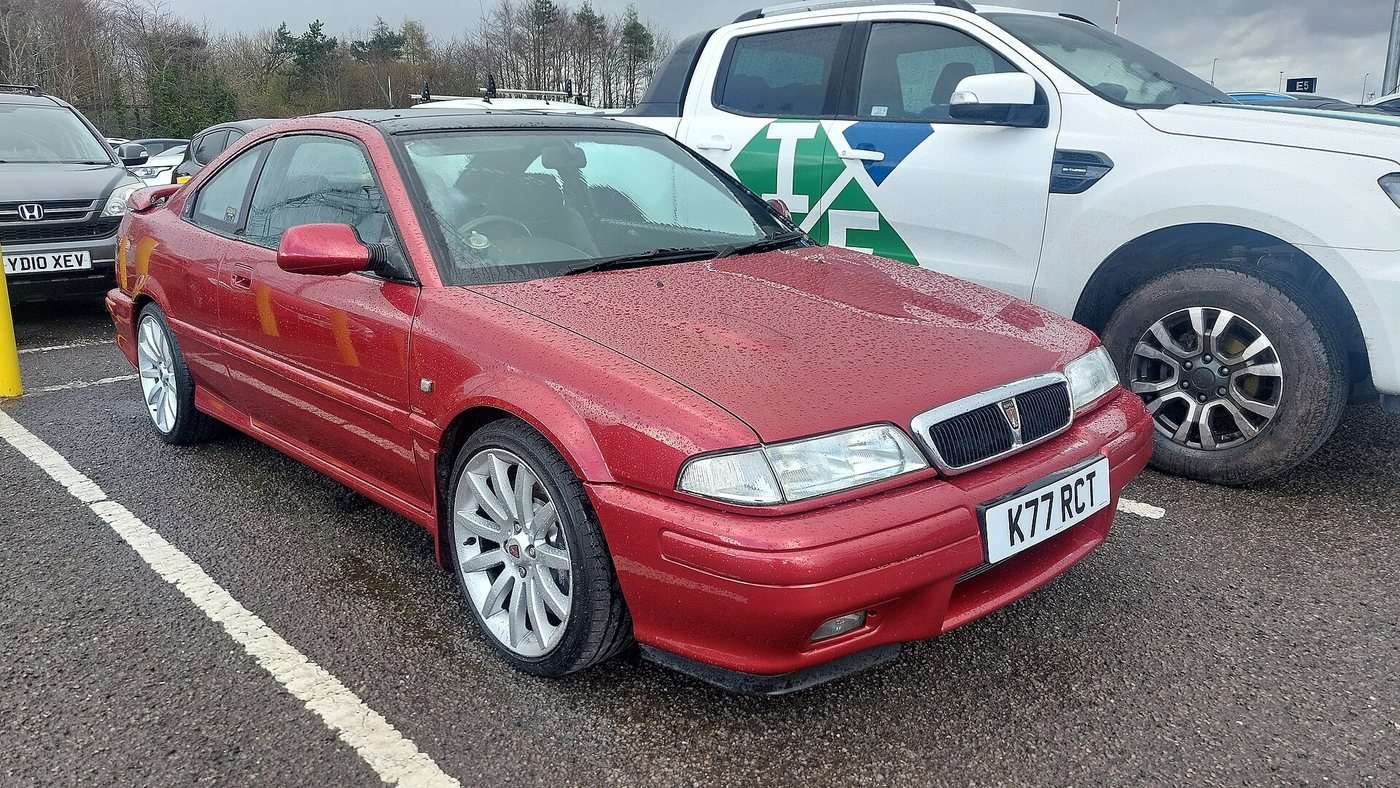
Inspect sills, floor edges, rear arches, front inner wings, suspension mounts, subframes and the windscreen and roof surrounds. Check panel fit and paint transitions for accident repair. The suspension should feel controlled, while tired bushes, dampers, brakes or mismatched tyres can make a fundamentally capable car feel unruly.
Standard versus modified cars
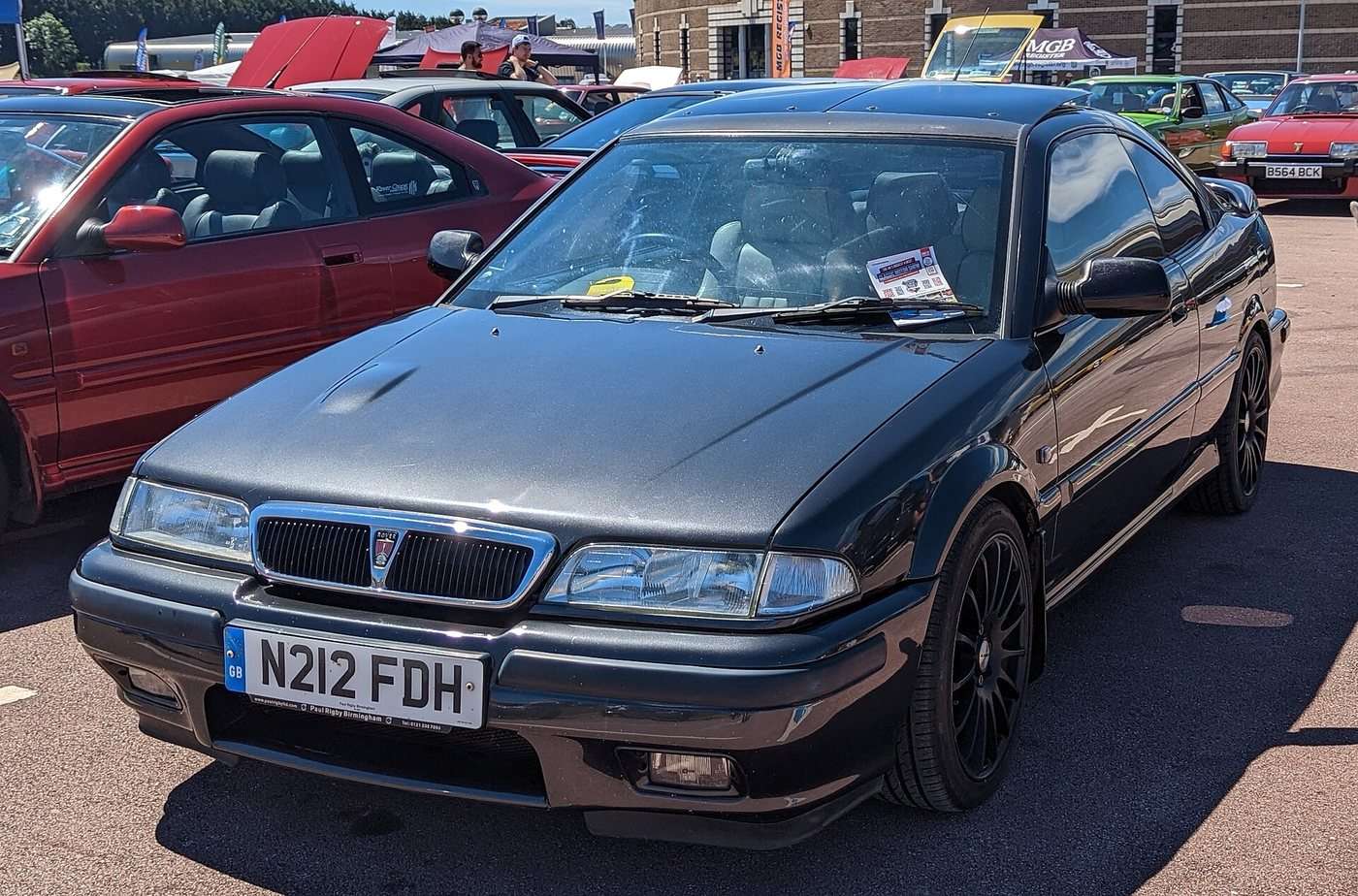
The Tomcat has long attracted tuning. Sensible, documented work is not automatically undesirable, but large turbochargers, crude lowering, manual boost controllers and unknown engine management increase risk. A standard or reversible car generally offers stronger provenance and a clearer representation of Rover’s original engineering.
Key specifications
| Area | Specification | Buyer focus |
|---|---|---|
| Engine | 1,994cc 16-valve T-series turbo, intercooled | Boost, cooling, oil supply and modifications |
| Output | 200PS factory figure | Verify standard management and engine condition |
| Performance | Factory claim: 0–60mph 6.2 sec; 150mph | Tyres, brakes and chassis condition |
| Transmission | Five-speed manual with Torsen limited-slip differential | Clutch, gearbox, mounts and driveshafts |
Research sources
- Original Rover Coupé launch information
- Rover Coupé Owners Club Series I specification
- AA Rover Coupé road test
Continue the MG and Rover story
Explore the Rare & Performance MG and Rovers hub, then read MG ZR 160 guide and Rover 200 BRM guide.
Frequently asked questions
Why is the Rover 220 Coupé called Tomcat?
Tomcat was Rover’s project codename for the R8-based coupé and became the enthusiast nickname.
How powerful is the Rover 220 Coupé Turbo?
Rover quoted 200PS for the turbocharged 2.0-litre T-series engine.
How fast is the Rover 220 Turbo Coupé?
Factory launch information quoted 0–60mph in 6.2 seconds and a 150mph top speed.
Does the Rover 220 Turbo have a limited-slip differential?
Yes, the Turbo used a Torsen Type-A limited-slip differential.
What should buyers check first?
Verify identity, corrosion, roof leaks, cooling and boost operation, gearbox and clutch health, and the quality of modifications.