
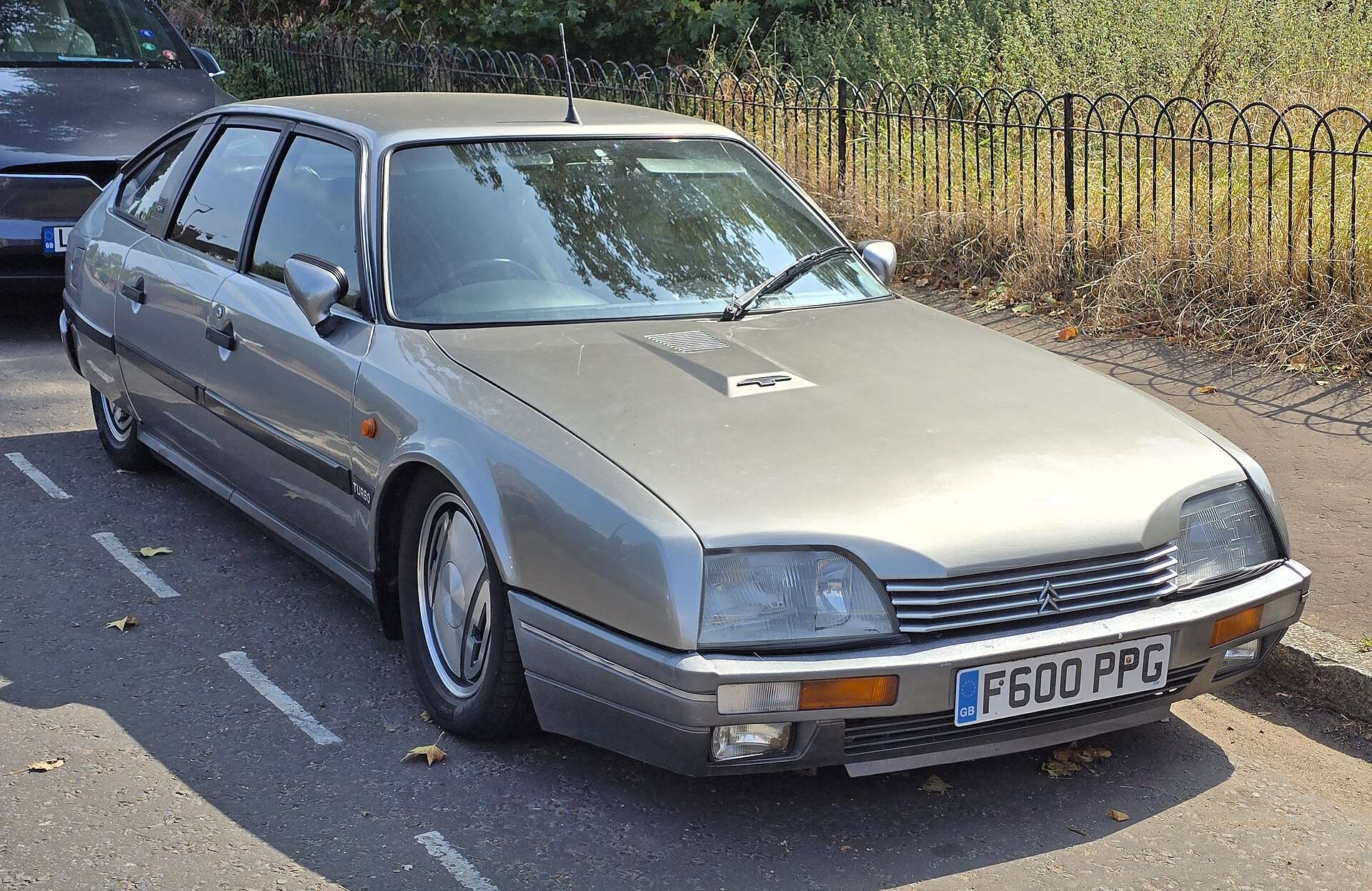
The Citroën CX GTi Turbo applied forced induction to one of Europe’s most distinctive executive cars without sacrificing its hydraulic character.
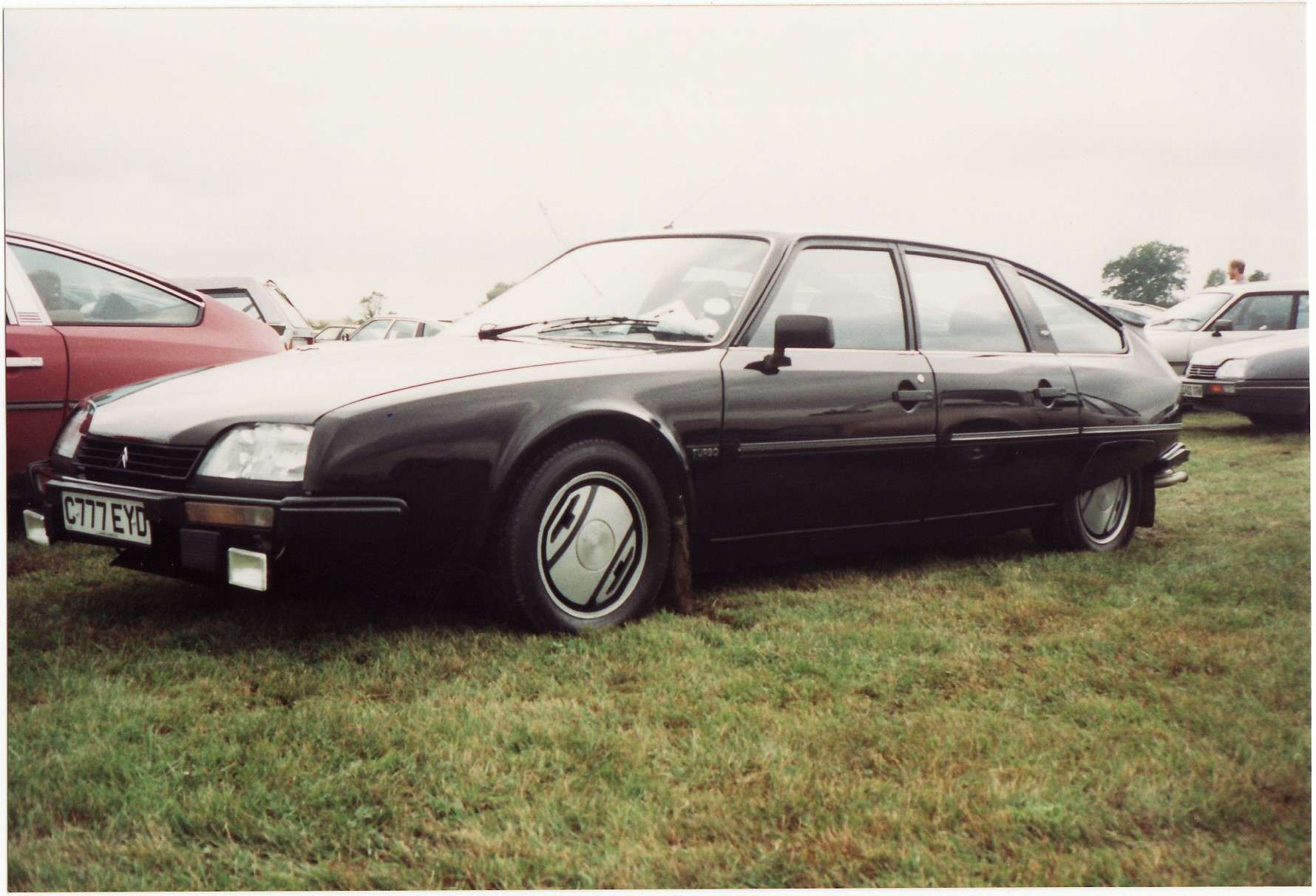
The CX replaced the DS in 1974 and remained in production until 1989, with 1,042,460 built. The GTi Turbo arrived in the 1980s as the performance flagship; the intercooled Turbo 2 followed.
History and development
The turbocharged 2.5-litre four-cylinder produced about 168 bhp. Citroën quoted roughly 220 km/h for the original and 223 km/h for the more efficient intercooled Turbo 2.
Engineering and character
DIRAVI self-centring steering, hydropneumatic suspension and powerful brakes made the CX unlike its German rivals. Turbocharging added effortless mid-range speed to its aerodynamic body.
Love cars you don’t see every day?
Get forgotten cars, surprising motoring stories and the most interesting finds from Unusual Cars by email.
Free to join. No spam. Unsubscribe whenever you like. See our privacy policy.

Models and versions explained
Series 1 cars retain chrome details and the original dashboard; Series 2 introduced plastic bumpers and a revised cabin. GTi Turbo, Turbo 2 and long-wheelbase Prestige models serve different priorities.
What it is like to drive
The CX is supremely stable and comfortable at speed. Turbo lag and very direct steering demand acclimatisation, after which it becomes a memorable cross-country car.
Ownership and preservation
Check structural corrosion, rear subframe areas, hydraulic pipes, spheres, cooling, turbocharger and electrical functions. Correct tyres and geometry strongly influence the handling.
Condition, history and originality matter more than headline mileage. Confirm the identity from chassis records, inspect the structure on a lift and budget for preventative work. Specialist knowledge is particularly valuable where Citroën’s hydraulics, electronics or rare model-specific components are involved.
Why it matters now
The GTi Turbo represents the point where Citroën’s traditional hydraulic flagship met 1980s performance culture, creating a fast saloon with no close substitute.
Frequently asked questions
How powerful is the CX GTi Turbo?
The 2.5-litre turbo engine produces approximately 168 bhp.
What changed on the Turbo 2?
An intercooler improved charge cooling, efficiency and sustained performance.
Does it have DIRAVI steering?
Yes, the speed-sensitive self-centring system is central to the CX experience.
How fast is it?
Citroën quoted around 220 km/h for the Turbo and 223 km/h for the Turbo 2.
Is it difficult to maintain?
Not with a knowledgeable specialist, but corrosion and accumulated hydraulic or electrical neglect can be expensive.
Continue the Citroën story
Browse the Rare & Performance Citroëns hub, read our BX 4TC guide or discover the 10 Things Saxo VTR/VTS feature.
Research note: Dates, production totals and technical specifications were checked against Citroën/Stellantis heritage sources and contemporary model documentation. Equipment and outputs varied by market and year.
