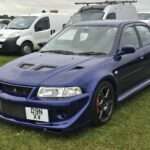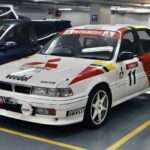
UNUSUAL CARS MODEL GUIDE
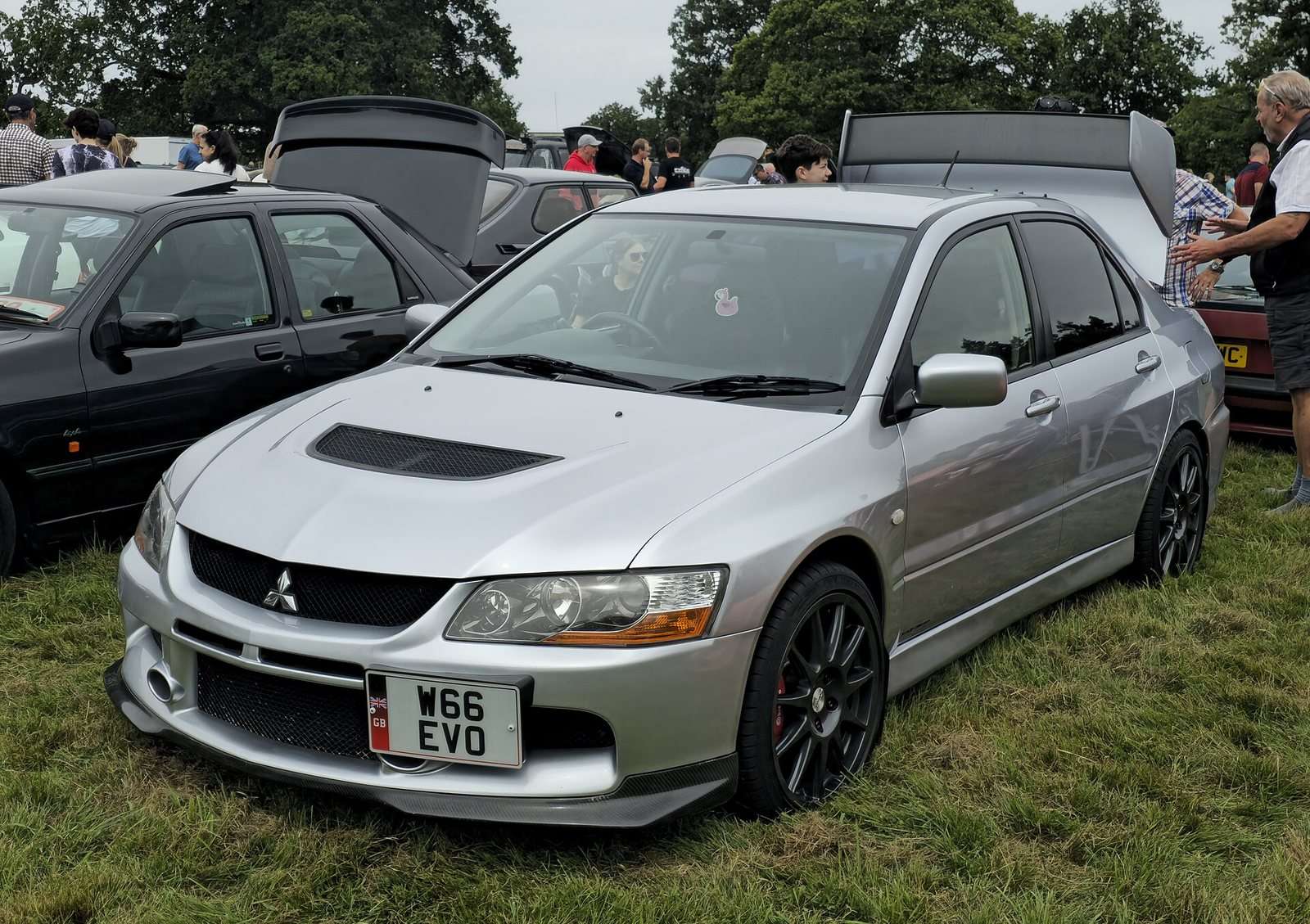
The Mitsubishi Lancer Evolution IX is the 2005–2007 final development of the 4G63-powered Evo saloon. It added MIVEC variable valve timing, revised aerodynamics and sharper response while retaining the Active Centre Differential, Super AYC and rally-bred four-wheel-drive character of the Evo VIII.
Quick answer: the Evo IX is desirable because it combines the mature CT9A chassis with the last road-car version of Mitsubishi’s iron-block 4G63 turbo engine. Buy on identity, structure, maintenance and quality of modifications—not on an FQ badge or a dyno claim alone.
Why the Evo IX matters
Mitsubishi launched the Evo IX in Japan in March 2005. Its new front bumper improved cooling, the rear gained a diffuser form and the hollow carbon-fibre spoiler reduced weight. More important was the first use of MIVEC on a turbocharged Lancer Evolution, varying inlet-valve timing to broaden torque and improve response.

4G63 MIVEC engine and drivetrain
The two-litre 4G63 remained nominally rated at 280PS in Japan, reflecting the period’s voluntary ceiling, but torque and response improved. Japanese GSR cars used a six-speed manual; the RS and new GT used a stronger five-speed. ACD varied centre-differential locking, while Super AYC actively apportioned torque across the rear axle.
| Version | Gearbox | Purpose |
|---|---|---|
| GSR | Six-speed manual | Full road specification with ACD and Super AYC |
| GT | Five-speed manual | GSR comfort with the RS driveline |
| RS | Five-speed manual | Lighter competition base; equipment varies |
| MR | Five- or six-speed by grade | Final development with revised turbo and Eibach springs |

FQ-300, FQ-320, FQ-340 and FQ-360
Britain received Ralliart-backed FQ derivatives with power figures incorporated into their names. The sequence is useful shorthand, but specification can be muddied by later upgrades, replacement engines and copied badging. Evidence from the original invoice, service record, engine-control hardware and specialist inspection is more persuasive than decals.
Evo IX MR and the rare Wagon
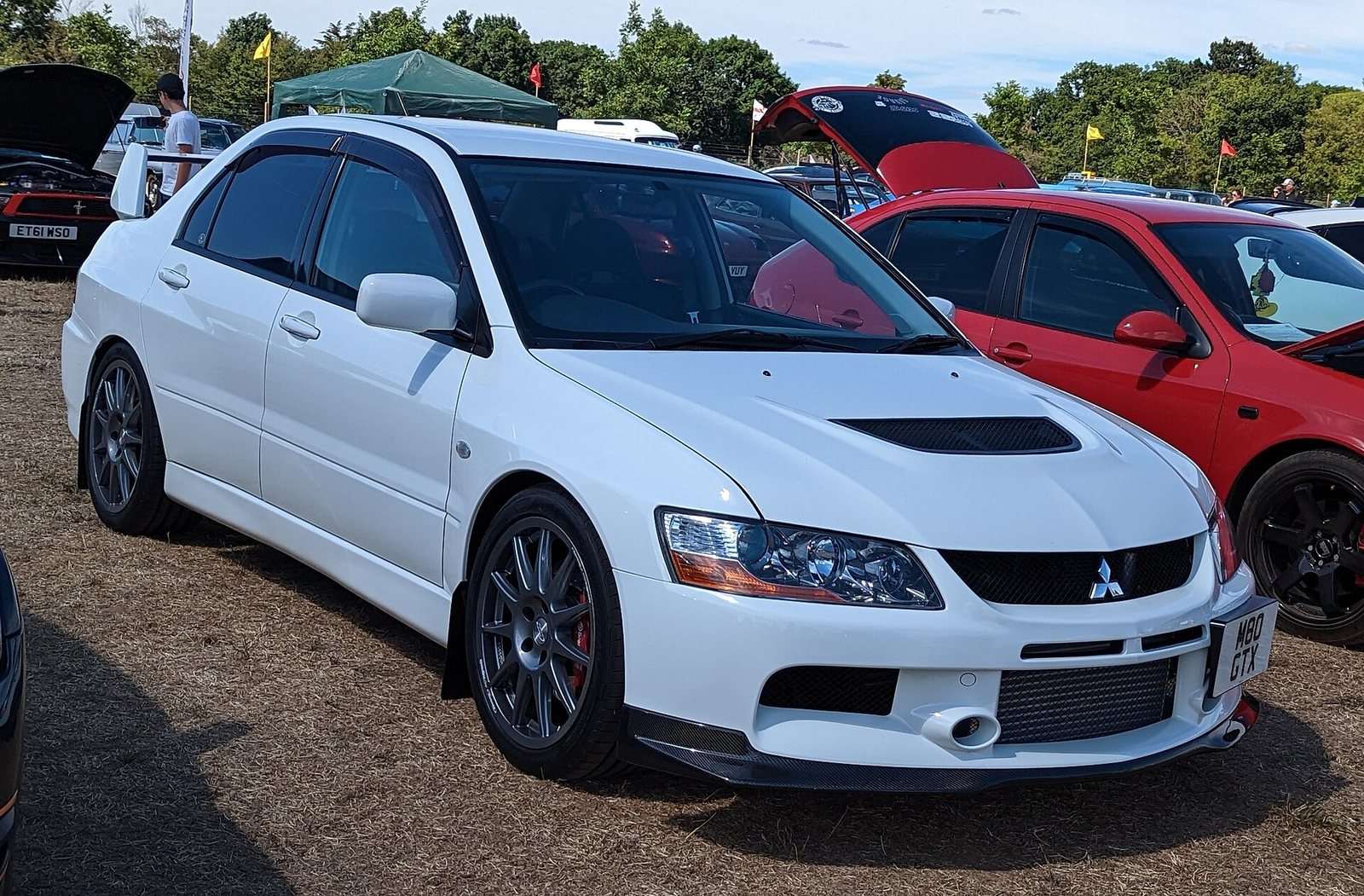
The 2006 MR brought detail refinements including Eibach springs and a lighter, more responsive turbocharger assembly. Mitsubishi also created the factory Evo IX Wagon for Japan. The wagon used the Evolution’s turbocharged drivetrain in the practical Lancer estate shell; GT and GT-A forms mean both manual and automatic examples exist.

Love cars you don’t see every day?
Get forgotten cars, surprising motoring stories and the most interesting finds from Unusual Cars by email.
Free to join. No spam. Unsubscribe whenever you like. See our privacy policy.
Mitsubishi Evo IX buying guide
Identity and modifications
Decode the CT9A chassis, establish the original market and grade, and compare the present car with its paperwork. Many cars have been tuned; a conservative, documented conversion by a recognised specialist is preferable to unexplained boost, fuel-system or ECU changes.
Body and structure
Inspect sills, rear arches, floor, boot, front chassis legs and suspension mounting points. Uneven panel gaps, overspray and fresh underseal can conceal accident or corrosion repairs. Confirm the aluminium roof has not been damaged by poor lifting or accessory fitting.
Engine and turbo
Demand timing-belt evidence, check oil pressure and fluid condition, and start from cold. Smoke, piston noise, coolant pressurisation or erratic boost need diagnosis. A compression and leak-down test is sensible on a modified car.
AYC, ACD, gearbox and clutch
Warning lamps must illuminate and extinguish correctly. Listen for differential pump strain and insist that the correct fluids have been used. Check every gear under load: six-speed synchros, five-speed engagement and an uprated clutch can all be expensive.
Brakes, suspension and tyres
Bilstein dampers and Brembo brakes are wear items, not permanent guarantees. Mixed tyres undermine the four-wheel-drive system, while bent wheels, seized calipers and poor geometry often reveal hard use.

Research sources
- Mitsubishi Motors vehicle history: Lancer Evolution IX
- Mitsubishi Motors ACD and AYC development history
- evo Mitsubishi Evo IX buying guide
- PistonHeads Evo IX used buying guide
Continue the Mitsubishi story
Explore the Rare & Performance Mitsubishis hub, compare the Evo VI and Tommi Mäkinen Edition, or read the GTO and 3000GT guide.
Frequently asked questions
What is special about the Mitsubishi Evo IX?
It was the first Lancer Evolution to combine the 4G63 turbo engine with MIVEC variable valve timing, improving response and torque while retaining the sophisticated ACD and Super AYC drivetrain.
What are the UK Evo IX FQ versions?
UK-market cars were offered through the FQ programme in several outputs, most notably FQ-300, FQ-320, FQ-340 and FQ-360. Equipment and tuning details vary, so identity should be checked against documentation.
Is the Evo IX Wagon a real factory model?
Yes. Mitsubishi built an Evo IX Wagon for Japan, combining the Evolution drivetrain with the Lancer wagon body. It is rarer than the saloon and many UK examples are imports.
What is the difference between GSR, GT and RS?
GSR is the more comprehensively equipped road model, RS is the competition-oriented base, and GT combines much of the GSR cabin equipment with the RS five-speed driveline. Market specifications can differ.
What should be checked before buying an Evo IX?
Confirm the chassis and derivative, inspect for corrosion or crash repairs, establish the engine and timing-belt history, test ACD and AYC operation, and treat undocumented tuning as a risk rather than a bonus.