An exotic BMW with upward-opening doors. A Porsche luxury car with more than 400hp. A Peugeot Sport coupé with 270PS. They have very different personalities, but qualifying examples share an unlikely ownership perk: surprisingly modest annual road tax.
There is an entertaining corner of the used-car market where performance and Vehicle Excise Duty barely seem acquainted. Some remarkably quick cars attract modest tax bills because of their official emissions figures and the date they were first registered.
That does not make them cheap cars to own. It does, however, give anyone who enjoys unusual machinery another reason to investigate beyond the obvious choices.
Tax figures below are for 2026/27 and assume a single 12-month payment. They apply to the qualifying versions and registration dates described.
The registration date that makes the difference
For cars first registered between 1 March 2001 and 31 March 2017, annual VED is based on official CO₂ emissions. Under the current rates, cars emitting up to 110g/km cost £20 a year; those at 111–120g/km cost £35. The next three bands are £170, £200 and £225. GOV.UK tax bands.
Cars first registered from 1 April 2017 follow a different system. After the initial emissions-based payment, the standard annual rate is currently £200. Qualifying expensive cars also attract a £440 annual supplement for five years from their second tax payment. GOV.UK post-2017 rates.
That cutoff matters. An early performance hybrid can have a much smaller annual bill than a similar car first registered after the change.
The examples below use representative manufacturer figures. Check the specific car’s registration date and recorded CO₂ figure: the badge alone cannot tell you its tax bill.
BMW i8 — £20 a year

The early i8 remains one of the most striking examples. Its appearance suggests something exotic and expensive, yet BMW’s UK figures list 362hp, 0–62mph in 4.4 seconds and CO₂ emissions of just 49g/km. BMW UK specifications.
An example first registered before April 2017 with that emissions figure therefore falls into the £20 annual band.
Its combination of a turbocharged three-cylinder petrol engine and electric drive also makes it an excellent Unusual Cars candidate. The engineering is as distinctive as the bodywork.
The tax saving is a pleasant detail, but specialist servicing, insurance and the condition of the hybrid system deserve much more attention when buying.
Porsche Panamera S E-Hybrid — £20 a year
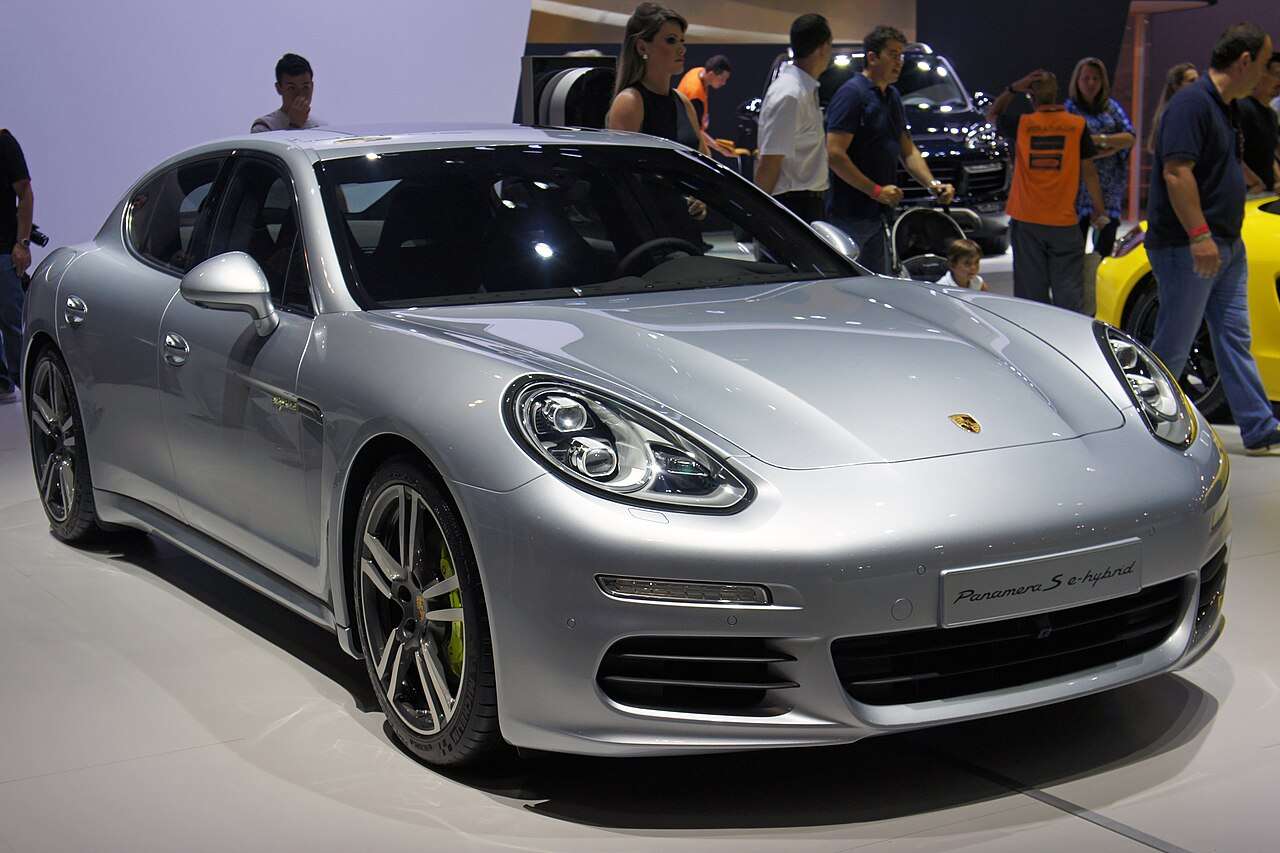
A large Porsche with 416hp is hardly the first thing that comes to mind when someone mentions low road tax.
Nevertheless, the first Panamera S E-Hybrid carried an official CO₂ figure of 71g/km, alongside a quoted 0–62mph time of 5.5 seconds. A qualifying pre-April-2017 example falls into the £20 band. Porsche technical information.
Make sure you are looking at the S E-Hybrid. Other Panamera engines and generations have different figures.
This is still a complex luxury performance car. A small tax bill should be treated as an ownership bonus, rather than evidence that everything else will be inexpensive.
Peugeot RCZ R — £225 a year

The RCZ R gives Peugeot’s distinctive double-bubble coupé the performance to match its appearance. Developed by Peugeot Sport, it combines a 270PS turbocharged petrol engine with a six-speed manual gearbox and a Torsen limited-slip differential.
Peugeot quoted 0–62mph in 5.9 seconds and official CO₂ emissions of 145g/km. A qualifying example first registered before April 2017 therefore sits in the £225 annual band. Peugeot technical information.
Its dedicated suspension and substantial front brakes make this a convincing choice for someone seeking a sports coupé. The unusual roofline gives it plenty of character, too.
Check that the car is the genuine RCZ R, rather than another RCZ variant, and confirm its recorded emissions. Maintenance history and the condition of its brakes and tyres matter far more than the modest tax saving.
Love cars you don’t see every day?
Get forgotten cars, surprising motoring stories and the most interesting finds from Unusual Cars by email.
Free to join. No spam. Unsubscribe whenever you like. See our privacy policy.
BMW 330e F30 — £20 a year
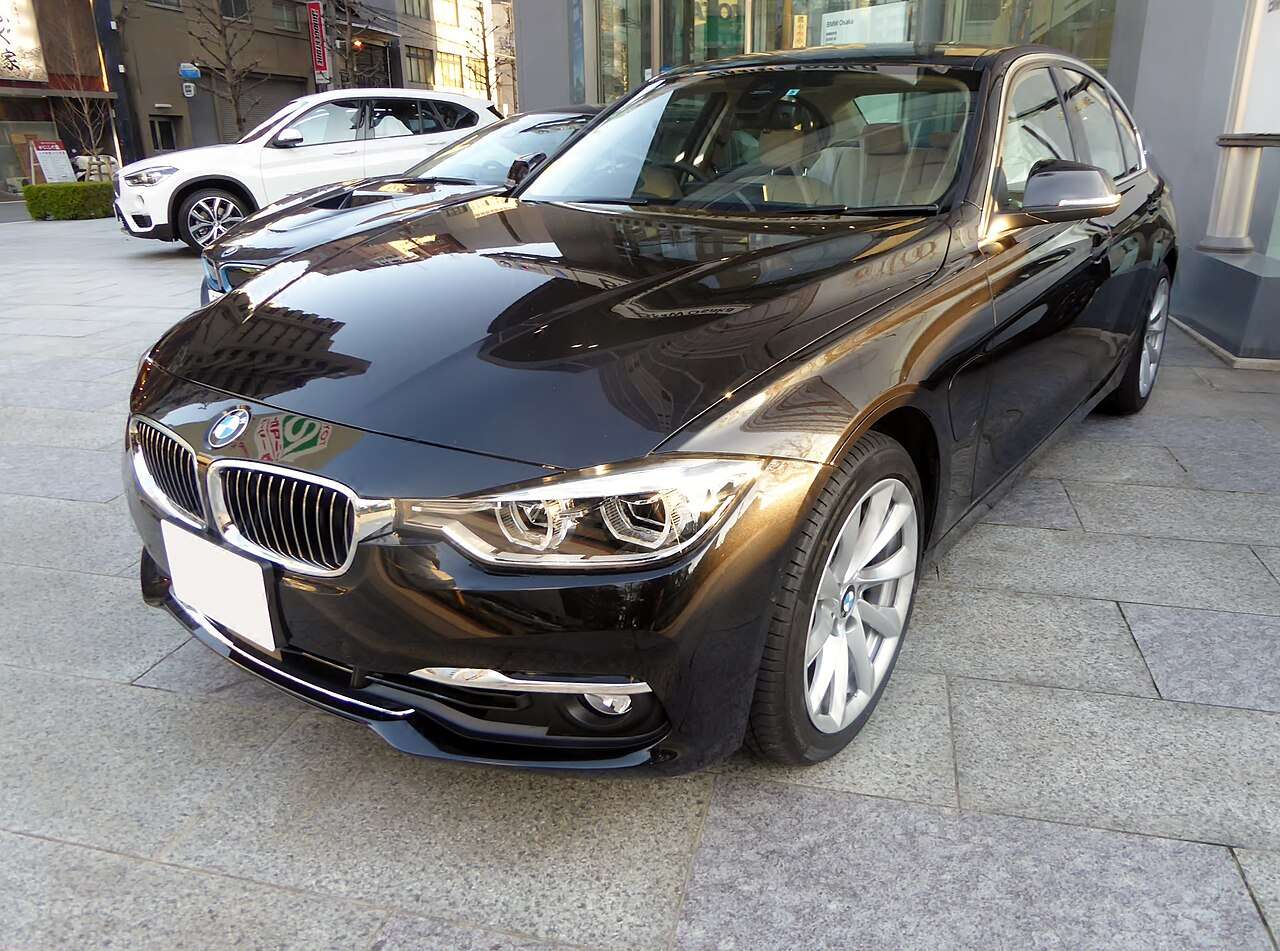
The first F30-generation 330e offers a less conspicuous route into low-tax performance.
BMW’s early UK figures quoted 252hp, 420Nm and 0–62mph in 6.1 seconds, with CO₂ emissions from 44g/km. A qualifying 2016 example sits in the £20 band. BMW UK launch information.
This is an especially useful reminder to check registration dates. A 330e badge does not automatically mean £20 tax: examples registered under the later system are treated differently.
For someone who prefers their performance in an ordinary-looking saloon, the early car is an interesting proposition.
Ford Fiesta ST 1.6 EcoBoost three-door — £200 a year

The 2013-generation Fiesta ST is a proper petrol hot hatch, with a six-speed manual gearbox and a chassis developed by Ford Team RS.
Its 1.6-litre EcoBoost engine produces 182PS, with Ford quoting 0–62mph in 6.9 seconds. The three-door’s official CO₂ figure of 138g/km puts qualifying examples first registered before April 2017 in the £200 annual band. Ford launch information.
It brings a more focused driving character to the list without requiring a sports-car-sized budget. The appeal is the combination of compact dimensions, a lively turbocharged engine and driver-focused suspension.
These figures refer to the 182PS three-door 1.6 ST. The five-door, ST200, later 1.5-litre generation and ST-Line models should not be treated as interchangeable. Check the individual car’s registration date and V5C.
BMW 125d — £170 a year
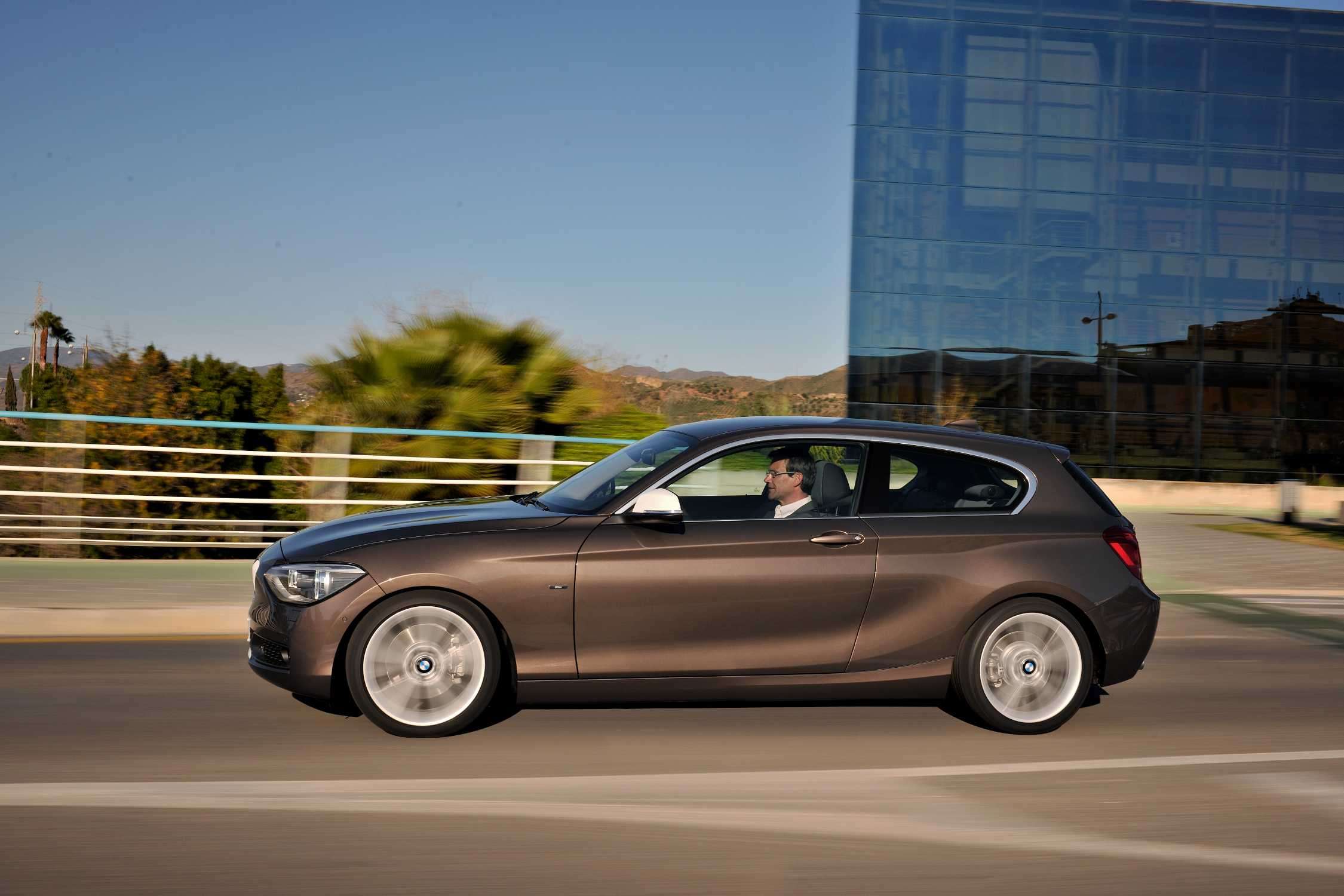
The early F20-generation 125d delivered 218hp and 450Nm through the rear wheels.
BMW quoted 0–62mph in 6.5 seconds for the manual and 6.3 seconds for the automatic, with emissions of 129g/km and 126g/km respectively. Those versions fall into the £170 annual band. BMW UK specifications.
That is a considerable step up from £20, but still a modest bill for a quick diesel hatchback. It illustrates how the middle emissions bands can contain interesting cars as well as sensible ones.
Mercedes-Benz SLK 250 CDI — around £200 for the 132g/km version

A diesel engine in a folding-hardtop roadster was an unusual decision, and it remains part of the SLK 250 CDI’s appeal.
Mercedes quoted 204PS — approximately 201bhp — and 500Nm from its 2.1-litre diesel. That gives the small roadster substantial torque without needing a large petrol engine. Mercedes-Benz launch information.
A qualifying example recorded at 132g/km falls into the £200 annual band. Other specifications can differ, so check the car rather than assuming every diesel SLK has the same bill.
Audi TT 2.0 TDI quattro Coupé — £200 a year
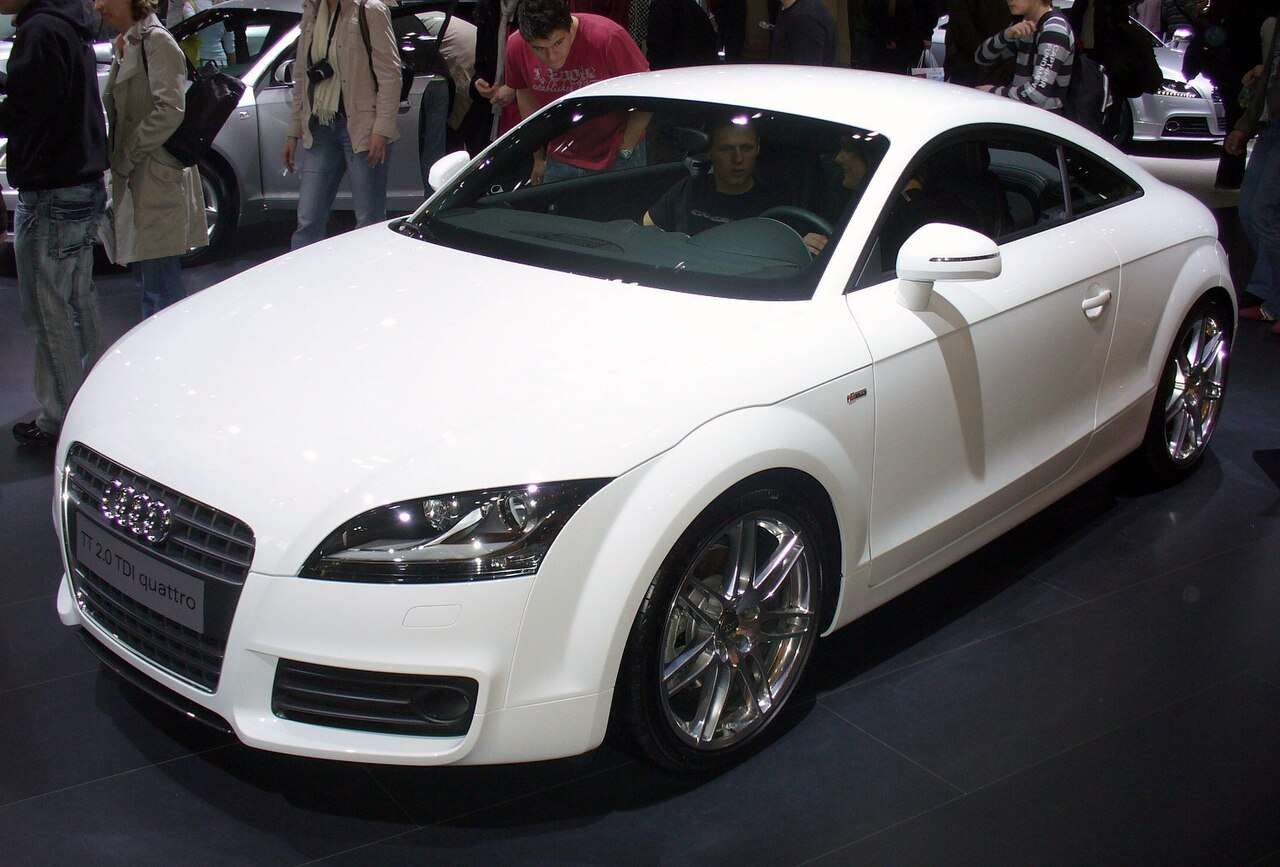
Audi’s diesel TT is another car that challenged expectations.
The early 2.0 TDI quattro Coupé combined a 170PS engine with four-wheel drive and an official CO₂ figure of 139g/km. That places a qualifying example in the £200 annual band. Audi’s contemporary technical table.
It offers an interesting combination of sports-coupé styling and diesel economy. Keep the generations and body styles separate when searching: a Roadster or later TT may have different figures.
BMW 123d Coupé — £200 for qualifying manual versions
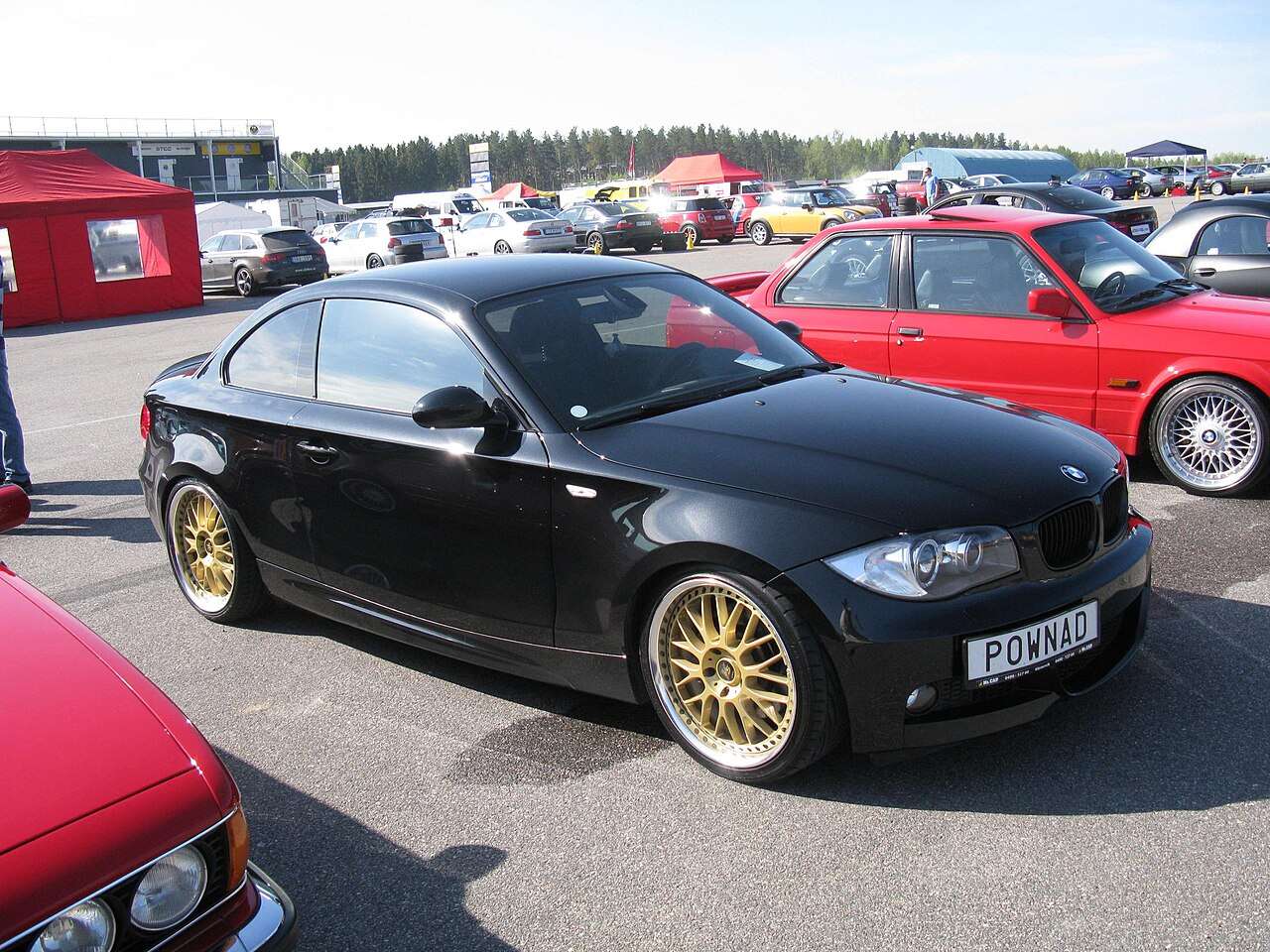
The 123d Coupé brought 204hp and twin-turbo diesel performance to BMW’s compact two-door body.
However, transmission choice matters. BMW’s 2011 UK specifications list the manual at 134g/km and the automatic at 145g/km. Under the current bands, that means £200 for the manual and £225 for the automatic. BMW UK Coupé specifications.
Both bills are relatively restrained, but the difference shows why a model-level tax claim needs qualification.
BMW 640d Coupé — £200 or £225
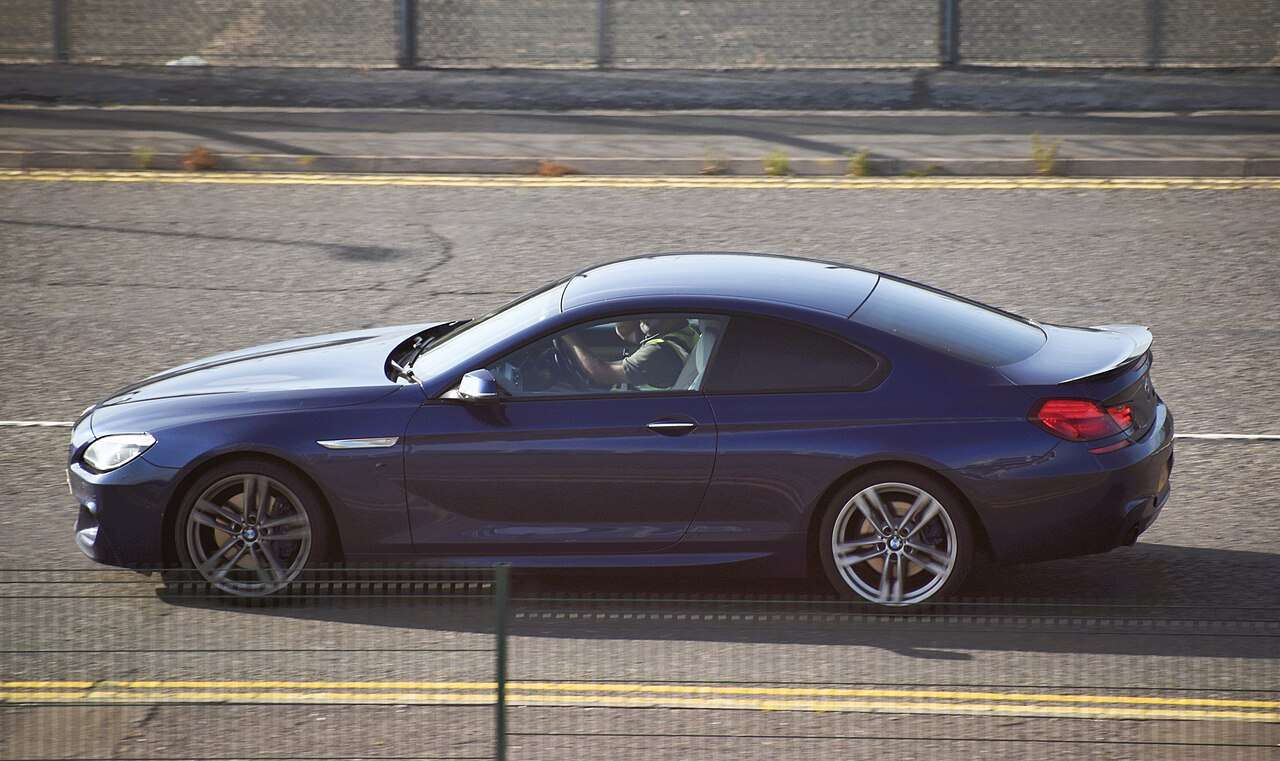
The 640d makes an impressive case for the fast diesel grand tourer.
BMW’s 2015 UK figures list 313hp, 630Nm, 0–62mph in 5.3 seconds and CO₂ emissions of 139g/km for the Coupé. A qualifying example with that recorded figure falls into the £200 band. BMW UK 6 Series specifications.
Versions recorded at 141–150g/km cost £225 instead. Body style, model year and specification matter, so avoid transferring the lowest Coupé figure to every 640d.
Either way, a large 313hp grand tourer with a comparatively modest VED bill is an appealing discovery.
BMW 435d xDrive Coupé — £225 for qualifying versions

The 435d xDrive Coupé combines 313hp with four-wheel drive in a smaller package than the 6 Series.
BMW’s contemporary information gives representative emissions figures of 143–146g/km, putting those pre-April-2017 versions into the £225 band. BMW model information.
It is another example where body style matters. Coupé, Gran Coupé and Convertible figures should be checked independently.
Porsche 918 Spyder — the £20 tax curiosity

For sheer absurdity, the 918 Spyder deserves the final word.
Porsche quoted a combined output of 887hp and official emissions of 70–72g/km, depending on specification. A qualifying example registered under the older system therefore falls into the £20 annual band. Porsche 918 technical information.
Nobody needs to justify a 918 purchase through tax savings. Its relevance here is simply that it demonstrates how little engine output tells you about the bill.
A hypercar can occupy the same annual tax band as an economical hatchback.
What to check before buying
Start with the first-registration date and CO₂ figure on the V5C, then consult the current GOV.UK tables. Confirm the exact engine, gearbox and body style rather than relying on an advert’s headline.
For older plug-in hybrids, remember that the published emissions figures came from standardised testing using battery power as well as fuel. They do not promise similarly low fuel consumption on every journey.
Consider the whole ownership budget. Insurance, tyres, servicing and a substantial repair can outweigh years of VED savings. For a diesel, also consider whether it suits your journeys and check any emissions-zone charges separately.
Finally, these rates can change. A car’s place in the older emissions-based system does not freeze its annual payment forever.
The interesting discovery is how much variety sits within the lower tax bands. From the BMW i8 to the Peugeot RCZ R and Ford Fiesta ST, a modest VED bill can accompany a car with plenty of character.
Explore more Feature Articles →
Love cars you don’t see every day?
Get forgotten cars, surprising motoring stories and the most interesting finds from Unusual Cars by email.
Free to join. No spam. Unsubscribe whenever you like. See our privacy policy.