
UNUSUAL CARS MODEL GUIDE
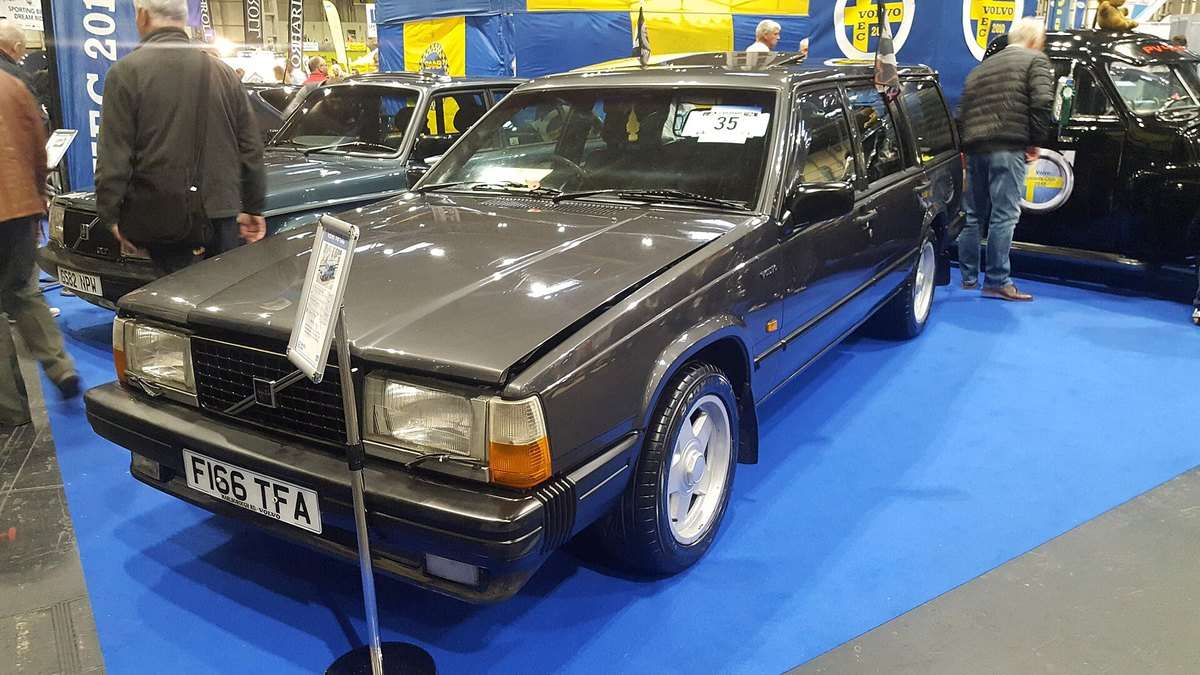
The Volvo 740 Turbo and 940 Turbo turned the company’s large rear-wheel-drive saloons and estates into durable high-speed transport. Their turbocharged redblock engines are now famous for longevity and tuning potential, but age, wiring and decades of modification matter more than internet folklore.
Quick answer: the 740 arrived in 1984 and the 940 followed for the 1991 model year. Many turbo versions used the 2.3-litre B230FT, with specifications varying by market. Volvo described a 200hp 740 Turbo estate in its historical performance review, while common production 940 Turbo outputs were lower.
From 760 to 740
Volvo launched the upmarket 760 first, then broadened the range with the 740. The square body prioritised passenger space, luggage capacity, visibility and straightforward manufacture. Turbocharging gave the same formal shape enough performance to challenge much more overtly sporting cars.
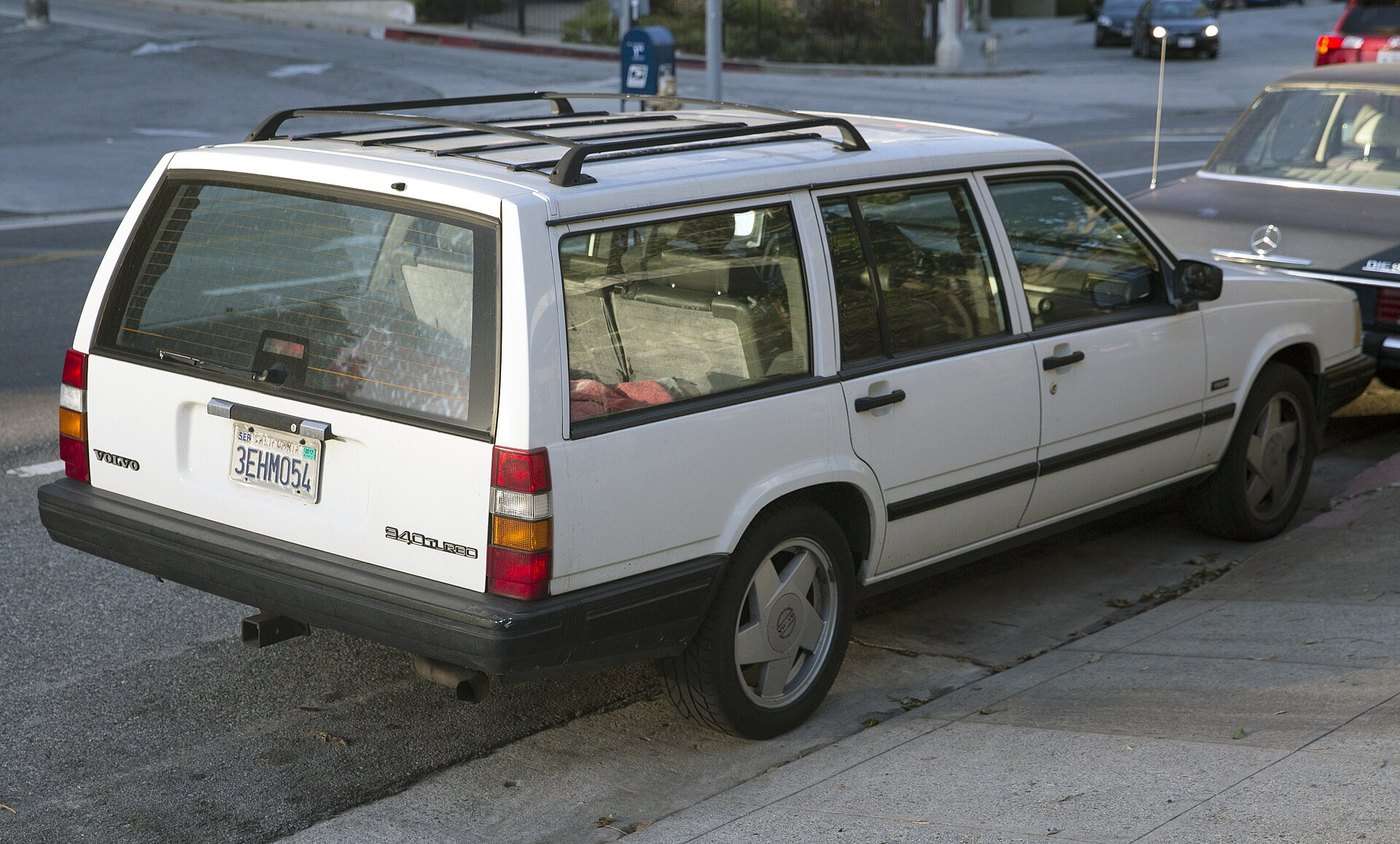
Four-door saloons and five-door estates were offered. Estates became particularly memorable because the upright load area remained genuinely useful, making the Turbo an early example of a fast car that did not ask its owner to sacrifice family or work duties.

The redblock turbo engine
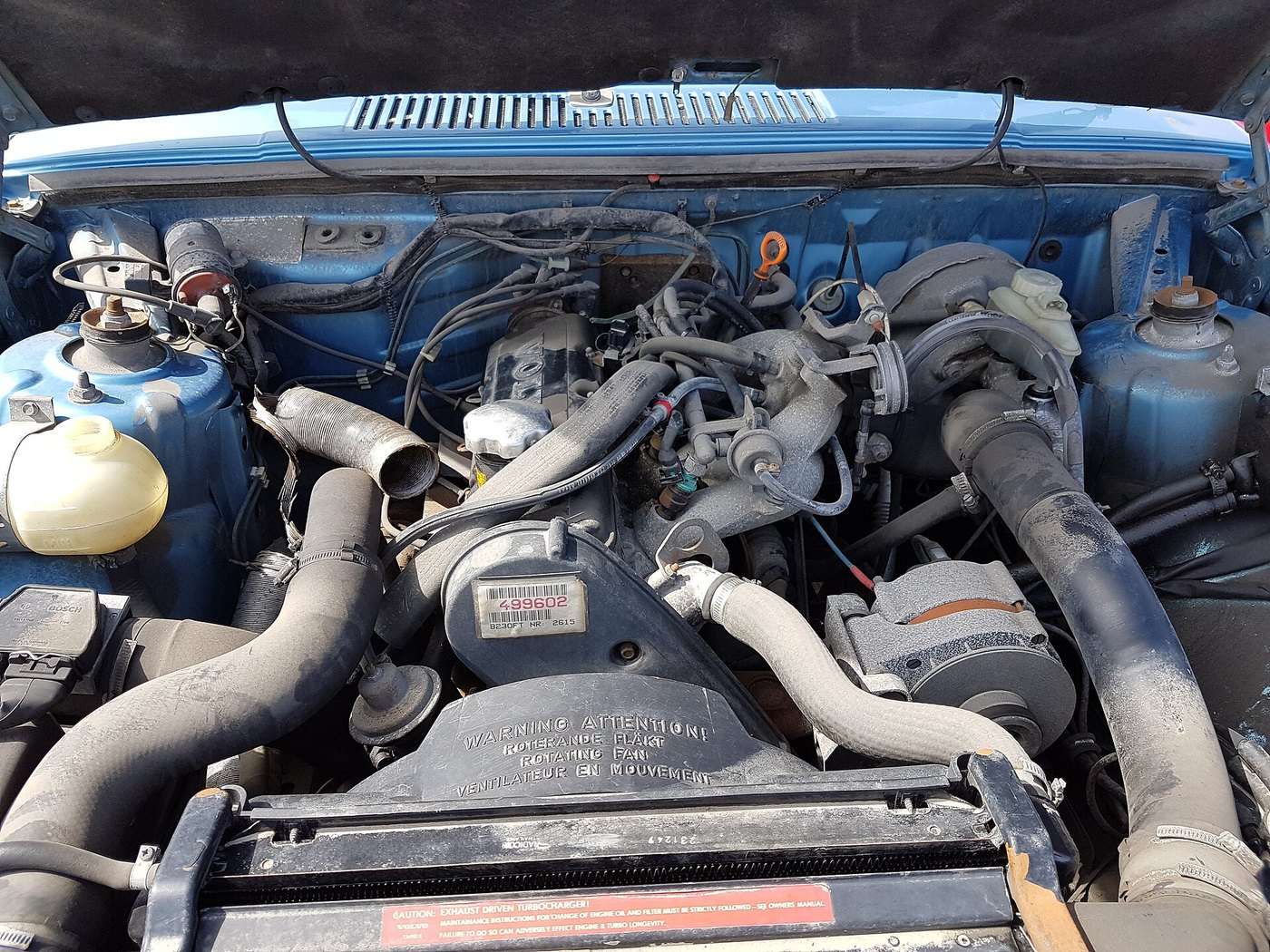
“Redblock” is the enthusiast nickname for Volvo’s long-running family of iron-block four-cylinder engines. The B230FT combined a single overhead camshaft, electronic fuel injection and an exhaust-driven turbocharger. Later production brought revisions to bearings, connecting rods, piston cooling and engine management.
Factory power differed by year and country, and boost modifications are common. A standard, healthy car should start promptly, idle steadily, build boost progressively and show no detonation, smoke or excessive crankcase pressure.
Why the 940 replaced the 740
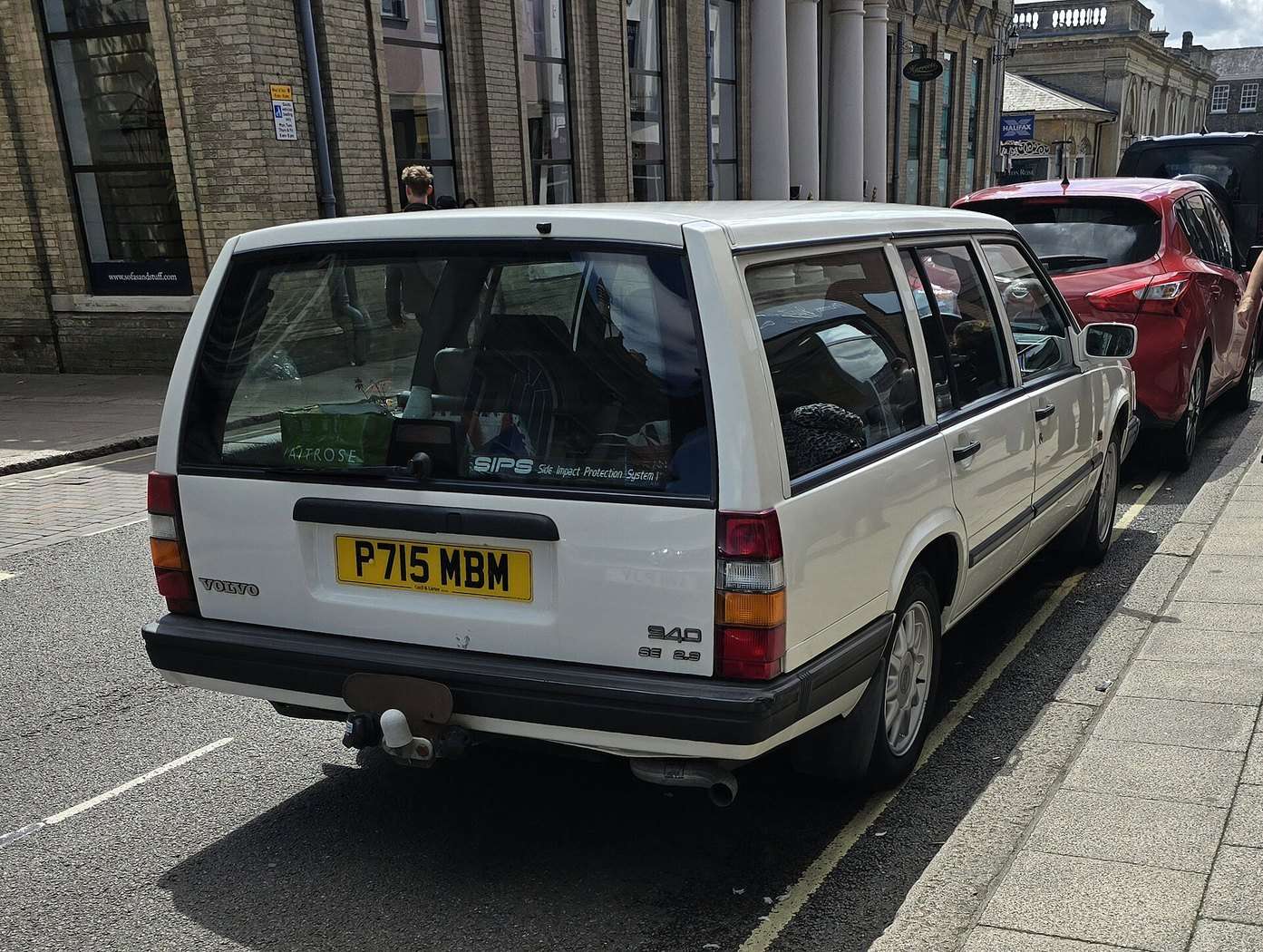
The 940 developed the same basic rear-drive architecture with updated styling, safety equipment and interior details. Saloons gained a more conventional rear profile, while estates continued the practical square format. The 940 Turbo is often the easier car to use today because later examples benefited from progressive engineering improvements.
| Model | Character | Buyer priority |
|---|---|---|
| 740 Turbo | Sharper 1980s styling and earlier specifications | Wiring condition, rust, originality and turbo history |
| 940 Turbo | Later development with improved refinement and safety | Service history, transmission, boost control and rear suspension |
| Estate | Large square load area and strong cult appeal | Tailgate wiring, load-floor rust and rear trim |
Gearboxes and driving character
Manual cars may use an overdrive gearbox or the later M90 depending on year and market. Automatics are common and suit the engine’s torque, but condition and fluid history determine how well they work. None feels small or delicate; the appeal is stable, effortless progress and the sense that mechanical parts were designed to be serviced.
The cabin is upright and clear rather than lavish. Cracked dashboards, tired headlinings, damaged seat bolsters and inoperative instruments are now more troublesome than basic engine service parts.

Love cars you don’t see every day?
Get forgotten cars, surprising motoring stories and the most interesting finds from Unusual Cars by email.
Free to join. No spam. Unsubscribe whenever you like. See our privacy policy.
Volvo 740 and 940 Turbo buying guide
Engine wiring and electrical faults
Early 740 engine-bay wiring insulation can deteriorate badly. Inspect the harness rather than trusting an intermittent test drive. Check gauges, windows, central locking, heater fan, sunroof and estate tailgate wiring.
Turbo, boost hoses and oil leaks
Inspect compressor play, oil feed and return lines, intercooler hoses and the exhaust manifold. Blue smoke, slow boost, whistling leaks or oil-filled pipework need diagnosis. A blocked crankcase ventilation system often contributes to leaks.
Cooling and timing belt
Check the radiator, water pump, thermostat, expansion tank and heater valve, then require evidence of timing-belt replacement. Overheating can turn an inexpensive old Volvo into a poor purchase very quickly.
Transmission, axle and suspension
Test manual overdrive or fifth gear, clutch take-up and automatic changes when hot. Listen for prop-shaft vibration and differential noise. Worn control-arm bushes, strut mounts, ball joints and rear dampers can make a sound car feel vague.
Rust and modified cars
Inspect floors, sills, arches, windscreen surrounds, battery area, spare-wheel wells and estate tailgates. Tuning is easy, so establish who changed the boost, fuel system, differential and suspension and whether the work was measured rather than guessed.
Research sources
- Volvo Cars: performance estate history
- Volvo Cars Heritage: 740
- Volvo Cars Heritage: 940
- Volvo Owners Club: buying a used 700/900
- Grassroots Motorsports: 740 Turbo overview
Continue the Volvo story
Return to the Rare & Performance Volvos hub, then compare the 240 Turbo guide and 850 T-5R guide.
Frequently asked questions
What is a Volvo redblock engine?
Redblock is the enthusiast name for Volvo's durable iron-block four-cylinder engine family, including turbocharged B230 versions.
Are the 740 Turbo and 940 Turbo rear-wheel drive?
Yes. Both use Volvo's longitudinal-engine rear-wheel-drive platform.
Is a 940 Turbo better than a 740 Turbo?
The 940 is a later development and can be easier to use, while the 740 has a more distinct 1980s identity. Condition matters more than the badge.
What goes wrong with turbo redblock Volvos?
Age-related wiring, boost and vacuum leaks, crankcase ventilation, cooling, oil leaks, transmissions and suspension bushes need close inspection.
Are modified 740 and 940 Turbos safe to buy?
A documented, coherently engineered car can be good, but unexplained boost increases and mixed components create significant risk.