UNUSUAL CARS MODEL GUIDE
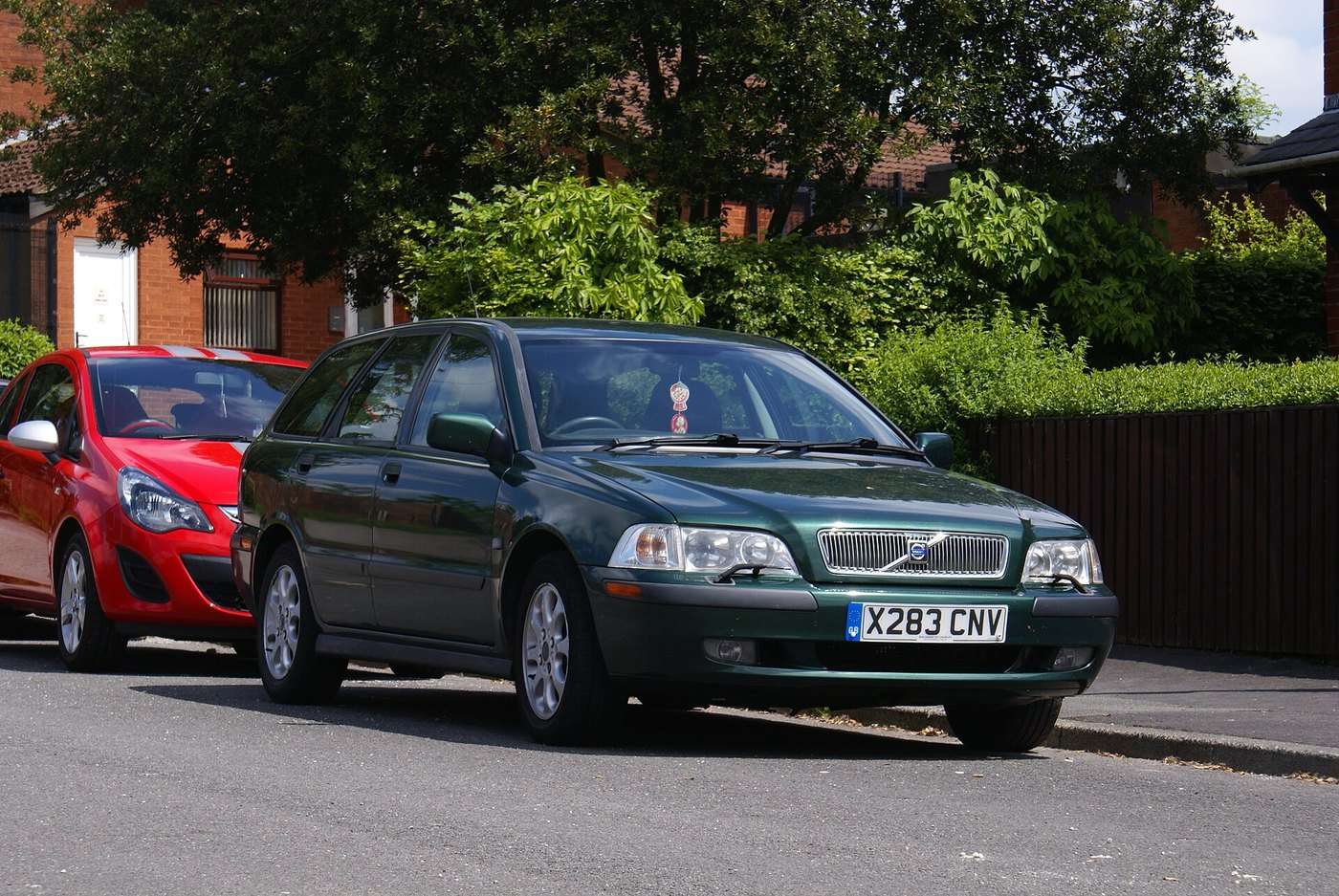
The first-generation Volvo S40 and V40 T4 put genuine turbocharged performance into Volvo’s smallest late-1990s saloon and estate. Developed alongside the Mitsubishi Carisma and built in the Netherlands, the cars combined compact dimensions with a high-output Volvo four-cylinder engine.
Quick answer: the S40 saloon and V40 estate arrived in the mid-1990s. T4 versions used a high-pressure turbocharged four-cylinder engine and front-wheel drive. A substantial Phase 2 update for the 2001 model year revised the chassis, dimensions, safety and mechanical details.
Born from the NedCar partnership
Volvo and Mitsubishi shared a Dutch production site and important platform architecture, but the S40 and V40 used Volvo styling, safety engineering, cabins and powertrains. The S40 replaced the 440/460 saloons; the V40 provided a compact estate beneath the larger V70.
The range helped Volvo reach buyers who wanted a smaller car without abandoning the marque’s identity. The T4 added performance strong enough to surprise contemporary hot hatches and larger executive cars.
The high-pressure turbo T4
Early T4s used a 1.9-litre turbocharged engine; later Phase 2 cars are commonly described as 2.0-litre versions, with exact displacement, output and emissions equipment depending on market and year. Strong mid-range torque is delivered through the front wheels.
Manual gearboxes are most common in enthusiast discussion. Traction, torque steer and tyre quality shape the experience, while modified boost and software make careful identification essential.

Phase 1 and Phase 2
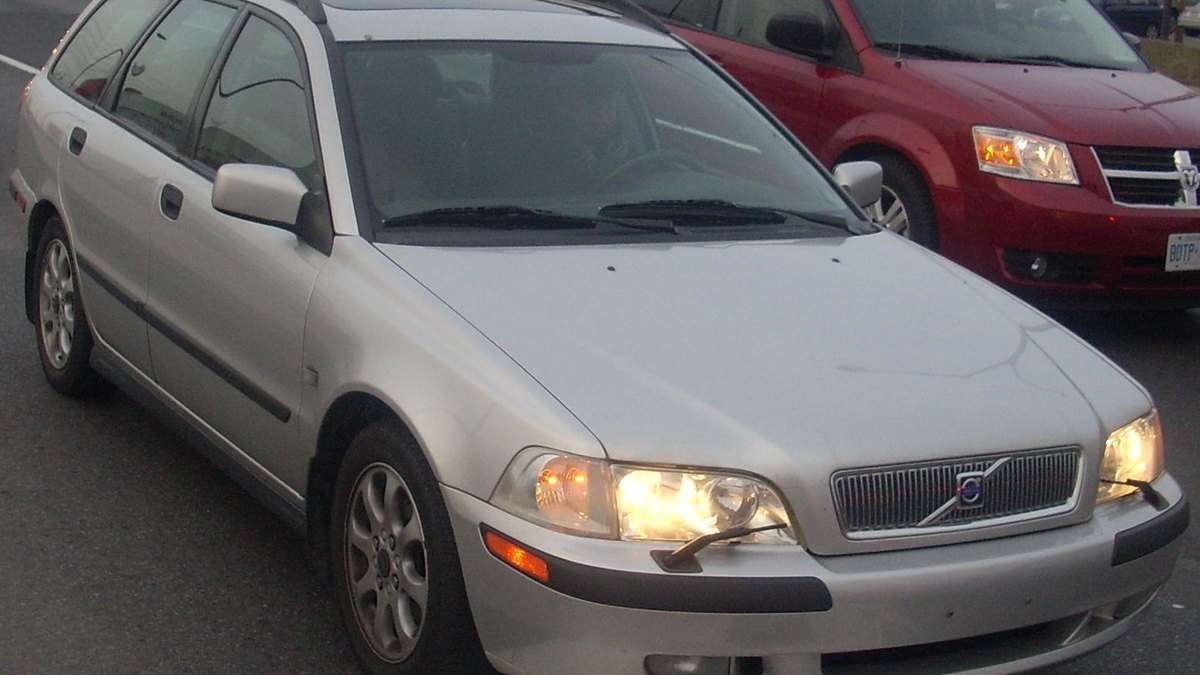
The 2001 model-year update was more than a cosmetic facelift. Volvo revised track, wheelbase, suspension geometry, steering, brakes and safety details, while exterior and cabin changes modernised the car.
Parts should be ordered by chassis number because early and late components are not always interchangeable. A later-looking car is not proof of a particular engine or chassis specification.
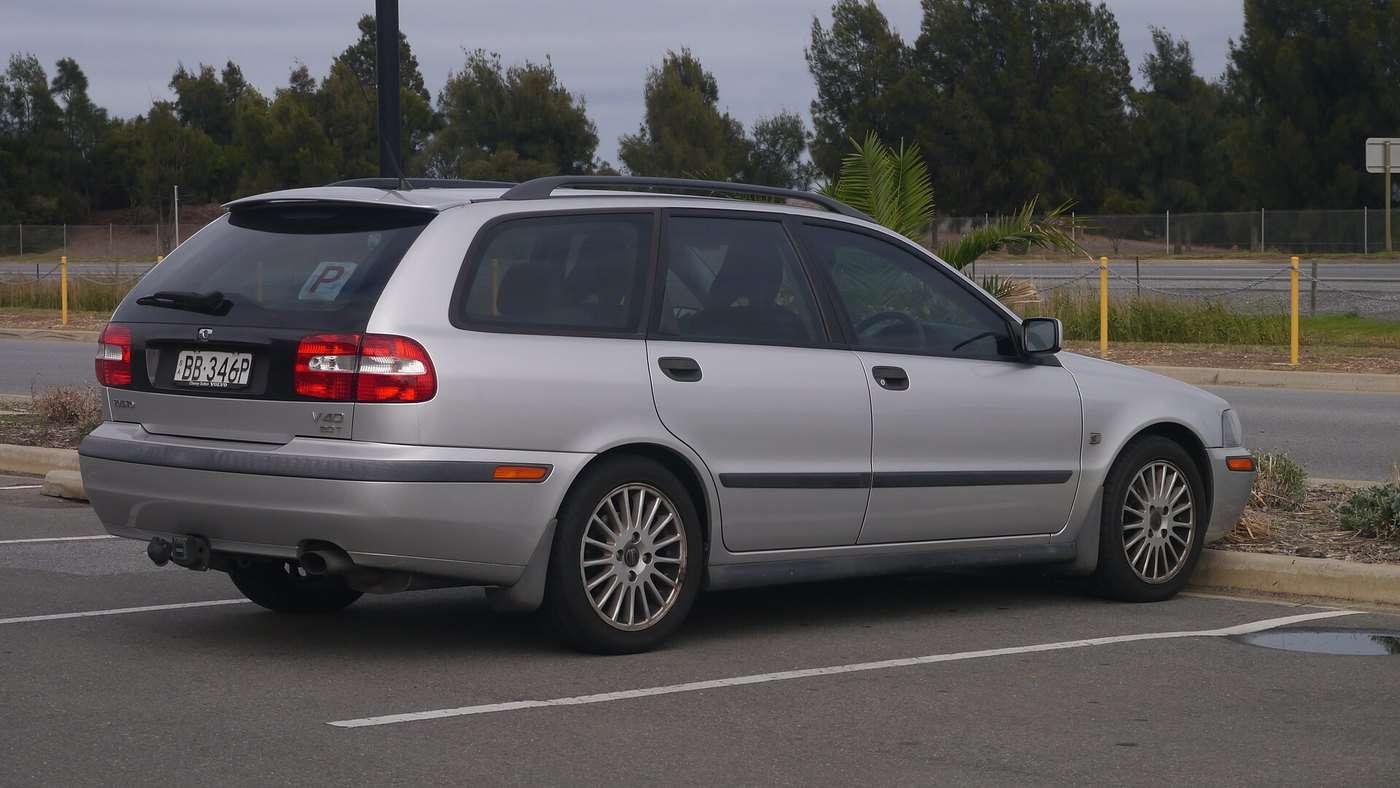
Motorsport image and modern rarity
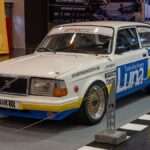
The S40 gained visibility through touring-car competition, although racing cars should not be confused with road-going T4 specification. The V40 estate added a useful sleeper quality that remains central to its appeal.
Rust, modification and low values removed many cars. Good original T4s are now much less common than ordinary diesel or low-pressure turbo versions, making history and correct identification important.

Love cars you don’t see every day?
Get forgotten cars, surprising motoring stories and the most interesting finds from Unusual Cars by email.
Free to join. No spam. Unsubscribe whenever you like. See our privacy policy.
Buying guide
Engine and timing belt
Require timing-belt evidence and inspect cooling, crankcase ventilation, turbo hoses, oil leaks and smoke. Verify any software or boost changes.
Clutch and gearbox
Check clutch slip, synchromesh, driveshaft joints and mounts. Hard launches and increased torque accelerate wear.
Suspension and steering
Listen for knocks and inspect springs, dampers, bushes, ball joints, steering rack and tyre wear, noting Phase 1 and Phase 2 differences.
Rust and body
Inspect front wings, arches, sills, floors, subframes, tailgate or boot edges and screen surrounds. Check accident repairs carefully.
Electrical and interior
Test climate control, instruments, warning lamps, windows, locks, heated seats and audio. Water ingress and damaged trim reduce otherwise sound cars.
Research sources
- Volvo Cars Heritage: first-generation S40
- Volvo Cars Heritage: first-generation V40
- Volvo V40 Classic technical data
- Parkers first-generation S40 review
Continue the Volvo story
Return to the Rare & Performance Volvos hub, then compare the Volvo C30 T5 guide and the Volvo 850 T-5R guide.
Frequently asked questions
What does T4 mean on an early Volvo S40 or V40?
It identifies the high-pressure turbocharged four-cylinder performance version.
Are the S40 and V40 T4 mechanically related?
Yes. The saloon and estate share their basic platform and powertrain family.
What is a Phase 2 S40 or V40?
It is the substantially revised version introduced for the 2001 model year with chassis, dimensional, safety and detail changes.
Is the first-generation V40 the same as the later V40 hatchback?
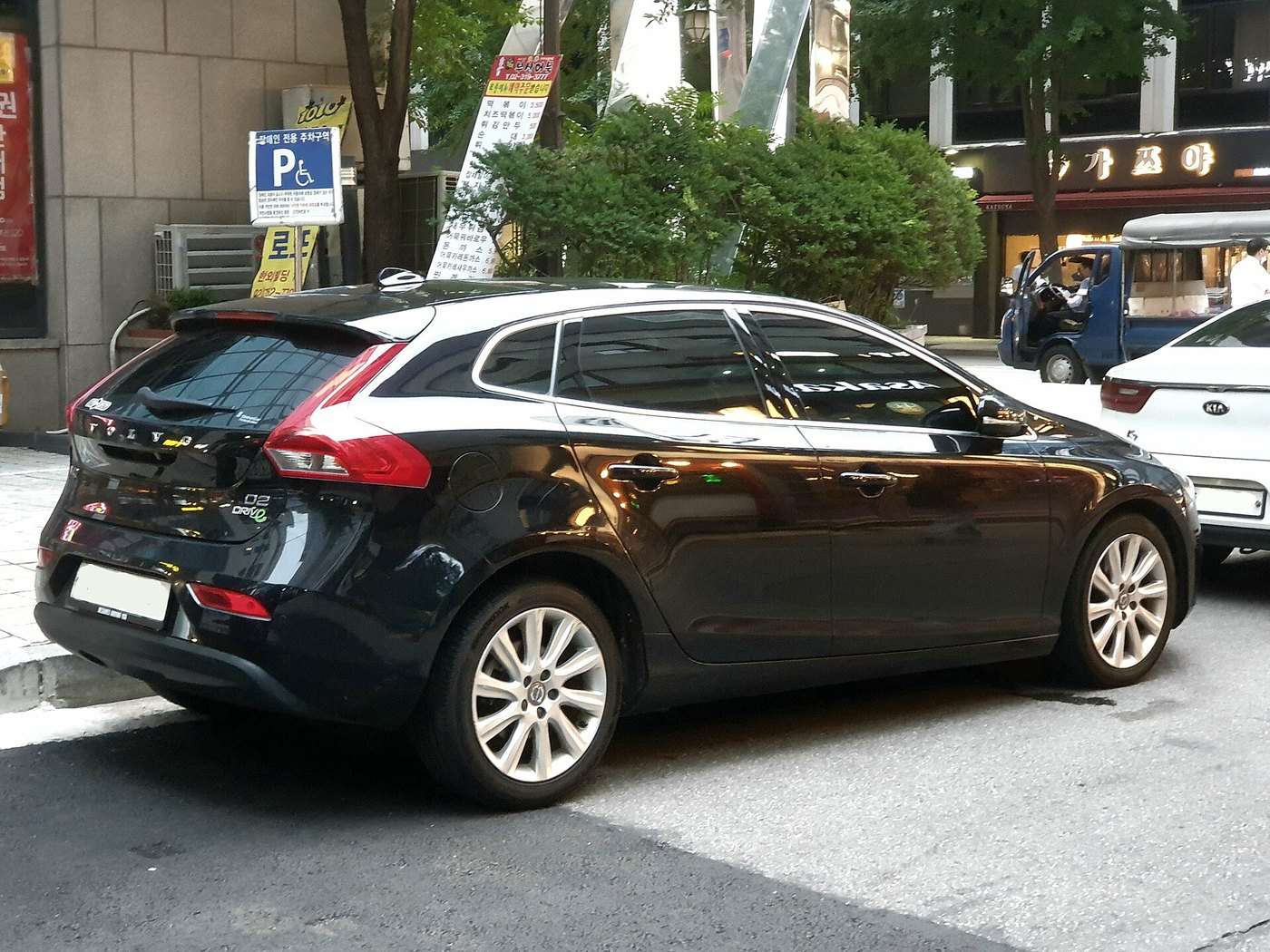
No. The original V40 is a compact estate built from the mid-1990s; the later V40 is a separate hatchback generation.
What should be checked before buying a T4?
Verify the exact engine and modifications, then inspect timing-belt history, cooling, turbo system, gearbox, suspension, rust and electrics.