UNUSUAL CARS MODEL GUIDE
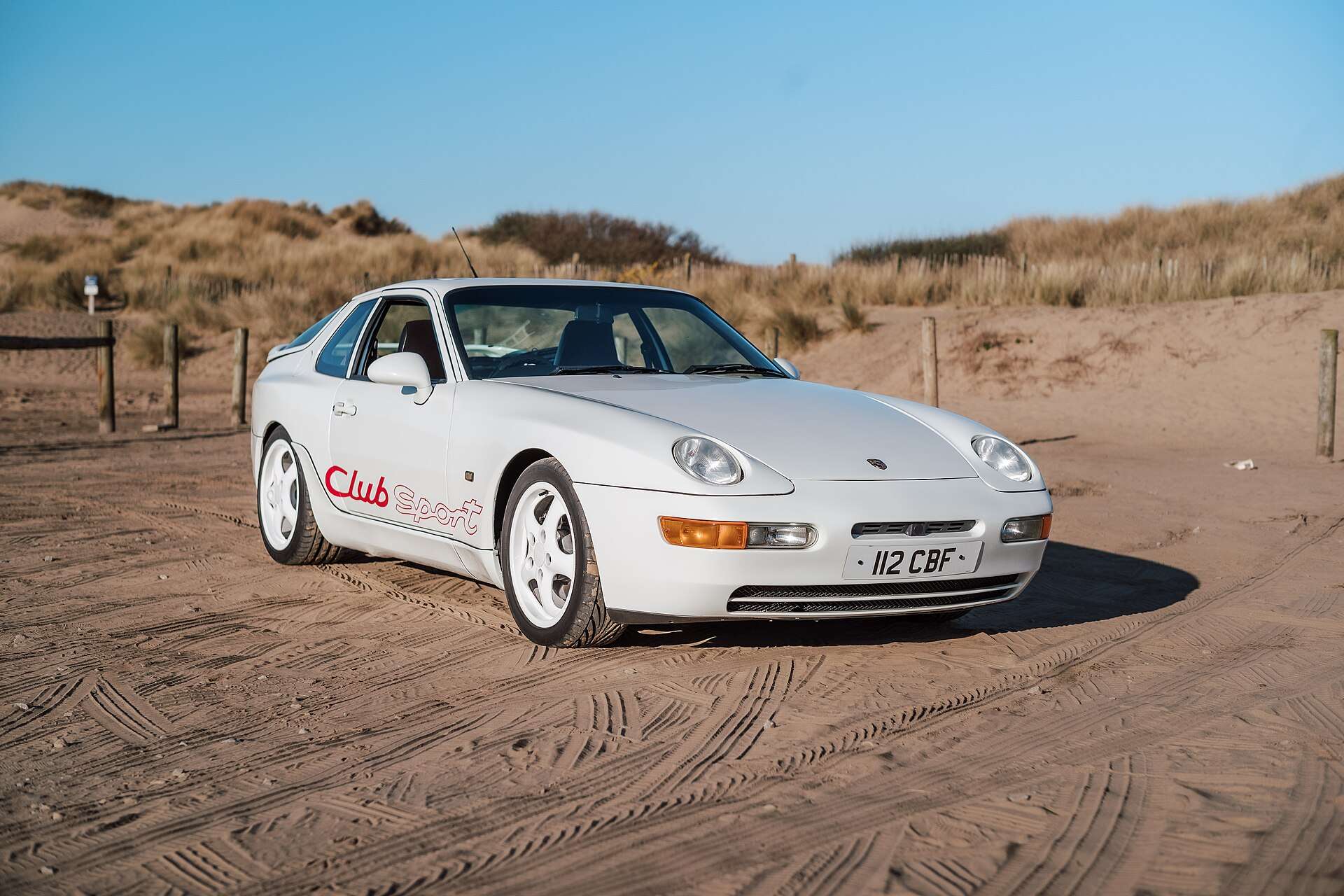
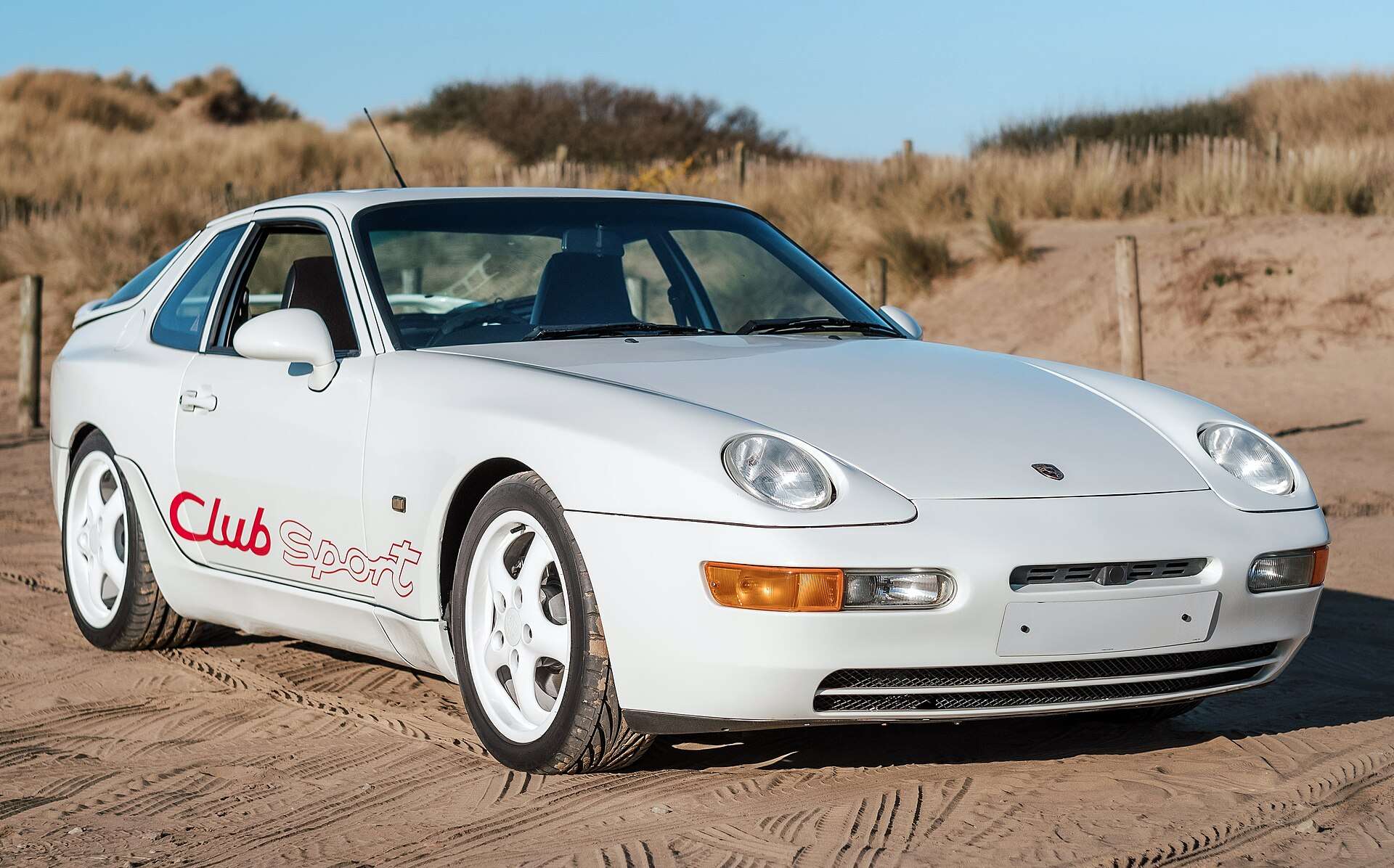
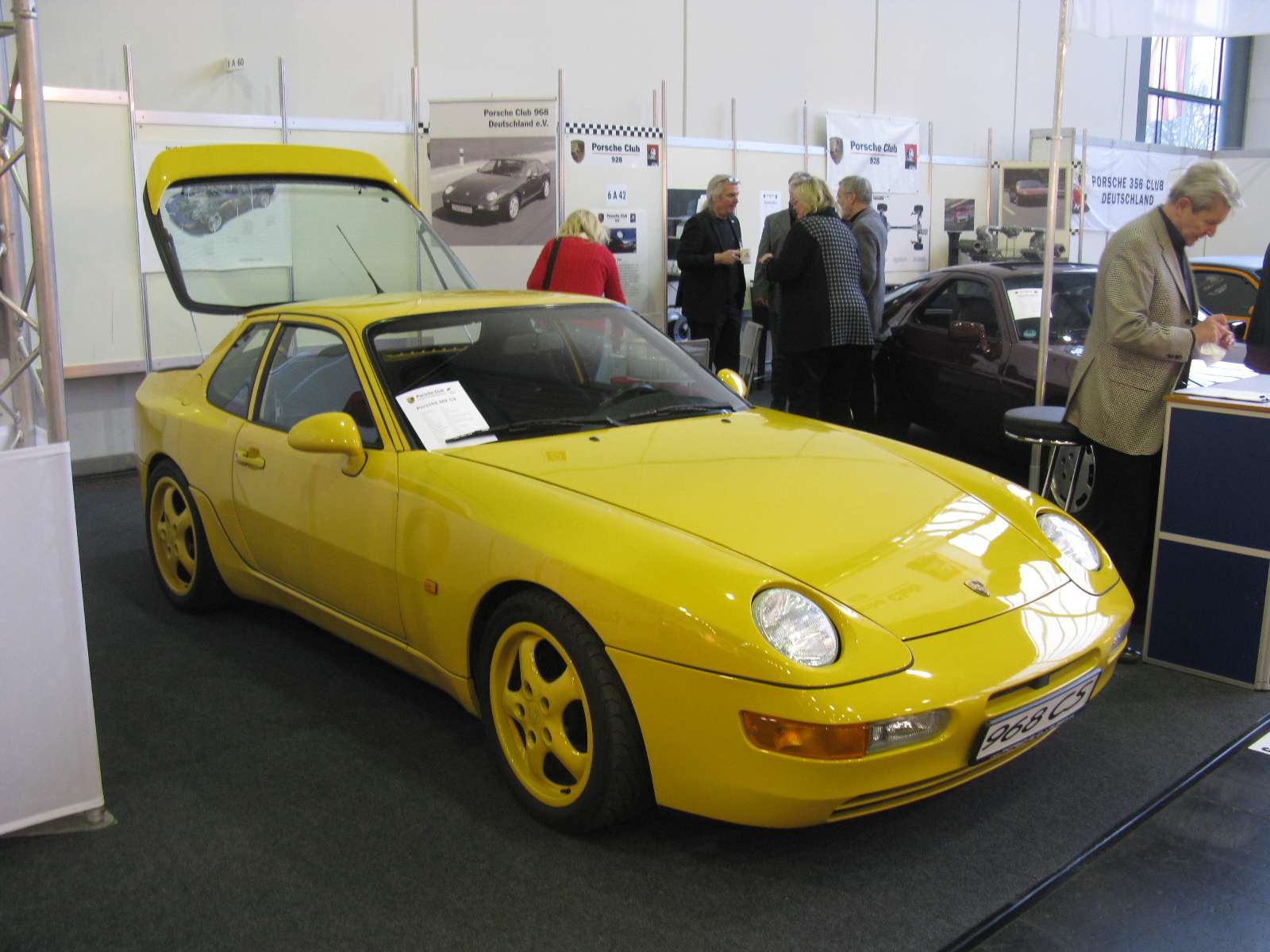
The Porsche 968 Club Sport was the lighter, more focused version of Porsche’s final front-engined four-cylinder transaxle model. Introduced in 1993, it retained the standard 968’s 3.0-litre 240 PS engine and six-speed manual gearbox, but removed equipment and adopted a more purposeful chassis specification. Porsche built 1,538 examples.
Quick answer: a genuine 968 Club Sport is defined by its factory specification, not by stickers or bucket seats added later. Verify the VIN, option codes, lightweight equipment and history before assessing condition. Timing-belt maintenance, Variocam components, clutch and transaxle condition, suspension, brakes and accident repairs all require specialist attention.
From 944 to 968
The 968 arrived in 1991 as the final development of Porsche’s four-cylinder transaxle family. Although its proportions clearly related to the 944, Porsche substantially revised the styling, engine, transmission and cabin. The exposed pop-up headlamps echoed the 928, while a smoother rear and updated bumpers gave the car its own identity.
The 3.0-litre engine and six-speed gearbox
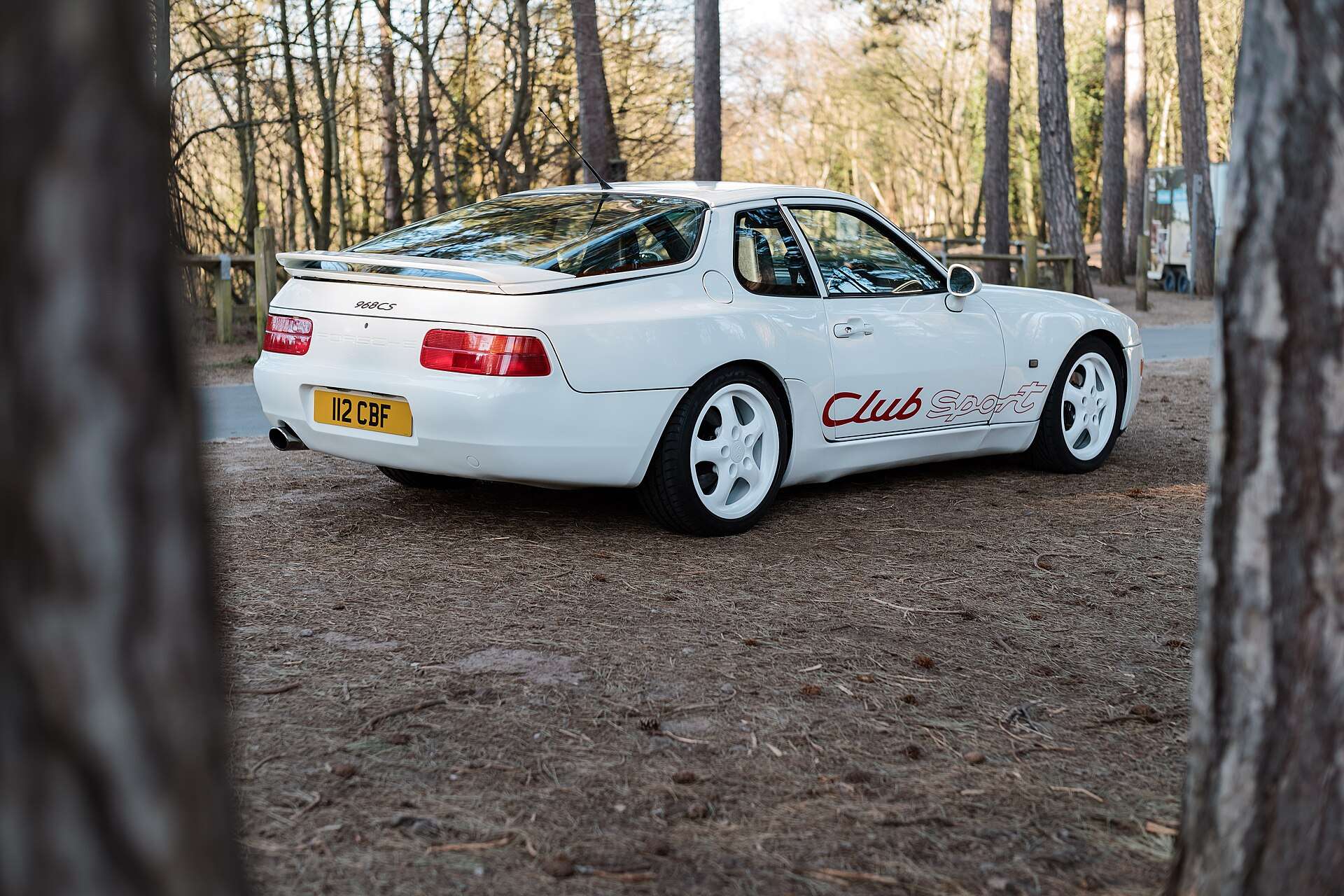
The 2,990 cc four-cylinder engine produced 176 kW, or 240 PS, and 305 Nm. It used Porsche’s Variocam system to alter camshaft timing and improve the spread of torque. A six-speed manual gearbox was standard in the Club Sport, mounted at the rear as part of the transaxle layout. The engine’s unusually large capacity made the 968 one of the most distinctive four-cylinder sports cars of its period.
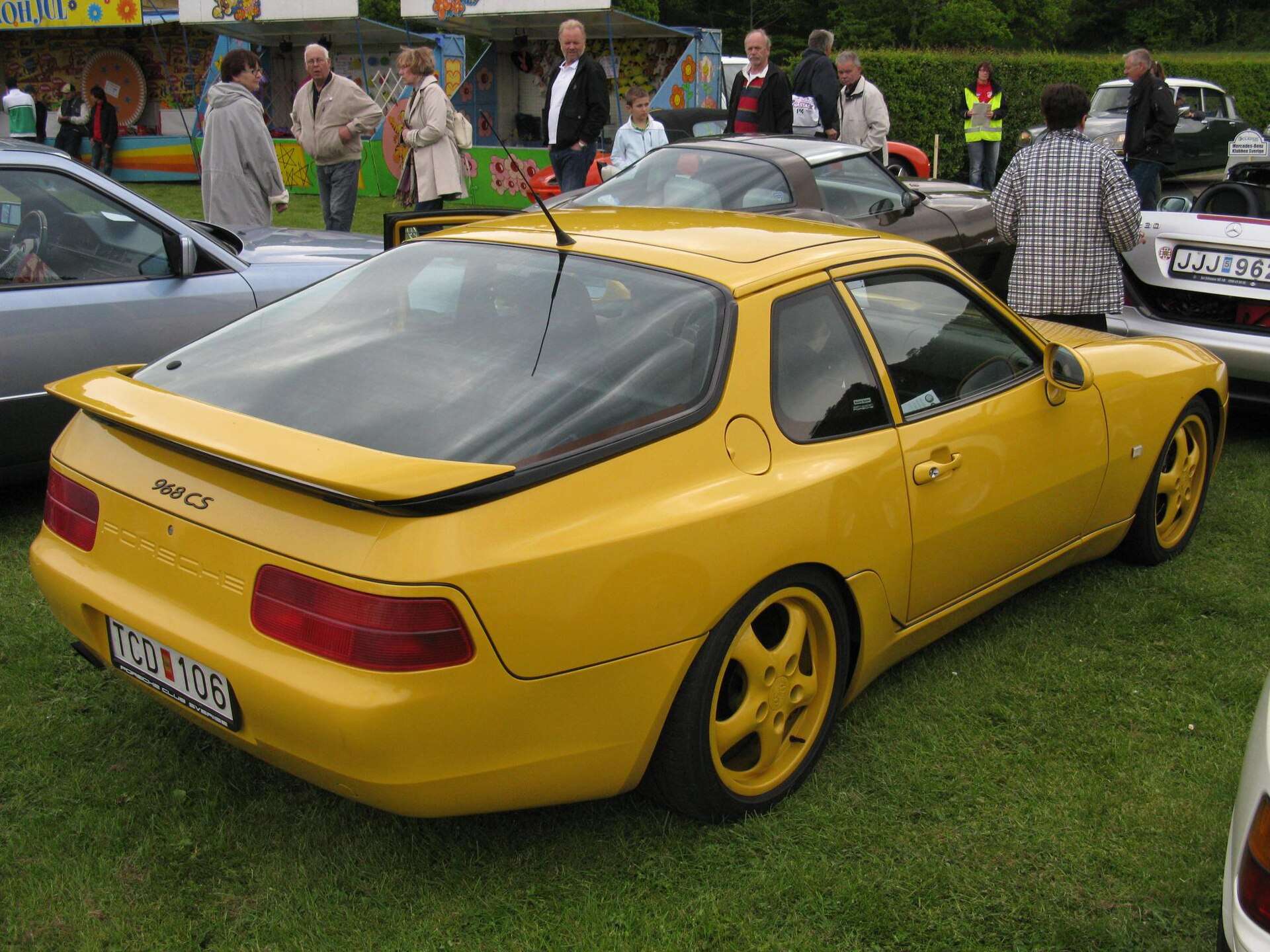
What made the Club Sport different?
Porsche removed equipment to sharpen the 968 rather than increasing engine output. The Club Sport omitted the rear seats and several comfort features, used manually adjustable sports seats and adopted a lower, more focused suspension specification. Market and option differences mean not every surviving example has identical equipment, so factory records remain the safest guide.
| Model | Powertrain | Character |
|---|---|---|
| 968 Coupé | 3.0-litre, 240 PS; six-speed manual or Tiptronic | Comfortable two-plus-two grand tourer |
| 968 Club Sport | 3.0-litre, 240 PS; six-speed manual | Lighter two-seat specification with sports chassis |
| 968 Sport | UK-market derivative | Combined Club Sport chassis ideas with more road equipment |
| 968 Turbo S / Turbo RS | Turbocharged competition derivatives | Extremely rare specialist models, not equivalent to a Club Sport |
Love cars you don’t see every day?
Get forgotten cars, surprising motoring stories and the most interesting finds from Unusual Cars by email.
Free to join. No spam. Unsubscribe whenever you like. See our privacy policy.
Production and rarity
Porsche states that 1,538 Club Sports were built. The wider 968 family totalled 11,248 cars before production ended in 1995, closing the company’s transaxle era. Those numbers make originality important, but condition and documented maintenance still matter more than a superficial claim of rarity.
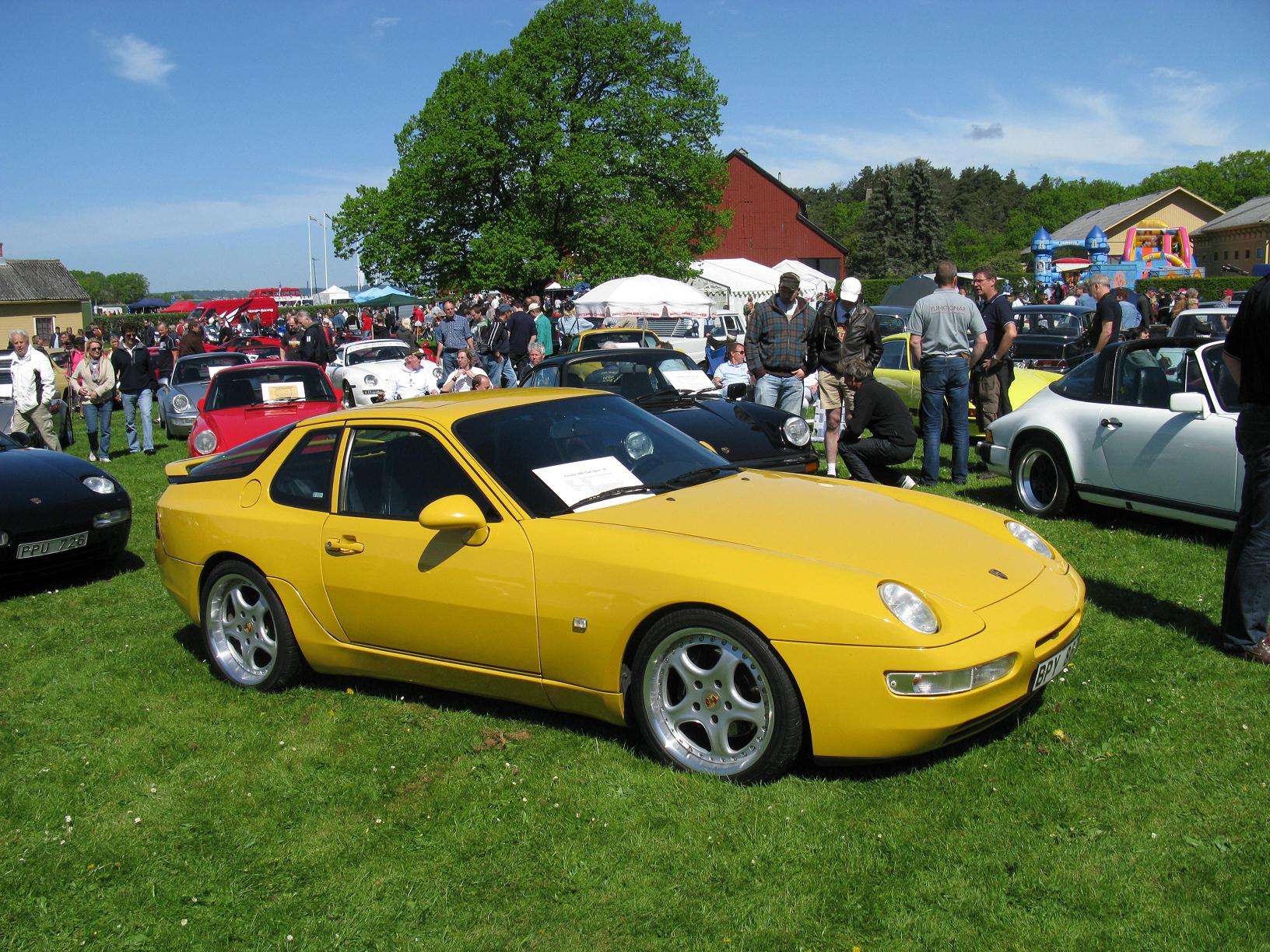
Porsche 968 Club Sport buying guide
Confirm identity first. Match the VIN and option codes to Porsche records, then check the seats, trim, suspension, wheels and deleted equipment against the car’s original specification. A modified standard 968 may be enjoyable, but it should not be represented or valued as a factory Club Sport.
The timing belt, balance-shaft belt, tensioners and water pump need documented replacement. Variocam chain, pads and related components deserve specialist inspection, as do oil leaks, cooling hoses and engine mounts. The six-speed gearbox should shift cleanly and the clutch should engage consistently without driveline vibration.
Inspect the body for crash repairs, corrosion around vulnerable seams, stone damage and water ingress around the hatch. Suspension bushes, dampers, wheel bearings and brakes must be assessed as a system. Club Sports were attractive track-day cars, so look for overheated brakes, tired dampers, cage or harness mounting evidence and non-standard geometry. A careful car with honest use is preferable to an apparently original example with missing history.
Research sources
Continue the Porsche story
Explore the Rare & Performance Porsche hub, then compare the Porsche 944 Turbo and Porsche 928.
Frequently asked questions
How much power does the Porsche 968 Club Sport have?
Its naturally aspirated 3.0-litre four-cylinder engine produces 240 PS, the same quoted output as the standard 968.
How many Porsche 968 Club Sports were built?
Porsche states that 1,538 Club Sports were produced.
Does the 968 Club Sport have rear seats?
The factory Club Sport was configured as a two-seater and omitted the standard coupé’s rear seats.
What is the difference between a 968 Club Sport and 968 Sport?
The Club Sport was the stripped, focused factory model. The UK-market Sport restored more comfort equipment while retaining a sporting chassis character.
What should be checked before buying a 968 Club Sport?
Verify factory identity and specification, then inspect belt and Variocam history, clutch and transaxle, suspension, brakes, accident repairs and evidence of track use.