UNUSUAL CARS MODEL GUIDE
The Nissan Primera eGT and later Primera GT turned an ordinary European family car into a discreet performance saloon or hatchback. The P10 established the formula in the early 1990s with SR20DE power and an acclaimed chassis; the P11 continued it while Nissan’s Super Touring Primera became a defining British Touring Car Championship machine.
Primera P10 eGT and P11 GT UK buying verdict and inspection
Which Primera GT should you buy?
Start with the shell and verify the specification. The P10 eGT is the earlier car and the P11 GT is the later one, both with naturally aspirated SR20DE power in their respective sporting specifications. The better car is the one with evidence of sound mounting points, correct parts and a running history that matches the records. A well documented repair need not disqualify a car. A patch with no evidence of the metal underneath calls for an assessment before it has a price.
Drive both generations if you can. The eGT appeals if you want the earlier car and can locate the missing parts it may need. The P11 GT is a different proposition in detail, and special trim or suspension should be valued on what is actually fitted. If a seller describes it as a Super Tourer or claims a competition connection, request the contemporary paperwork and verify what the description means. An ordinary road car with a race-style livery needs its own comparison.
Ask for identification plate and chassis photos, build or registration documents, old MOTs and the service file. Verify the fitted engine and gearbox, then document replacements or modifications. Make a list of exterior pieces and cabin equipment you would need to buy. Compare the offered car with other verified examples rather than a lower-spec Primera with similar badges.
| Buyer question | P10 eGT | P11 GT |
|---|---|---|
| How do I prove it? | Use the chassis and original paperwork, engine and equipment together. Check whether early trim and lamps are correct. | Verify GT trim and exact specification. Establish any special-edition claim separately from the base GT identity. |
| What gets inspected first? | Sill and floor structure, suspension mounts and the extent of old repairs. Check ageing cooling and electrical connections. | Sills and arches, chassis and suspension attachments, brake pipes and the condition of GT-specific pieces. |
| How should I price it? | Compare similar P10s with documented condition and check missing parts before assuming a cost. | Use verified P11 GT asks or results. Separate special editions, modifications and cars requiring welding. |
Build a UK price file when completed sales are scarce
Iconic Auctioneers’ 1998 Primera GT Super Tourer page reports that the car sold for an undisclosed sum. That confirms an outcome but supplies no price. Use it to examine specification and the sort of paperwork a seller can provide. A price range needs confirmed figures for comparable road cars. Keep ordinary Primeras, race cars, lower specifications and unverified editions out of that range.
Record when an advert or result was seen, version, body, mileage and provenance, repair history, work due and included spares. Ask what can be independently checked. A tidy car with no sill pictures and a rust repair listed on the MOT may be more expensive to use than a less polished one with photographs and a written structural report. If you find few examples, compare the cost of bringing each actual car to the same standard instead of applying a generic price band.
The buyer who wants a daily driver should separately price transport, short-term workshop downtime and scarce equipment. If you intend to collect a project, ask whether it can be safely driven, whether workshop space is available and whether parts that stop the car from being usable can be sourced. Put those costs in the offer before deciding what the rarity is worth to you.
Lift inspection from the front suspension to the boot
Inspect the front crossmember and surrounding chassis structure, inner wings and suspension attachments. Compare both sides and ask why any replacement panels were fitted. Photograph repairs near mounting points and the metal beyond them. Ask what was removed for access and which areas could not be inspected. A clean painted panel helps little if a load-bearing attachment is concealed.
Follow the floor and jacking points, including the front and rear ends of each sill. Look behind accessible trim with permission for evidence of water, crushed seams or earlier patching. Ask the shop to distinguish repairs to the outer skin from work affecting the inner sill or floor. The estimate should include access, fitting, protection and any repainting, and state what changes if more corrosion is found.
At the rear check the arch interiors, floor seams, boot and suspension attachment areas. Look at brake and fuel lines and any changes in their routing. Compare both sides for earlier damage or movement. Open the boot and check the spare-wheel well and moisture around seals. On a lowered or modified car, inspect tyre rub, brake hose clearance and how the ride height affects alignment. Get the shop to identify front and rear parts by what is fitted.
Check locks, windows, lights, washers and heater controls. Inspect the seat bolsters, trim fastenings, bumper pieces, wheels and lamps that make the car complete. Ask a supplier what can be obtained new and what requires a donor. Check the availability of the fasteners and brackets as well as the visible item. If the seller offers spares, establish which are usable and agree that they go with the car.
SR20DE cold start, cooling and warm-road test
Arrange a true cold start. Watch the oil and warning lights, note how quickly it settles, and listen for a persistent chain-area noise or a rattle that returns after a warm stop. Ask the workshop to verify oil level, condition, history and the location of the noise before approving timing work. These cars use a timing chain, and a generic Primera timing-belt listing may cover a different engine. Ask the seller for the recorded engine and the actual scope of any previous timing job.
Let the engine warm in normal use and note idle, throttle response, exhaust smoke and temperature. After parking, try a hot restart and look for signs of leaks. Ask the shop to check cooling components and actual leak paths before assuming that a pump cures a loss of coolant. With a repeatable hesitation, note temperature, gear and load. Check the ignition, fuel and air systems as appropriate before buying any substitute part.
Check gear selection cold and warm. If a gear baulks, make a note of which one, whether it happens under acceleration or deceleration and whether the clutch disengages normally. On a legal drive distinguish a noise that follows speed from one that changes with engine revs or gear. Ask the garage to inspect mounts, joints, bearings and linkage as part of diagnosis. If clutch slip is confirmed, obtain a quote against the installed gearbox and include release hardware, seals or fluids where applicable.
Assess steering on a smooth surface and over ordinary bumps. Watch for pulling when braking, tyre wear and unusual contact after suspension changes. Ask the shop to separate steering and suspension play from poor alignment and uneven tyres. If brakes were changed, confirm caliper and disc dimensions and rear setup before buying a kit. Have the workshop quote an alignment after fitting work if needed.
UK maintenance and worked fitted costs
Autodoc’s P10 2.0 GT SR20DE timing catalogue displayed a £131.99 chain-area parts example. Verify that the kit and its contents match the car before using that figure. Its P11 2.0 16V 150 PS water-pump catalogue showed an example from £22.49. Check the engine, pump reference and the fitted part rather than assuming both generations share everything. Ask the workshop to specify whether gaskets, fluids and access hardware are included. Timing diagnosis and a complete chain job should be quoted separately.
The fitted examples use Village Classic Cars’ published £90 hourly rate including VAT. Labour hours are illustrative allowances, with parts, consumables, availability and exact fitment to be confirmed by the workshop.
| Job | Basis | Worked budget |
|---|---|---|
| P11 water-pump example | £22.49 part plus 2–4 hours at £90 | £202.49–£382.49 before coolant, other parts or extra access |
| Initial timing, running or gearbox investigation | 1–2 hours at £90 | £90–£180 before extra testing or repair |
| Clutch and brakes | Ask for an exact parts and labour quote from gearbox and brake identification | Keep the clutch, additional release parts, discs, pads, hardware and alignment as separate costs |
Hidden costs and a worked buying decision
Suppose a cheaper P11 has a confirmed pump fault and the upper worked fitted allowance is £382.49. If it is £600 cheaper than a better documented car, that leaves £217.51 before coolant, any other work or investigating a recurring shift issue. Pay for the inspection or get a full quote if the difference matters to your decision. If both cars need the same service, exclude that shared work from the comparison and price only the actual differences.
On an eGT with missing trim, check the price and lead time for the exact piece and clips before paying a premium for its originality. A repairable piece and an unobtainable missing item are different. If a car has good parts in a box but a poorly documented sill repair, let the structure decide the offer. Allow for collection or storage if a car cannot be used immediately.
At handover retain the chassis, engine and gearbox records, service and MOT chronology, repair photos, keys and the list of spares. Confirm your insurance terms for any modifications. Ask the first workshop to note the actual brakes and installed equipment and photograph leak or corrosion areas for future checks.
Primera eGT and GT viewing checklist
- Before travel verify P10 or P11, the fitted engine, trim and service history. Arrange a cold start and lift access.
- Photograph structure and earlier repairs. Ask what cannot be verified and what parts would need removing.
- Drive until warm and record the conditions for any hesitation, noise or shift complaint.
- Obtain itemised fitted costs and compare the price of cars with the same scope and specification.
A sourced P10 clutch estimate and the cost of access
Autodoc’s P10 2.0 GT catalogue showed an ASHIKA 92-01-151 clutch kit at £91.99. Match the fitted gearbox, input and disc dimensions and ask whether the release components are included. At the same £90 rate, an illustrative 4–6 hours gives £451.99–£631.99 before seals, fluids or other parts. This applies only where a workshop confirms the kit and scope. Check the P11 separately and avoid transferring a P10 listing by engine name alone.
Have the workshop separate pedal or linkage behaviour, clutch disengagement and true slip from a gear-specific problem. When noise occurs on overrun, note which gear and whether it changes when you coast at the same speed. Ask what can be inspected before stripping. If the recommendation is to replace the clutch, ask when they will contact you about a worn flywheel, seal or mount and whether an additional fluid or hardware allowance is needed.
Suppose a P10 with confirmed clutch slip is £750 below another P10 of comparable condition. The upper clutch example leaves £118.01 before release hardware outside the kit, fluids or any other repairs. If the car also loses coolant, get an exact P10 cooling quote before combining the bills. The earlier P11 pump example is a different fitment and should stay out of the P10 calculation.
If buying the P11 as a regular driver, ask for a first-year suspension and brake report with wear measurements, not just replacement suggestions. Establish whether the car is on correct or aftermarket springs and whether bushes and geometry account for tyre wear. On a P10 with scarce trim, obtain part numbers and a supplier or donor lead for the pieces that stop the car being complete. Ask which parts affect road use and which can wait.
Additional P10 clutch reference
Frequently asked buying questions
Is a Primera with BTCC-style paint worth more?
Pay for the documented road-car identity and condition. A racing connection or special-edition claim needs separate proof, especially if the livery was added later.
Should I budget for a timing chain on every SR20DE?
Ask the workshop to assess symptoms, oil history and the fitted engine. Use the parts catalogue for fitment, and price diagnosis and any confirmed chain work as separate steps.
Maintenance parts on eBay UK
Affiliate disclosure. We may earn a commission from qualifying eBay purchases. Match the exact engine, chassis and installed parts before ordering.
UK market and parts references
- Iconic Auctioneers: 1998 Primera GT Super Tourer result
- Autodoc: P10 SR20DE timing parts catalogue
- Autodoc: P11 150 PS water-pump catalogue
- Village Classic Cars: published labour rate
P10 Primera eGT
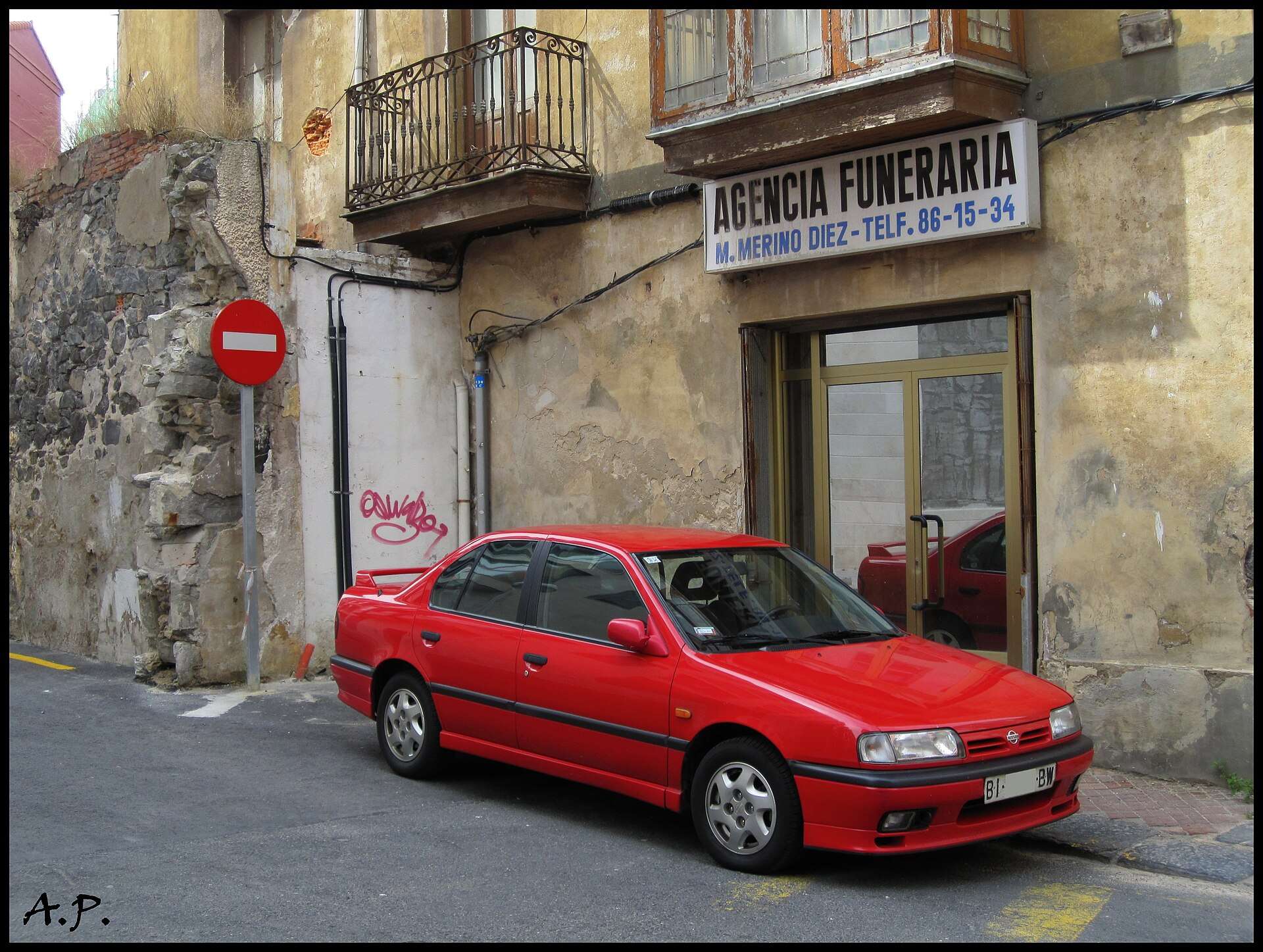
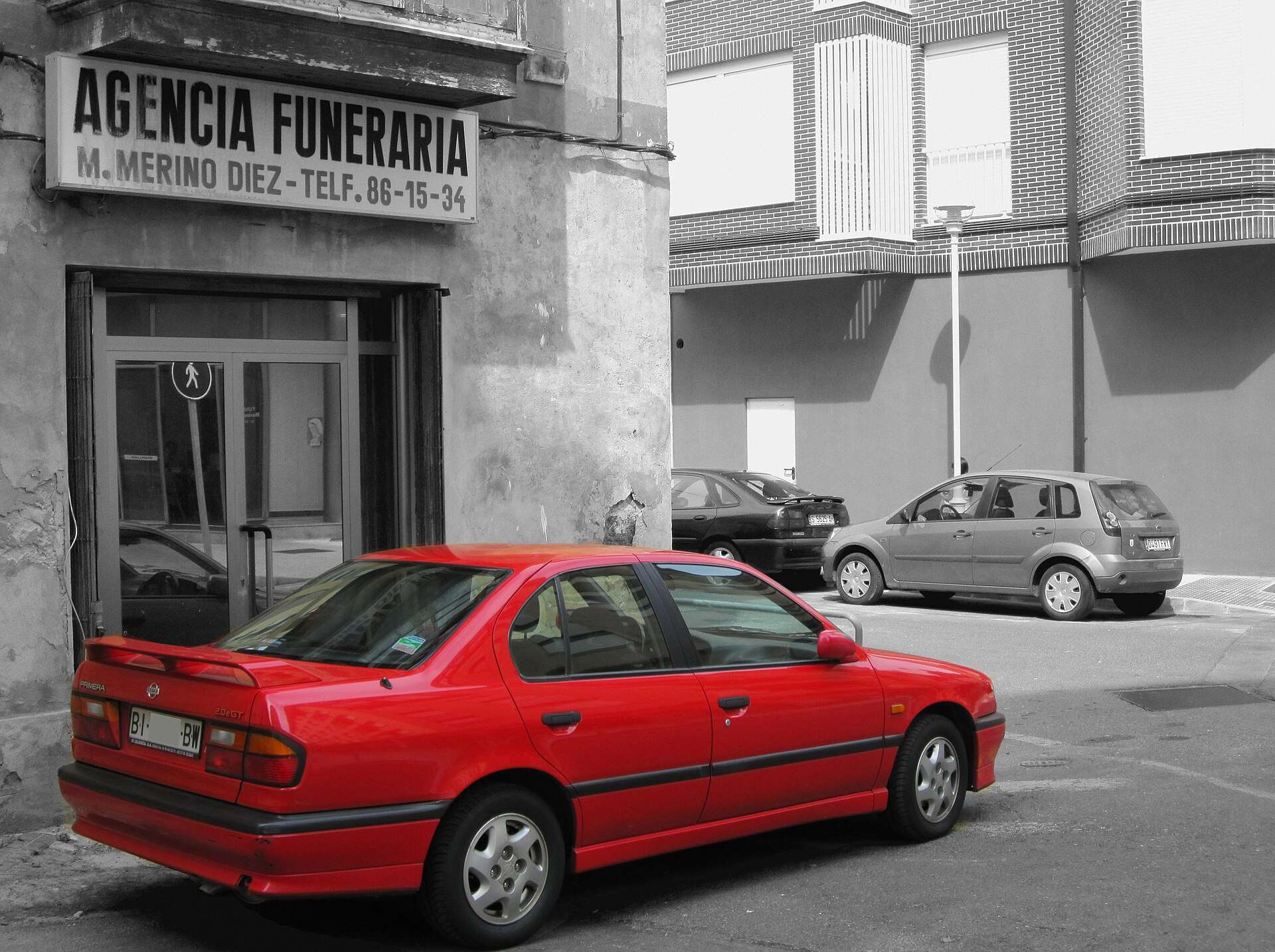
Nissan launched the P10 Primera in Europe in 1990 as the Bluebird’s replacement. The sporting 2.0 eGT used the naturally aspirated SR20DE twin-cam engine and was offered in four-door and five-door forms. Nissan’s heritage archive records P10 production from 1990 to 1995 and specifically identifies the 2.0e GT.

The eGT’s appeal was balance: a responsive engine, manual gearbox, independent suspension and a body that remained practical and restrained. Original wheels, seats, spoilers and badges are now important because parts cars have largely disappeared.
P11 Primera GT
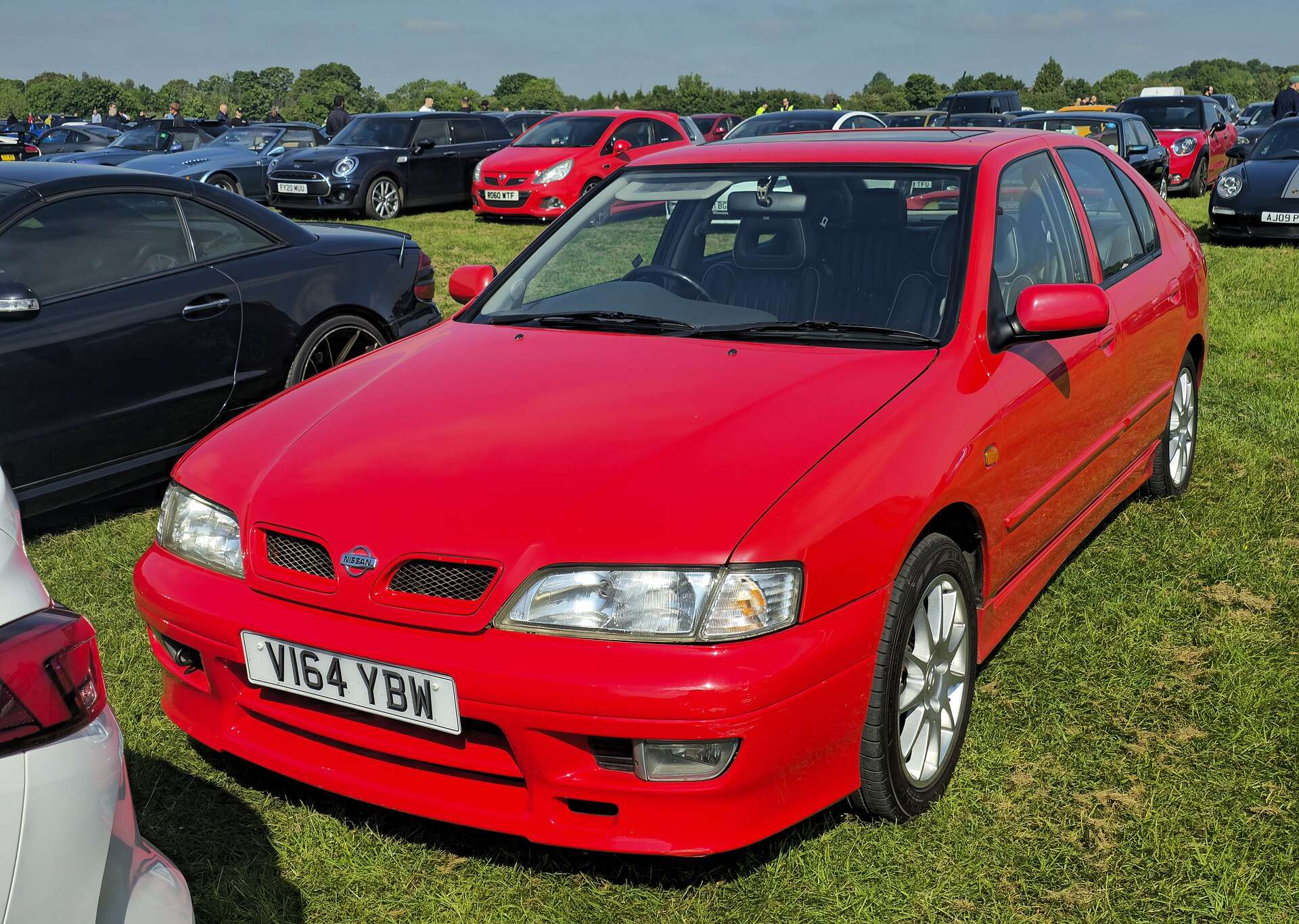
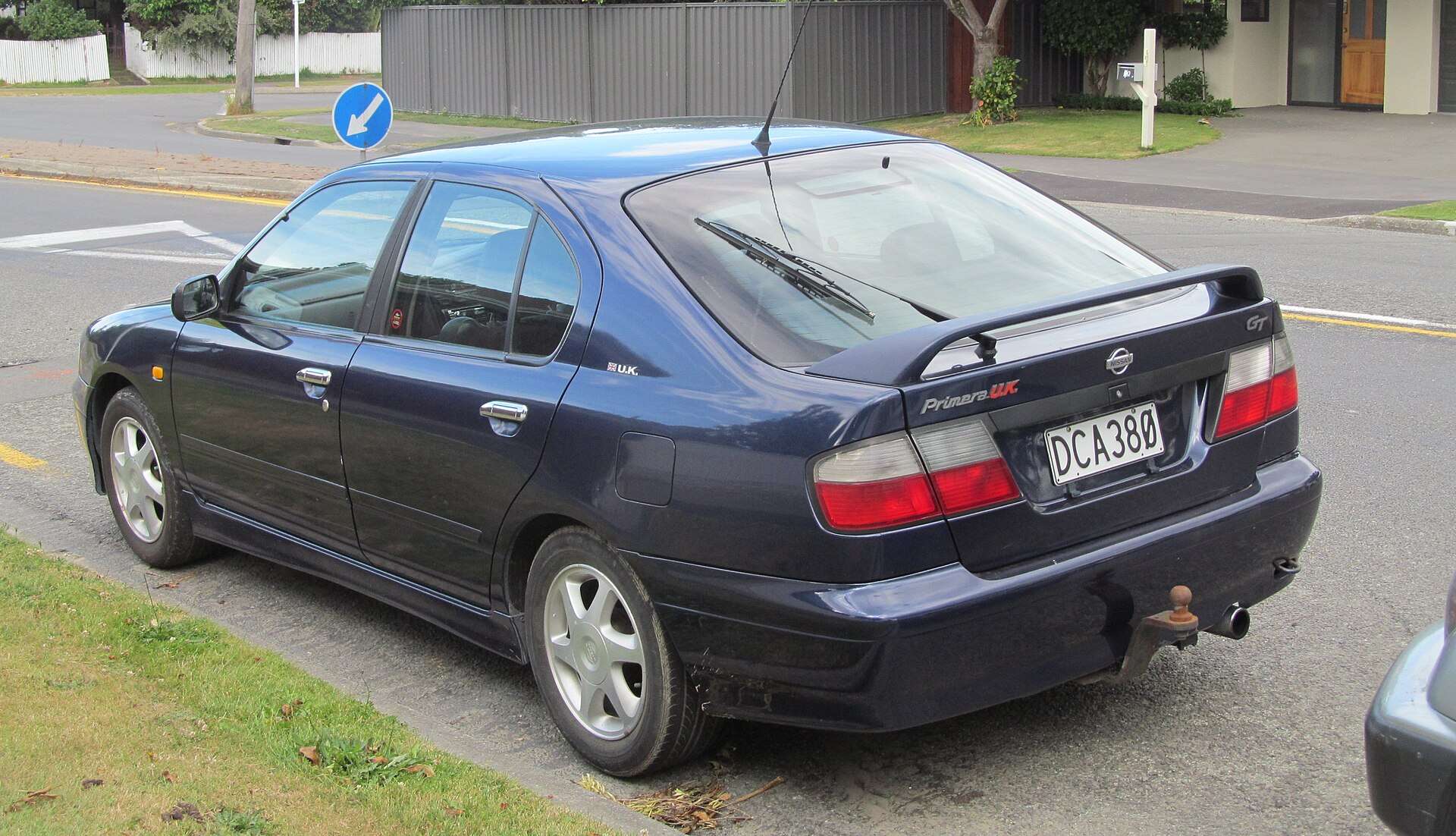
The P11 replaced the P10 for the mid-1990s. UK GT models retained a two-litre naturally aspirated performance focus but used the newer body, revised cabin and updated chassis. Market names and equipment vary, so do not treat every two-litre Primera as a GT.
| Model | Character |
|---|---|
| P10 2.0 eGT | Original sporting Primera; light, understated and closely associated with the model’s early handling reputation. |
| P11 GT | Later UK performance derivative with revised body and interior while retaining two-litre naturally aspirated power. |
| Other two-litre Primeras | May share engine family or equipment but are not automatically eGT or GT models. |
| Super Touring race cars | Purpose-built competition machines related to the production shell, not road-going GT specifications. |
Love cars you don’t see every day?
Get forgotten cars, surprising motoring stories and the most interesting finds from Unusual Cars by email.
Free to join. No spam. Unsubscribe whenever you like. See our privacy policy.
BTCC and Super Touring significance
The Primera’s competition story lifted an understated family car into motorsport history. Nissan and Nismo ran P10 and later P11-based cars in international two-litre touring-car competition. Nissan’s own racing history records the P10 in Britain and the P11’s later four-win 1996 Japanese season.

In Britain, the RML-developed Primera became a benchmark Super Touring car, culminating in major success in 1998 and 1999. A road GT is not a replica of that racing machine, but the shared visual identity and Nissan’s chassis development give the production car lasting enthusiast interest.
SR20DE engine and gearbox
Start from cold and check oil level, chain noise, smoke, stable idle and cooling. The SR20DE is robust when serviced, but age, low oil and neglected cooling systems matter. Check for oil leaks, brittle hoses, tired engine mounts and improvised intake or exhaust work.

The manual gearbox should select every gear cleanly. Listen for bearing or differential noise and assess clutch take-up. Modified suspension, exhausts and induction systems are common; originality and reversible work now add value.
Rust, suspension and brakes
Inspect sills, jacking points, floor seams, front and rear arches, chassis legs, strut towers and suspension mounting areas. Lift boot trim and check for water ingress or rear-end repairs. A cosmetically tidy upper body does not guarantee sound structure underneath.
Check dampers, springs, bushes, ball joints, steering joints, wheel bearings and brake pipes. Uneven tyre wear may reveal alignment problems or tired suspension. Standard-quality parts are preferable to the cheapest lowering components.
Identity, trim and practicality
Match the VIN and model code with the registration record and original equipment. Genuine seats, steering wheel, instruments, spoilers and wheels can be difficult to replace. Test the heater, air conditioning, windows, central locking and sunroof if fitted.
Sources and further reading
- Nissan Heritage: Primera generations
- Nismo: racing history and Primera competition record
- Wikimedia Commons: Nissan Primera BTCC archive
Continue the Nissan story
The Primera GT shows how Nissan combined European family-car practicality with serious chassis engineering. Explore the complete Nissan hub and read the Nissan Bluebird ZX Turbo guide.
Frequently asked questions
What is a Nissan Primera eGT?
It is the sporting two-litre P10 Primera, offered in European markets with the naturally aspirated SR20DE engine.
What is the difference between Primera eGT and GT?
The eGT name is associated with the P10 generation, while the later P11 performance model was generally sold in Britain as the Primera GT.
Did the Nissan Primera race in the BTCC?
Yes. Purpose-built P10 and P11 Super Touring Primeras competed in the British championship, with the P11 becoming especially successful.
Are Primera GT parts difficult to find?
Routine mechanical items remain obtainable, but original model-specific trim, body panels, seats, wheels and badges can be difficult.
Where does a Nissan Primera rust?
Inspect sills, jacking points, floors, arches, chassis legs, strut towers and suspension mounting areas.