UNUSUAL CARS MODEL GUIDE
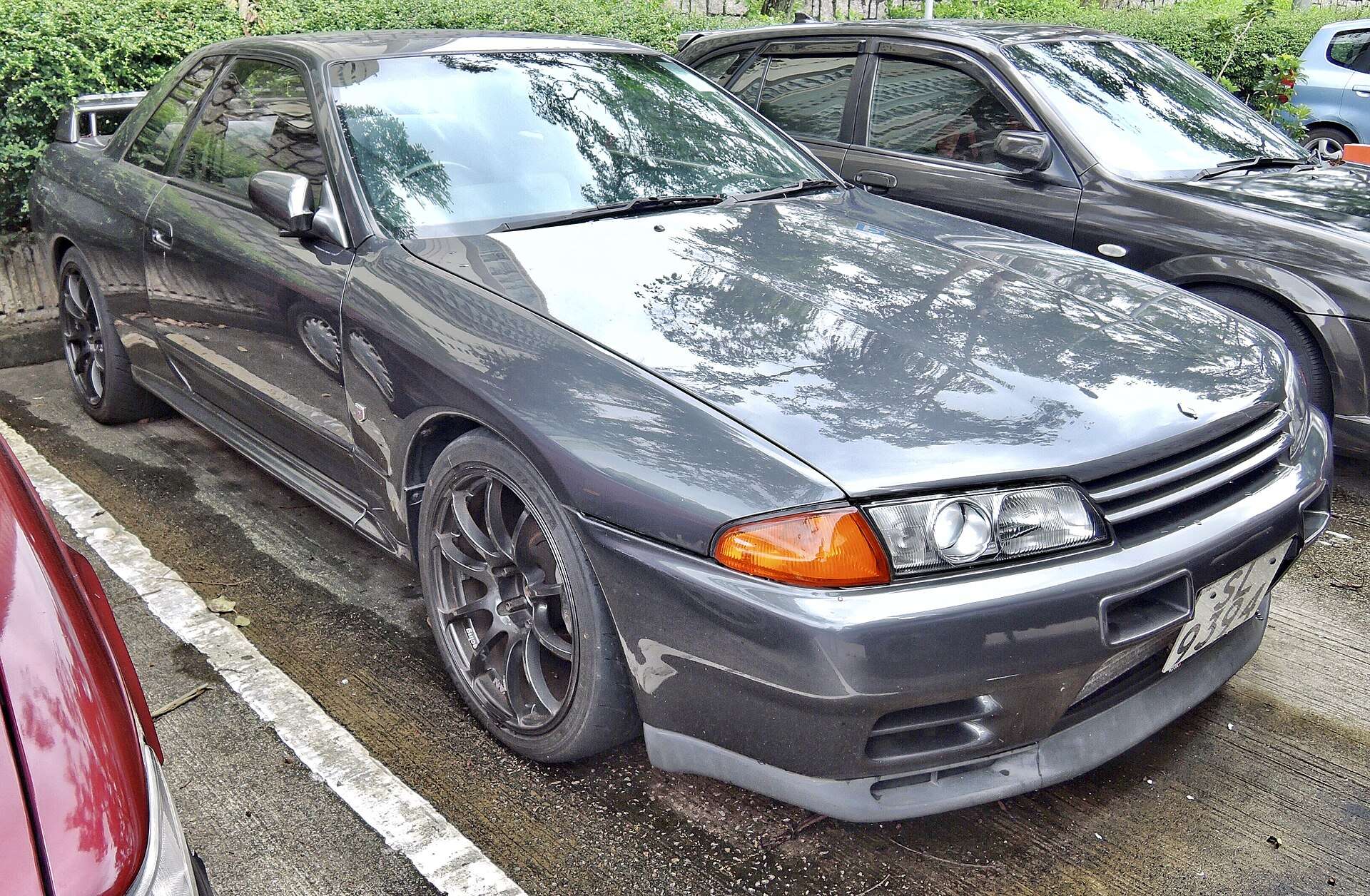
The Nissan Skyline GT-R R32 returned the GT-R badge in August 1989 after a 16-year absence. Nissan combined the 2.6-litre twin-turbo RB26DETT engine with ATTESA E-TS electronically controlled four-wheel drive, Super HICAS rear steering and a chassis developed around Group A touring-car rules. The result became one of Japan’s defining performance cars.
Why the R32 GT-R mattered
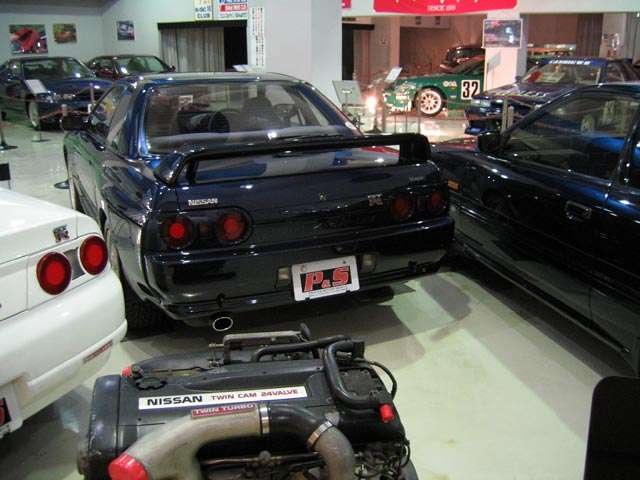
The eighth-generation Skyline range appeared in 1989, but the GT-R was engineered as a distinct homologation-minded flagship. Nissan’s official Heritage Collection records the RB26DETT at 2,568 cc, 280 PS at 6,800 rpm and 353 Nm at 4,400 rpm. Power passed through a five-speed manual gearbox to ATTESA E-TS, which could vary torque distribution rather than behaving like a simple permanent four-wheel-drive system.

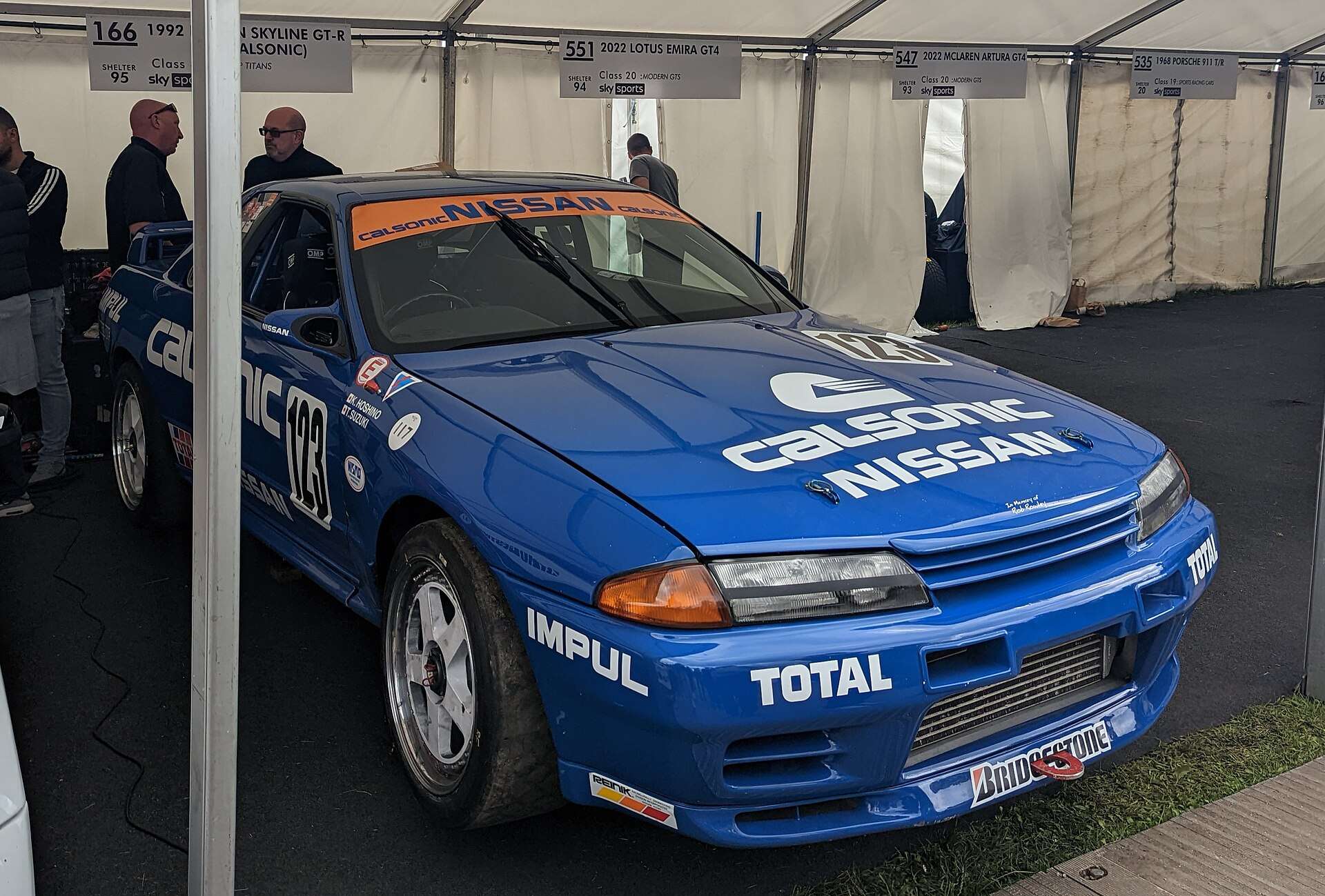
The car’s competition record turned technical interest into legend. Nissan’s heritage material records 29 wins from 29 Japanese Touring Car Championship starts between 1990 and 1993. R32s also won the Australian Touring Car Championship and Bathurst, prompting the Australian press to popularise the “Godzilla” nickname.
R32 GT-R specification
| Item | Official specification |
|---|---|
| Production period | August 1989 to January 1995 |
| Engine | RB26DETT 2,568 cc twin-turbo inline-six |
| Official output | 280 PS at 6,800 rpm; 353 Nm at 4,400 rpm |
| Transmission | Five-speed manual; ATTESA E-TS four-wheel drive |
| Chassis | Four-wheel multi-link suspension; Super HICAS rear steering |
| Kerb weight | Approximately 1,430 kg for the reference 1989 car |
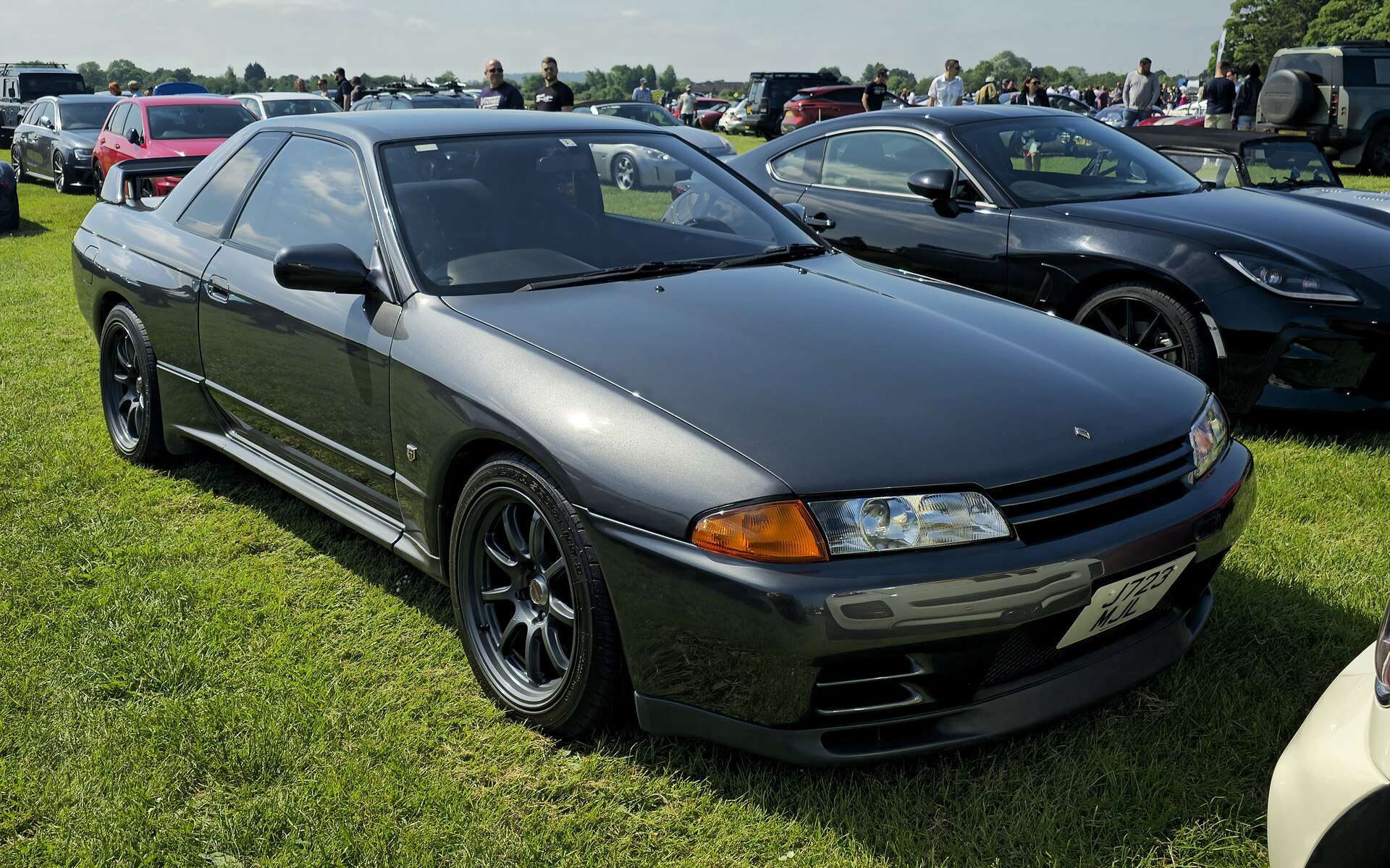
Figures vary across versions and model years. NISMO, V-Spec and V-Spec II cars introduced changes connected with competition eligibility and braking or wheel packages. Confirm a claimed special edition through chassis code, build information and original equipment rather than badges.
Love cars you don’t see every day?
Get forgotten cars, surprising motoring stories and the most interesting finds from Unusual Cars by email.
Free to join. No spam. Unsubscribe whenever you like. See our privacy policy.
RB26DETT engine and turbochargers
The RB26 is famously strong, but age, tuning and poor maintenance can overwhelm any reputation. Insist on a cold start. Listen for piston slap, bearing knock, timing noise and uneven idle; watch for blue smoke on start-up, overrun and boost. Check oil pressure when fully warm, coolant condition, compression or leak-down results and evidence of cambelt, tensioner, water-pump and ignition-system work.

Original ceramic turbochargers are responsive but dislike excessive boost and sustained overspeed. Many cars have replacements, larger injectors, upgraded fuel pumps, programmable management and modified intercooling. Those changes are not automatically undesirable, but every component and calibration should be documented. A rolling-road printout is less useful than consistent servicing, safe fuelling and a known engine builder.
ATTESA, gearbox and driveline
The four-wheel-drive warning light should extinguish normally, and torque transfer should feel progressive rather than binding or leaving the car permanently rear-driven. Mismatched tyres can upset the system. Check the hydraulic fluid, pump, sensors and transfer case; specialists can read faults that a generic inspection misses.
The five-speed gearbox can suffer worn synchromesh, especially on heavily used or high-power cars. Test every shift both cold and hot. Listen for transfer and differential noise, inspect driveshaft boots and check the Super HICAS system for warning lights, leaks and worn joints. Some cars have rear-steer delete kits; establish whether the conversion is engineered and declared.
Bodywork, rust and crash repairs
Inspect the sills, jacking points, floor, front chassis legs, strut towers, bulkhead seams, rear arches, boot floor, spare-wheel well and the areas around rear subframe mounts. Remove boot trim and examine seams. Bubbling around the rear arches may be only the visible edge of a larger repair.
Many R32s have circuit, drag or drift histories. Look for non-original welds, rippled inner panels, uneven shut lines, overspray, replacement front clips and distorted suspension pick-ups. Underseal can be protection or concealment, so invoices and photographs matter.
Interior, electronics and originality
Original seats, steering wheel, instruments, climate controls and trim have become valuable. Check every display and switch, including the climate-control panel, electric windows and warning lamps. Aftermarket alarms, gauges and audio systems often leave damaged wiring. Confirm that the 180 km/h Japanese speedometer, any converter and the odometer history are understood.

UK import and buying checks
Match the Japanese chassis number with import documents, NOVA evidence, UK registration record and any auction sheet. Commission a marque specialist who can assess mapping, boost control, compression, ATTESA operation and previous repairs. Budget for high-quality tyres, fluids, belts and cooling work immediately if evidence is incomplete.
The best R32 is not necessarily untouched: a sympathetic car with reputable suspension, brake and reliability upgrades can be excellent. The dividing line is traceability. Every modification should have a maker, installer, purpose and supporting calibration or geometry record.
Sources and further reading
- Nissan Heritage Collection: 1989 Skyline GT-R
- Nissan Global: history of the GT-R
- NISMO Heritage parts programme
Continue the Nissan story
The R32 sits between the early Hakosuka legend and Nissan’s later technology-led performance era. Explore the complete Nissan hub and read the Hakosuka Skyline guide.
Frequently asked questions
Why is the R32 GT-R called Godzilla?
Australian motoring media popularised the nickname after the Japanese car dominated local touring-car racing and won Bathurst.
What engine is in the Nissan Skyline GT-R R32?
It uses the RB26DETT, a 2,568 cc twin-turbo inline-six officially rated at 280 PS and 353 Nm in Nissan heritage specifications.
Is every R32 Skyline a GT-R?
No. The R32 Skyline range included rear-wheel-drive saloons and coupes with several engines. A genuine GT-R requires the correct BNR32 identity and drivetrain.
Where does an R32 GT-R rust?
Inspect sills, jacking points, floors, front chassis legs, strut towers, rear arches, boot floor, spare-wheel well and rear subframe areas.
What matters most when buying a modified R32 GT-R?
Demand invoices, named components, a reputable engine or mapping specialist, compression evidence and a calibration suited to the installed fuel and turbo system.