UNUSUAL CARS MODEL GUIDE
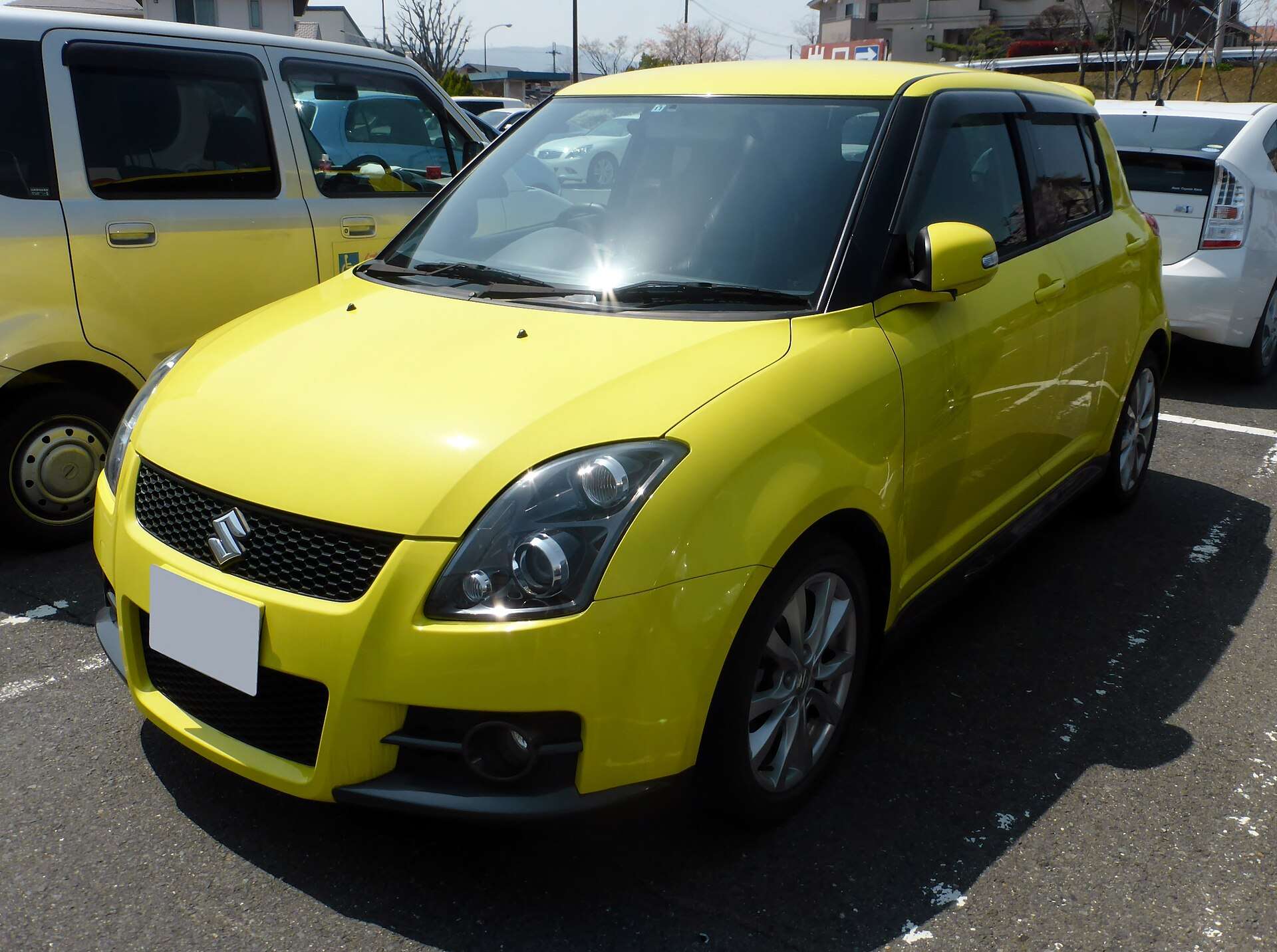
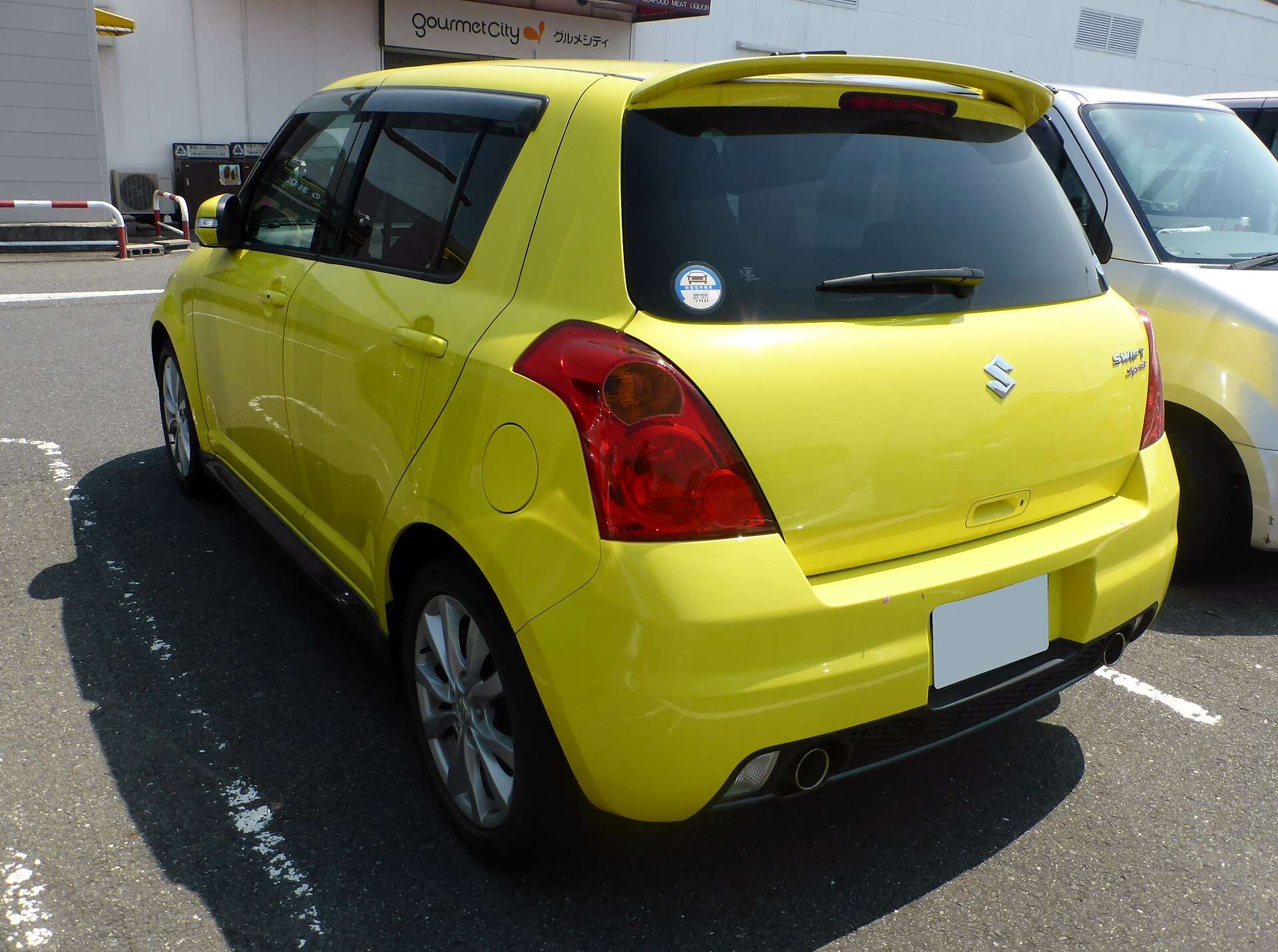
The Suzuki Swift Sport turned a light supermini into one of the most accessible modern hot hatches. The 2005 ZC31S established the formula with a rev-hungry 1.6-litre engine, the 2011 ZC32S sharpened it with six gears, and the 2017 ZC33S substituted a 1.4-litre turbo engine and substantial mid-range torque.
Quick answer: choose the ZC31S for raw simplicity, the ZC32S for the sweetest naturally aspirated all-round package, or the ZC33S for effortless performance and economy. Condition, service history and sympathetic modifications matter more than mileage alone.
Three generations, one lightweight idea
Suzuki launched the first global Swift Sport in 2005. It was not the fastest hot hatch of its era, but a close-ratio gearbox, compact dimensions and low weight made it unusually engaging at legal speeds. The second generation arrived in 2011, while the third followed in 2017 with turbocharging and a quoted kerb weight of only 970 kg in European launch specification.
| Generation | Engine | Character |
|---|---|---|
| ZC31S | 1.6 M16A, five-speed manual | Simple, lively and firmly sprung. |
| ZC32S | 1.6 M16A, six-speed manual | More refined, still naturally aspirated and eager. |
| ZC33S | 1.4 Boosterjet turbo, six-speed manual | Much stronger torque, 230 Nm at launch, and low weight. |
Love cars you don’t see every day?
Get forgotten cars, surprising motoring stories and the most interesting finds from Unusual Cars by email.
Free to join. No spam. Unsubscribe whenever you like. See our privacy policy.
ZC31S: the original modern Swift Sport
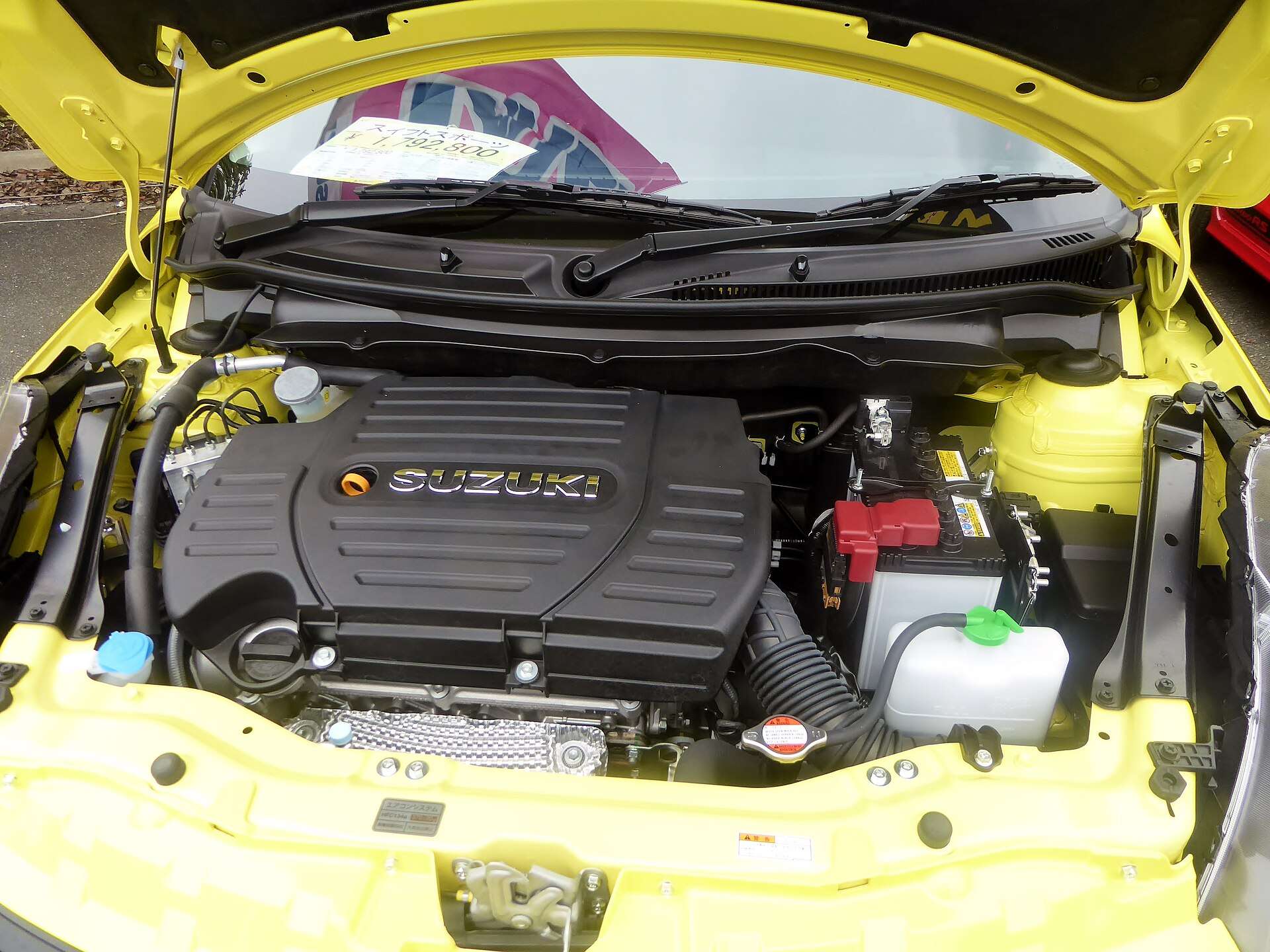
The ZC31S used the M16A four-cylinder with variable valve timing and a five-speed manual gearbox. It needs revs to deliver its best, which is part of the appeal. Check for accident repairs, tired suspension, worn engine mounts and neglected brakes; many cars have been inexpensive daily transport and then modified.

ZC32S: the naturally aspirated sweet spot
The ZC32S added a six-speed gearbox, improved cabin quality and a broader spread of ability. Its engine remains naturally aspirated, so performance builds progressively. Listen for timing-chain noise from a cold start, check gearbox synchromesh and make sure the clutch takes up cleanly. Uneven tyre wear can reveal poor alignment or bent suspension parts.
The model is often praised for durability, but age brings seized brake calipers, tired dampers, worn drop links and corrosion on exhaust components. A full history is valuable because regular fluid changes and careful warming preserve a high-revving engine better than cosmetic polishing.
ZC33S: turbo torque changes the character
The ZC33S uses Suzuki’s 1.4-litre Boosterjet turbo engine. With 230 Nm in the original European version and very little mass, it feels much faster in ordinary driving than the earlier cars. Later mild-hybrid versions changed the output and response, so confirm the exact year and market specification.

Inspect turbo hoses, coolant level, oil history and signs of aftermarket boost increases. The engine responds well to tuning, but an undocumented remap can raise thermal and transmission loads. Ensure driver-assistance systems, air conditioning and infotainment operate correctly.
Body, chassis and road test
Check door shuts, front chassis legs, boot floor and paint depth for accident repairs. These are light cars, and a hard kerb strike can damage wheels, hubs or suspension. On the road the steering should track cleanly, brakes should remain straight under pressure and no warning lights should remain illuminated.
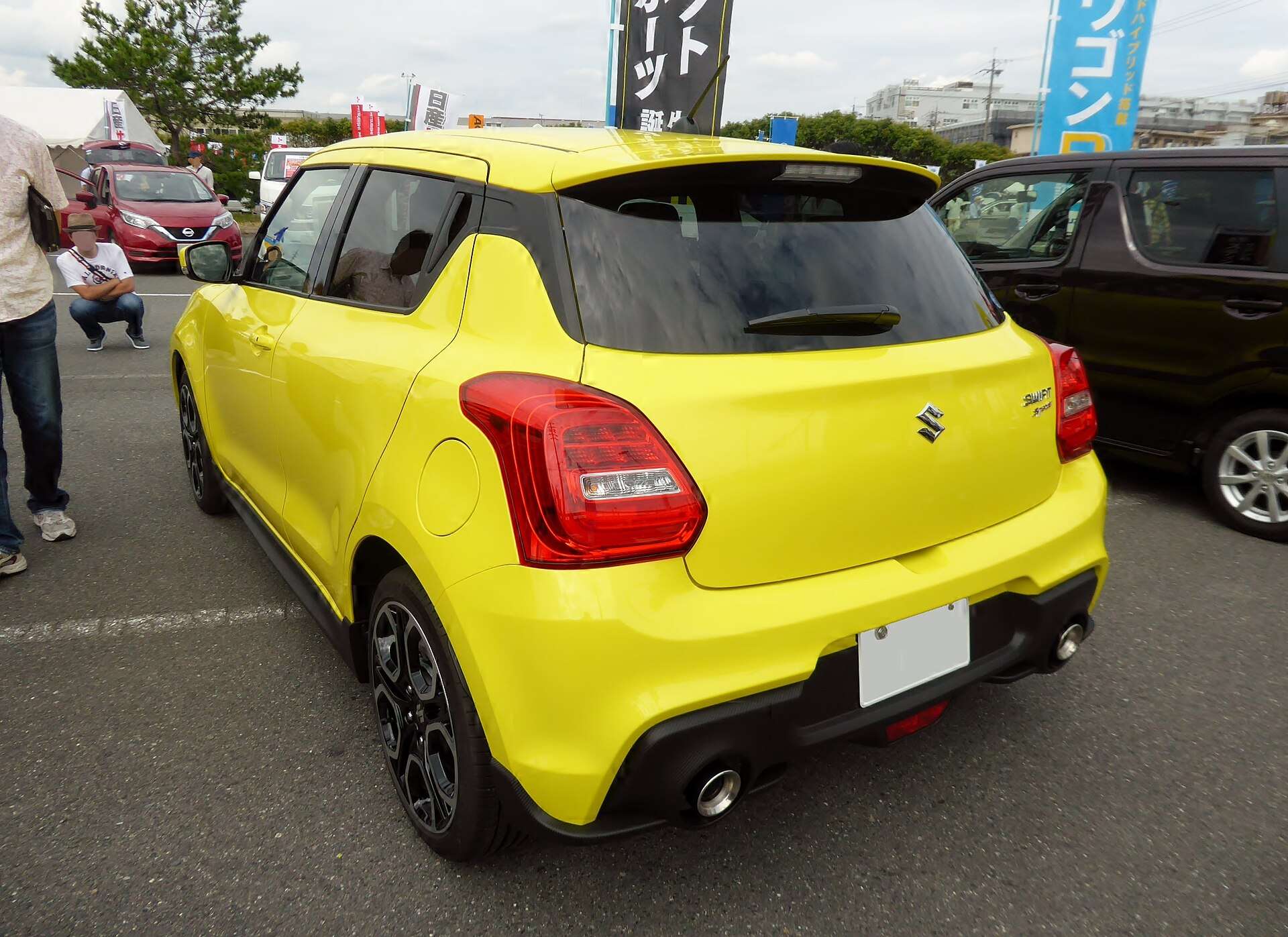
Aftermarket springs, wheels and exhausts are common. Quality parts with alignment records can improve a car, but overly stiff suspension and heavy wheels spoil the balance that makes the Swift Sport special. Original parts add value and make future reversal possible.
Which Swift Sport should you buy?
The ZC31S offers the most analogue experience and the lowest entry price. The ZC32S combines naturally aspirated response with six-speed usability. The ZC33S is the quickest and most economical in everyday use, but also the most sensitive to software and boost-related modification. Buy the best documented example of the generation whose character suits you.
Sources and further reading
Continue the Suzuki story
The Swift Sport proves that low mass and honest responses matter more than headline power. Explore the Suzuki hub, the Swift GTi guide, the Alto Works guide.
Frequently asked questions
Which Suzuki Swift Sport generation is best?
The ZC31S is the simplest, the ZC32S is the most developed naturally aspirated car, and the turbocharged ZC33S delivers the strongest everyday performance.
Is the ZC33S Swift Sport turbocharged?
Yes. It uses a 1.4-litre Boosterjet turbo engine, unlike the naturally aspirated 1.6-litre ZC31S and ZC32S.
Does every Swift Sport have six gears?
No. The ZC31S uses a five-speed manual gearbox; the ZC32S and ZC33S use six-speed manuals in UK specification.
What modifications should concern a buyer?
Undocumented engine software, boost increases, very stiff suspension, poor wheel fitment and removed emissions equipment deserve careful investigation.
What should be checked before buying?
Inspect accident repairs, tyres, wheels, suspension, brakes and exhaust, then verify cold-start behaviour, gearbox synchromesh, clutch operation, fluid history and all warning systems.