UNUSUAL CARS MODEL GUIDE
The first-generation Freelander was a radical Land Rover. It used a monocoque body, independent suspension and no low-range transfer box, yet still delivered useful off-road ability through permanent four-wheel drive, Hill Descent Control and carefully controlled wheel travel. It also gave buyers a choice no rival matched: a conventional five-door, a three-door Hardback and an open-sided Softback.
Quick answer: the Freelander 1 was sold from 1997 to 2006. UK engines included the 1.8-litre K-series petrol, 2.0-litre L-series diesel, later BMW-sourced Td4 diesel and 2.5-litre KV6 petrol. A substantial 2003 facelift improved the cabin and brought the exterior closer to the Discovery 3, while Sport models used firmer, 30 mm-lower suspension.
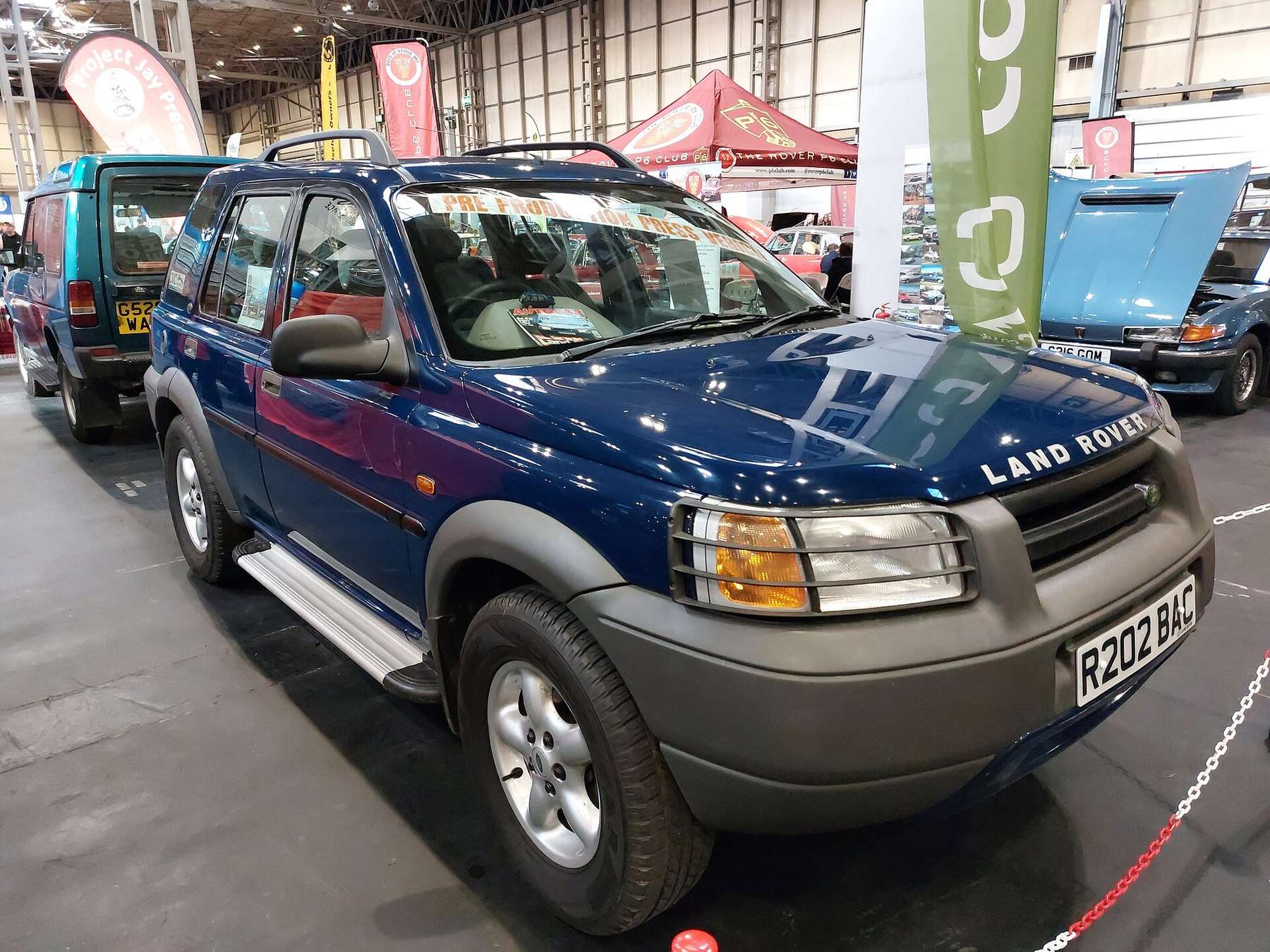
Featured image: 1997 Land Rover Freelander 1.8 XEi five-door. Photograph by kieranwhite599, CC BY 2.0, via Wikimedia Commons; locally hosted.
A new sort of Land Rover
Project CB40 was conceived as a smaller, road-friendly Land Rover that could reach families who did not need a Discovery. Production began at Solihull before moving to Halewood. The transverse engine, unitary body and four-wheel independent suspension were departures from Land Rover tradition, but the driving position, approach angles and traction systems were unmistakably from the same company.
The viscous-coupled driveline normally allowed a small speed difference between front and rear axles. Hill Descent Control, introduced on the Freelander, used the anti-lock brakes to control speed on steep descents and later spread across the Land Rover range.

Body styles, engines and updates
| Version | Key details |
|---|---|
| Five-door Station Wagon | Conventional family body with split tailgate glass arrangement |
| Three-door Hardback | Shorter-looking removable rear roof section |
| Three-door Softback | Folding fabric rear hood with removable side panels |
| Early engines | 1.8 petrol and 2.0 L-series diesel |
| 2001 additions | Td4 diesel and 2.5 KV6 petrol, including automatic options |
| 2003 facelift | Revised lights, bumpers, dashboard and trim |
The manual 1.8 was light and lively, the Td4 became the popular long-distance choice, and the smooth KV6 gave the compact Land Rover unexpected pace. Commercial derivatives also appeared, while late Sport and Sport Premium versions sharpened the appearance and road manners.

Love cars you don’t see every day?
Get forgotten cars, surprising motoring stories and the most interesting finds from Unusual Cars by email.
Free to join. No spam. Unsubscribe whenever you like. See our privacy policy.
The 2003 facelift and Sport models
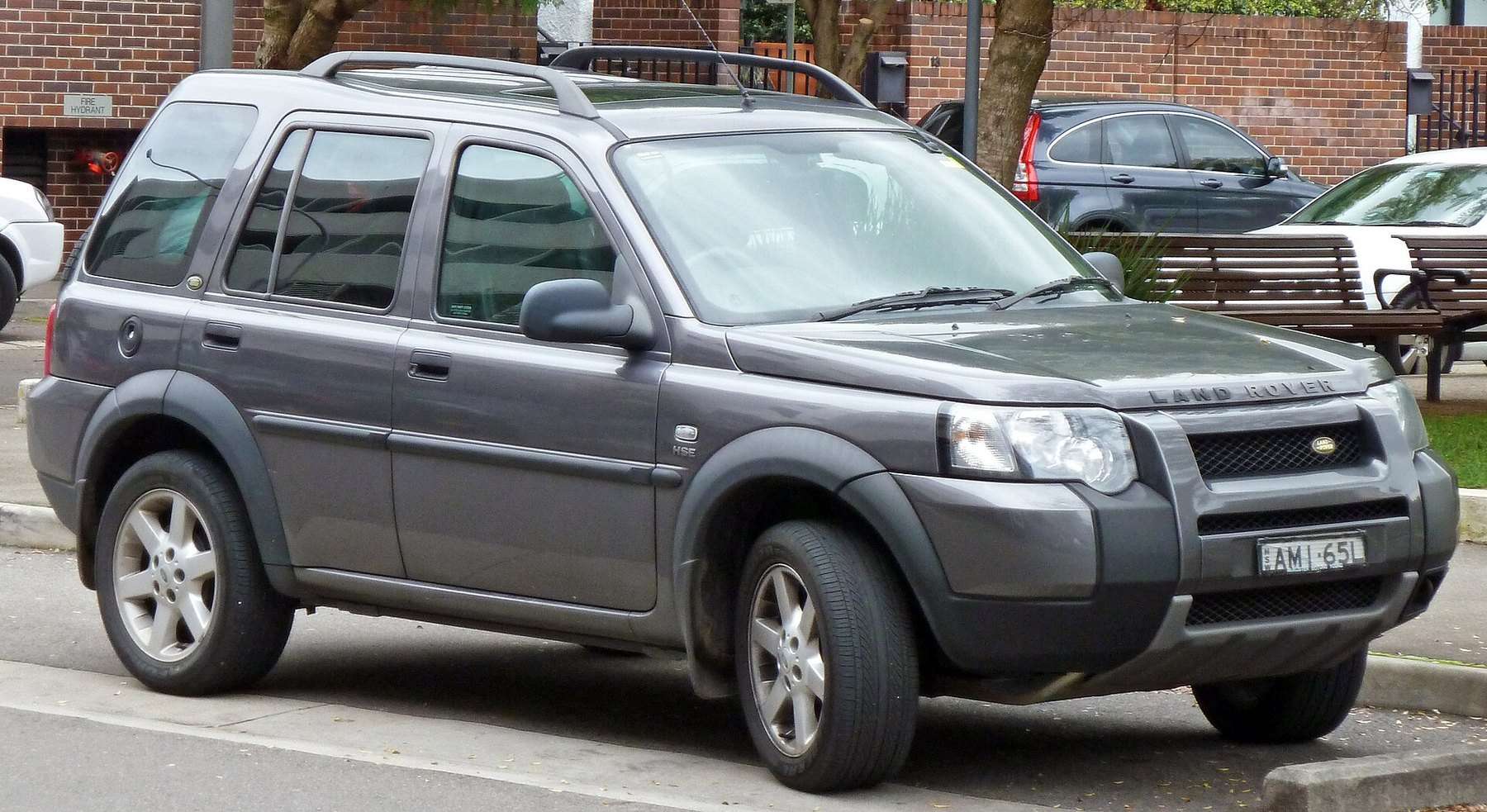
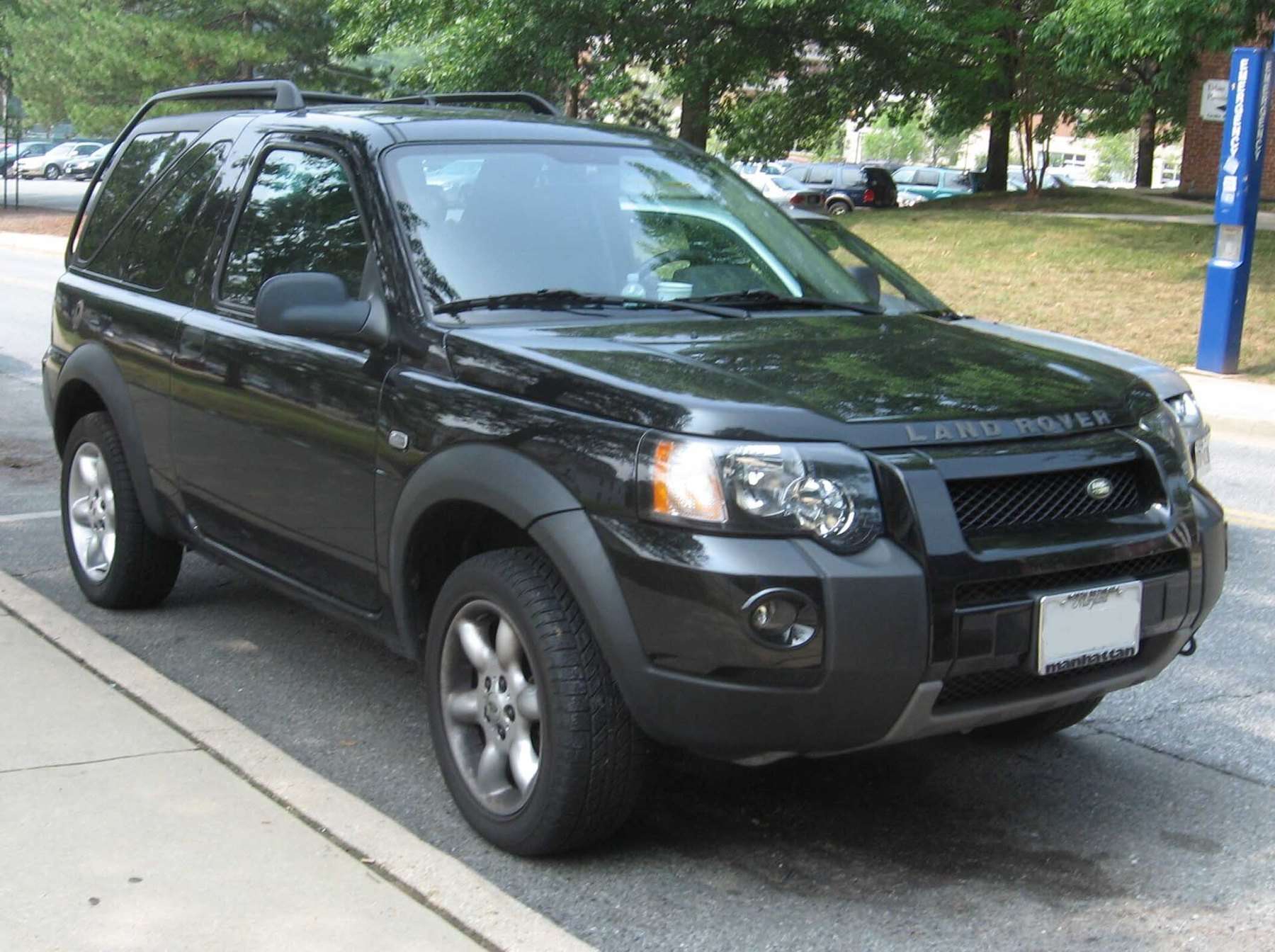
The late update brought twin-pocket headlamps, clearer rear lights, reshaped bumpers and a substantially revised dashboard. These cars usually feel more modern inside and are now among the most usable Freelanders, although condition matters more than trim level.
Sport models sat around 30 mm lower on firmer springs and dampers. They were intended as road-biased derivatives, not replacements for standard cars, and buyers should confirm that suspension parts, wheel sizes and tyre specifications remain coherent.
Four-wheel-drive system checks
All four tyres must be the same size, closely matched in tread depth and correctly inflated. Unequal rolling circumferences can keep the viscous coupling working continuously, which overloads the intermediate reduction drive, rear differential and bearings. Tightness, hopping or heavy resistance on full steering lock are warning signs.
Check that both propshafts and the viscous coupling are present. Some damaged cars have been converted to front-wheel drive by removing them. That masks rather than repairs a fault and removes an important part of the Freelander’s identity and ability.
Engines, cooling and cabin
On the 1.8, inspect cooling-system condition, coolant level, thermostat history and evidence of head-gasket repair completed with the later components and correct diagnosis. Td4 checks include crankcase ventilation, injector balance, turbo hoses, fuel pumps and smooth clutch or automatic operation. KV6 cars need evidence of timing-belt and cooling-system maintenance.
Test the tailgate window, rear wiper, central locking, sunroofs and every electric item. Water can enter around roof seals, rear doors and tailgate areas. Damp carpets, mould or a wet load floor require investigation.

How to buy a good Freelander 1
Prioritise a complete four-wheel-drive system, four matching tyres, stable cooling and a dry interior. Inspect rear subframe and suspension mounts, sill seams and brake pipes, then road-test for transmission whine and vibration at several speeds.
A well-maintained Td4 facelift is the easiest all-round recommendation, but an original early XEi or good Softback has greater period character. Service records and evidence of correct mechanical decisions matter more than a low asking price.
Sources and further reading
- Hagerty UK Freelander buying guide
- Haynes UK Freelander Mk1 buying guide
- Rimmer Bros Freelander model history and parts catalogue
- Land Rover Freelander owner's handbook
Continue the Land Rover story
The Freelander shows how Land Rover translated its off-road knowledge into a compact family car without simply shrinking a Discovery. Explore the complete Land Rover hub. Continue with the Range Rover Sport L320 Supercharged. Read the Discovery 3 G4 Challenge guide.
Frequently asked questions
When was the Land Rover Freelander 1 sold?
The first-generation Freelander was launched in 1997 and remained in production until 2006.
Which Freelander 1 engine is the best all-round choice?
A well-maintained Td4 is generally the easiest all-round choice, but condition and maintenance history are more important than engine badge alone.
Did every Freelander 1 have four-wheel drive?
Production Freelanders were built with permanent four-wheel drive, although some damaged used cars have had their rear propshaft removed.
What is the biggest Freelander 1 transmission check?
Check for four matching tyres, a present propshaft and viscous coupling, and no hopping or tightness on full lock.
What changed in the 2003 Freelander facelift?
It brought revised lights and bumpers, a redesigned dashboard and updated trims, followed by road-biased Sport versions.