UNUSUAL CARS MODEL GUIDE
The Aston Martin Vanquish Zagato developed from a single coachbuilt coupé into an extraordinary four-model family. Between them, the Coupé, Volante, Speedster and Shooting Brake combined second-generation Vanquish mechanicals with carbon-fibre bodies shaped by Aston Martin and Zagato. A maximum of 325 cars was announced across the four forms.
Quick answer: The family consists of 99 Coupés, 99 Volantes, 28 Speedsters and 99 Shooting Brakes. All use a naturally aspirated 5.9-litre V12 producing about 600PS with the eight-speed Touchtronic III automatic transmission. Their carbon bodies, glass, lamps, trim and luggage are highly specific. Buyers should confirm exact build identity, original Q specification, carbon condition, transaxle history, brakes, dampers and the completeness of model-specific equipment.
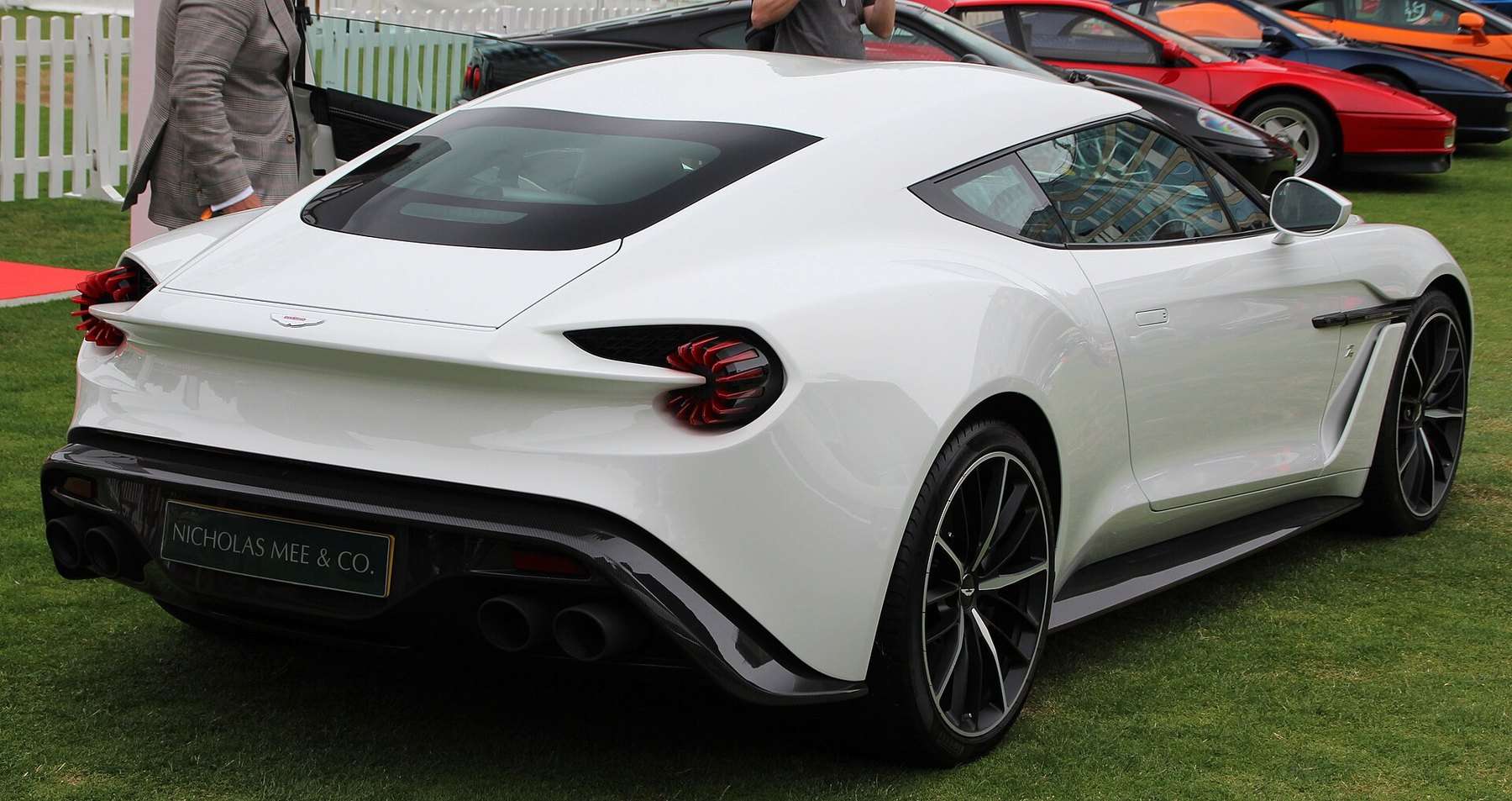
Featured image: Aston Martin Vanquish Zagato coupé at London Concours. Photograph by MrWalkr, CC BY-SA 4.0, via Wikimedia Commons; locally hosted.
From 2016 concept to four-car family
Aston Martin revealed the Vanquish Zagato Concept at Villa d’Este in 2016. Demand for the production Coupé encouraged a Volante, after which the partnership expanded to the Speedster and Shooting Brake. The programme became a deliberate family rather than four unrelated commissions.
Zagato signatures include the double-bubble roof theme, circular or blade-like rear lights, a broad grille and strong rear haunches. Aston Martin’s design team and the Milanese coachbuilder developed the surfaces together, while final production used the company’s established low-volume methods.

V12, transmission and production numbers
The cars use the 5,935 cc naturally aspirated V12 in approximately 600PS tune and the eight-speed Touchtronic III rear transaxle. Carbon-fibre exterior panels replace the standard Vanquish body, while suspension calibration was revised for the special editions.
| Version | Maximum production |
|---|---|
| Coupé | 99 |
| Volante | 99 |
| Speedster | 28 |
| Shooting Brake | 99 |
| Total family | 325 |
Individual cars could be extensively personalised through Q by Aston Martin. Paint, exposed carbon, leather, stitching and trim therefore need verification against the original specification rather than comparison with another example.
Love cars you don’t see every day?
Get forgotten cars, surprising motoring stories and the most interesting finds from Unusual Cars by email.
Free to join. No spam. Unsubscribe whenever you like. See our privacy policy.
Coupé and Volante
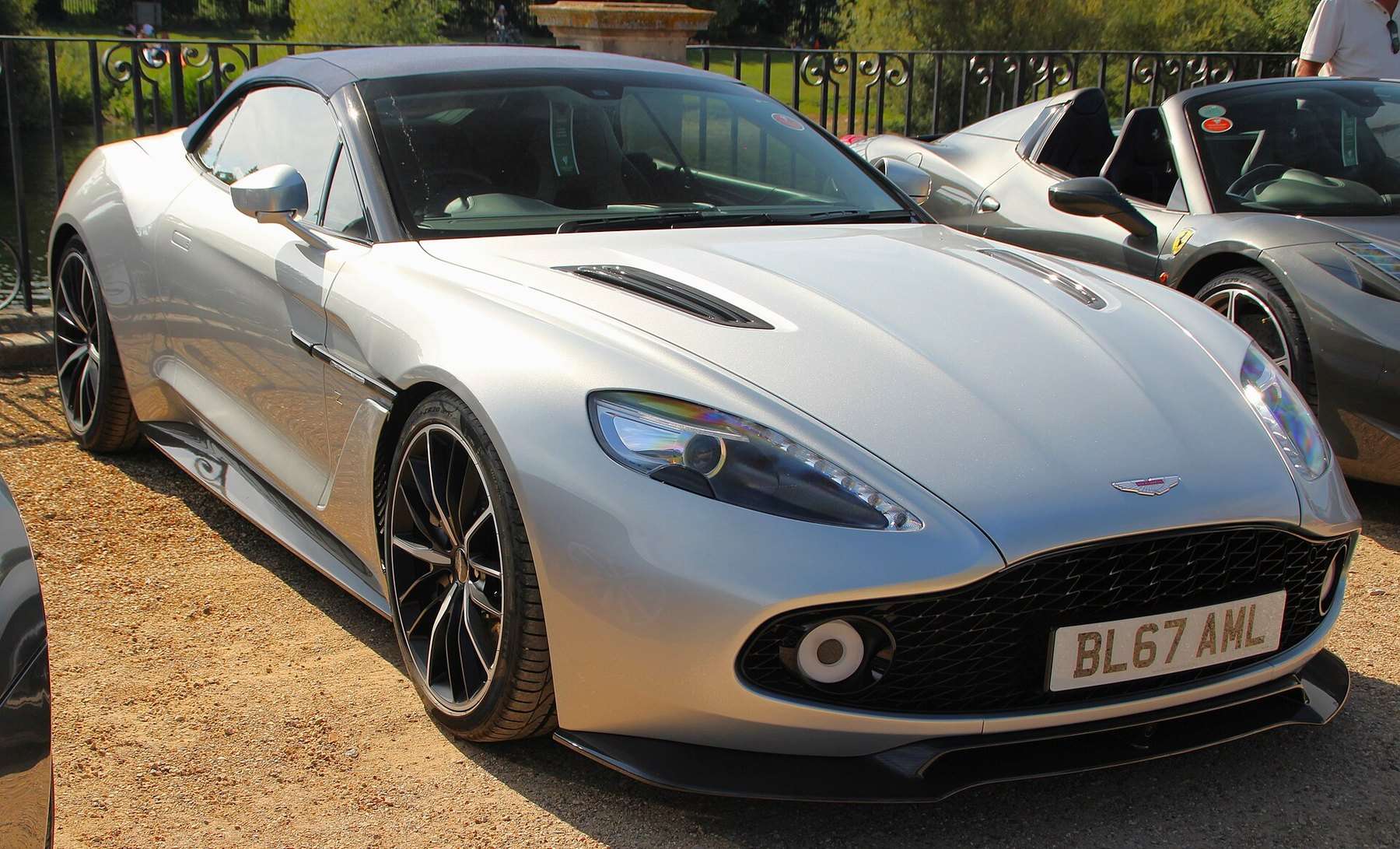
The Coupé established the design language with a flowing fixed roof and double-bubble surfacing. Its rear treatment uses sculpted carbon and distinctive lighting inspired by the Vulcan. The Volante retains the basic proportions while accommodating a folding fabric roof and structural reinforcement.
On either car, examine the carbon body, glazing, lamp units, grille and panel alignment. For the Volante, operate the roof repeatedly and inspect the frame, hydraulic system, seals, drains, headlining and rear deck. Damp carpets or irregular shut lines require further investigation.
Speedster and Shooting Brake
The 28-car Speedster is the rarest production member. Instead of a roof it uses twin streamlined cowls, described as Speed Humps, to reinterpret Zagato’s double-bubble signature. Its open cabin, limited weather protection and unique rear body make missing or damaged trim particularly consequential.
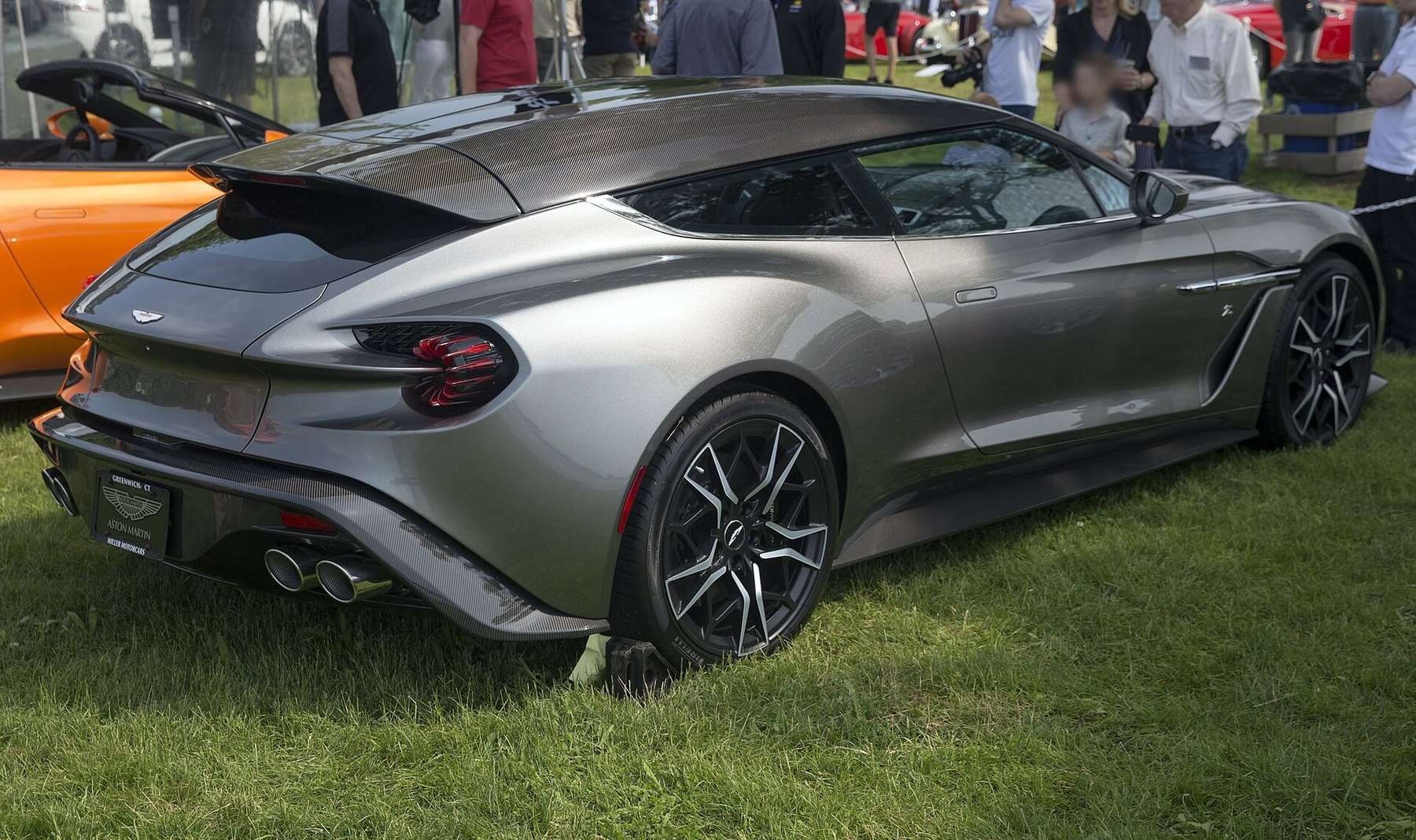
The two-seat Shooting Brake is the most extensively reworked shape. It uses an elongated roof with glass inlays, a powered tailgate and a specially trimmed luggage area. Engineering changes were required to create usable rear storage. Confirm the powered tailgate, glass roof functions, seals, bespoke luggage and every interior panel.

Mechanical and structural inspection
Cold-start the V12 and check oil pressure, cooling control, exhaust condition and stored faults. Radiators and condensers sit in vulnerable airflow, while coils, plugs, hoses and seals age even on cars that cover little distance. The automatic transaxle should engage and shift consistently without vibration.
Inspect carbon panels and the bonded-aluminium structure for impact, repaired laminate, corrosion at mixed-material interfaces and underbody damage. Measure carbon-ceramic brake condition where fitted, assess dampers and bushes, and inspect wheels and tyres for kerb damage, age and flat spotting.

Provenance, completeness and which one to buy
Start with the factory build sheet, numbered identity, first-owner documents and complete Q specification. Books, keys, charger, covers, luggage and design samples should be inventoried. Bespoke glass, carbon panels and lamps can be difficult to source, making completeness more valuable than a superficially perfect repaint.
The Coupé is the cleanest expression of the original idea, the Volante adds open touring, the Speedster is the rarest, and the Shooting Brake is the most structurally and visually distinctive. Whichever version is chosen, transparent history and specialist inspection matter more than headline mileage.
Sources and further reading
- Aston Martin Media: complete Vanquish Zagato family
- Aston Martin Media: Vanquish Zagato Coupé
- Top Gear: driving all four Vanquish Zagatos
- Zagato heritage
Continue the Aston Martin story
The Vanquish Zagato quartet is the broadest single collaboration in Aston Martin and Zagato’s long relationship. Explore the complete Aston Martin hub. Compare the standard second-generation Vanquish. Read the DB7 Zagato guide.
Frequently asked questions
How many Aston Martin Vanquish Zagatos were built?
Aston Martin announced a maximum family total of 325: 99 Coupés, 99 Volantes, 28 Speedsters and 99 Shooting Brakes.
What engine does the Vanquish Zagato use?
The family uses a naturally aspirated 5,935 cc V12 producing about 600PS with an eight-speed automatic transaxle.
Which Vanquish Zagato is rarest?
The Speedster is the rarest production version, limited to 28 cars.
Is the Shooting Brake a four-seater?
No. It is a two-seat grand tourer with an extended, specially trimmed luggage area.
What is the main buying risk?
Damage or missing parts involving the bespoke carbon body, glass, lamps, roof or interior can be exceptionally difficult and expensive to correct.