UNUSUAL CARS MODEL GUIDE
The first-generation Bentley Continental GT was the car that transformed Bentley from a low-volume Crewe specialist into a modern global luxury marque. Launched in 2003, it combined a 6.0-litre twin-turbo W12, permanent four-wheel drive and genuine four-seat grand-touring ability in a shape that remained recognisably Bentley.
Quick answer: the Mk1 Continental GT is now an attainable 198mph-era flagship, but it is never a cheap car to neglect. Buy on maintenance history, cooling-system health, air suspension, drivetrain condition, electronics, water-tightness and tyres rather than price or mileage alone.
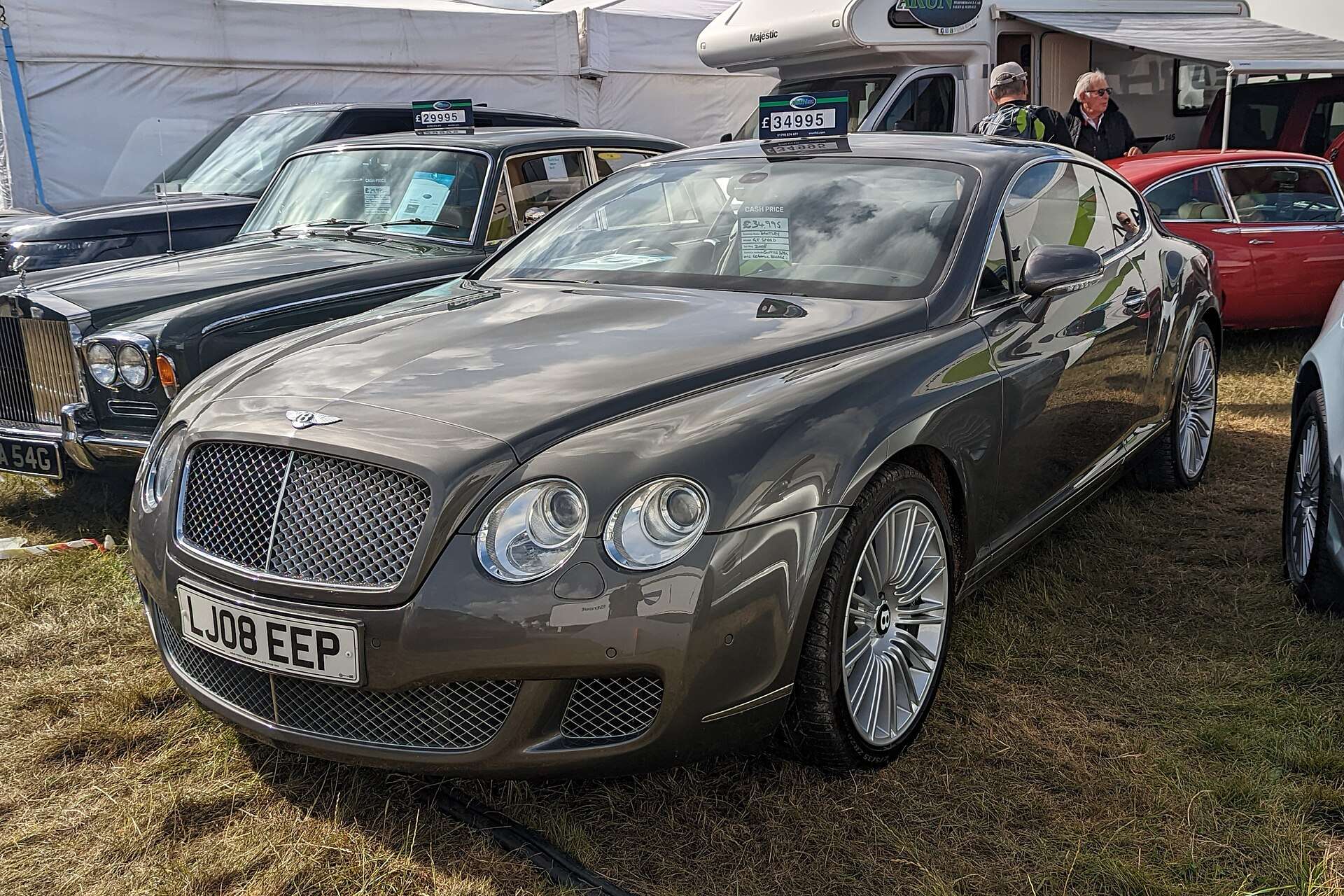
Featured image: silver 2008 Bentley Continental GT Speed. Photograph by Calreyn88, CC BY-SA 4.0, via Wikimedia Commons; locally hosted.
The Bentley that changed everything
Volkswagen ownership gave Bentley the resources to create an all-new car around the aluminium-intensive Volkswagen Group D1 architecture. Dirk van Braeckel’s design team turned that engineering into a compact-looking fastback with a long bonnet, rounded haunches and an upright matrix grille. The production car followed the 2002 Paris reveal and reached customers in 2003.
Bentley quotes 550bhp and 650Nm for the original GT, with 0–62mph in 4.8 seconds and a 198mph maximum. A six-speed ZF automatic and Torsen-based permanent all-wheel drive made that performance usable in poor weather, while the cabin retained hand-finished leather and veneer.

Versions and development
| Version | Key character |
|---|---|
| Continental GT | Original 550bhp W12 coupé, launched for 2003 |
| GT Speed | Introduced in 2007 with 600PS, firmer chassis settings and a higher top speed |
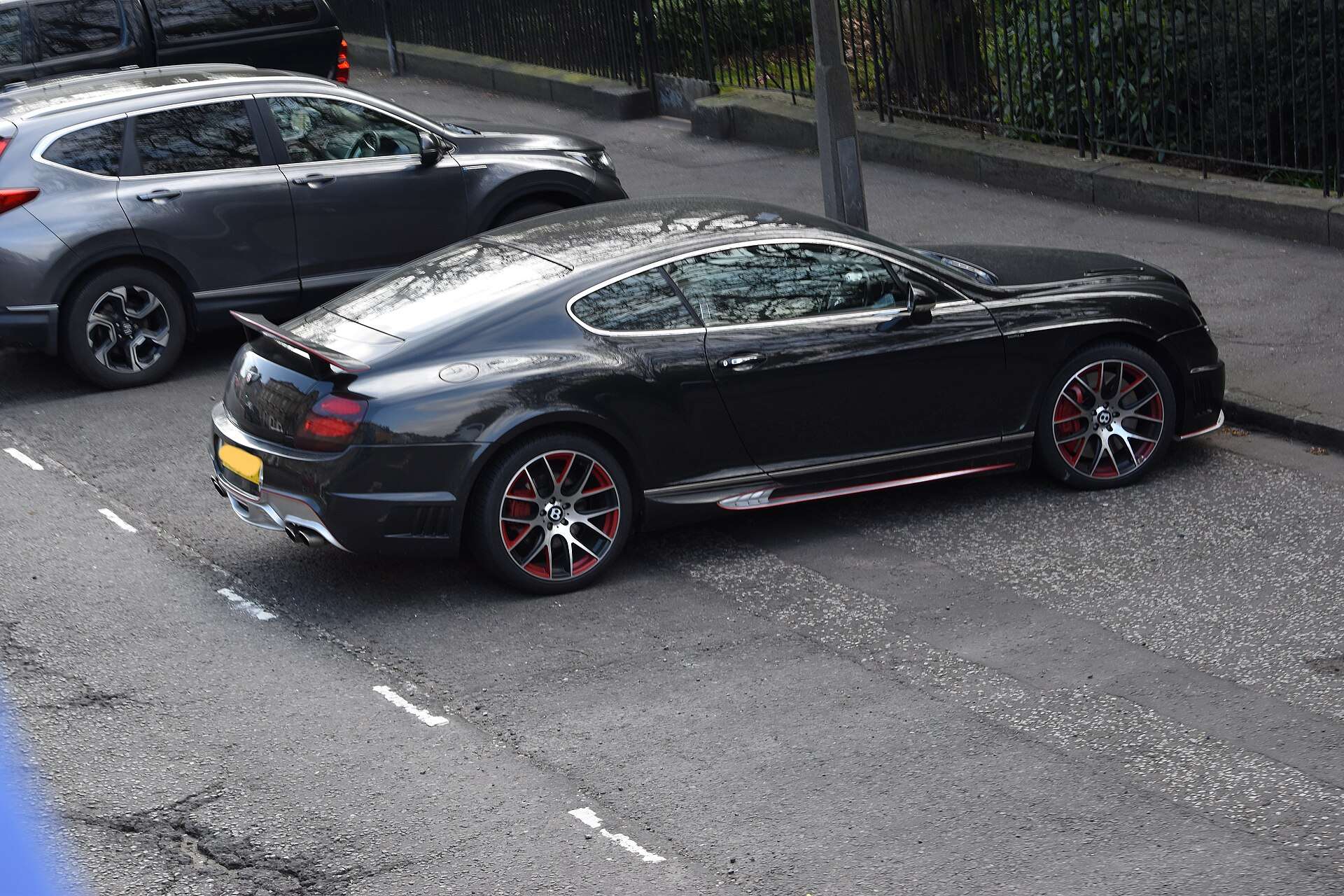
| Series 51 and Mulliner | Factory personalisation packages with distinctive trim, wheels and cabin details |
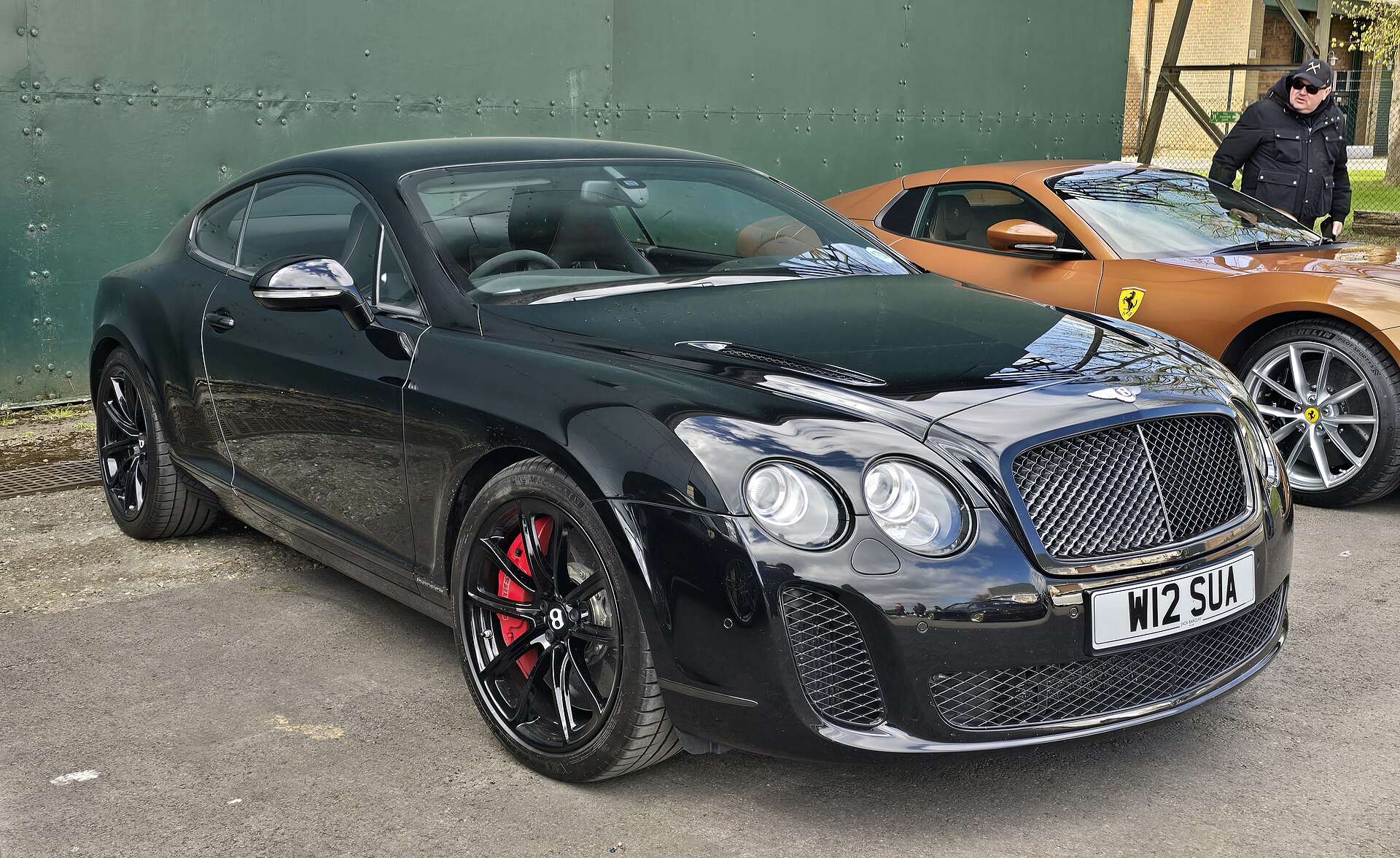
| Continental Supersports | 2009 high-performance model with 621bhp, reduced weight and flex-fuel capability |
The closely related Continental Flying Spur saloon and GTC convertible share much of the mechanical package, but body, roof and some trim parts differ. Verify a car’s factory specification because later wheels, grilles and badges are common.

Love cars you don’t see every day?
Get forgotten cars, surprising motoring stories and the most interesting finds from Unusual Cars by email.
Free to join. No spam. Unsubscribe whenever you like. See our privacy policy.
Engine, cooling and transmission
The W12 is densely packaged. Look for coolant loss, water-pump or thermostat faults, oil leaks, uneven idle, smoke, misfires and warning lamps. Some front-of-engine work requires extensive dismantling, so a small leak can carry a large labour bill. A cold start, diagnostic scan and fully hot road test are essential.
The six-speed automatic should engage promptly and shift smoothly under light and full load. Check for shudder, delayed selection and leaks, then listen for driveline knocks from mounts, propshafts or differentials. Evidence of sensible gearbox and differential fluid servicing is valuable even where period schedules were optimistic.

Air suspension, brakes and tyres
The car should sit level after standing and raise or lower without messages or compressor strain. Tired air springs, dampers, control arms and bushes make a heavy GT feel loose or crashy. Inspect the large brakes for lip, vibration and corrosion, particularly after storage.
Correct matched tyres matter to the all-wheel-drive system. Uneven brands, diameters or wear can create driveline stress; inner-edge wear may reveal alignment or suspension problems. Bent or cracked large-diameter wheels are also common.
Body, cabin and electrical checks
Inspect the aluminium and steel body carefully for accident repairs, bubbling around edges, cloudy lamps and blocked drains. Double-glazed side windows can delaminate, door seals can admit water and a failing boot mechanism is costly. Damp beneath the carpets can affect control modules.
Test every seat function, window, lock, mirror, lamp, parking sensor, instrument, climate-control mode and infotainment feature. Sagging headlining, shrinking leather and damaged veneer are familiar age-related faults. A healthy battery and charging system are vital because low voltage creates misleading warnings.

Which first-generation GT should you buy?
An early standard GT offers the lowest entry price and the original character. The Speed sharpens responses without abandoning refinement, while the Supersports is a rarer, more focused collector proposition. Condition should outrank specification: a documented standard car is usually a better buy than a neglected Speed.
Commission a Bentley specialist to inspect the underside, scan every module, pressure-test the cooling system and assess suspension, brakes and drivetrain. Ownership becomes far more predictable when deferred work is identified before purchase.
Sources and further reading
- Bentley Heritage Collection: 2003 Continental GT
- Bentley: 20 years of the Continental GT
- Bentley Heritage Collection: Continental Supersports
- Classics World: Bentley Continental buying guide
Continue the Bentley story
Explore the complete Bentley hub. Continue with the Bentley Azure and Bentley Continental R.
Frequently asked questions
When was the first Bentley Continental GT made?
Customer production began in 2003 and the first generation continued until 2011.
What engine is in the Mk1 Continental GT?
A 5,998cc twin-turbocharged W12 driving all four wheels through a six-speed automatic.
How fast is the original Continental GT?
Bentley quoted 0–62mph in 4.8 seconds and a 198mph maximum for the original 550bhp car.
What are the main buying checks?
Check cooling, W12 leaks and misfires, gearbox and differentials, air suspension, brakes, matched tyres, water ingress, glazing and all electronics.
Is the GT Speed the same as the Supersports?
No. The Speed was a faster luxury derivative; the later Supersports had 621bhp, lower weight and a more focused specification.