UNUSUAL CARS MODEL GUIDE
The Lada Samara was the company’s first volume front-wheel-drive hatchback, launched in the Soviet Union as the Sputnik in 1984 and sold in Britain from 1987. Three-door and five-door hatchbacks, a four-door saloon and several UK editions tried to move Lada beyond the old Fiat-derived layout.
Quick answer: A Samara is now rare enough to be a genuine preservation case. Buy the most complete, original and rust-free example, verify the carburettor or injection system and emissions requirements, and check driveshafts, cooling, electrics and hard-to-find interior trim.
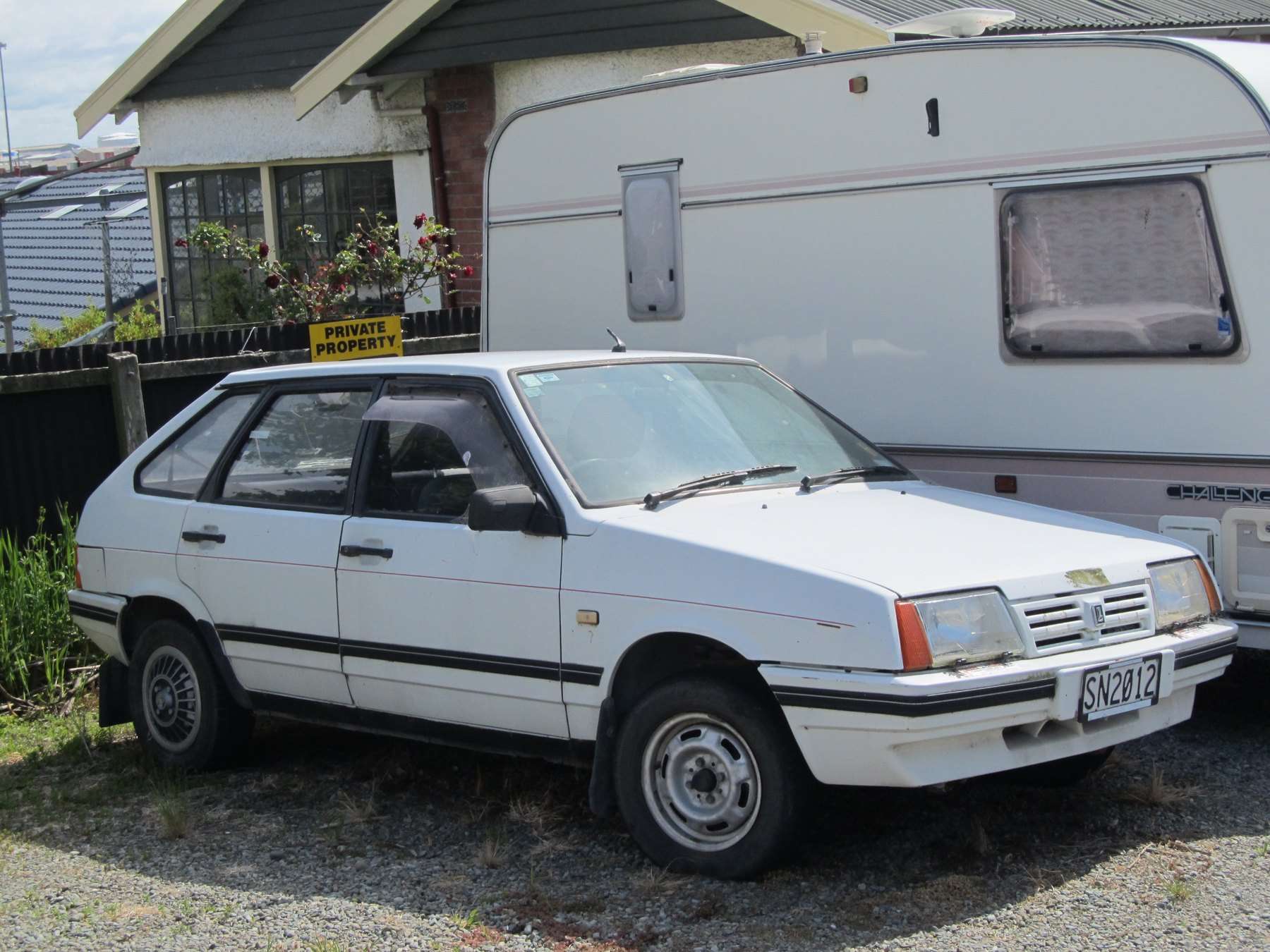
Featured image: Lada Samara: History, Models, Specifications and Buying Guide. Photograph by Riley from Christchurch, New Zealand, CC BY 2.0, via Wikimedia Commons; locally hosted.
Lada moves to front-wheel drive
The VAZ-2108 project represented a major technical break from Lada’s rear-wheel-drive saloons. Its transversely mounted overhead-cam engine, front-wheel drive, rack-and-pinion steering and hatchback body placed the Samara in the same broad market as contemporary European family cars.
The three-door appeared first in 1984, followed by the five-door 2109 and the 21099 saloon. Porsche Engineering provided consultancy on aspects of development, but the Samara was not a Porsche-designed car; the architecture and production programme remained an AvtoVAZ project.

The British range from 1987
UK sales began late in 1987 with the three-door hatch, followed by five-door and saloon versions. The main engines were 1.1, 1.3 and 1.5 litres, normally with a five-speed manual gearbox. British import-centre preparation added radios, wheel trims, graphics and special-edition equipment.
Names such as Flyte, Forma, Envi and Sensation appeared at different times. The 1.5-litre cars provide the most useful performance; the 1.1 is notably slower. Official British imports ended in 1997 as tighter emissions requirements made continued certification uneconomic.
Love cars you don’t see every day?
Get forgotten cars, surprising motoring stories and the most interesting finds from Unusual Cars by email.
Free to join. No spam. Unsubscribe whenever you like. See our privacy policy.
Hatchback, five-door and saloon
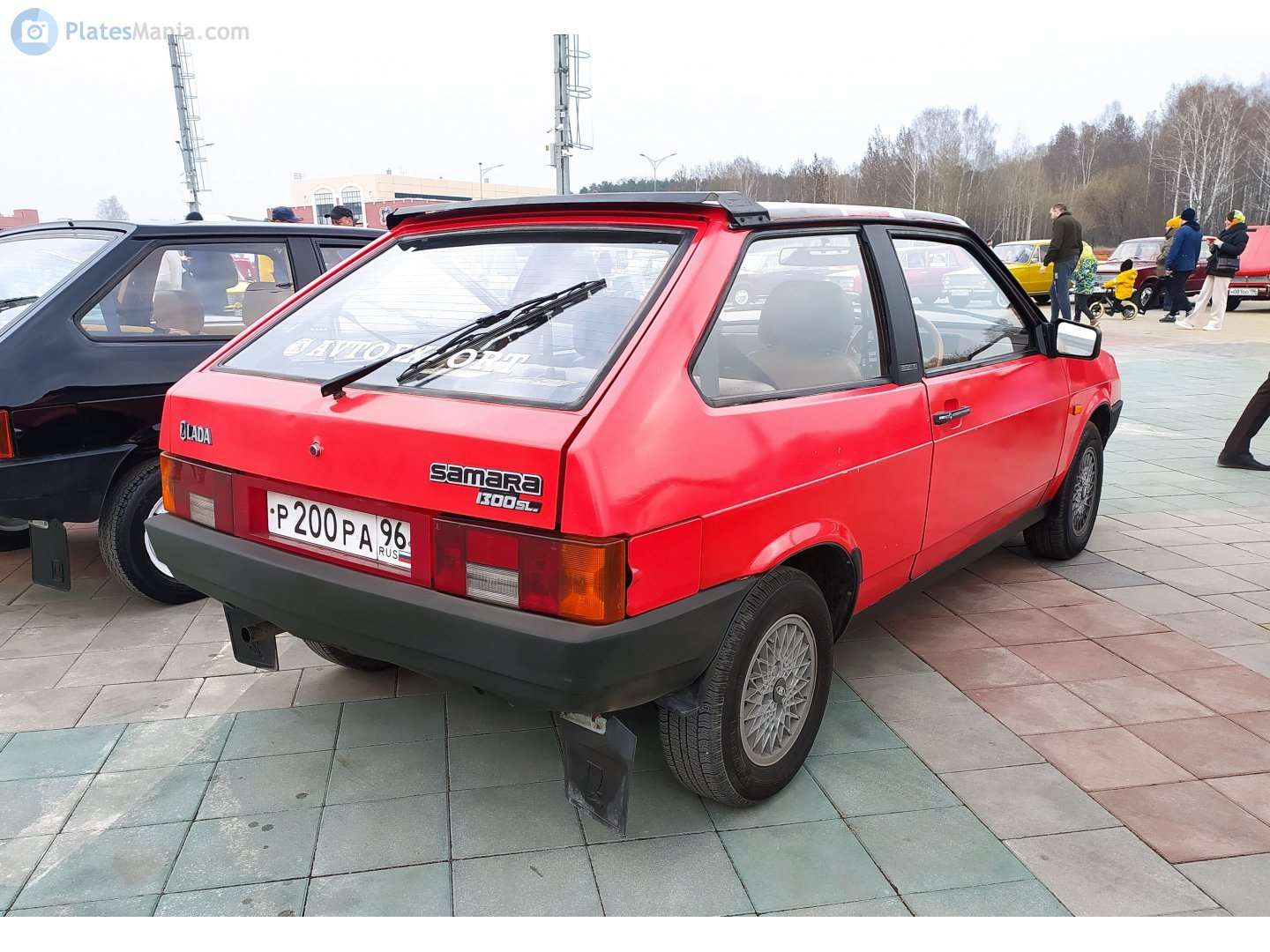
The original three-door 2108 has the cleanest shape and strongest link to the 1984 launch. Five-door 2109 cars are more practical, while the 21099 saloon adds a separate boot and was marketed in some export countries as the Sagona or Forma.
Later Samara 2 models continued abroad with extensively revised front and rear styling, but they were not part of the familiar official UK range. Imported examples must therefore be described by their actual model code rather than grouped automatically with British cars.
Rust, trim and identification
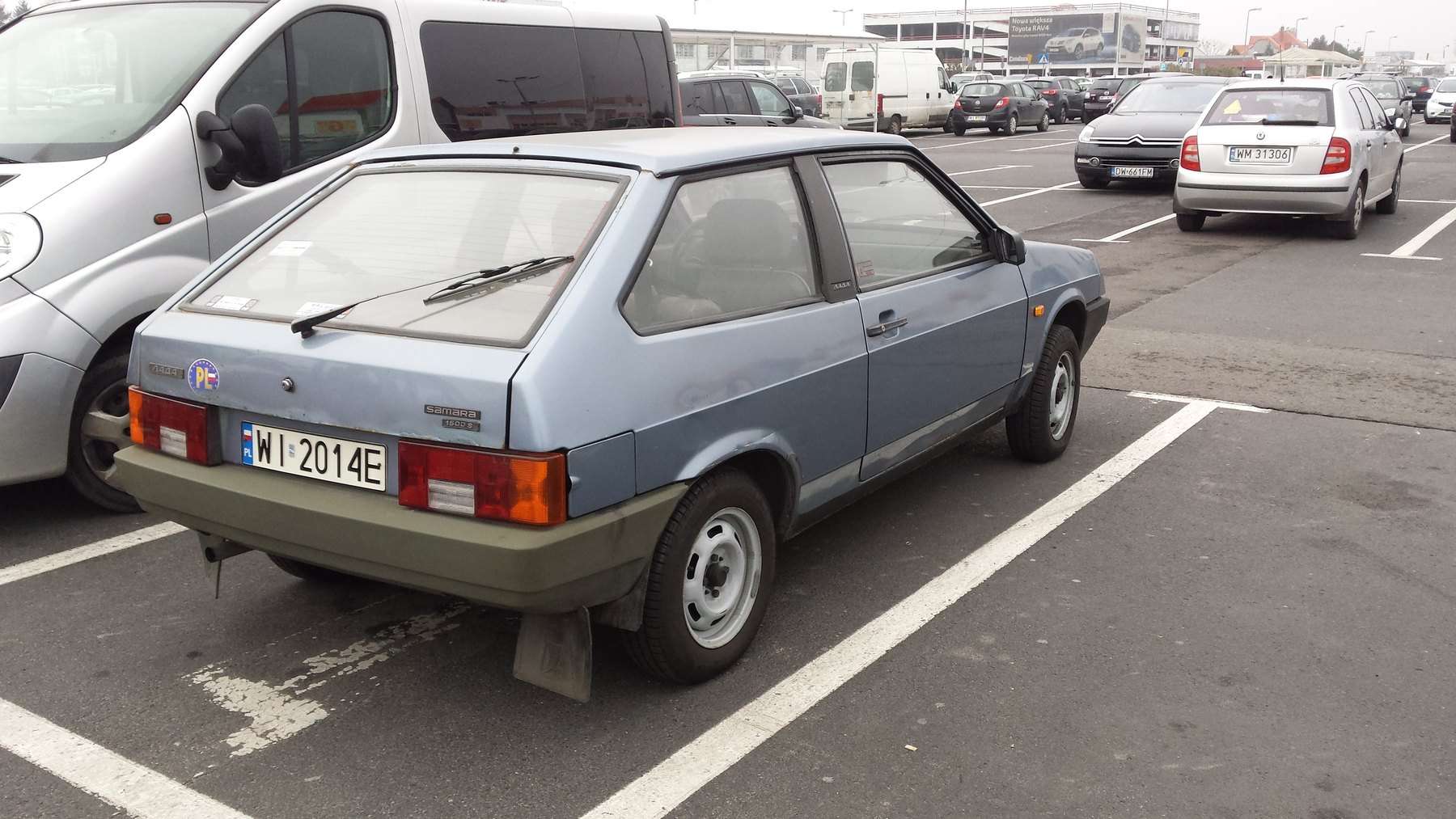
Check the windscreen surround, bulkhead, inner wings, suspension towers, sills, floors, rear arches, hatch or boot aperture and the seams beneath the rear seat. Water leaks can damage carpets and electrical connectors long before corrosion becomes obvious outside.
Dash mouldings, seat fabric, lamps, bumpers and UK-edition graphics are difficult to source. Confirm the VIN, model code and original registration details, because decades of repairs can leave cars carrying the wrong badges or later parts.

Engine and driveline checks
The belt-driven overhead-cam engines need evidence of timely cambelt changes and clean coolant. Check for carburettor wear, vacuum leaks, hesitant acceleration and hot-start trouble. Later injection systems demand sound sensors, wiring and fuel pressure.
Clicking on full lock points to worn outer CV joints; vibration under acceleration can indicate inner joints, shafts or engine mounts. Test every gear, listen for bearing noise and make sure the clutch takes up cleanly. Uneven tyre wear suggests tired bushes or poor alignment.

Why the Samara matters now
Contemporary reviews criticised finish, ride and handling, but the Samara was a significant engineering step and once a familiar budget choice in Britain. Scrappage, low values and parts-car attrition have made an ordinary survivor far rarer than many celebrated performance cars.
Preservation should favour originality and safe usability rather than cosmetic over-restoration. A complete three-door or documented UK special edition has particular interest, but any sound right-hand-drive survivor represents a disappearing chapter of the British car market.

Continue the Lada story
Explore the complete Lada hub. Continue with Samara Cabriolet and Lada Riva.
Frequently asked questions
When was the Lada Samara sold in Britain?
Official UK sales ran from late 1987 until 1997.
Was the Samara based on an old Fiat?
No. It was a new front-wheel-drive Lada platform, unlike the rear-wheel-drive classic and Riva families.
What engines did UK Samaras use?
British cars were offered mainly with 1.1-, 1.3- and 1.5-litre petrol engines.
Did Porsche design the Samara?
Porsche Engineering provided development consultancy, but the Samara was an AvtoVAZ programme, not a Porsche-designed car.
What are the main buying checks?
Inspect structural rust, cambelt and cooling history, carburettor or injection health, CV joints, electrics and completeness.