
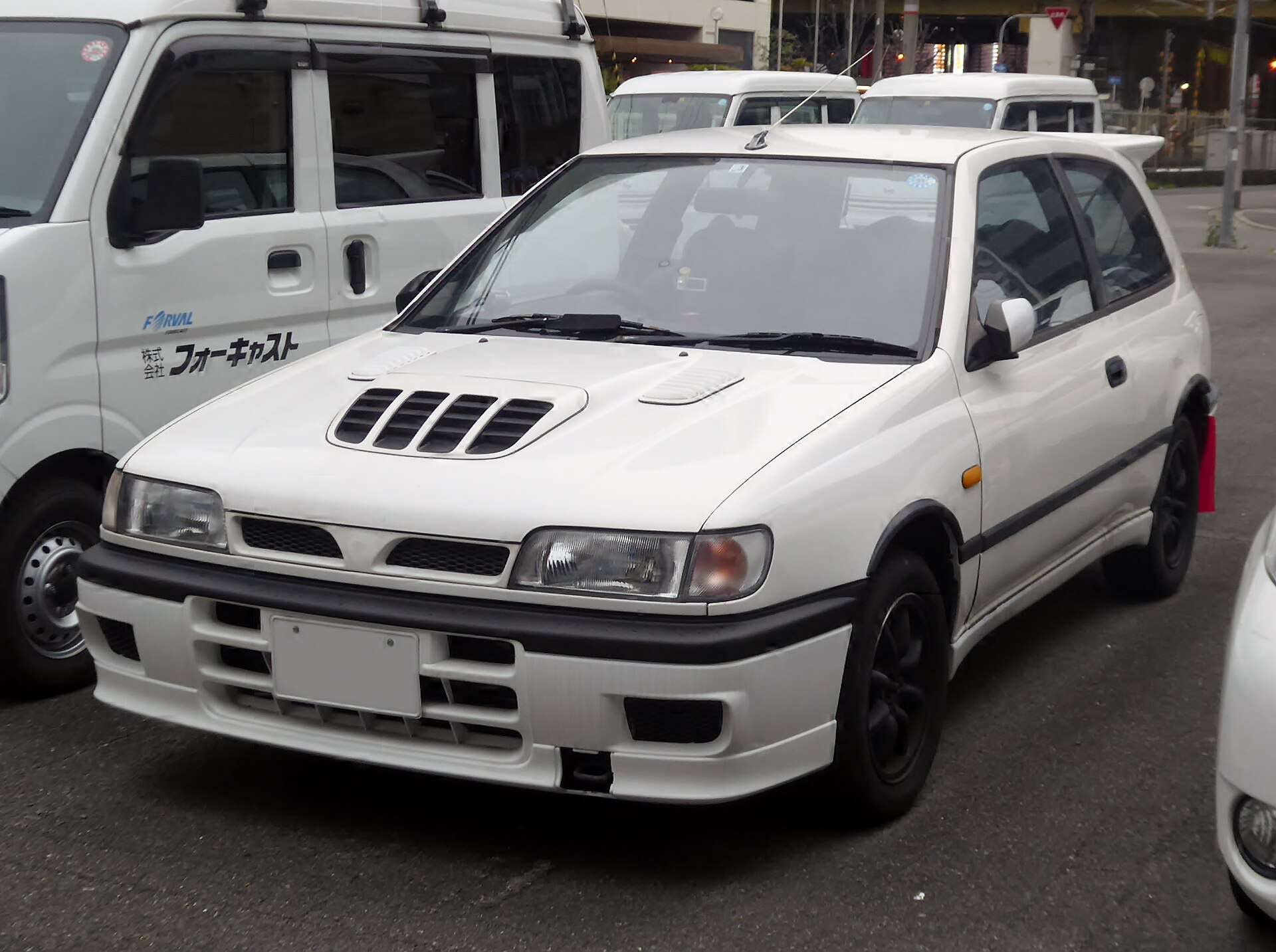
The Nissan Pulsar GTI-R squeezed the mechanical ingredients of a much larger rally car into an ordinary-looking three-door hatchback: a turbocharged two-litre engine, four-wheel drive and a bonnet scoop that seemed almost comically large. Here are ten facts behind Nissan’s compact Group A homologation special.
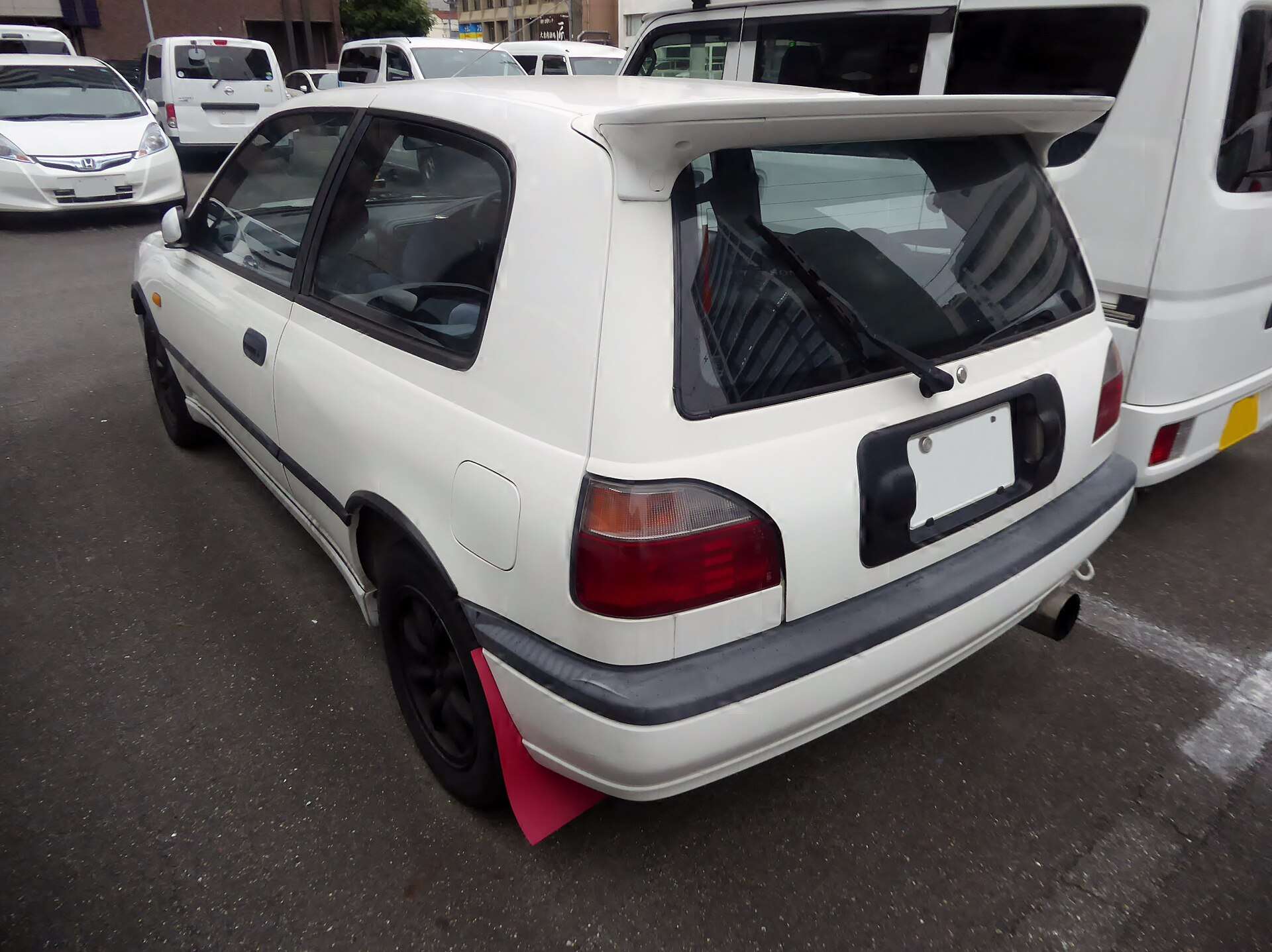
1. It was the extreme version of an ordinary Pulsar
Nissan based the GTI-R on the fourth-generation N14 Pulsar family hatchback. In Europe the related car was sold as the Sunny, explaining why British-market versions are called Sunny GTI-R while Japanese imports carry Pulsar badges. Underneath, both share the RNN14 performance architecture.
2. It existed because Nissan wanted to rally
The GTI-R was developed to compete in the World Rally Championship under Group A rules. Those regulations required a production road-car foundation, so the extraordinary engine, four-wheel-drive system and bodywork were not accessories added simply for showroom appeal.
3. Its SR20DET made 230PS in Japanese form
Nissan’s heritage collection records 230PS at 6,400rpm and 284Nm at 4,800rpm from the 1,998cc turbocharged four-cylinder. The GTI-R version of the SR20DET used individual throttle bodies—highly unusual equipment for a turbocharged hatchback and one reason the engine remains so interesting.
4. The enormous bonnet bulge serves a purpose
The top-mounted intercooler sits above the engine, so the bonnet needed a large opening to direct cooling air through it. The additional vents help manage under-bonnet temperatures. The result may look theatrical, but it is a direct consequence of tightly packaging rally hardware into a short nose.
Love cars you don’t see every day?
Get forgotten cars, surprising motoring stories and the most interesting finds from Unusual Cars by email.
Free to join. No spam. Unsubscribe whenever you like. See our Privacy Policy.
5. ATTESA four-wheel drive put the power down
The transverse engine drives all four wheels through Nissan’s ATTESA system. This was not the electronically controlled ATTESA E-TS layout used by the Skyline GT-R, but a compact full-time system suited to the N14 platform. It gave the little hatchback formidable all-weather traction.
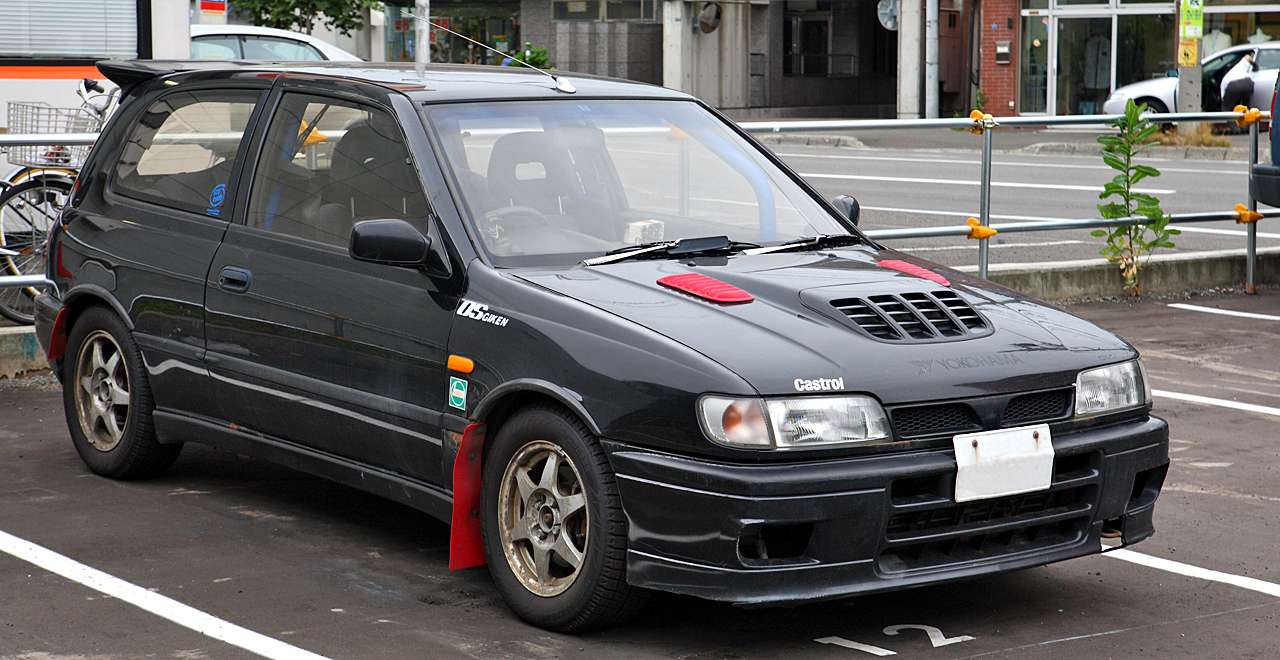
6. Nissan offered a stripped competition base
Japanese buyers could obtain the lighter RB model, created with competition preparation in mind. Equipment was reduced compared with the more comfortable RA road version. Genuine RB identity matters because ordinary cars are sometimes modified to resemble the rarer specification.
7. It was remarkably small for its performance
Nissan’s museum car measures just 3,975mm long with a 2,430mm wheelbase and weighs 1,220kg. It even wears 195/55 R14 tyres—tiny by modern performance-car standards. Those figures explain why the GTI-R can feel so intense despite power that no longer sounds extraordinary.

8. Its works WRC career lasted only two seasons
The factory GTI-R competed during 1991 and 1992. Its best WRC result was third place on the 1992 Swedish Rally, after which Nissan withdrew the works programme. Heat management and the compromises of the compact platform made top-level success difficult.
9. It achieved more in Group N
Nissan’s official heritage account notes that the GTI-R won the Group N title despite the short-lived works Group A campaign. The production-based category suited the strength of its showroom mechanical package and proved that the underlying road car had considerable potential.
10. Import history matters as much as specification
Many British survivors are Japanese-market Pulsars rather than officially supplied Sunny GTI-Rs. Decades of boost increases, engine swaps and competition use mean badges alone prove little. The chassis number, market specification, maintenance record and quality of modifications are essential to understanding any example.
Love cars you don’t see every day?
Get forgotten cars, surprising motoring stories and the most interesting finds from Unusual Cars by email.
Free to join. No spam. Unsubscribe whenever you like. See our Privacy Policy.
Research sources: Nissan Heritage Collection; FIA homologation form A-5427; Unusual Cars UK GTI-R guide.