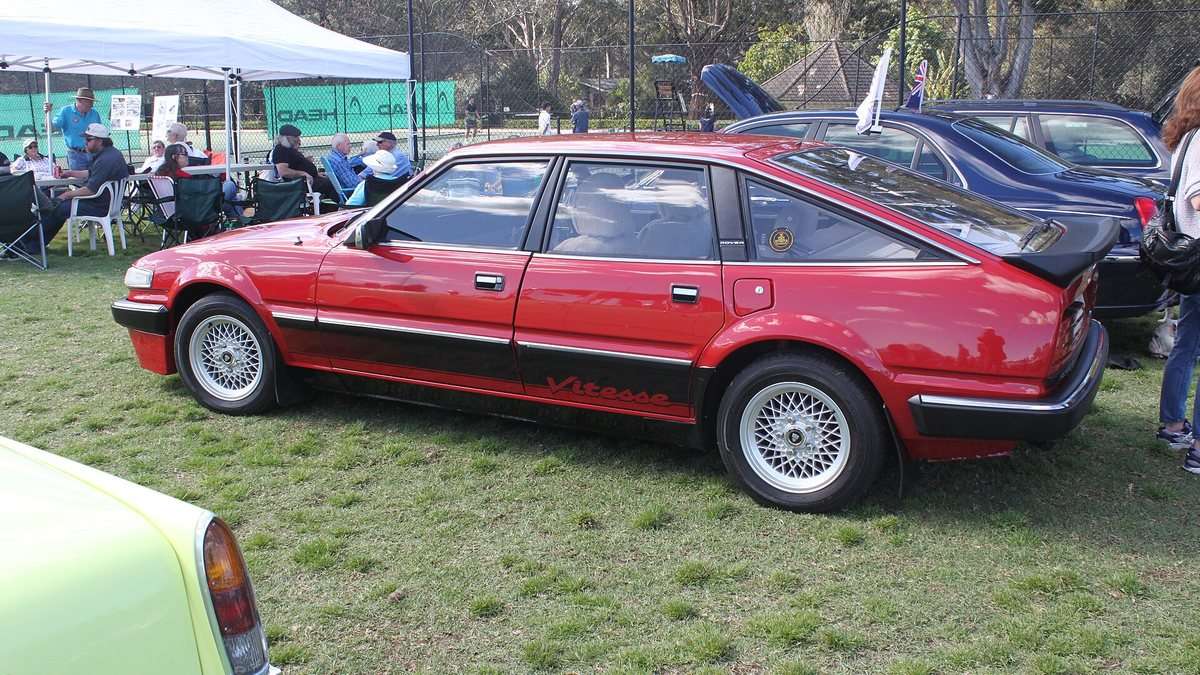
The Rover SD1 Vitesse looked like a European grand tourer, carried five people and a large load, and sent V8 power to the rear wheels. It also became one of Britain’s defining touring cars. These ten facts show why the Vitesse was much more than a faster version of an executive hatchback.

1. “SD1” began as a project code
The car was the first major product of British Leyland’s Specialist Division, hence the internal SD1 name. It was never intended to sound romantic, yet the code became the identity enthusiasts use today for the whole Rover 2000, 2300, 2600 and 3500 family.
2. Its exotic appearance hid very British engineering
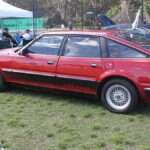
David Bache’s fastback body looked more like an Italian grand tourer than a traditional Rover saloon, while engineering under Spen King remained deliberately straightforward. A front-mounted engine, rear-wheel drive and live rear axle helped control cost and made the large hatchback practical to manufacture and maintain.
3. The Vitesse appeared at the 1982 motor show
Rover unveiled the performance flagship after the SD1 had already been on sale for six years. The timing gave an ageing range a dramatic second life and aligned the road car with an increasingly serious motorsport programme.
4. Fuel injection lifted the V8 to 190bhp
The aluminium 3,528cc Rover V8 gained electronic fuel injection, producing 190bhp and enough performance for a claimed 130mph. In a period when many executive cars still relied on carburettors, the injected Vitesse combined smooth starting and drivability with a distinctly muscular soundtrack.
Love cars you don’t see every day?
Get forgotten cars, surprising motoring stories and the most interesting finds from Unusual Cars by email.
Free to join. No spam. Unsubscribe whenever you like. See our Privacy Policy.
5. The spoilers were functional as well as visual
Front and rear spoilers, deeper trim, decals and distinctive alloy wheels separated the Vitesse from a 3500. The aerodynamic additions also helped high-speed stability, an important consideration for a broad hatchback now capable of sustained motorway speeds that would once have belonged to specialised sports cars.

6. UK cars were manual-only
The Vitesse’s five-speed manual gearbox was central to its sporting character. Rover already offered automatic V8 SD1s elsewhere in the range, but the flagship targeted enthusiastic drivers and homologation needs rather than chauffeur duty.
7. The Twin Plenum existed for racing homologation
For 1985 Rover produced the rare Twin Plenum Vitesse with a revised inlet arrangement feeding both sides of the plenum chamber. The official peak-power figure remained 190bhp, but breathing and torque delivery improved. It was built to homologate parts required for Group A competition, not simply to create a showroom limited edition.
8. Racing versions were international winners
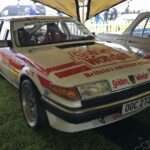
Tom Walkinshaw Racing developed the SD1 into a formidable Group A touring car. Big V8 torque, rear-wheel drive and aggressive stance made it spectacular to watch, while victories across Britain and Europe gave the road Vitesse credibility that advertising alone could never supply.

9. It also competed far from the circuit
The SD1 is associated with touring cars, but modified V8 examples also appeared in international rallying. Its size was unusual on a special stage, yet strong performance and rear-drive balance created an unmistakable spectacle.
10. Fewer than four thousand were built
The British Motor Museum records total Vitesse production at 3,897. Its preserved example is the last SD1 produced, underlining the model’s role as the closing chapter of the range. Rust, competition use and years of low values mean original road cars are considerably scarcer today.
The SD1 Vitesse joined design, practicality and motorsport in a way few executive cars manage. Its engineering was not exotic, but the combination of injected V8 power, rear drive and a genuinely dramatic body made it one of Rover’s great post-war performance cars.
Love cars you don’t see every day?
Get forgotten cars, surprising motoring stories and the most interesting finds from Unusual Cars by email.
Free to join. No spam. Unsubscribe whenever you like. See our Privacy Policy.
Research sources: British Motor Museum Rover SD1 Vitesse collection record; period Rover specifications; Unusual Cars UK SD1 Vitesse guide.