

The E30-generation BMW M3 is remembered as a beautifully balanced road car, but it existed because BMW wanted to win touring-car races. Its engineering, bodywork and constant evolution all followed that competitive purpose.
1. It was built to satisfy Group A rules
BMW Motorsport developed the M3 as a road and racing programme in parallel. Group A demanded 5,000 production examples within twelve months, so the showroom car was not a marketing spin-off: it was the essential starting point for the competition machine.
2. Most of the visible bodywork was different
The standard E30 donated the basic shell, yet the M3 gained swollen arches, unique bumpers, deeper sills, a raised boot lid and a re-angled rear window with a distinctive C-pillar. Those changes accommodated wider tracks and reduced drag and rear lift; only a handful of exterior panels were shared unchanged.
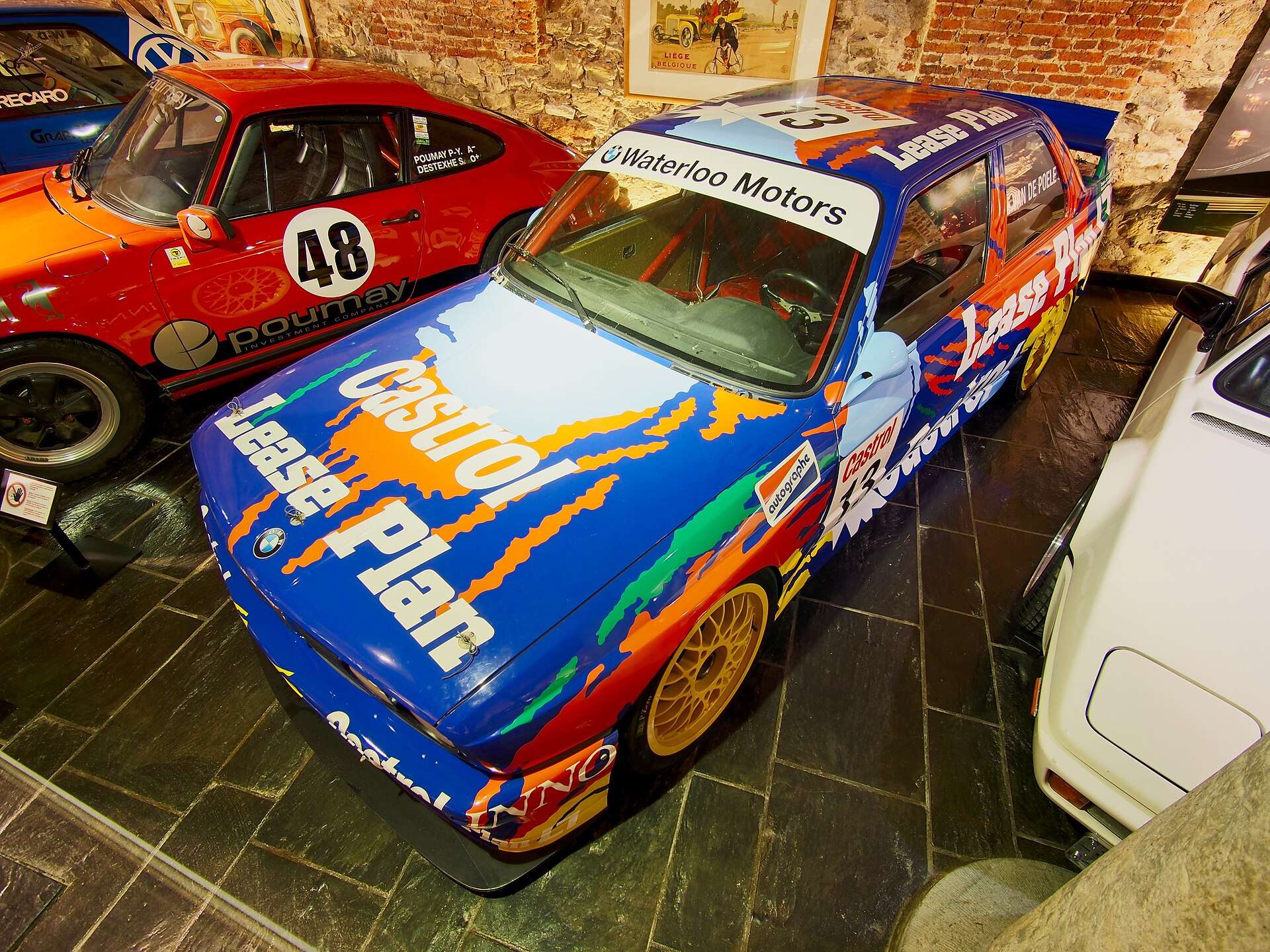
3. BMW chose a four-cylinder, not a six
The S14 combined the M10 four-cylinder block architecture with a shortened version of the four-valve cylinder-head thinking used on BMW’s M1-derived engines. A four was lighter and shorter than the contemporary six-cylinder alternative and could tolerate the very high revs required in racing.
4. Not every road car received the same gearbox layout
European cars are famous for their close-ratio Getrag gearbox with a dog-leg first gear, keeping second to fifth in a compact H-pattern for competition use. North American cars generally received a conventional shift pattern and different final-drive gearing, one of several market-specific differences.
Love cars you don’t see every day?
Get forgotten cars, surprising motoring stories and the most interesting finds from Unusual Cars by email.
Free to join. No spam. Unsubscribe whenever you like. See our Privacy Policy.
5. It won a world title in its first full season
Roberto Ravaglia secured the 1987 World Touring Car Championship in an E30 M3. BMW’s new homologation special immediately proved that its uncompromising road-car changes were justified, and that championship became only the beginning of its international record.
6. Its racing career sprawled across disciplines
E30 M3s won major touring-car championships around the world as well as the Nürburgring 24 Hours and Spa 24 Hours. Rally versions were successful too, including Bernard Béguin’s victory on the 1987 Tour de Corse—on tarmac, where the rear-drive M3 could exploit its precision.
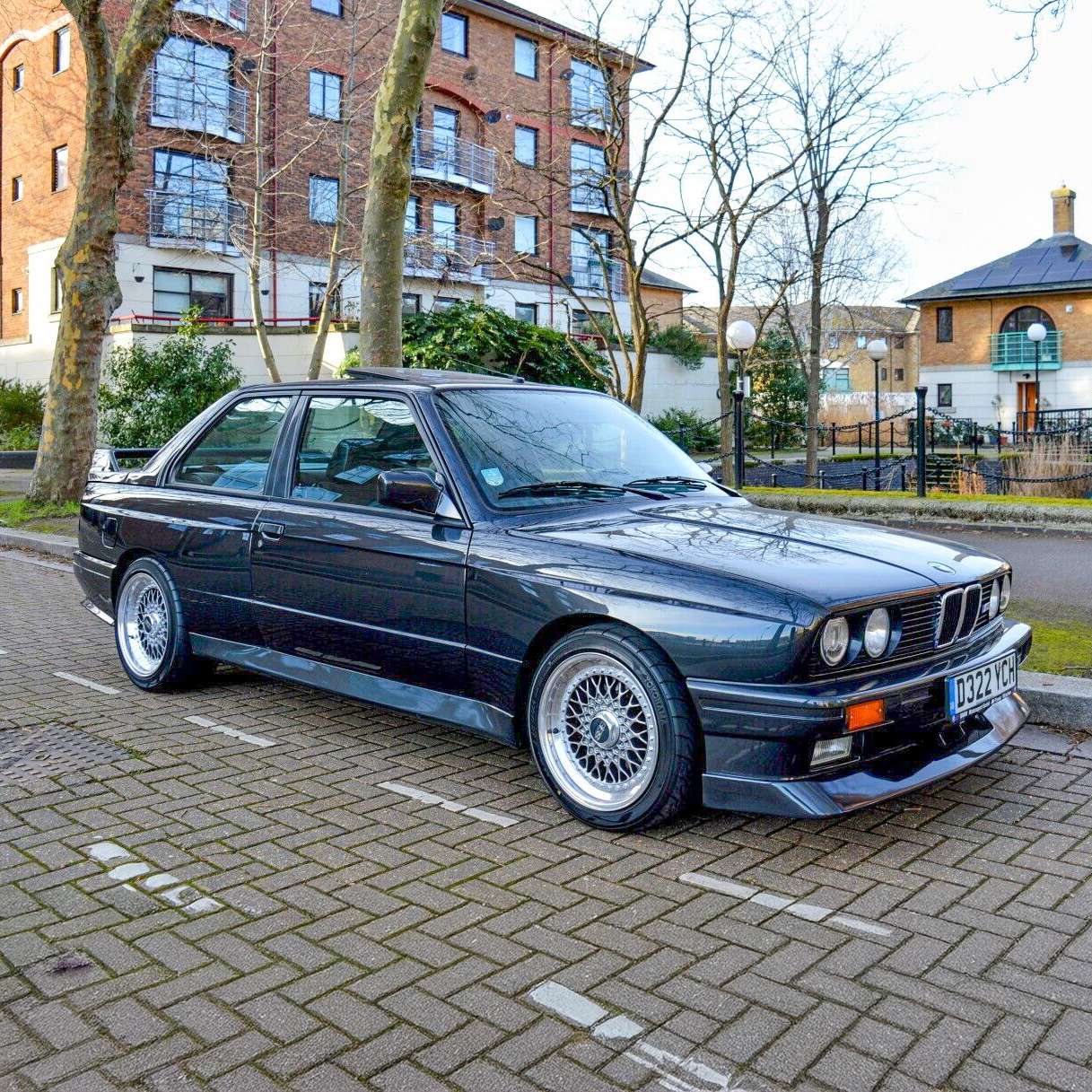
7. The road car kept changing to homologate race improvements
Evolution models brought revised cylinder heads, lighter panels, altered aerodynamics and other detail changes that BMW wanted for competition. This is why apparently small differences between early cars, Evo variants and later models can matter greatly to collectors.
8. The Sport Evolution was the ultimate factory version
Built in a run of 600, the 1990 Sport Evolution enlarged the S14 to 2.5 litres and produced 238 PS. BMW also removed about 25 kg and fitted adjustable front and rear aerodynamic elements. It was offered only in Brilliant Red or Jet Black.
9. There really was an M3 Convertible
The E30 M3 was not exclusively a fixed-roof homologation special. BMW also hand-finished a small run of Convertibles, commonly quoted at 786 cars. They were heavier and less competition-focused but combined the M3’s engine and wide-body appearance with open-air rarity.
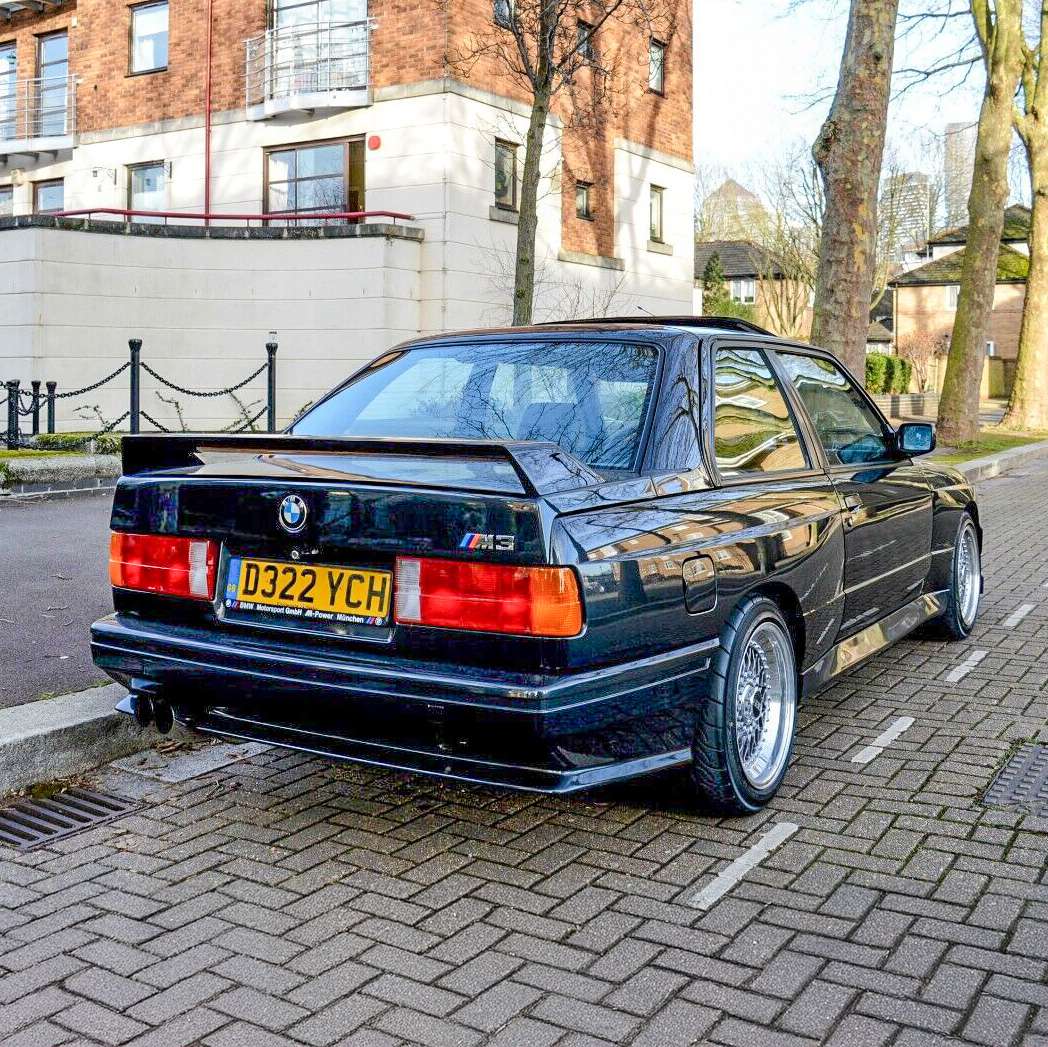
10. Its success created the M3 formula—but later cars followed it differently
More than 17,000 E30 M3s of all types were produced, far beyond the initial homologation minimum. Later M3s often used six-cylinder engines and began as high-performance derivatives of regular 3 Series models; the E30 remains unique because the road car’s entire shape was so directly dictated by racing.
Read more: Explore our full BMW E30 M3 guide, then visit the 10 Things hub for more motoring stories.
Love cars you don’t see every day?
Get forgotten cars, surprising motoring stories and the most interesting finds from Unusual Cars by email.
Free to join. No spam. Unsubscribe whenever you like. See our Privacy Policy.