
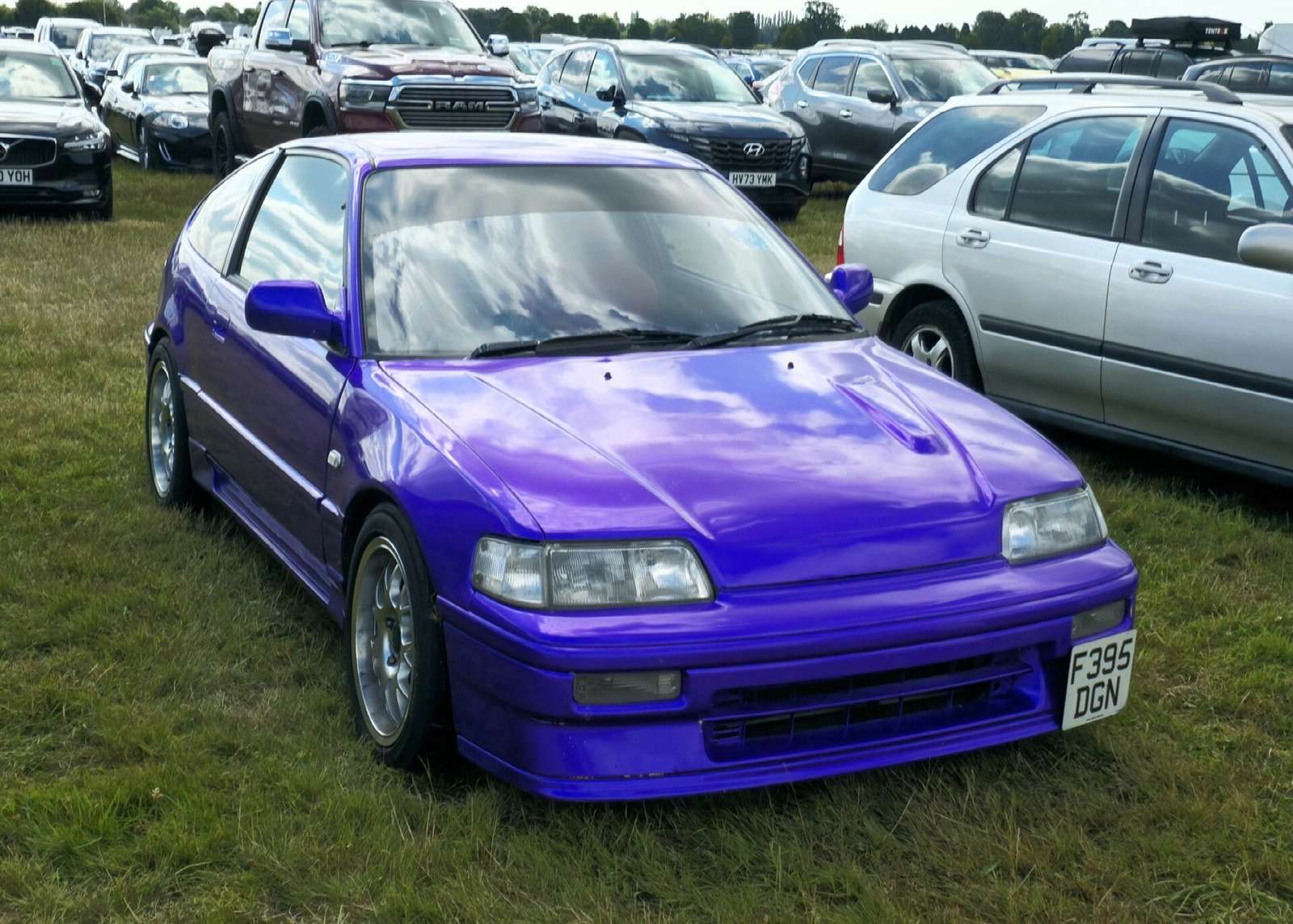
The second-generation Honda CR-X looked simple: a tiny two-seat hatch with a low roof and a rev-hungry engine. Underneath, it carried unusually sophisticated suspension and, in its hottest form, landmark VTEC technology.
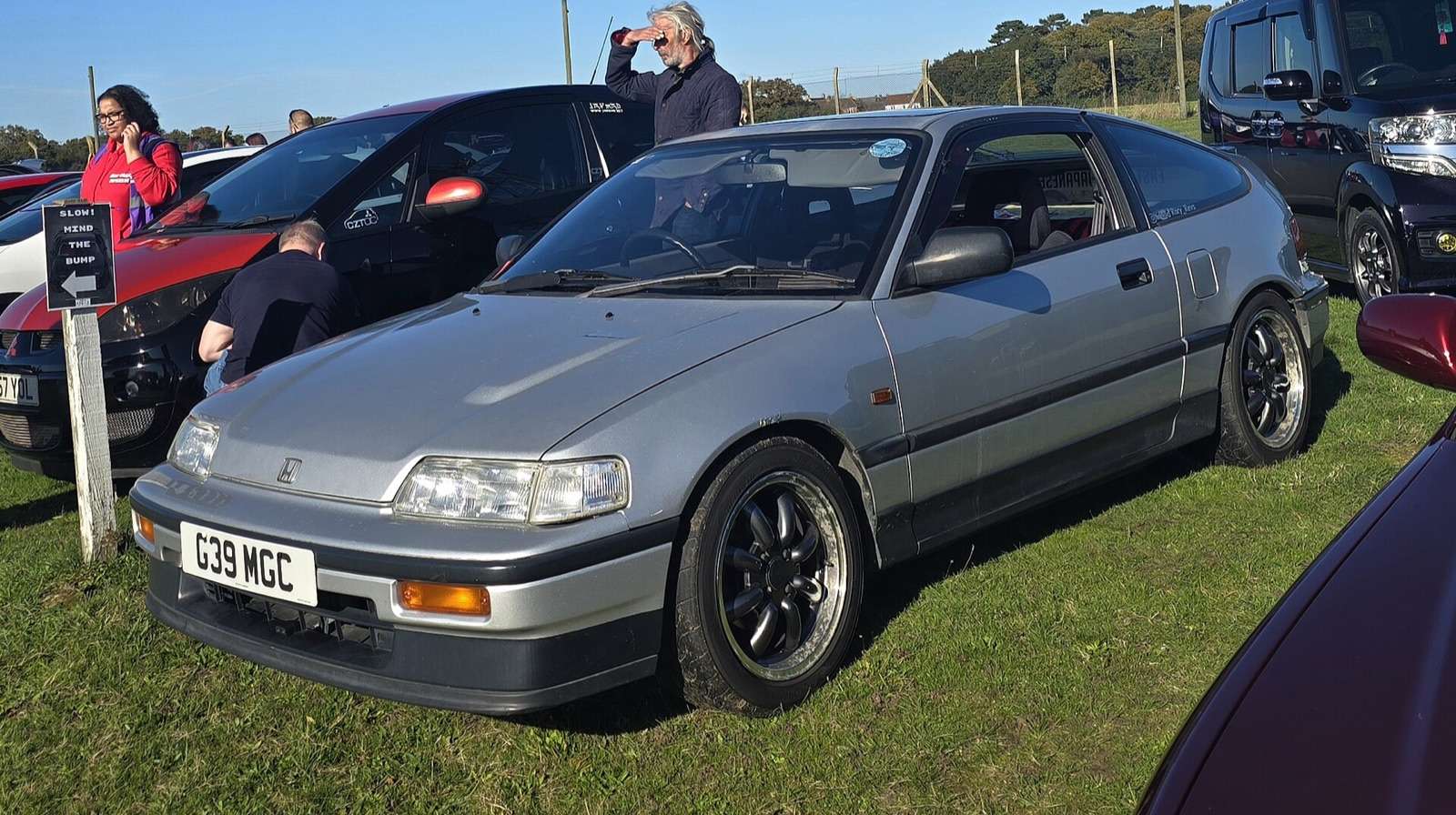
1. It was derived from the Civic, but did not feel ordinary
The CR-X shared its basic family with Honda’s EF-generation Civic, yet its wheelbase, body and seating position created a far more intimate two-seat coupé.

2. Double-wishbone suspension was standard engineering
Honda gave the second generation double wishbones at each corner. That sophisticated layout helped control wheel movement and gave the light car remarkable composure.
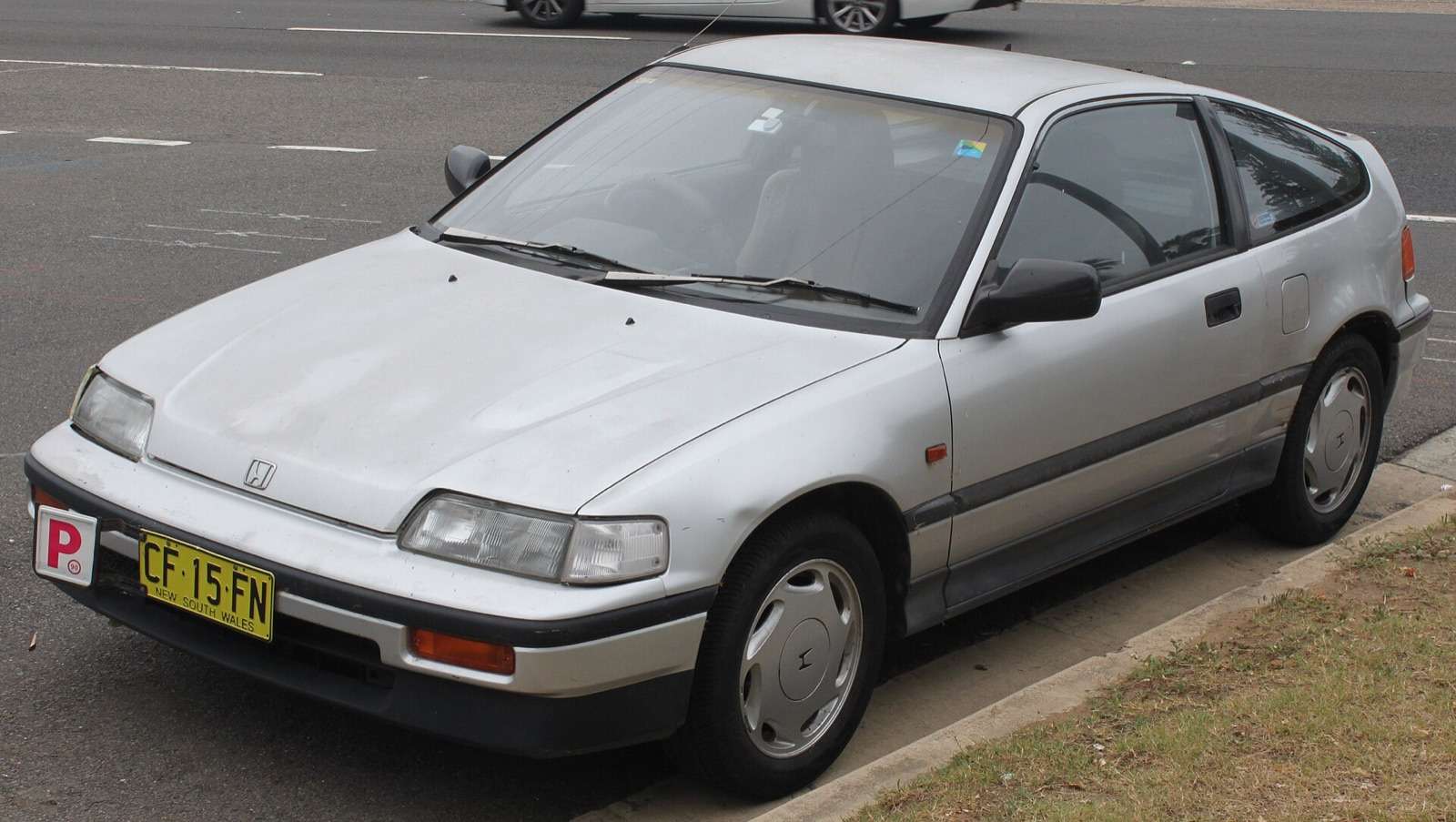
3. European buyers had a non-VTEC 1.6 first
The familiar 1.6i-16 used a twin-cam sixteen-valve engine without variable valve timing. Its strong response and low mass still made it a rapid, engaging road car.
4. The VTEC model arrived later
The Japanese SiR and European 1.6i-VT introduced the B16A family. Depending on market, output was around 150–160 PS from just 1.6 litres without turbocharging.
Love cars you don’t see every day?
Get forgotten cars, surprising motoring stories and the most interesting finds from Unusual Cars by email.
Free to join. No spam. Unsubscribe whenever you like. See our Privacy Policy.
5. VTEC changed lift as well as timing
Honda’s system switched between cam profiles, allowing docile low-speed running and aggressive high-rev breathing. The B16A was a landmark production engine because it applied the system to both inlet and exhaust valves.
6. Its split rear window served a practical purpose
The vertical glass panel below the spoiler improved the view directly behind the car despite the shallow hatch. Decades later Honda reused a similar idea on the Insight and CR-Z.
7. Weight kept the performance honest
Most versions remained comfortably below a tonne. That meant modest power could deliver vivid acceleration while preserving steering delicacy and braking feel.
8. Not every market got the same seating layout
Many European cars were sold as strict two-seaters, while some Japanese-market versions had tiny rear seats. Equipment and engine combinations therefore vary more than casual listings suggest.
9. The del Sol was not a direct continuation in character
Honda’s later CR-X del Sol name suggested continuity, but the removable-roof roadster was heavier and more relaxed. Enthusiasts usually treat the 1987–91 car as the final classic CR-X.
10. Rust and modification have reduced the good-car population
Rear arches, sills, floors and sunroof areas deserve close attention. Original engines, interiors and wheels are increasingly valuable after decades of engine swaps and track-day use.
Keep exploring
Read the full Honda CR-X history and buying guide, browse the Rare and Forgotten Cars hub, or discover more in the 10 Things hub.
Love cars you don’t see every day?
Get forgotten cars, surprising motoring stories and the most interesting finds from Unusual Cars by email.
Free to join. No spam. Unsubscribe whenever you like. See our Privacy Policy.
Sources and further reading
- Honda Global heritage information
- Honda CR-X period brochures and workshop data
- Unusual Cars UK Honda CR-X guide