
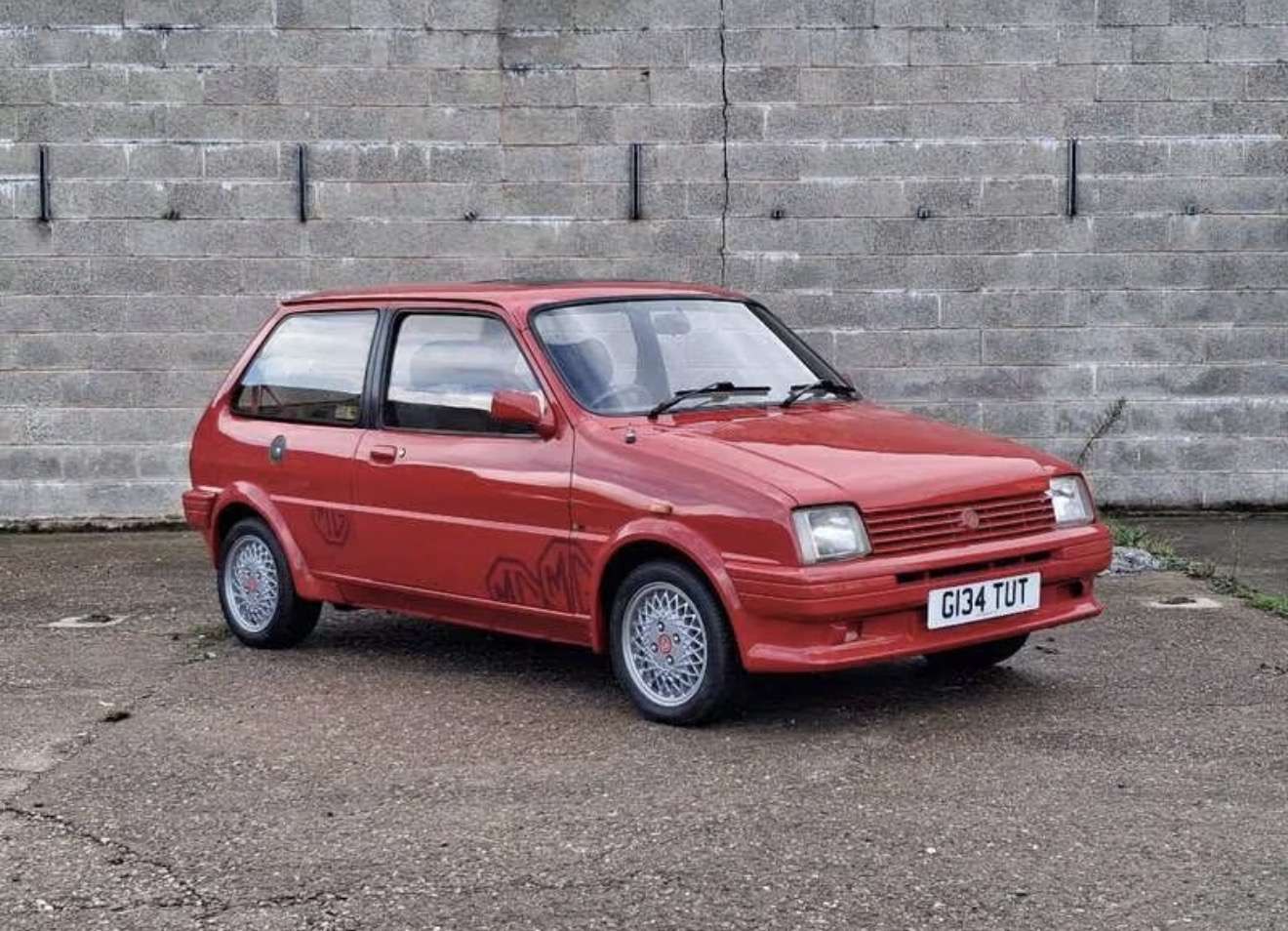
The MG Metro Turbo was small, affordable and mischievously fast. Developed with Lotus input and powered by a turbocharged A-Series engine, it put genuine performance into one of Britain’s most familiar little cars.
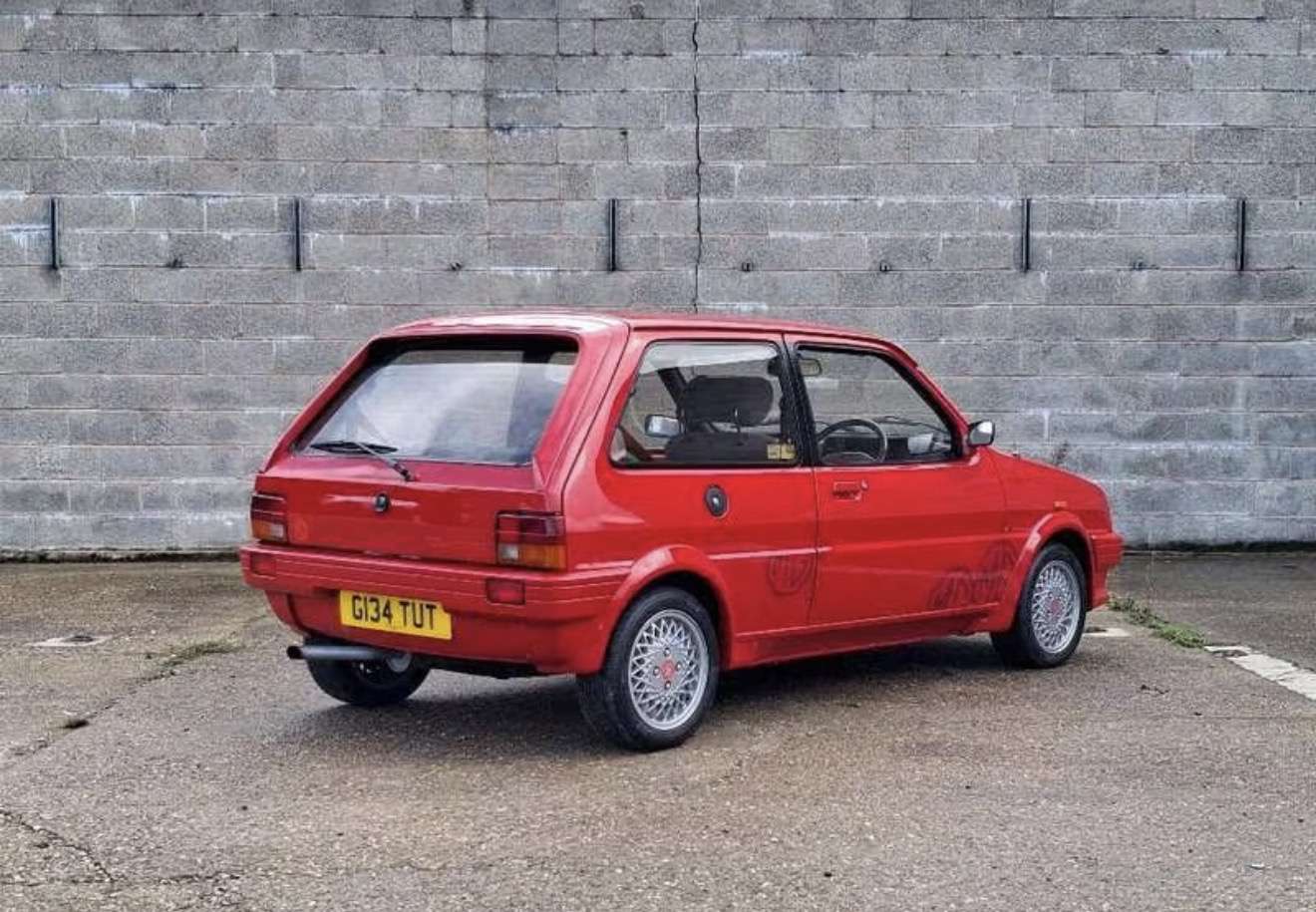
1. It helped revive the MG badge
After the Abingdon factory closed in 1980, British Leyland repositioned MG as a performance brand for sporting versions of its mainstream cars. The Metro Turbo, announced in October 1982 and sold from 1983, was one of the most important early examples.
2. Lotus helped develop it
Lotus Engineering assisted with the turbo installation and chassis development. The result was more than an engine swap: suspension, braking and cooling changes were required to make the lightweight Metro cope with almost twice the power of a basic model.
3. Its engine was still the venerable A-Series
The 1,275cc A-Plus unit traced its ancestry back decades, but gained a Garrett T3 turbocharger, a specially developed SU HIF44 carburettor and strengthened internal components.
4. Electronic boost control protected the gearbox
Maximum boost was restricted in the lower gears because the Metro’s four-speed transmission could not comfortably absorb full turbo torque. An electronic control system allowed more boost as road speed and gear increased.
Love cars you don’t see every day?
Get forgotten cars, surprising motoring stories and the most interesting finds from Unusual Cars by email.
Free to join. No spam. Unsubscribe whenever you like. See our Privacy Policy.
5. Ninety-three horsepower was enough
The engine produced 93 bhp and about 85 lb ft of torque. In a car weighing well under a tonne, that meant 0–60 mph in roughly 9.9 seconds and a top speed around 112 mph—serious numbers for an early-1980s supermini.
6. Its brakes were unusually serious
Front braking used ventilated discs with four-piston calipers, equipment more often associated with much larger performance cars. Hydragas suspension was retuned, while alloy wheels and wider tyres improved grip.
7. The cabin was gloriously period
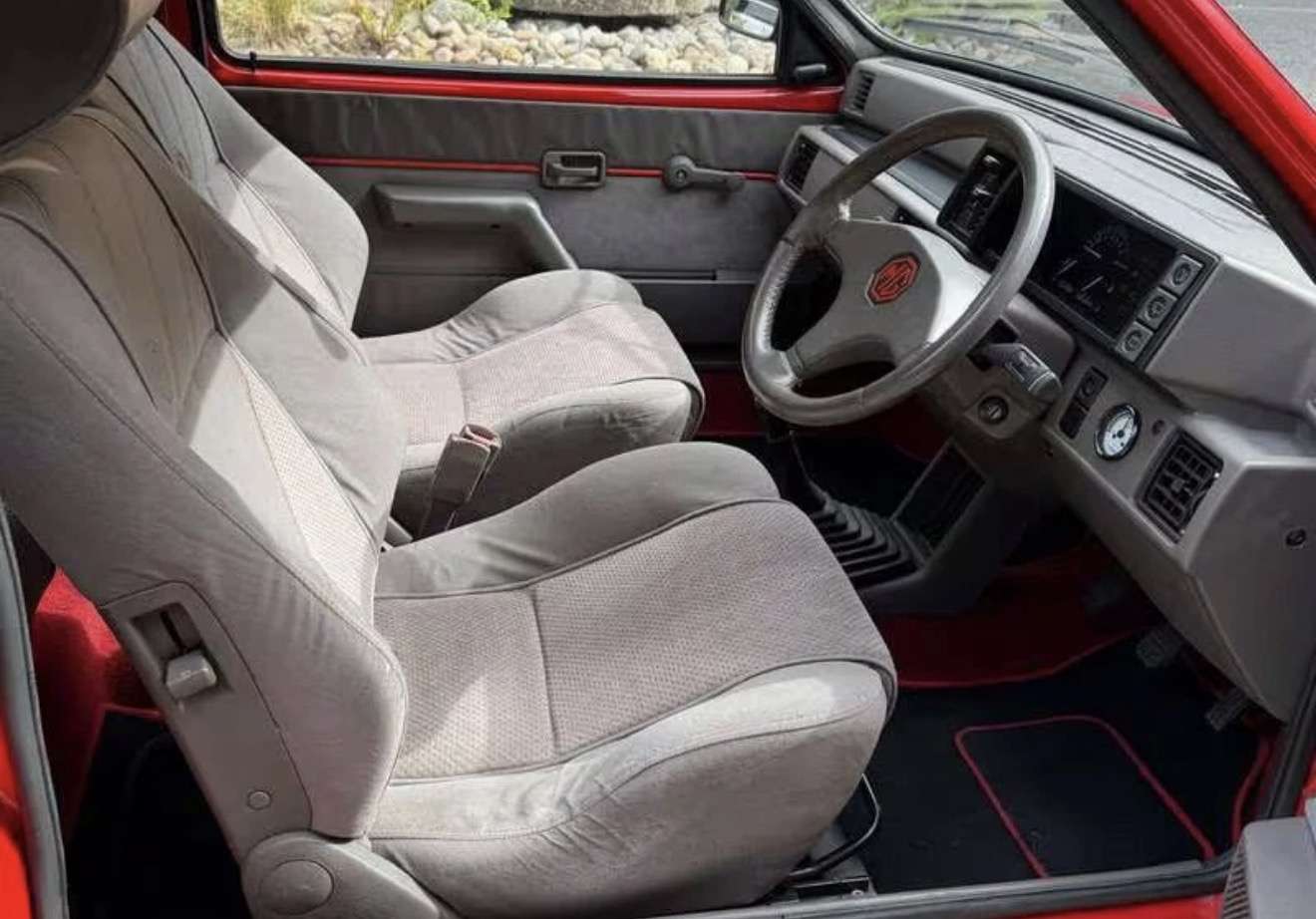
Red carpeting, striped sports seats, red seat belts and a digital-style boost display gave the Turbo a distinctive 1980s atmosphere. A three-spoke steering wheel and MG badging completed the transformation.
8. More than 21,000 were built
MG Owners’ Club records cite 21,968 examples produced between 1983 and 1990. It was never truly rare when new, but rust, accidents and extensive modification have made correct survivors much harder to find.
9. It is completely different from the Metro 6R4
The road-going Turbo remained front-engined and front-wheel drive. The spectacular 6R4 rally car used a purpose-built four-wheel-drive chassis and a normally aspirated V6 mounted behind the seats; little beyond the basic silhouette connected the two.
10. Survival is the real challenge
Corrosion can attack subframes, sills, floorpans, wheelarches and suspension mounting areas. Original turbo plumbing, carburettor equipment and trim are also valuable because so many cars were modified during their cheaper years.
Keep exploring
Browse more British performance curiosities in our Rare and Forgotten Cars hub, or visit the 10 Things hub.
Love cars you don’t see every day?
Get forgotten cars, surprising motoring stories and the most interesting finds from Unusual Cars by email.
Free to join. No spam. Unsubscribe whenever you like. See our Privacy Policy.
Sources and further reading
- MG Owners’ Club model records
- Austin Rover Group workshop and sales literature
- Period road-test data from UK motoring publications