
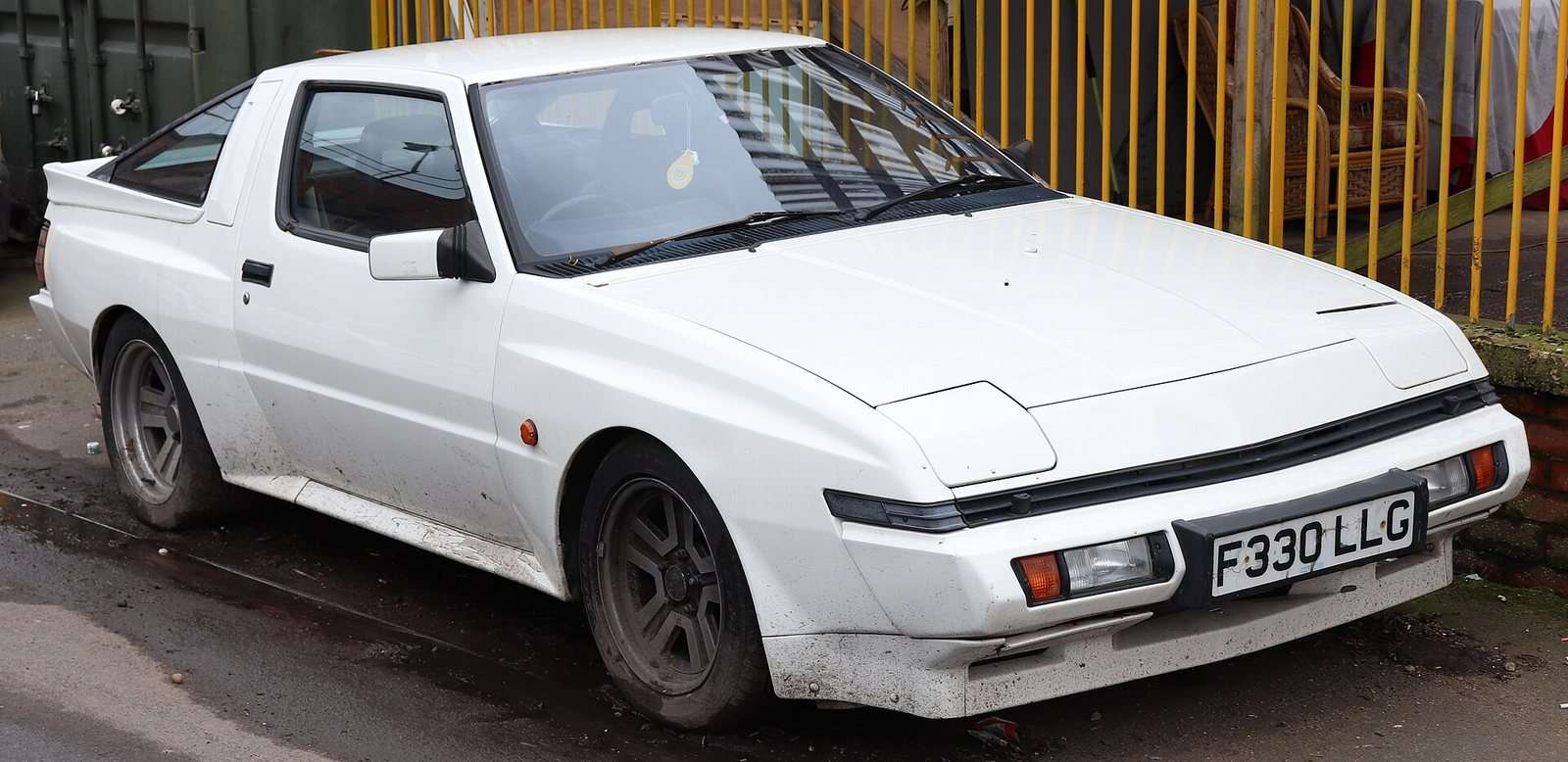
The Mitsubishi Starion arrived before the Japanese performance-car boom was in full swing, yet it already had the essential ingredients: turbo power, rear-wheel drive, pop-up headlamps and a body that looked ready for a Group B stage. Here are ten details that make it far more interesting than its 1980s poster-car shape suggests.
1. It was Mitsubishi’s fourth dedicated sports model
Mitsubishi launched the Starion in May 1982 and describes it as its fourth sports model, following the Galant GTO, Galant FTO and Lancer Celeste. Its wedge profile, slant nose and short ducktail were deliberately different from the company’s saloons and hatchbacks.
2. The name probably was not simply a misspelled “Stallion”
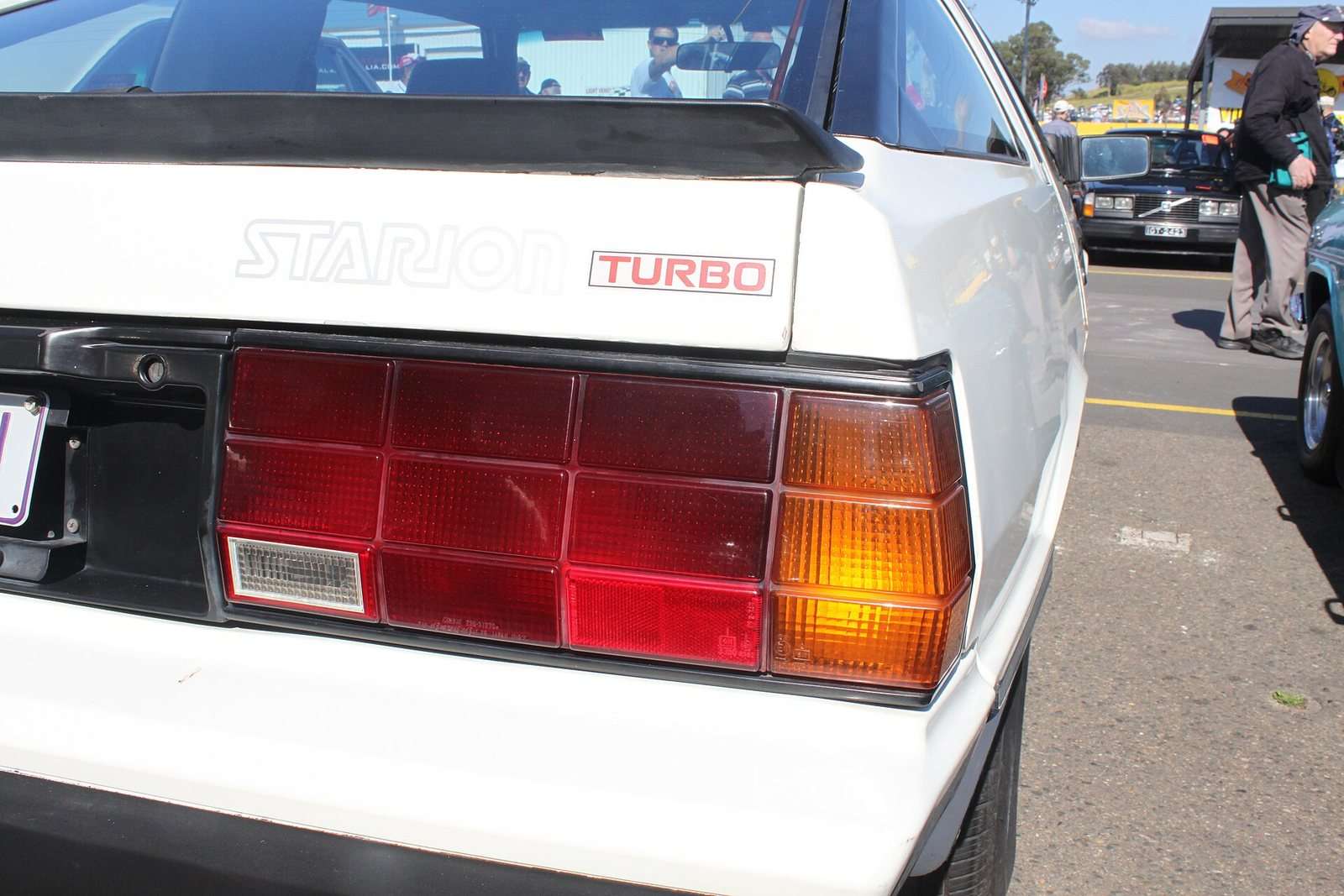
The famous story says a Japanese pronunciation turned “stallion” into Starion. Mitsubishi material has also linked the name to “Star of Arion”, giving the coupé a deliberately celestial identity. With competing explanations in circulation, the safest fact is that Mitsubishi itself consistently used Starion—not Stallion—from launch.
3. It stayed rear-wheel drive
At a time when many mainstream manufacturers were switching to front-wheel drive, the Starion used a conventional front-engine, rear-drive layout. Independent rear suspension, ventilated disc brakes all round and carefully chosen steering geometry gave it genuine grand-touring ability rather than relying on its turbo badge alone.
4. Not every Starion had the same engine
Japanese and European cars were commonly built around a 2.0-litre turbo four, while later wide-body cars in several export markets used Mitsubishi’s larger 2.6-litre engine. Outputs, injection systems and intercooling also changed by year and market, so “Starion Turbo” is the beginning of an identification exercise, not the complete specification.
Love cars you don’t see every day?
Get forgotten cars, surprising motoring stories and the most interesting finds from Unusual Cars by email.
Free to join. No spam. Unsubscribe whenever you like. See our Privacy Policy.
5. The narrow-body car came first
The earliest Starions have comparatively restrained wings and a crisp, slim profile. The muscular wide-body version—with boxed arches and a more aggressive stance—arrived later and became the image most enthusiasts remember. Both are authentic factory forms, but panels and trim are not freely interchangeable.

6. Chrysler sold its own versions
In North America the same basic car also appeared as the Dodge and Plymouth Conquest, later simply Chrysler Conquest. The badge change makes parts searches and market histories confusing, but it also shows how important Mitsubishi was to Chrysler’s 1980s performance range.
7. Mitsubishi kept increasing the output
The official company history records a 175PS intercooled model in June 1983 and a 200PS version in June 1984. Those figures refer to specific Japanese-market developments, not every car worldwide, but they show how rapidly the Starion evolved during its life.

8. There really was a four-wheel-drive Starion prototype
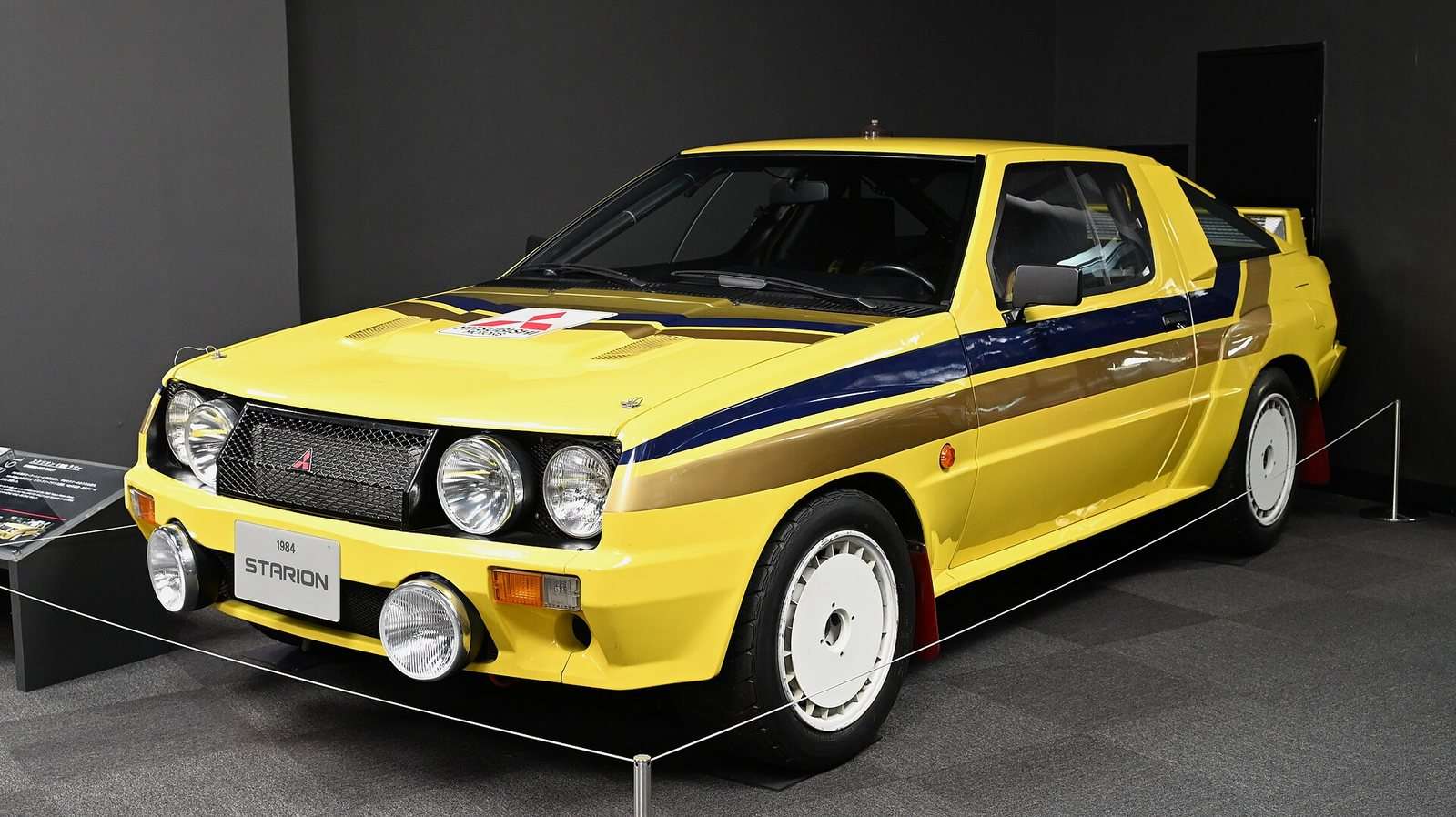
Mitsubishi built and tested a four-wheel-drive competition prototype as it investigated Group B rallying. The spectacular project never became a normal showroom derivative, so a road-going four-wheel-drive “Starion” requires very careful provenance. The abandoned idea nevertheless points directly towards Mitsubishi’s later rally expertise.
9. It competed in both rallies and endurance racing
Mitsubishi’s archive notes worthwhile results in rallies and endurance events. Competition Starions appeared in major series around the world, proving that the shape was more than a boulevard pose. The car’s motorsport record is less famous than the later Lancer Evolution story, which is precisely why it remains such good enthusiast trivia.
10. The technology is easier to replace than the body and trim
Engines can be rebuilt and many mechanical parts cross-reference with other Mitsubishi products, but rust-free shells, wide-body panels, lamps, interior plastics and factory wheels are increasingly difficult to replace. That makes completeness and corrosion just as important as boost pressure when judging a survivor.
For the wider history, specifications and buying checks, see our rare and performance Mitsubishi guide hub.
Love cars you don’t see every day?
Get forgotten cars, surprising motoring stories and the most interesting finds from Unusual Cars by email.
Free to join. No spam. Unsubscribe whenever you like. See our Privacy Policy.
Explore every 10 Things article →