The Renaultsport Clio 172 and 182 turned an ordinary supermini into one of the defining hot hatches of the 2000s. Light, naturally aspirated and full of character, the family contains more variations than its familiar shape suggests.
Thinking of buying one? Read our Renault Clio 172 & 182 buying guide for practical checks before buying and ownership advice.
1. The 172 number referred to metric horsepower
Renault quoted 172 PS for the original car, equal to roughly 169 bhp. Later 182 versions used the same convention rather than promising 182 imperial horsepower.
2. It used a 2.0-litre engine in a supermini shell
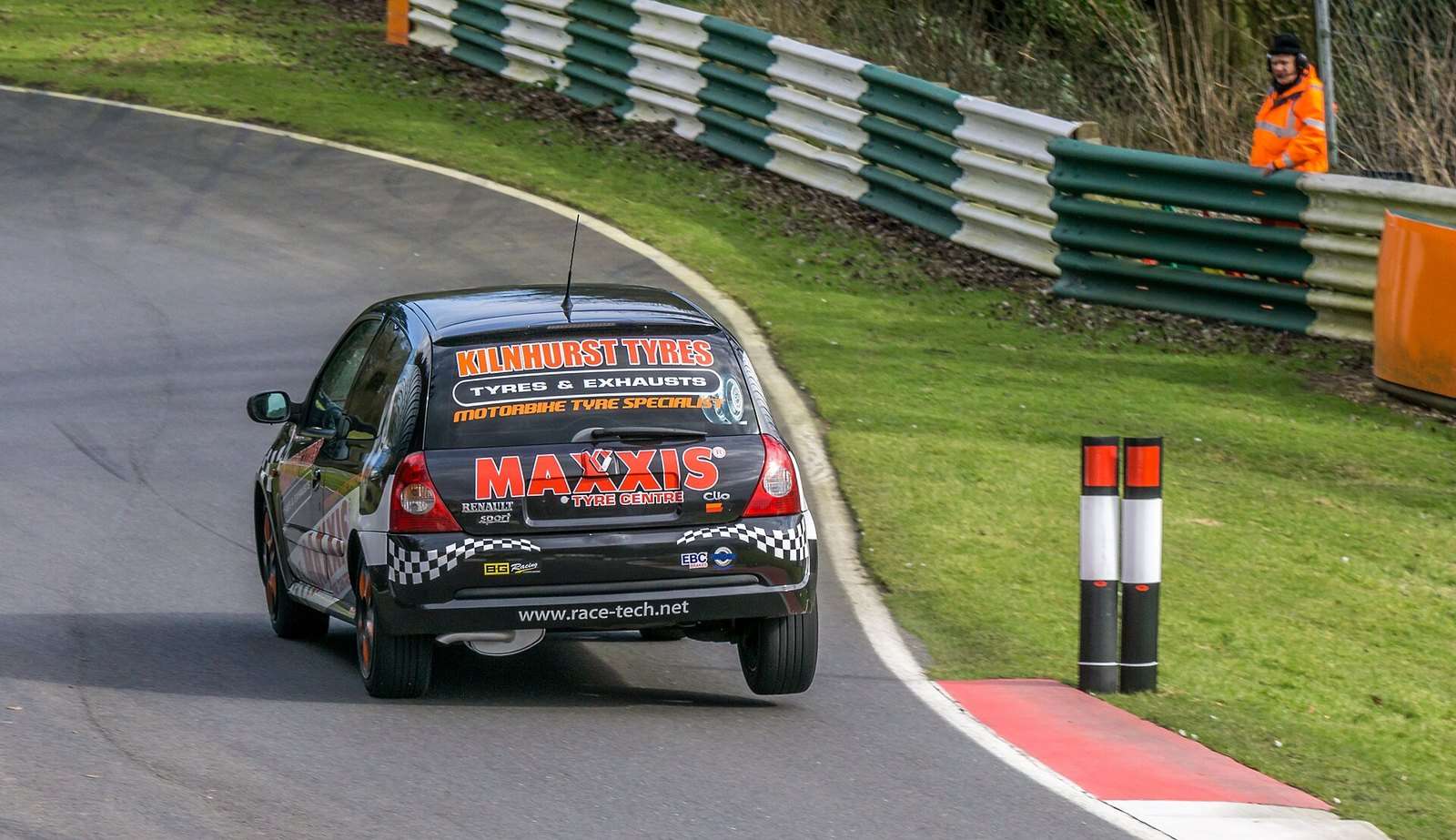
The F4R four-cylinder displaced 1,998cc and drove the front wheels through a five-speed gearbox. Tight packaging made routine engine-bay jobs more involved than the Clio’s size suggests.
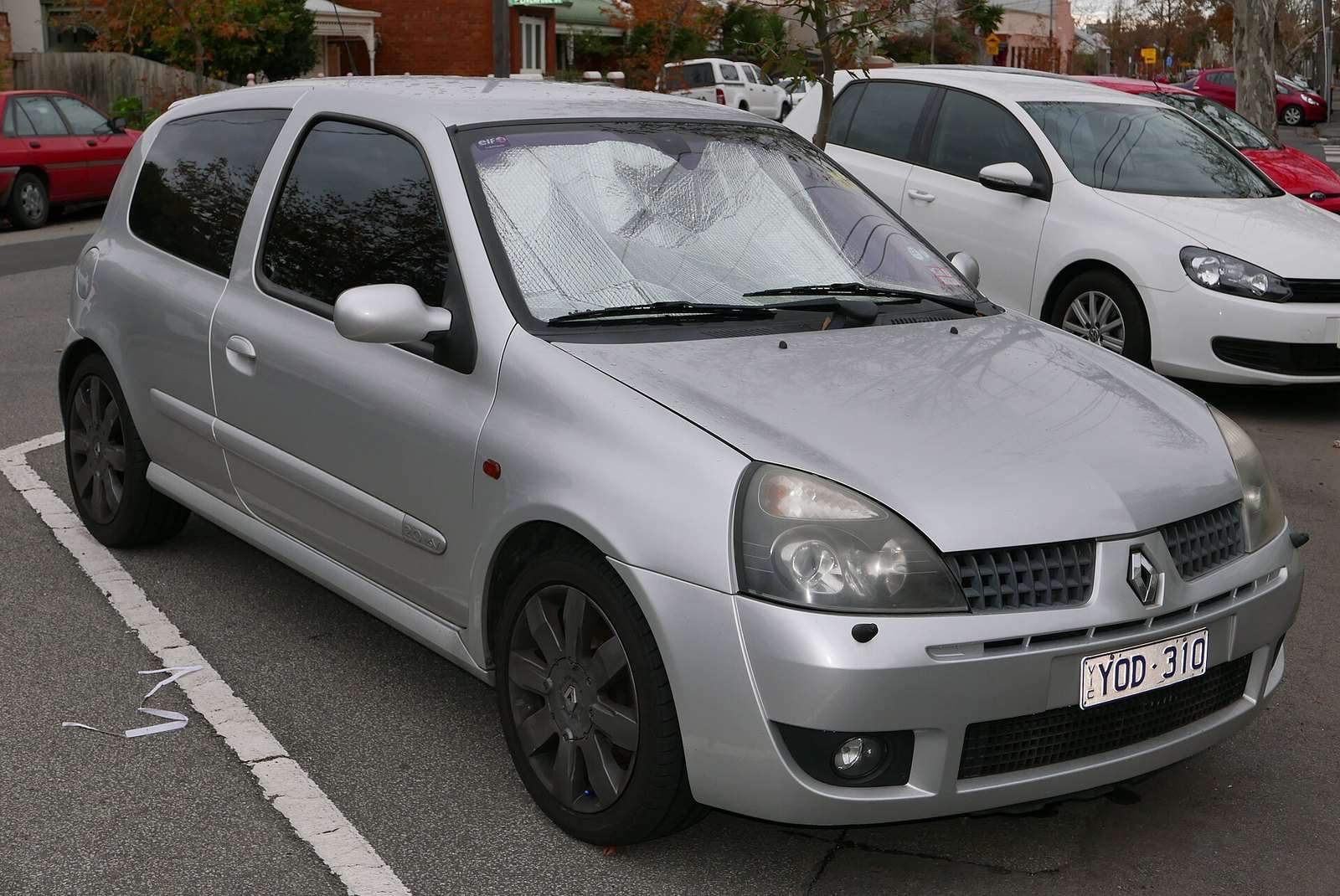
3. The earliest Phase 1 cars were unusually light
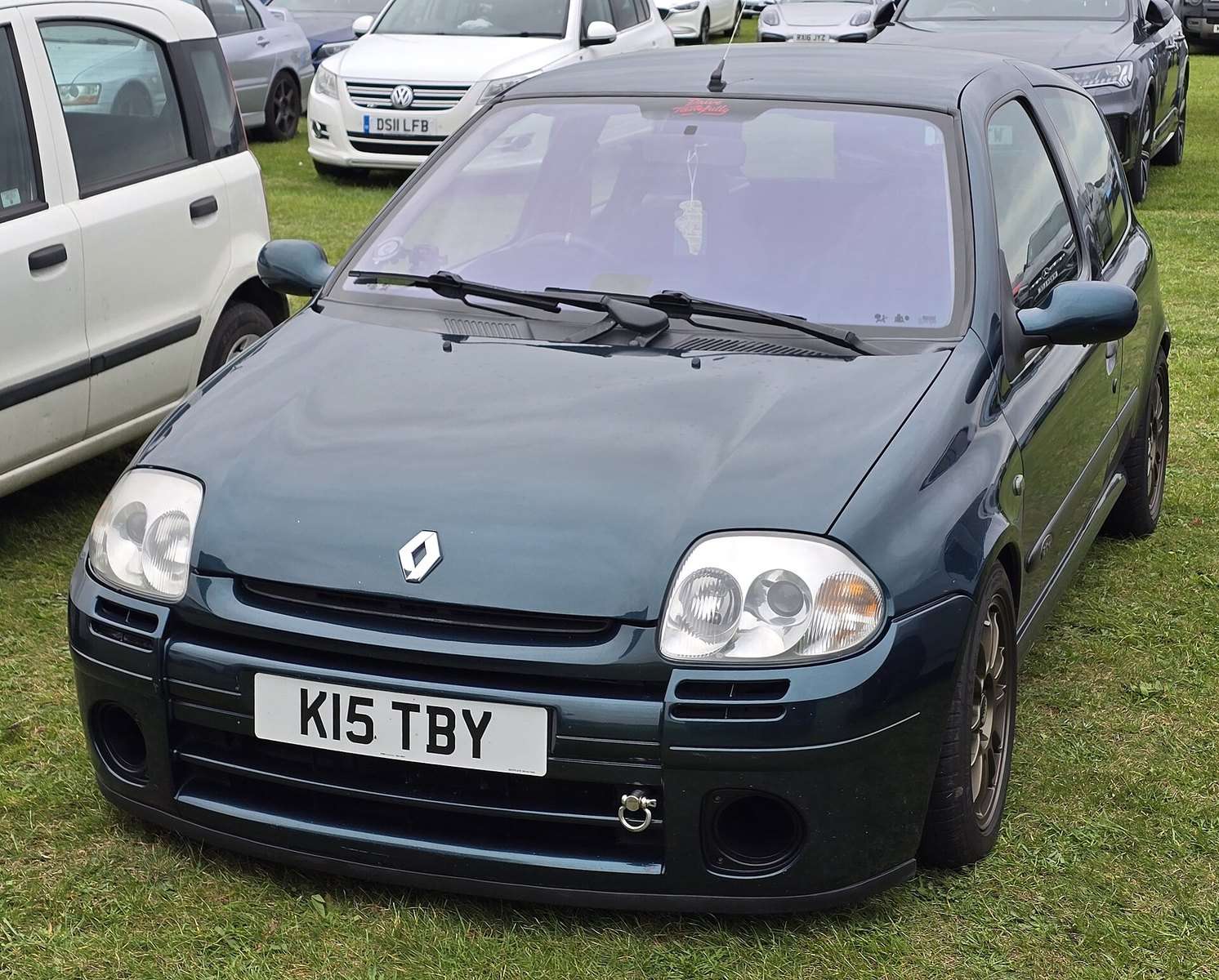
Introduced in 1999, the first 172 used details including an aluminium bonnet and composite front wings. Its low weight and less insulated cabin gave it a rawer personality.
4. The Phase 2 was a substantial update
The 2001 facelift brought a new nose, revised dashboard, electronic throttle and broader equipment. It was more polished without losing the basic naturally aspirated formula.
Love cars you don’t see every day?
Get forgotten cars, surprising motoring stories and the most interesting finds from Unusual Cars by email.
Free to join. No spam. Unsubscribe whenever you like. See our Privacy Policy.
5. The 172 Cup removed everyday equipment
Renault deleted items including air conditioning and xenon lamps on UK Cup cars, while thinner glass and simpler trim reduced weight. A wider track and revised suspension sharpened the chassis.
6. The 182 gained twin exhaust outlets
A redesigned exhaust released a little more quoted power and exited through two central tailpipes. The visual change makes a genuine 182 easy to distinguish from most 172s.
7. Cup packs created confusing combinations
A 182 could have the Cup chassis pack, the Cup spoiler pack, both or neither. The cheaper 182 Cup was a separate model with reduced equipment.
8. The Trophy used expensive Sachs dampers
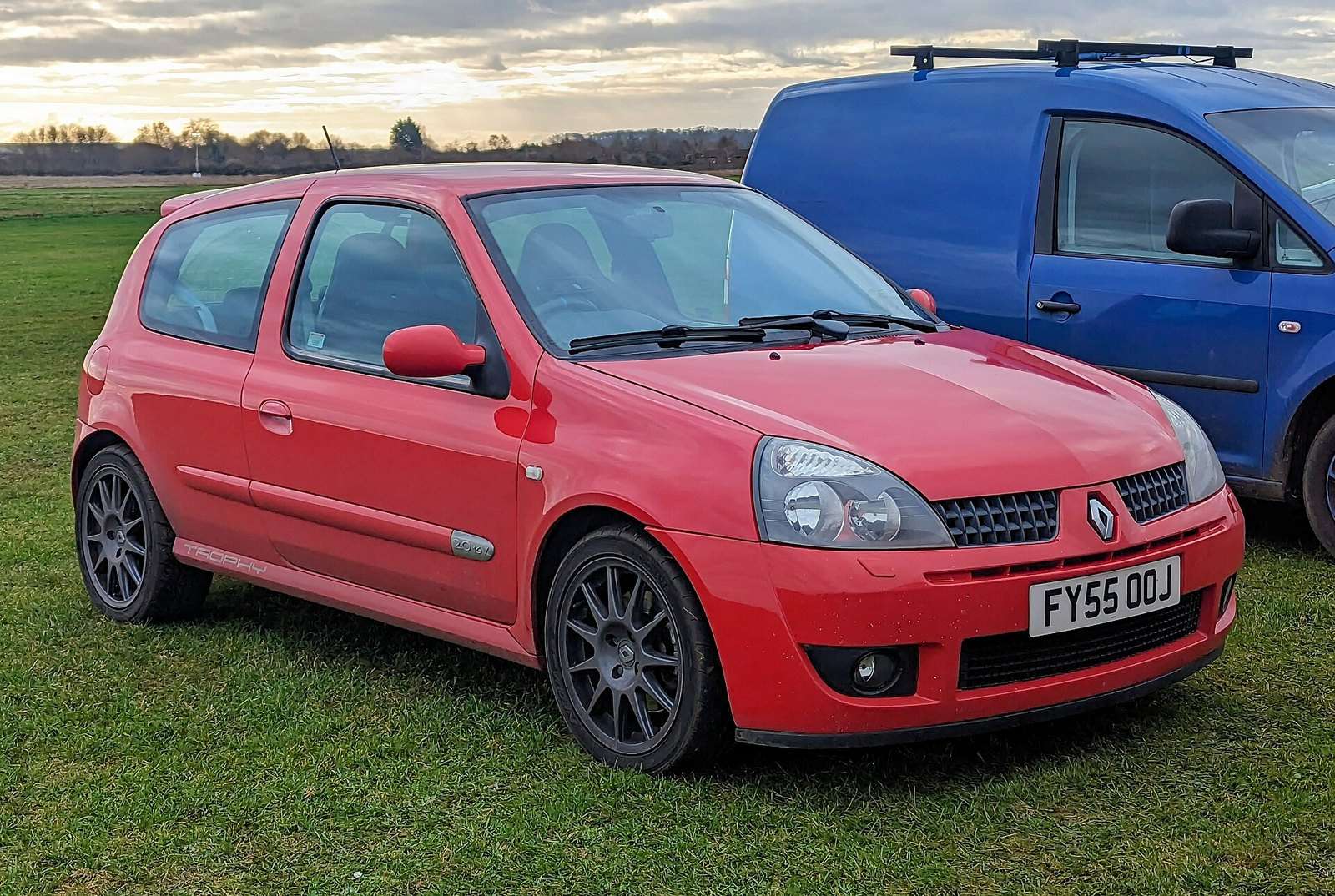
The 182 Trophy combined Recaro seats, unique wheels and remote-reservoir Sachs front dampers. Their performance was exceptional, but neglected units can be costly to rebuild.
9. Britain received 500 Trophys
The UK allocation was a numbered run of 500, almost all in Capsicum Red. Switzerland received a smaller group, which explains left-hand-drive cars in other colours and specifications.
10. Cambelt history matters more than mileage
The F4R requires specialist timing-belt knowledge and correct locking tools. Evidence for belts, dephaser pulley and auxiliary drive work is vital when buying.
Keep exploring
Read the full Renault Clio 172 and 182 history and buying guide, browse the Rare and Forgotten Cars hub, or discover more in the 10 Things hub.
Love cars you don’t see every day?
Get forgotten cars, surprising motoring stories and the most interesting finds from Unusual Cars by email.
Free to join. No spam. Unsubscribe whenever you like. See our Privacy Policy.
Sources and further reading
- Renault period brochures and Renaultsport technical material
- Contemporary UK road tests
- Unusual Cars UK Clio 172/182 guide