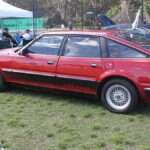
The Rover 800 Vitesse evolved from a refined Honda-linked executive car into a genuinely muscular British fastback. Its story spans V6 power, turbocharged four-cylinders and one of Rover’s most effective 1990s sporting saloons.
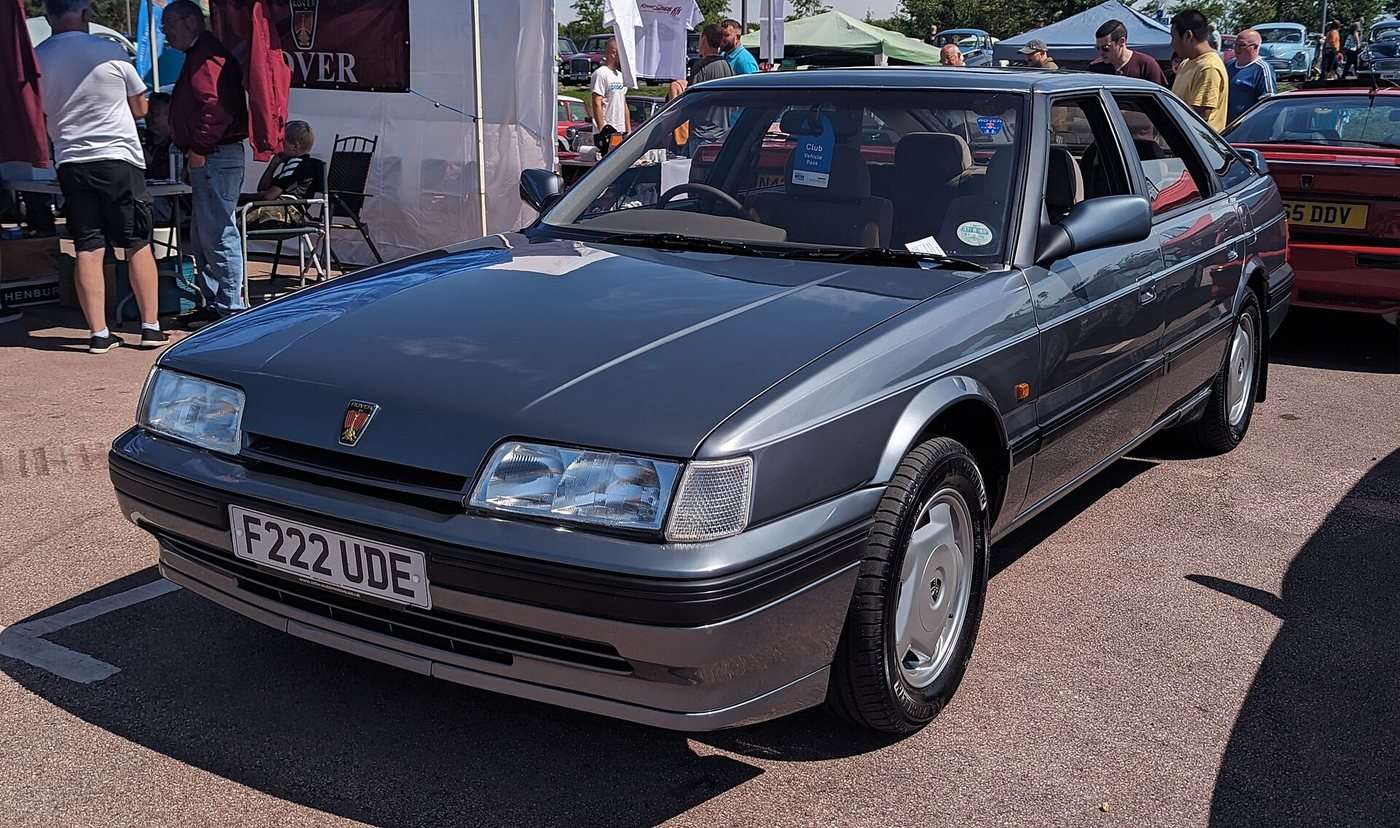
1. It was born from Rover’s Honda partnership
The 800 shared development roots with the first-generation Honda Legend. The cars were related without being identical, using different styling, suspension tuning and powertrain combinations.
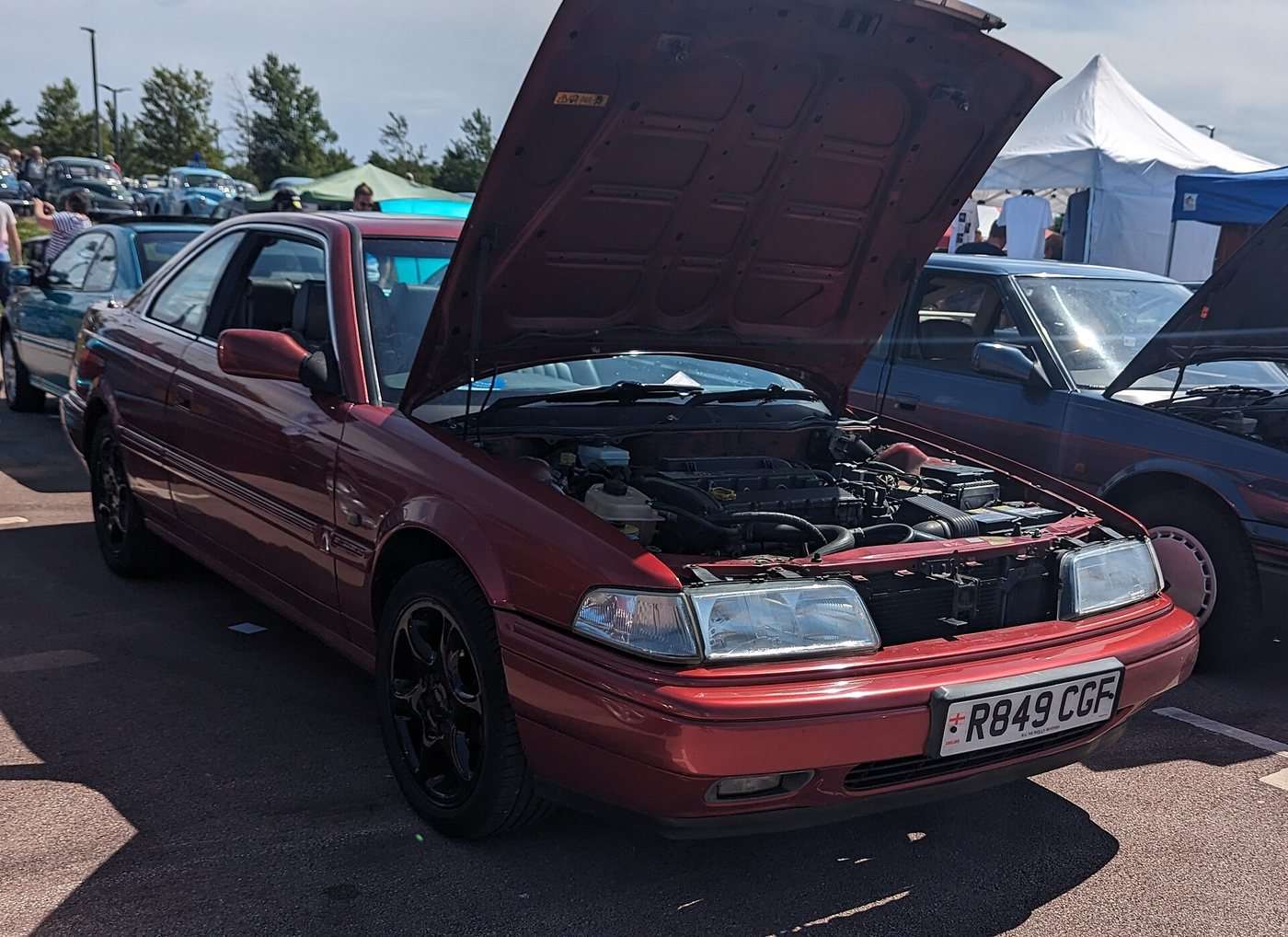
2. The first Vitesse used a V6
Early 827 Vitesse models used Honda’s 2.7-litre V6. Smoothness and refinement mattered more than the later car’s turbocharged punch.
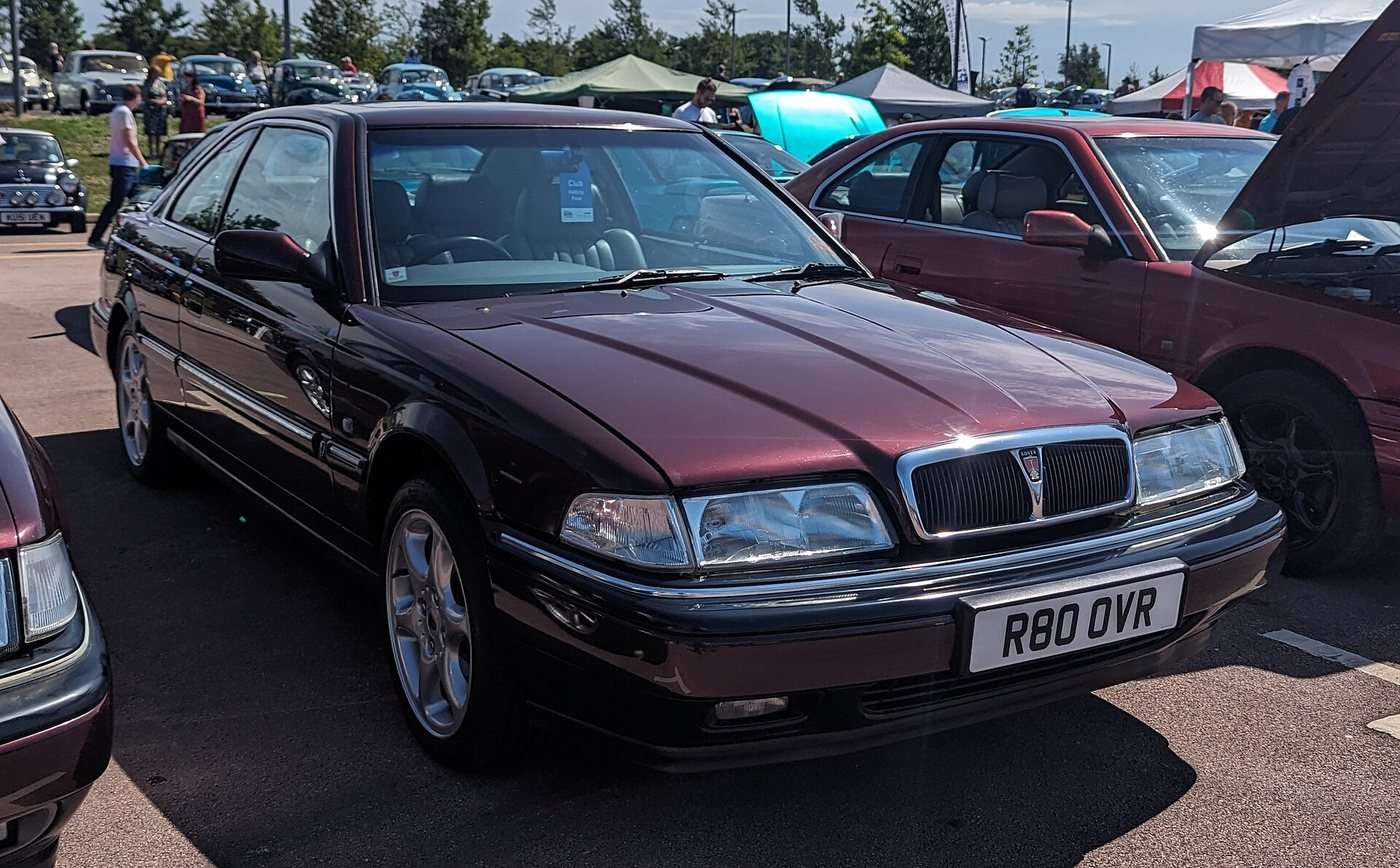
3. The fastback arrived after the saloon
Rover expanded the range with a five-door body that became closely associated with the Vitesse. Its huge hatch made the flagship unexpectedly practical.
4. Later cars switched to Rover turbo power
The 820 Vitesse used a turbocharged 2.0-litre T-Series four-cylinder. Outputs developed from around 180 bhp to approximately 197 bhp in the strongest production versions.
Love cars you don’t see every day?
Get forgotten cars, surprising motoring stories and the most interesting finds from Unusual Cars by email.
Free to join. No spam. Unsubscribe whenever you like. See our Privacy Policy.
5. The Sport was a proper chassis upgrade
Vitesse Sport specification added firmer suspension and a limited-slip differential, helping the front-wheel-drive car deploy its torque more effectively.
6. It could reach about 150 mph
The 197 bhp Vitesse Sport was one of the fastest British production saloons of its era. Its understated appearance made the performance especially surprising.
7. The R17 facelift changed the nose dramatically
A 1996 update introduced smoother bumpers, grille and trim. Enthusiasts often distinguish earlier and later cars by their very different faces.
8. Rover sold the 800 in America as a Sterling
US-market cars wore Sterling badges and initially attracted attention for British luxury at a competitive price. Quality problems badly damaged the venture.
9. Police forces appreciated the performance
The combination of speed, space and discreet styling made fast 800s suitable for motorway work. Ex-service histories therefore need especially careful checking.
10. T-Series durability does not eliminate age-related problems
Cooling systems, turbo hoses, electronics, rust and neglected suspension can turn a cheap Vitesse into an expensive project. Original Sport-specific parts are increasingly scarce.
Keep exploring
Read the full Rover 800 Vitesse and Vitesse Sport guide, browse the Rare and Forgotten Cars hub, or discover more in the 10 Things hub.
Love cars you don’t see every day?
Get forgotten cars, surprising motoring stories and the most interesting finds from Unusual Cars by email.
Free to join. No spam. Unsubscribe whenever you like. See our Privacy Policy.
Sources and further reading
- Rover and Honda period literature
- Contemporary UK performance tests
- Unusual Cars UK Rover 800 Vitesse guide