
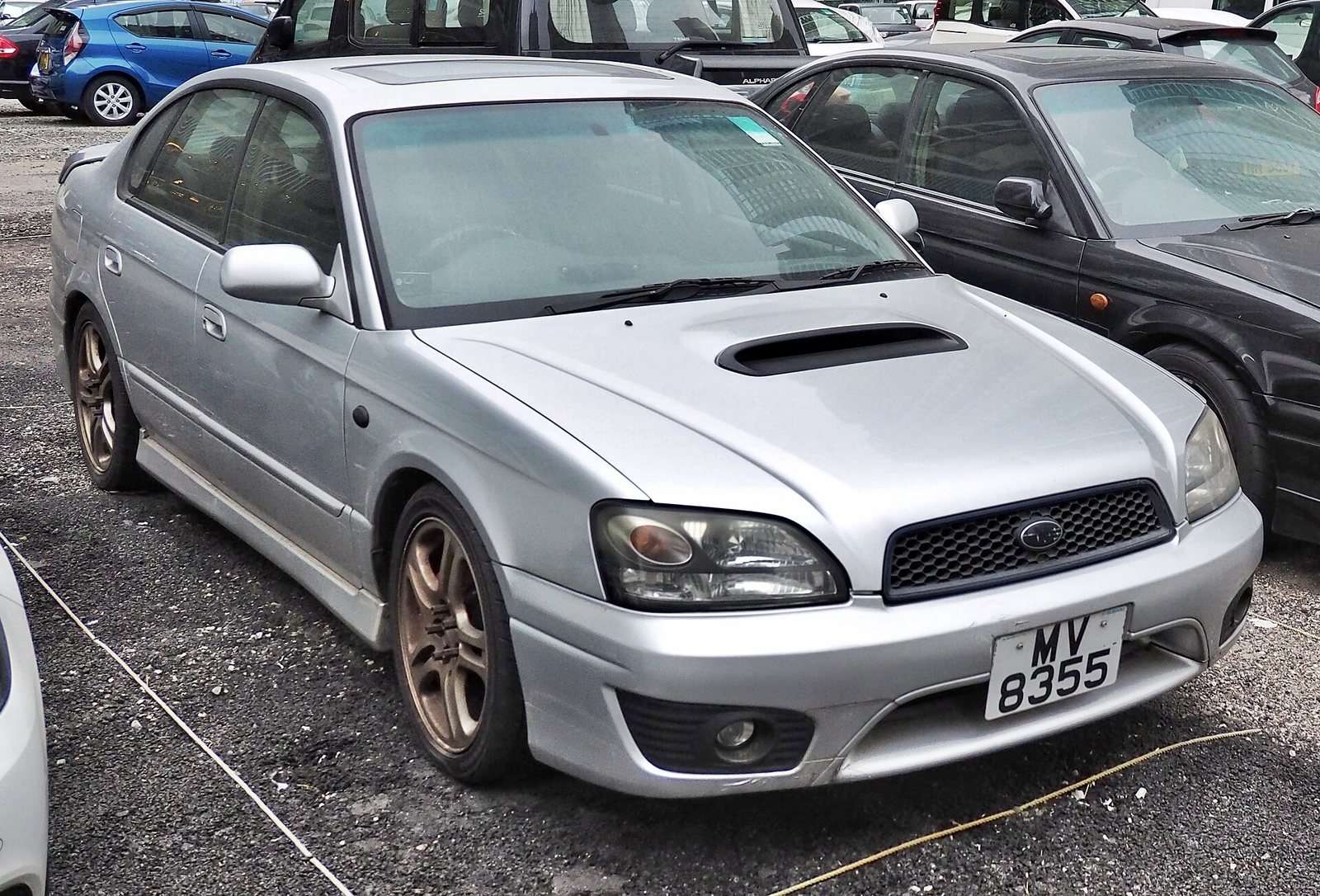
Before high-performance estates became commonplace, Subaru offered the Legacy GT-B and B4 RSK with four-wheel drive and sequential twin-turbo power. They were devastatingly capable, technically intriguing and never officially straightforward in Britain.
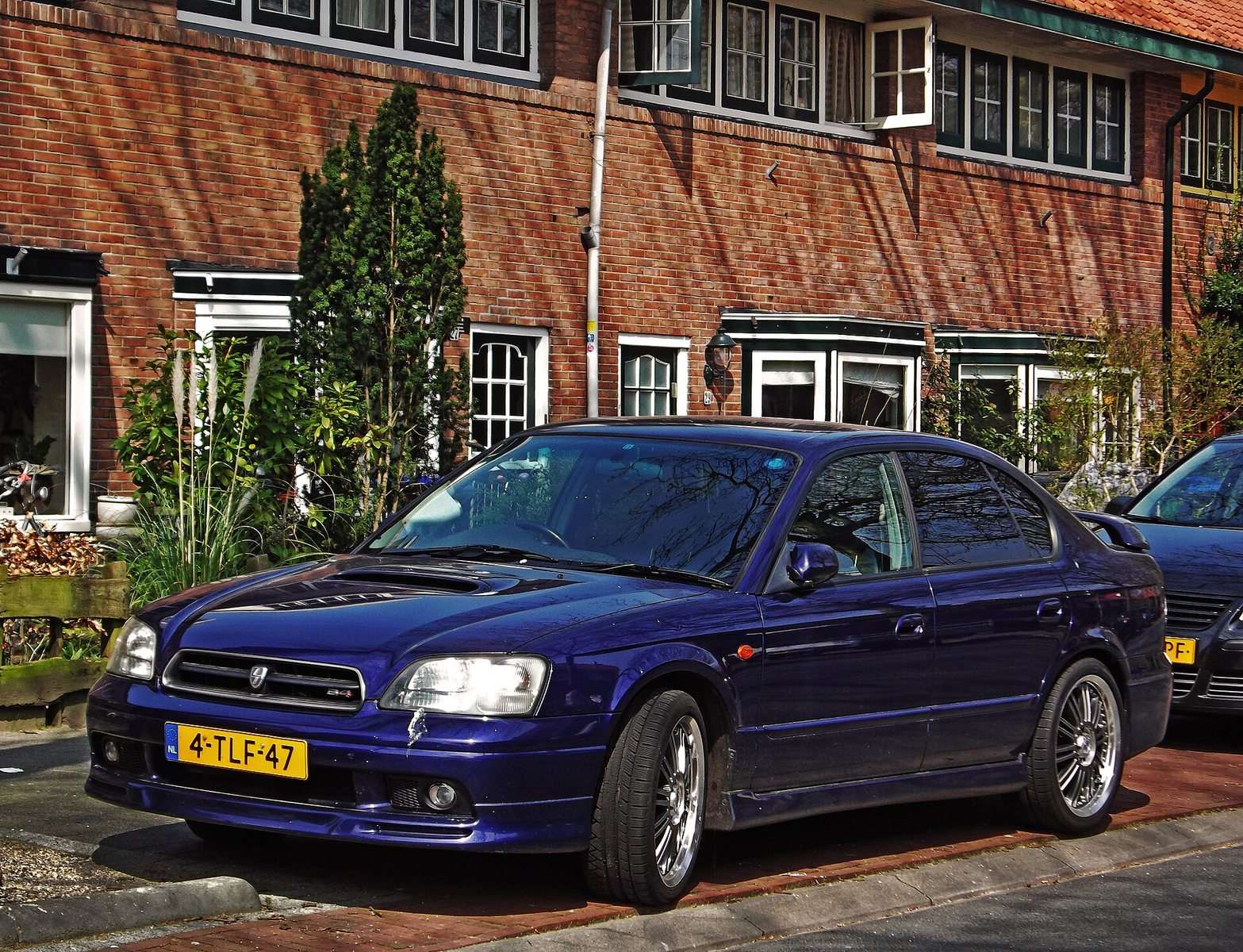
1. GT-B and RSK identified different body styles
GT-B was most closely associated with the Touring Wagon, while RSK identified the sporting B4 saloon. Specifications varied with generation and Japanese-market revision.
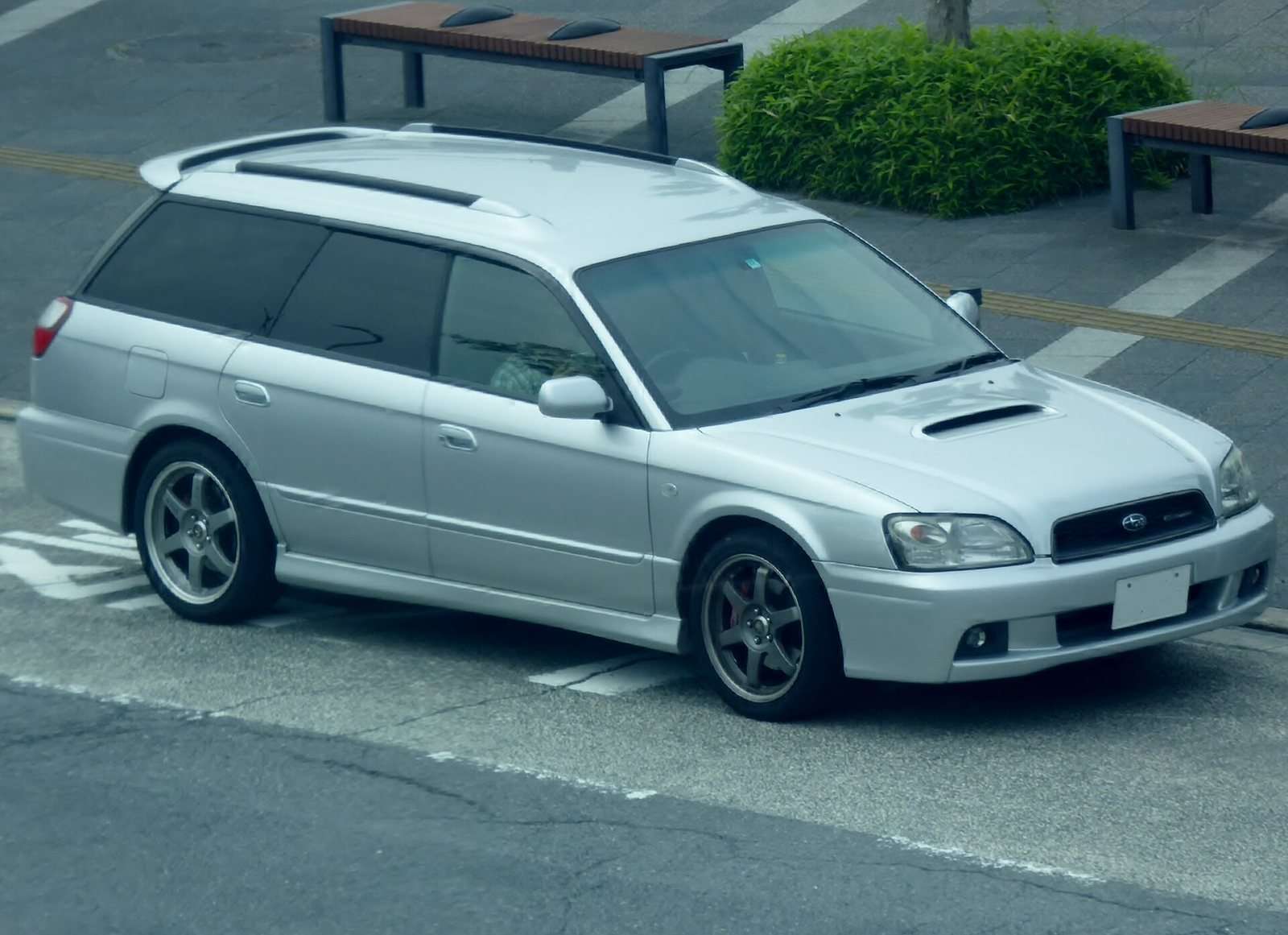
2. The engine used two turbos sequentially
One turbo operated at lower engine speeds before the second joined at higher load. The system aimed to combine response with top-end power.
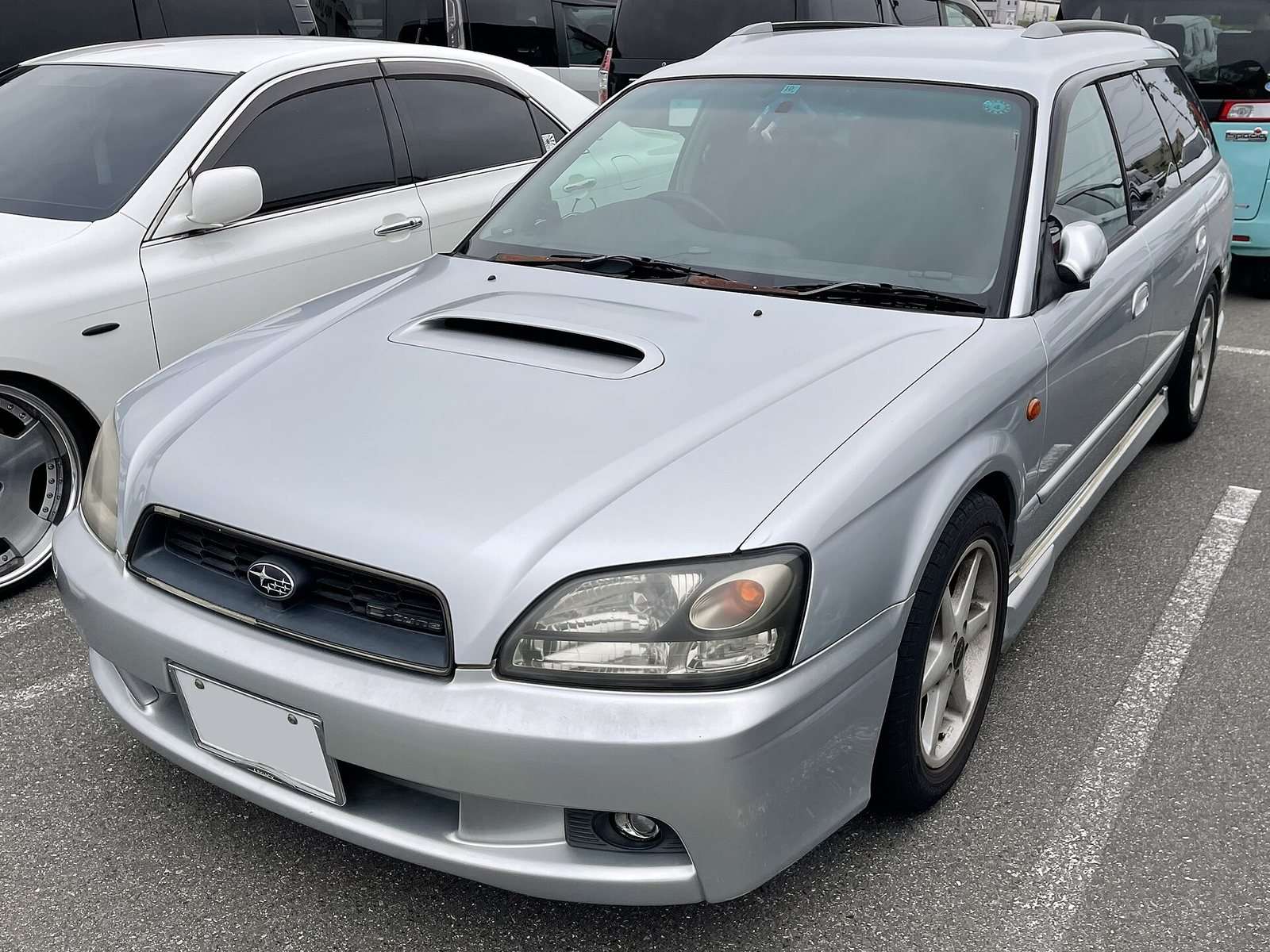
3. The handover created the famous valley of death
During the transition between turbos, poorly set-up cars can suffer a noticeable pause in acceleration. Vacuum leaks, solenoids and modified exhausts can worsen the effect.
4. Japanese cars were quoted at 280 PS
The strongest versions sat at Japan’s contemporary voluntary power ceiling. Real outputs and torque delivery varied between automatic and manual models.
Love cars you don’t see every day?
Get forgotten cars, surprising motoring stories and the most interesting finds from Unusual Cars by email.
Free to join. No spam. Unsubscribe whenever you like. See our Privacy Policy.
5. Permanent four-wheel drive was fundamental
Subaru combined boxer engines with all-wheel drive, using centre differentials and torque splits according to transmission. Wet-weather traction was central to the experience.
6. Bilstein supplied the B in GT-B
Factory Bilstein dampers distinguished the sporting wagon and gave firmer, better-controlled responses than ordinary Legacy estates.
7. The boxer layout lowered the centre of gravity
Horizontally opposed cylinders allowed a relatively low engine installation. The arrangement also produced the exhaust note enthusiasts associate with unequal-length manifolds.
8. Britain mostly received them as grey imports
Twin-turbo GT-Bs and B4 RSKs were Japanese-market cars rather than normal Subaru UK showroom models. Speedometer conversion, fuel quality and insurance histories deserve checking.
9. The automatic was not simply an inferior choice
Automatic versions used different turbo and torque characteristics, often suiting long-distance use. Condition and correct specification matter more than gearbox prejudice.
10. Single-turbo conversions are common
Owners sometimes replace the complex sequential system with Impreza-style single-turbo hardware. A conversion can work well, but it changes originality and must be engineered and documented properly.
Keep exploring
Read the full Subaru Legacy GT-B and B4 RSK guide, browse the Rare and Forgotten Cars hub, or discover more in the 10 Things hub.
Love cars you don’t see every day?
Get forgotten cars, surprising motoring stories and the most interesting finds from Unusual Cars by email.
Free to join. No spam. Unsubscribe whenever you like. See our Privacy Policy.
Sources and further reading
- Subaru Japanese-market brochures and technical data
- Specialist sequential twin-turbo documentation
- Unusual Cars UK Legacy GT-B/B4 guide