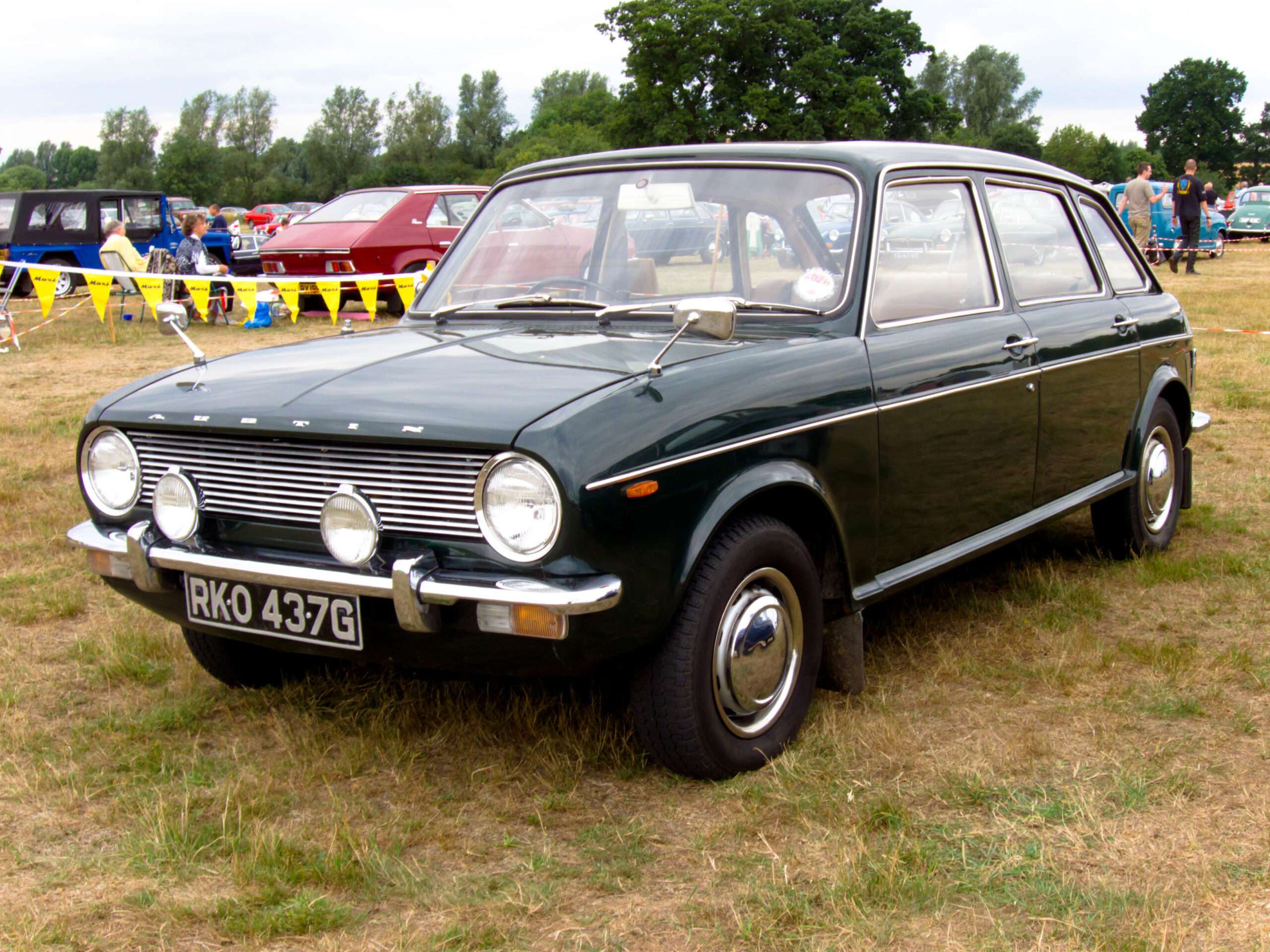
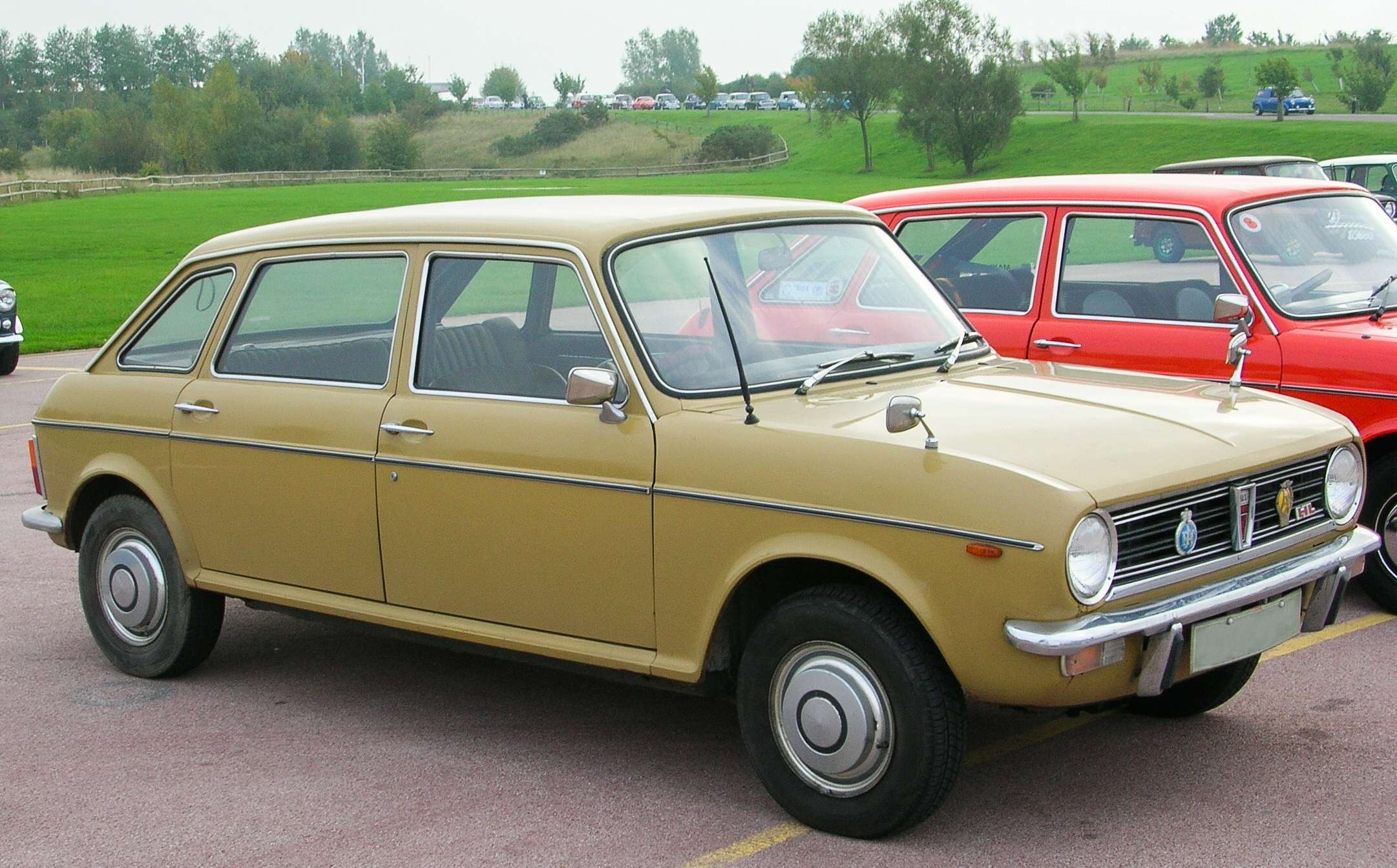
The Austin Maxi was one of British Leyland’s boldest family cars: Britain’s first production five-door hatchback, unusually roomy, mechanically adventurous and fitted with five forward gears from launch. Built from 1969 to 1981, it offered ideas that rivals would only make commonplace years later.
At a glance
- UK sales: 1969–1981
- Body: five-door hatchback
- Engines: 1.5- and 1.75-litre E-Series
- Gearboxes: five-speed manual; automatic on later versions
- Suspension: Hydrolastic, later Hydragas
History and UK context
Launched in April 1969, the Maxi was Alec Issigonis’s last production design. Its transverse E-Series engine, front-wheel drive and exceptionally long wheelbase created an enormous cabin within a compact footprint. The rear seat folded flat and the front seats could recline to form a bed, while the tailgate made the car genuinely useful for family life.
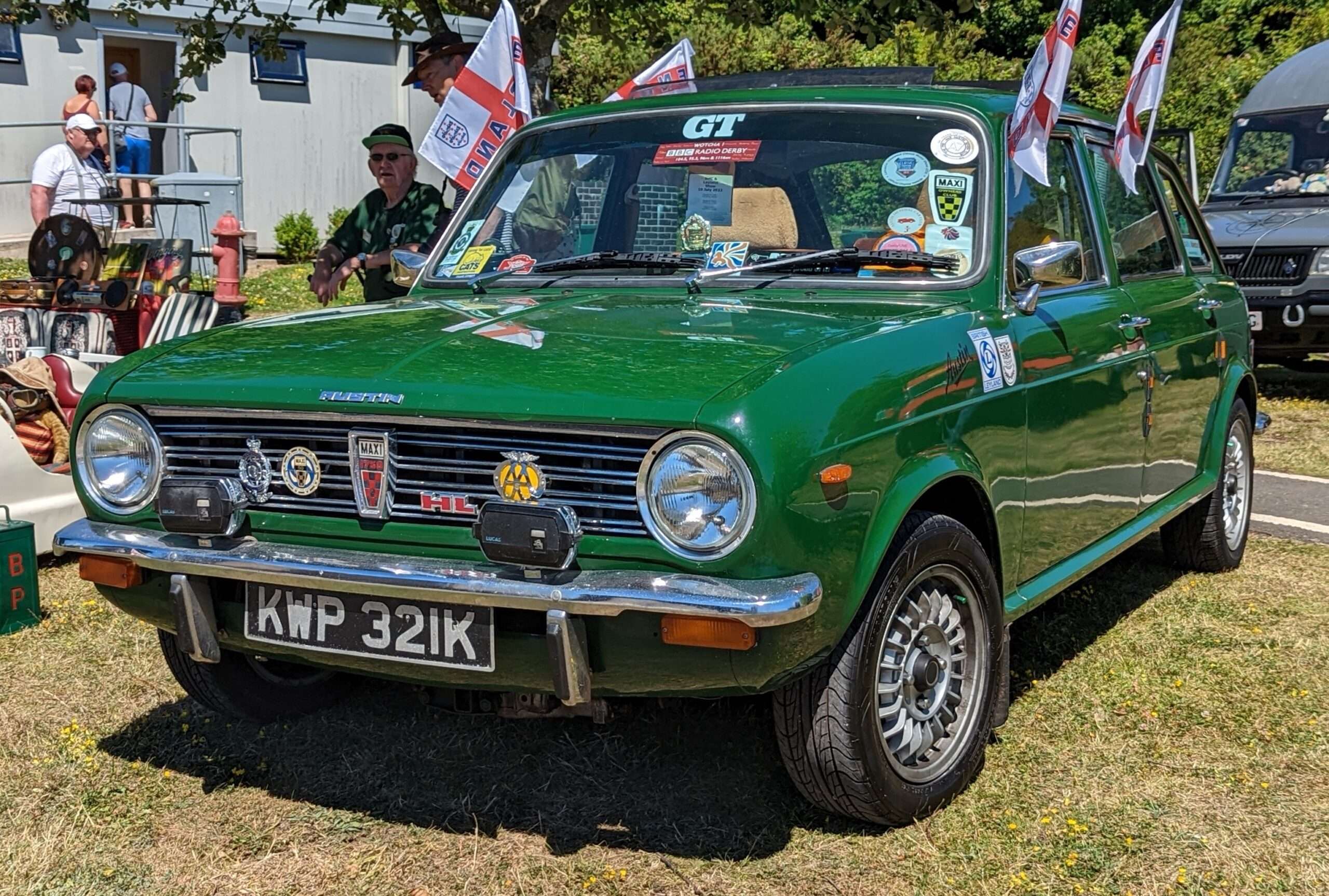
The first 1485cc cars used a cable-operated five-speed gear change that became notorious for vagueness. British Leyland responded in October 1970 with the 1748cc Maxi 1750 and a much better rod linkage. The twin-carburettor 1750 HL followed in 1972 with roughly 91bhp and stronger performance. Hydragas replaced Hydrolastic during the 1970s, while a Series 2 facelift in 1980 brought a tidier nose, improved trim and the final round of updates before production ended in July 1981.
UK specifications
| Version | Engine | Output | Character |
|---|---|---|---|
| Maxi 1500 | 1485cc E-Series | About 74bhp | Original cable-change model |
| Maxi 1750 | 1748cc E-Series | About 84bhp | More torque and rod-change gearbox |
| Maxi 1750 HL | 1748cc twin-carb | About 91bhp | Best-known sporting-luxury version |
What is it like to drive?
A sound Maxi feels unlike a conventional 1970s family saloon. The long wheelbase and interconnected suspension produce a relaxed, absorbent ride, while front-wheel drive gives secure, predictable handling. The steering is deliberate and the body rolls, but the car covers poor British roads with composure. A healthy 1750 has useful mid-range pull; the 1500 needs more patience. The fifth gear makes motorway cruising quieter than many period rivals.
Why is it unusual?
The Maxi combined a hatchback, folding interior, five-speed transmission and front-wheel drive at a time when British family cars were still dominated by three-box rear-wheel-drive saloons. Yet industrial turmoil, uneven build quality and a compromised styling programme prevented its cleverness from translating into lasting showroom prestige.
Buying guide
- Body: inspect sills, floors, subframe mountings, suspension pick-up points, wheelarches, door bottoms, bulkhead and tailgate. Structural corrosion is the biggest danger.
- Engine: E-Series units are durable when maintained, but check for overheating, oil leaks, timing-chain rattle and tired carburettors. Verify oil pressure when hot.
- Gearbox: early cable-change cars require careful adjustment; later rod-change boxes should select all five ratios cleanly. Listen for differential and bearing noise.
- Suspension: a car sitting low, unevenly or riding harshly may need specialist Hydrolastic or Hydragas attention.
- Trim: dashboards, seat fabrics, lamps and model-specific brightwork can be harder to find than mechanical parts, so completeness matters.
Why it matters
The Maxi was flawed but genuinely forward-looking. Its packaging predicted the modern family hatchback, and surviving cars demonstrate how much useful thinking sat beneath British Leyland’s troubled reputation. For enthusiasts, it delivers space, comfort and conversation-starting rarity at once.
Sources and further reading
- Honest John Classics: Austin Maxi review
- Honest John Classics archive: Maxi launch
- British Classic Cars: Austin Maxi history
Image sources and licences
Images are from Wikimedia Commons: Austin Maxi category. See the individual file pages for creator credits and licence terms.
Enjoy unusual cars?
Get new histories and buying guides by email.