Proton Persona and Wira
The value-led saloon and Aeroback that became Proton’s most visible British family car—now a genuinely scarce survivor.
Quick answer: The UK-market Proton Persona arrived in November 1993 as a four-door saloon and five-door Aeroback, initially with 1.5- and 1.6-litre petrol engines. The range expanded, was revised several times and adopted the Wira name in Britain in March 2000. Buy for condition: rust, neglected cooling systems, worn trim and hard commercial use are the main risks.

Persona and Wira UK history
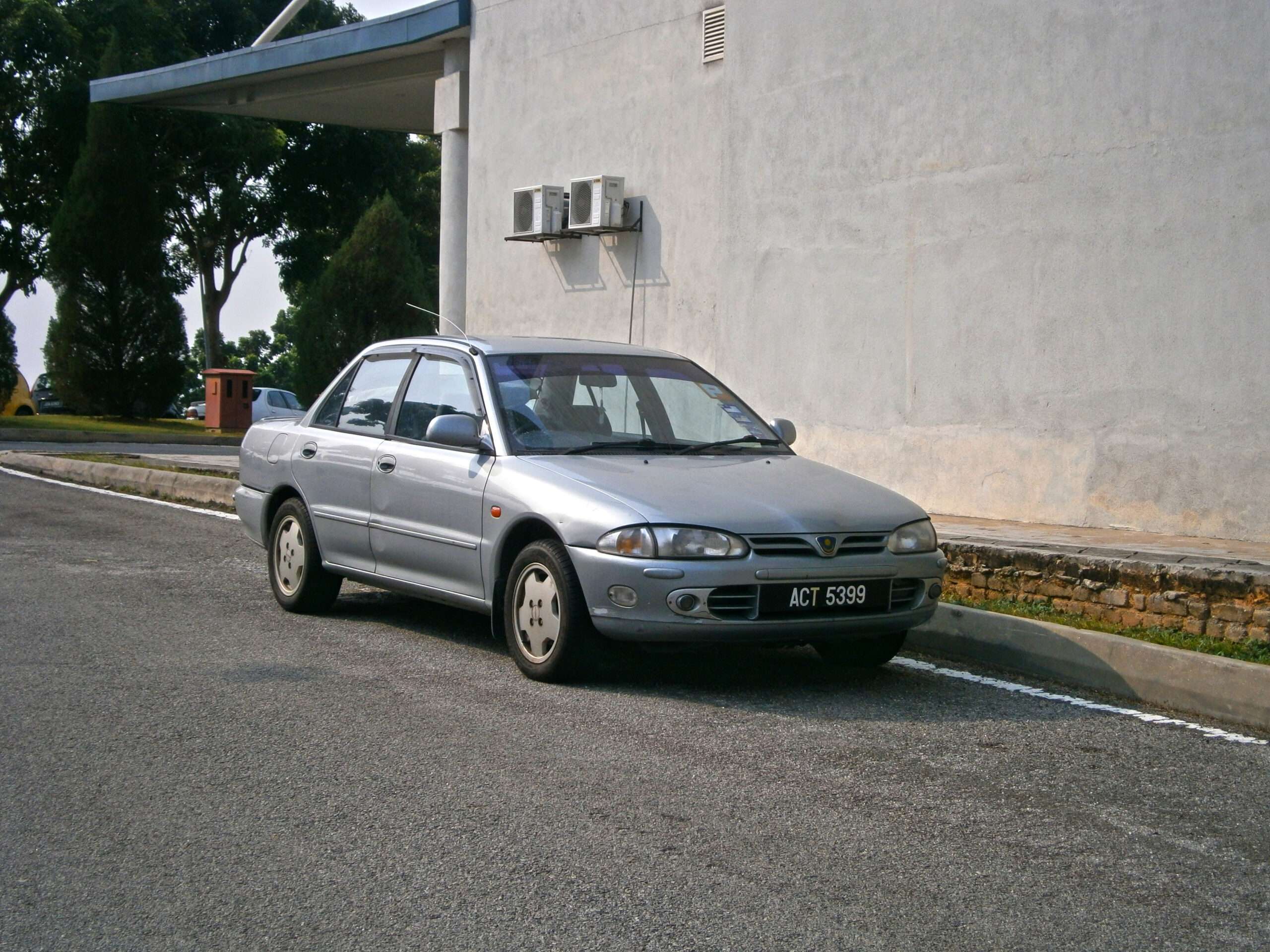
Proton launched the Wira in Malaysia in 1993, building on Mitsubishi Lancer architecture while adding its own styling and packaging. British buyers met it as the Persona in November that year. Competitive pricing, five-door practicality and long equipment lists made it a rational alternative to used European and Japanese family cars.
Early UK versions used 1.5- and 1.6-litre petrol engines. Updates in 1996 brought fresh trim and additional 1.8-litre and diesel choices; later cars gained 1.3-litre petrol and turbo-diesel options. Proton renamed the British range Wira in March 2000, aligning it with the home-market identity. Saloon and Aeroback production continued long enough to make the model a familiar sight, yet very few now remain in daily use.
Which version should you choose?
The 1.5 offers uncomplicated transport and is the version most people remember. The 1.6 feels more relaxed and is often the best all-rounder. The 1.8 is notably rarer and more interesting, while diesel cars have novelty value but can be harder to support. The Aeroback is the practical choice; the saloon has a large boot and a cleaner three-box shape.

Proton Persona and Wira specifications
- Layout: transverse front engine, front-wheel drive
- Petrol engines: 1.3, 1.5, 1.6 and 1.8 litres across the UK run
- Diesel: naturally aspirated and turbo-diesel versions appeared
- Gearboxes: five-speed manual and automatic on selected models
- Body styles: four-door saloon and five-door Aeroback
Road manners are predictable rather than exciting. Steering is light, visibility good and ride comfort acceptable. Later Proton involvement with Lotus improved the wider brand’s chassis reputation, but the Persona/Wira remains first and foremost a roomy, inexpensive family car.
Proton Persona and Wira buying guide
Check its history carefully
Some cars covered very high mileages or worked as taxis and private-hire vehicles. A worn driver’s seat, polished controls and mismatched history can reveal a harder life than the odometer suggests.
Corrosion
Inspect rear arches, sills, jacking points, floor seams, door bottoms, boot floor and suspension mounts. Aeroback tailgates can corrode around seams and the window. Poor repairs are common on cars that were once worth very little.
Engine and cooling
Look for clean coolant, stable temperature and an even idle. Check radiator, hoses, water pump area and expansion tank for staining. Blue smoke, oil contamination or persistent overheating should end the viewing.
Gearbox, suspension and brakes
Manual gear selection should be positive. Listen for driveshaft clicks and wheel-bearing hum; inspect bushes, dampers and tyres for uneven wear. Rear brakes can suffer through disuse, while old brake pipes deserve close examination.
Cabin and electrical equipment
Loose or rattling trim is common. Test central locking, windows, heater fan, instruments and air conditioning where fitted. Model-specific switches and panels are much harder to find than routine service parts.

Parts availability and values
Mechanical service parts benefit from Mitsubishi connections, but UK-specific lights, bumpers, badges and trim are scarce. Survivors remain inexpensive compared with recognised modern classics, although exceptional low-mileage cars have begun to attract enthusiasts of 1990s everyday motoring. Completeness and structure should guide the purchase.
Frequently asked questions
Is a Proton Persona the same as a Wira?
For this generation, yes in practical terms. The car was sold in Britain as the Persona before adopting the Wira name in 2000.
Was it officially sold in the UK?
Yes. The Persona was a mainstream UK model from late 1993 and the Wira name continued the range into the 2000s.
Which is the safest buy?
A well-preserved 1.5 or 1.6 petrol with a complete history and sound body is normally easier to support than a rare diesel or incomplete special edition.
Verdict
The Persona/Wira is precisely the sort of car that disappears unnoticed: once common, practical and cheap, now unusual enough to stop informed enthusiasts in their tracks. Find a solid example and it offers an affordable route into 1990s motoring history.
Research basis: official Proton milestones, RAC UK used-car archives, period specifications, model archives and Wikimedia Commons vehicle records.