The Jeep Wrangler TJ is the model that restored round headlights to the Wrangler and replaced leaf springs with coil suspension. Sold in Britain from the late 1990s, it combined unmistakable Jeep styling with compact dimensions, a separate chassis and serious off-road hardware. Good right-hand-drive 4.0-litre examples are now scarce enough to deserve modern-classic status.
Wrangler TJ history
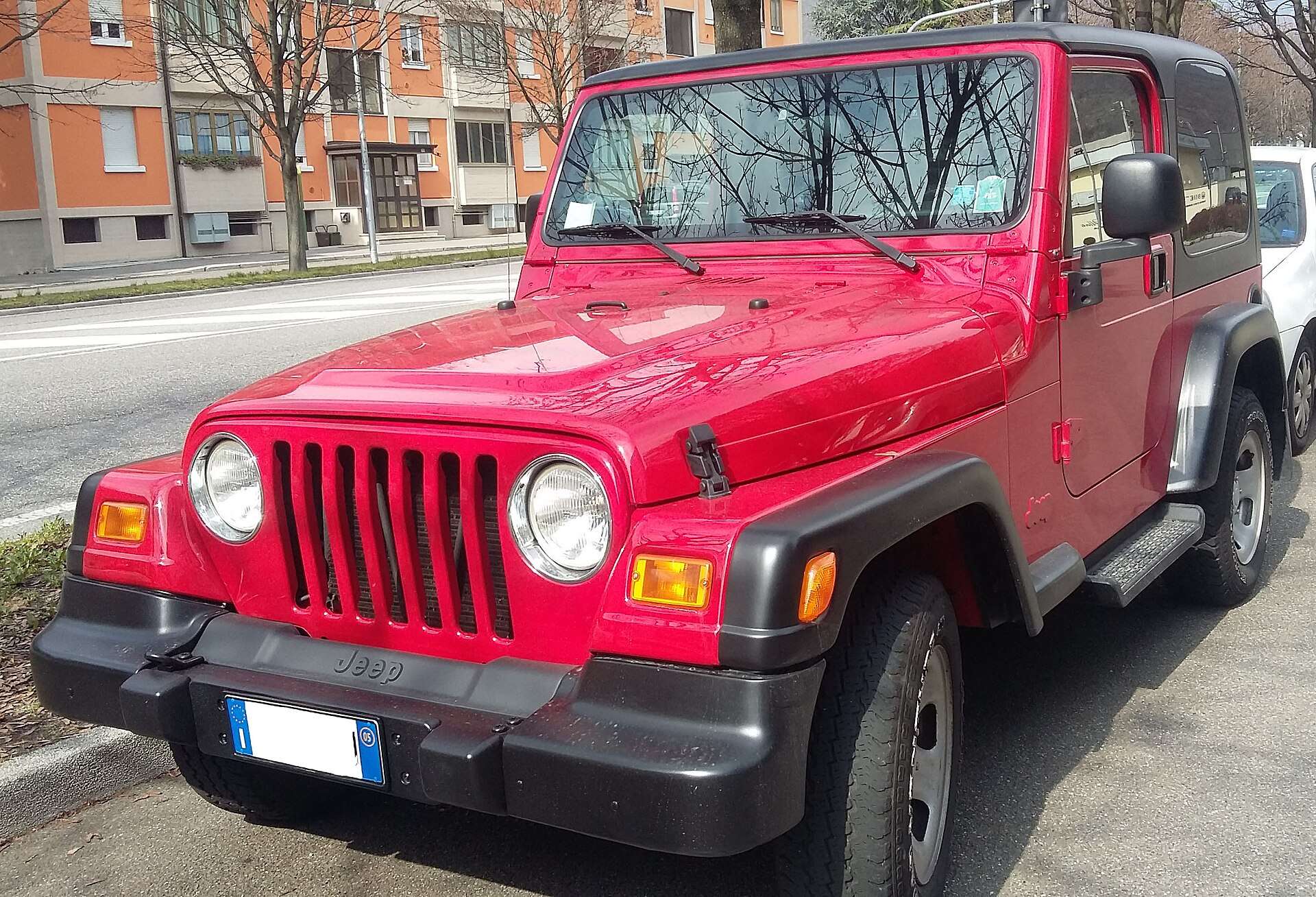
Introduced for the 1997 model year, the TJ followed the square-headlamp YJ but deliberately revived the round-light face associated with the original military Jeep and later CJ models. Around 80 per cent of its components were new. The most important engineering change was Quadra-Coil suspension, using coil springs and control arms at both axles instead of leaf springs.
The traditional fundamentals remained: a ladder frame, solid front and rear axles, selectable four-wheel drive, a folding windscreen and removable doors. Buyers could choose a fabric hood or removable hardtop. The TJ was replaced by the larger JK generation after the 2006 model year.
UK engines and versions
British cars were offered with four-cylinder petrol power and the much more desirable 4.0-litre straight-six. The six-cylinder engine is not economical, but its low-speed torque, simple design and distinctive character suit the Wrangler. Manual and automatic gearboxes appeared, with specification varying by year.
Sport and Sahara are the versions most often encountered. Sahara models generally brought a more civilised interior and body-coloured details. The factory Rubicon, introduced internationally for 2003, added locking Dana 44 axles and a 4:1 low-range transfer case. Genuine UK Rubicons and long-wheelbase TJ Unlimited models are especially uncommon, so provenance matters.
How the TJ drives
The short wheelbase, slow steering and high centre of gravity make the TJ very different from a modern crossover. It can wander on poor roads and becomes noisy at motorway speed, particularly with a soft top. That is part of its old-school appeal, but a healthy standard car should still track predictably without violent steering shake.
Off road, compact overhangs, generous axle articulation and proper low range allow the TJ to travel far beyond the point at which most road-biased SUVs stop. Modifications are common, yet a standard or sympathetically upgraded example is usually the safest purchase.
Jeep Wrangler TJ common problems
Chassis and body corrosion
Rust is the principal buying risk. Examine the chassis rails internally as well as externally, especially around suspension-arm brackets, body mounts, skid plates and the rear sections. Mud traps moisture inside the frame. Check the floor, wheelarches, windscreen frame, tailgate and areas hidden by plastic arch extensions.
Steering wobble and worn suspension
A severe front-end shake is often called “death wobble”. It is not a normal Jeep characteristic. Worn track-bar joints, ball joints, control-arm bushes, wheel bearings, steering components, incorrect alignment or badly chosen lift parts can all contribute. Drive over varied surfaces and insist that any looseness is diagnosed rather than masked by a steering damper.
4.0-litre cooling and oil leaks
The straight-six is durable when maintained, but age brings radiator, hose, water-pump and thermostat problems. Look for dried coolant, overheating evidence and oil leaks around the rocker cover and rear of the engine. Later cylinder-head castings have a reputation for cracking if overheated, making cooling-system history important.
Gearboxes and four-wheel drive
Manual changes should be clean and automatics should engage promptly. Test high and low ranges on a suitable loose surface and check for transfer-case noise or fluid leaks. Universal joints, propshafts and axle seals wear, especially on lifted cars with altered driveline angles.
Roofs, doors and cabin
Soft-top plastic windows become cloudy or split and door seals allow water into the footwells. Check the hardtop for cracks, damaged mounting points and a working rear demister and wiper. Make sure removable doors, roof hardware and original tools are present.
Modified TJ buying advice
Lifts, oversized tyres and aftermarket bumpers are not automatically bad, but quality and geometry matter. Ask who fitted the parts, whether the gearing was changed to suit the tyres and whether brake, steering and propshaft upgrades were completed. Poor modifications can create vibration, weak braking and accelerated bearing wear.
Check the vehicle’s identity carefully. Rubicon stickers, wheels and bumpers are easily copied; the VIN and build sheet should confirm the original model and axle specification.
Wrangler TJ buying checklist
- Inspect the complete chassis with a torch and tapping tool; avoid heavy fresh underseal without supporting photographs.
- Start from cold and watch the temperature throughout the test drive.
- Check steering for play and drive over bumps at several sensible speeds.
- Operate low range and inspect both axles, propshafts and transfer case.
- Lift the carpets and look for water, corrosion and previous welding.
- Check roof condition and confirm all removable parts are included.
- Verify modifications, tyre size and wheel offset are road legal and properly engineered.
Which Wrangler TJ should you buy?
For most enthusiasts, a largely standard 4.0-litre Sahara or Sport with a sound chassis is the sweet spot. A genuine Rubicon offers greater rarity and off-road hardware, but should be authenticated. Four-cylinder cars can be charming and cheaper, although they work hard at road speeds without delivering dramatically lower running costs.
Verdict
The Wrangler TJ is crude beside a conventional SUV but unusually honest and characterful. Its combination of compact size, coil-sprung solid axles and the 4.0 straight-six gives it lasting appeal. Structural condition is far more important than shiny paint or accessories: buy the best chassis and history you can find.
Research sources included Jeep’s official Wrangler history, period specifications and independent UK used-car guidance. Equipment varies by year, so confirm an individual Jeep from its VIN and build sheet.