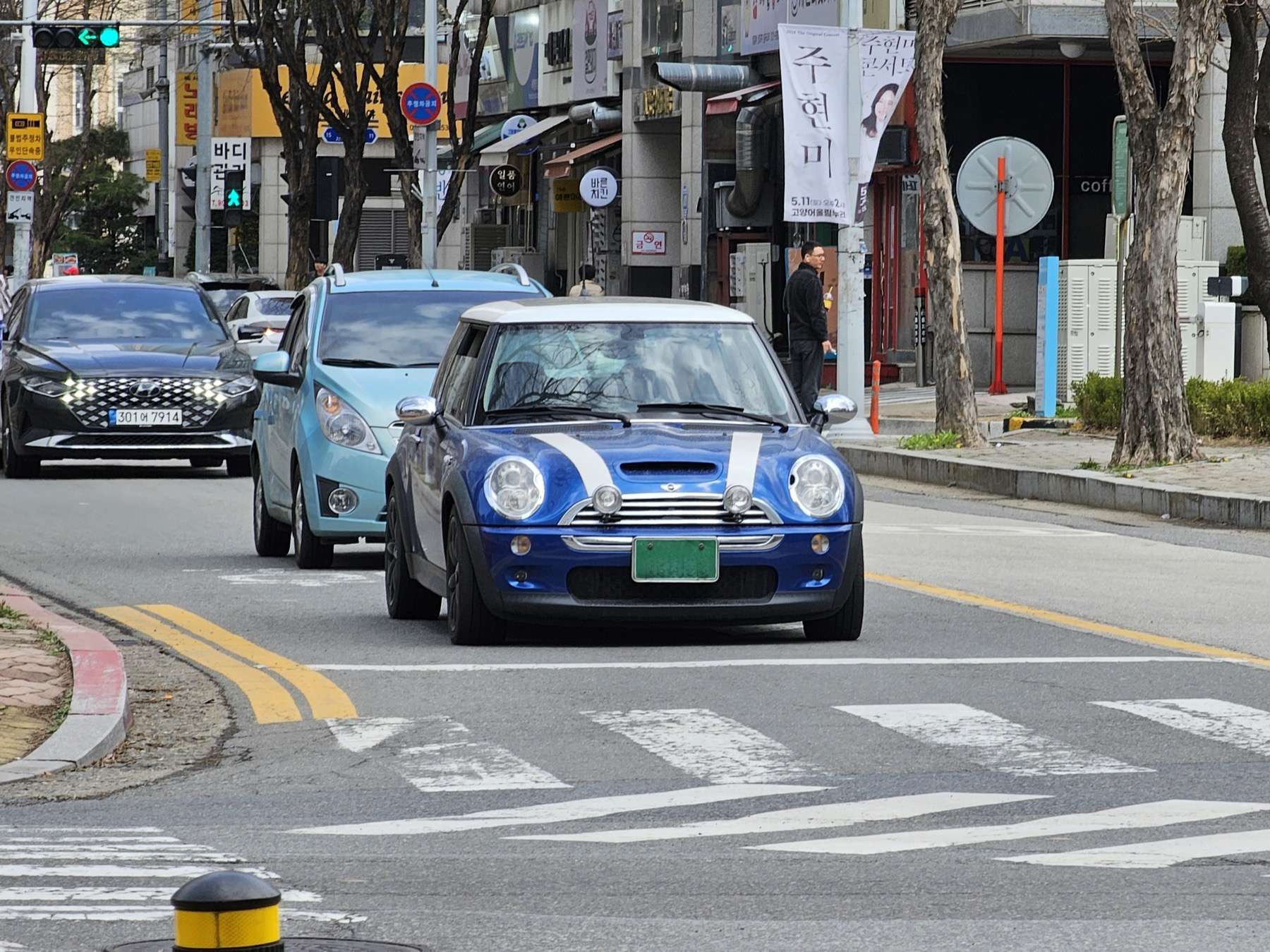
The first modern MINI Cooper S did not rely on nostalgia alone. Its compact body hid a Brazilian-built engine, American supercharger, German six-speed gearbox and a chassis tuned to make every journey feel like a special stage through a city.
1. R53 identifies the supercharged hatch
BMW’s internal code R50 covered the first modern MINI hatch in One and Cooper form. The Cooper S received the separate R53 code because its supercharged engine, six-speed transmission, cooling and body details made it a substantially different package.
2. Its engine was a BMW-Chrysler collaboration
The 1.6-litre Tritec engine was produced in Brazil by a joint venture between BMW and Chrysler. In the Cooper S it gained lower compression, an intercooler and forced induction, creating one of the most characterful engines in a small 2000s hatchback.

3. The supercharger was an Eaton M45
A belt-driven Roots-type Eaton M45 provided boost from low revs and produced the signature whine. Unlike the turbocharged R56 that followed, the R53 responded immediately and built speed with a mechanical soundtrack unique in its class.
4. It needed a completely different gearbox from the Cooper
The ordinary Cooper used a five-speed transmission, but the S received a strong Getrag six-speed manual. Its ratios, weight and packaging contributed to the R53’s substantial mechanical differences—and to the famously heavy, solid gearshift.
Love cars you don’t see every day?
Get forgotten cars, surprising motoring stories and the most interesting finds from Unusual Cars by email.
Free to join. No spam. Unsubscribe whenever you like. See our Privacy Policy.
5. Early cars made 163bhp
When the Cooper S reached Europe in 2002, BMW quoted 163bhp. That was enough for roughly 0–62mph in 7.4 seconds, but the car’s short wheelbase, quick steering and strong mid-range made it feel more urgent than the figure suggests.
6. The 2004 facelift raised power
Revised engine management and hardware lifted standard output to about 170bhp. Facelift cars also gained detail improvements to the lights, trim and cabin, while retaining the supercharged character enthusiasts now seek.
7. John Cooper Works upgrades could be dealer-fitted
The early JCW conversion was sold as an approved package rather than always as a separate factory model. A revised cylinder head, faster supercharger drive, freer exhaust and different electronics lifted output to around 200bhp, later rising to 210bhp.

8. The central speedometer was a deliberate historical echo
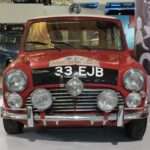
Design chief Frank Stephenson’s team reinterpreted classic Mini cues rather than copying them literally. The huge centre speedometer, upright windscreen, contrasting roof and wheels pushed to the body corners all referenced the 1959 original.
9. The GP was assembled away from the main MINI plant
The 2006 Cooper S with John Cooper Works GP Kit was finished by Bertone in Italy. It deleted the rear seats, used aluminium rear control arms and produced 218bhp; just 2,000 were made worldwide.
10. Several “lifetime” parts still need enthusiast maintenance
The supercharger drives the water pump and contains its own oil, while power-steering pumps, cooling systems and crank pulleys all demand attention with age. Preventative servicing matters because access often requires removing the car’s entire front panel assembly.
Why it matters
The R53 Cooper S has aged into a modern classic because its personality comes from hardware that disappeared quickly: hydraulic steering, a manual gearbox and an always-on supercharger. It is compact, imperfect and thirsty, but few later hot hatches feel quite as alive.
Join the Unusual Cars Club
Get more forgotten performance cars, surprising motoring stories and new 10 Things articles by email.
Free to join. No spam. Unsubscribe whenever you like. See our Privacy Policy.