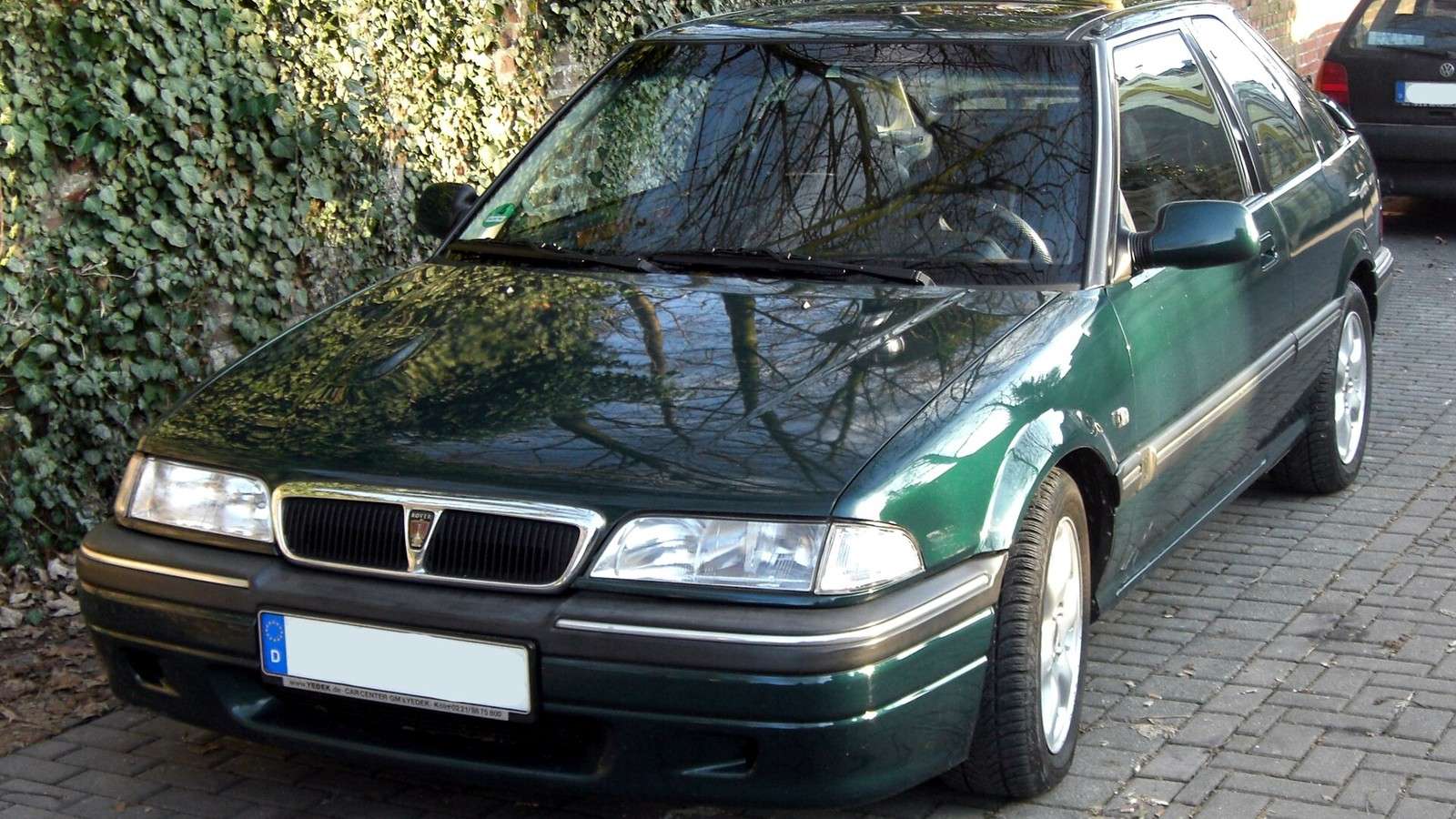
The Rover 216 GTi Twin Cam was a quietly serious hot hatch: British styling and chassis tuning wrapped around one of Honda’s finest naturally aspirated four-cylinder drivetrains. It arrived just as Rover was rebuilding its image and remains one of the rarest sporting R8 models.
1. Its engine and gearbox came from Honda
The 216 GTi Twin Cam used Honda’s 1,590cc DOHC 16-valve engine, PGM-FI fuel injection and a close-ratio five-speed transmission. The partnership gave Rover a smooth, durable and unusually eager powertrain.
2. It produced 130bhp without a turbo
Period specifications quoted 130bhp at 6,800rpm and 106lb ft of torque. The engine rewarded revs rather than delivering a large mid-range shove, giving the car a very different character from contemporary turbocharged rivals.
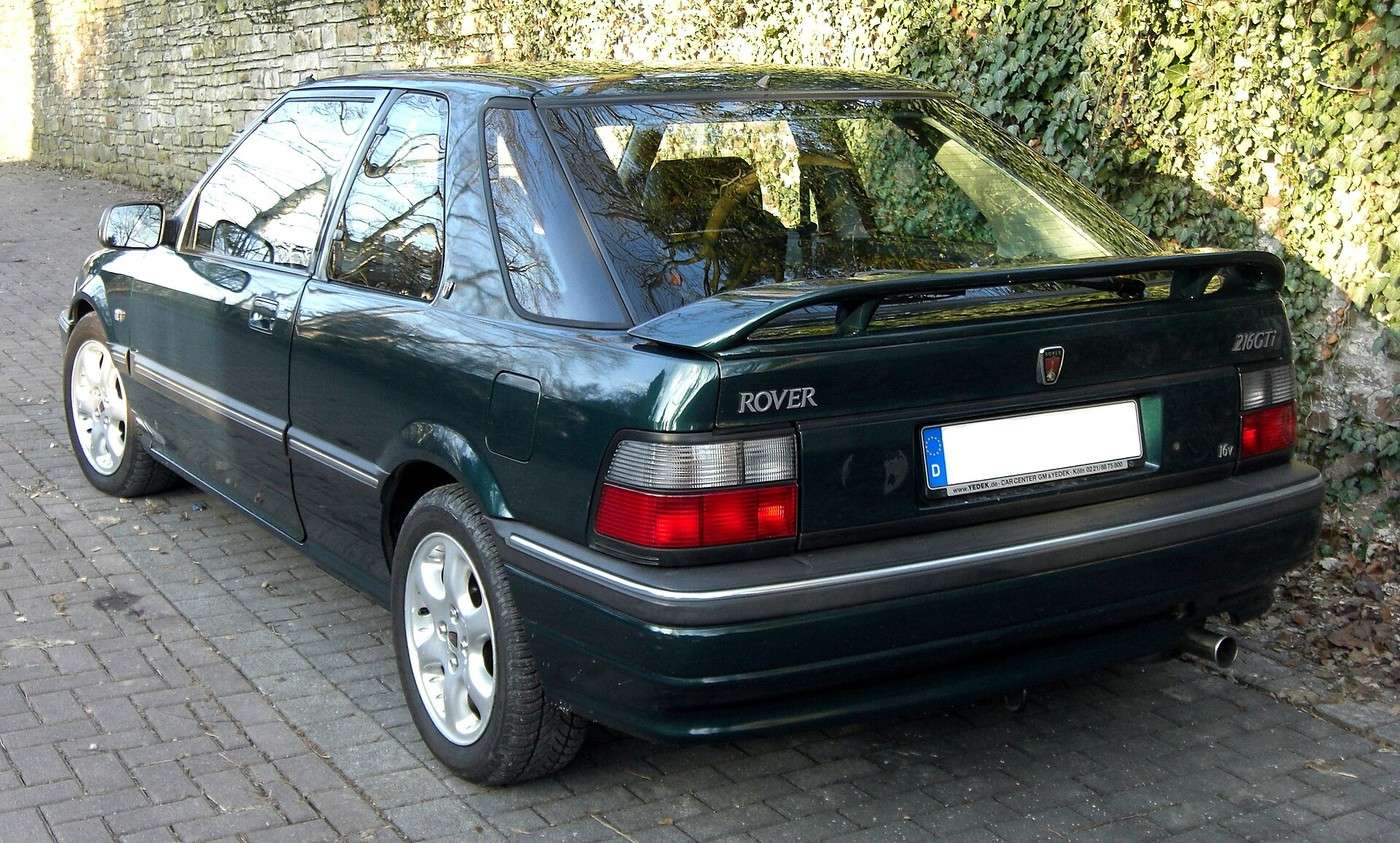
3. The three-door body was more than a shortened hatch
Rover styled the three-door R8 with long doors, a low roofline and frameless-looking glass treatment that gave it a coupé-like profile. The GTi’s restrained spoilers and alloy wheels enhanced that shape without overwhelming it.
4. There were single-cam and twin-cam GTis
A less powerful single-cam 216 GTi was also offered, which is why the words Twin Cam matter. Similar badges and bodywork can make the two easy to confuse in old adverts or incomplete records.
Love cars you don’t see every day?
Get forgotten cars, surprising motoring stories and the most interesting finds from Unusual Cars by email.
Free to join. No spam. Unsubscribe whenever you like. See our Privacy Policy.
5. It used disc brakes at all four corners
The Twin Cam specification included 262mm ventilated front discs and rear discs, together with 15-inch wheels. That was a serious package for an early-1990s small hatchback and reflected its position at the top of the range.
6. Rover ran a one-make racing series
The 216 GTi formed the basis of a competitive championship that showcased both the R8 chassis and Honda powertrain. Race cars helped strengthen Rover’s sporting image at a time when the company was moving decisively away from its troubled 1980s reputation.
7. It was fast without looking aggressive
Contemporary testing put 0–60mph in roughly eight seconds, yet the body lacked the huge wings and vents later hot hatches adopted. Its subtle appearance is a major part of the appeal today.
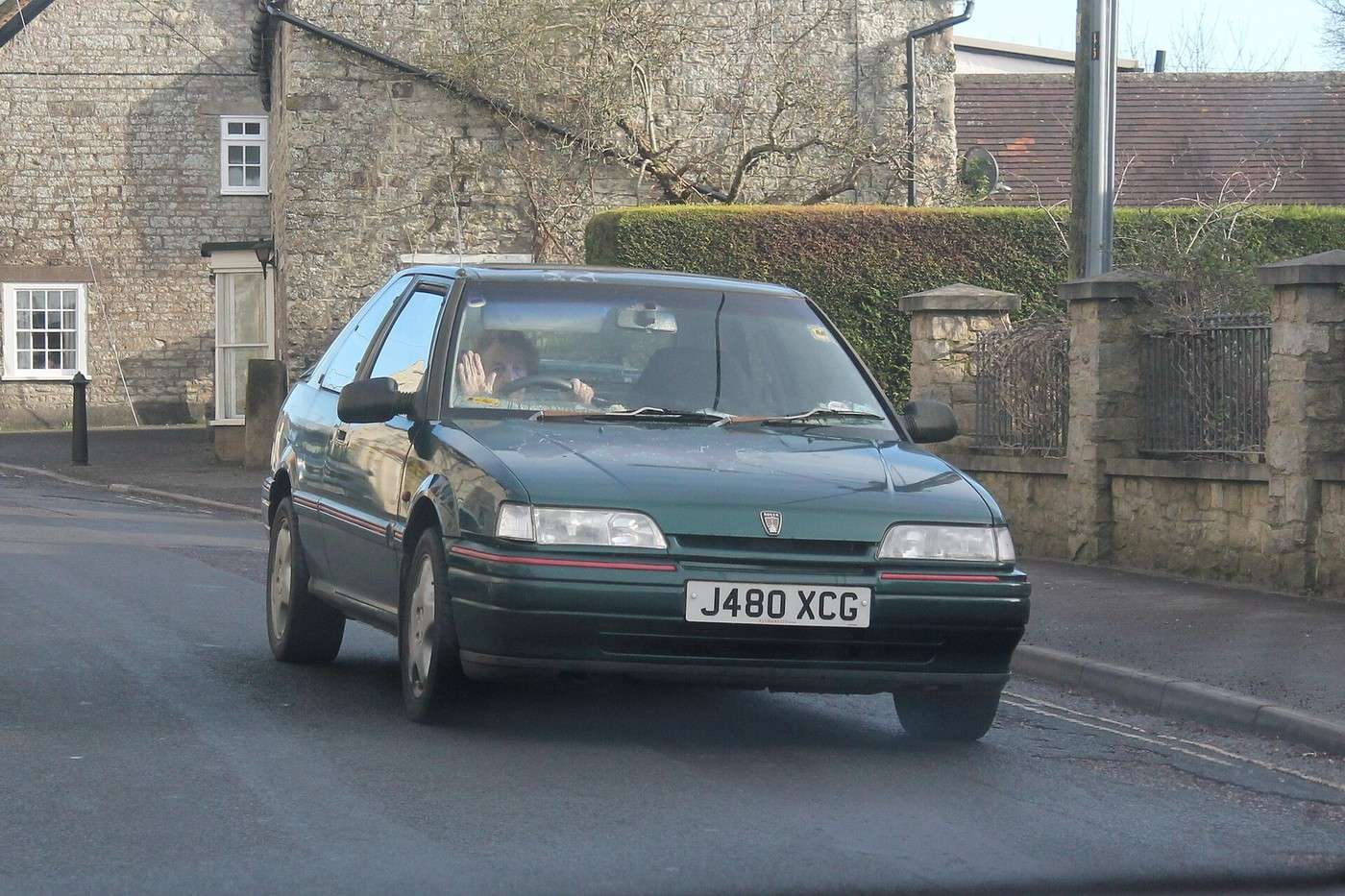
8. The chassis mixed Rover and Honda thinking
Although related to the Honda Concerto, the R8 was not simply a rebadged Honda. Rover developed its own styling, interior, suspension tuning and model range, creating a distinctly British interpretation of the joint platform.
9. Rust and neglected cooling systems are major risks
Rear arches, sills, floor edges and suspension mounting areas need careful inspection. The Honda engine is robust when maintained, but overheating and missed cambelt changes can turn a rare bargain into a difficult project.
10. Its rarity was created by ordinary used-car life
The 216 GTi was never produced in enormous numbers and later became inexpensive. Attrition, modifications and parts cars did the rest, leaving far fewer correct Twin Cams than its performance deserves.
Why it matters
The Rover 216 GTi Twin Cam matters because it represents the best of the Rover–Honda partnership: elegant British presentation, a superb Japanese drivetrain and genuinely capable performance. It deserves recognition alongside the more obvious hot-hatch heroes of its era.
Join the Unusual Cars Club
Get more forgotten performance cars, surprising motoring stories and new 10 Things articles by email.
Free to join. No spam. Unsubscribe whenever you like. See our Privacy Policy.