

The first SEAT Leon Cupra R turned a sensible five-door hatch into one of the defining affordable performance cars of the early 2000s. Developed by SEAT Sport, it mixed Volkswagen Group hardware with sharper brakes, suspension and styling than most of its platform relatives.
Thinking of buying one? Read our SEAT Leon Cupra R Mk1 buying guide for practical checks before buying and ownership advice.
1. It was developed and assembled by SEAT Sport
The Cupra R was not merely a trim package created on the normal production line. SEAT Sport developed the car and completed production at Martorell, giving it a closer relationship with the company’s competition department.
2. Early cars produced 210PS
The first version used the Volkswagen Group 1.8-litre 20-valve turbo engine in 210PS form with 270Nm of torque. Power went through a six-speed manual gearbox to the front wheels.

3. Later cars gained 225PS
An updated engine specification lifted output to 225PS while preserving the basic formula. Those later cars are often advertised more prominently, but the 210PS original is the version that established the Cupra R name.
4. Brembo brakes were part of its identity
Large 323mm front discs with four-piston Brembo calipers sat behind distinctive 18-inch wheels. The red calipers became a visual signature and supplied the stopping power expected of a car developed by SEAT Sport.
Love cars you don’t see every day?
Get forgotten cars, surprising motoring stories and the most interesting finds from Unusual Cars by email.
Free to join. No spam. Unsubscribe whenever you like. See our Privacy Policy.
5. It was quick enough to trouble more expensive machinery
SEAT quoted 237km/h for the 210PS car, with 0–100km/h in roughly seven seconds. Strong turbo torque made overtaking performance feel even more urgent than the official acceleration figure.
6. The body remained usefully practical
Unlike many performance coupés, every Mk1 Leon was a five-door hatchback. The Cupra R therefore combined serious pace with a proper rear seat and family-friendly luggage space.
7. It shared roots with the Golf, A3 and TT
The Leon used the Volkswagen Group PQ34 platform and familiar 1.8T engine family. SEAT’s achievement was giving those common ingredients a distinct character through steering, spring, damper and brake choices.
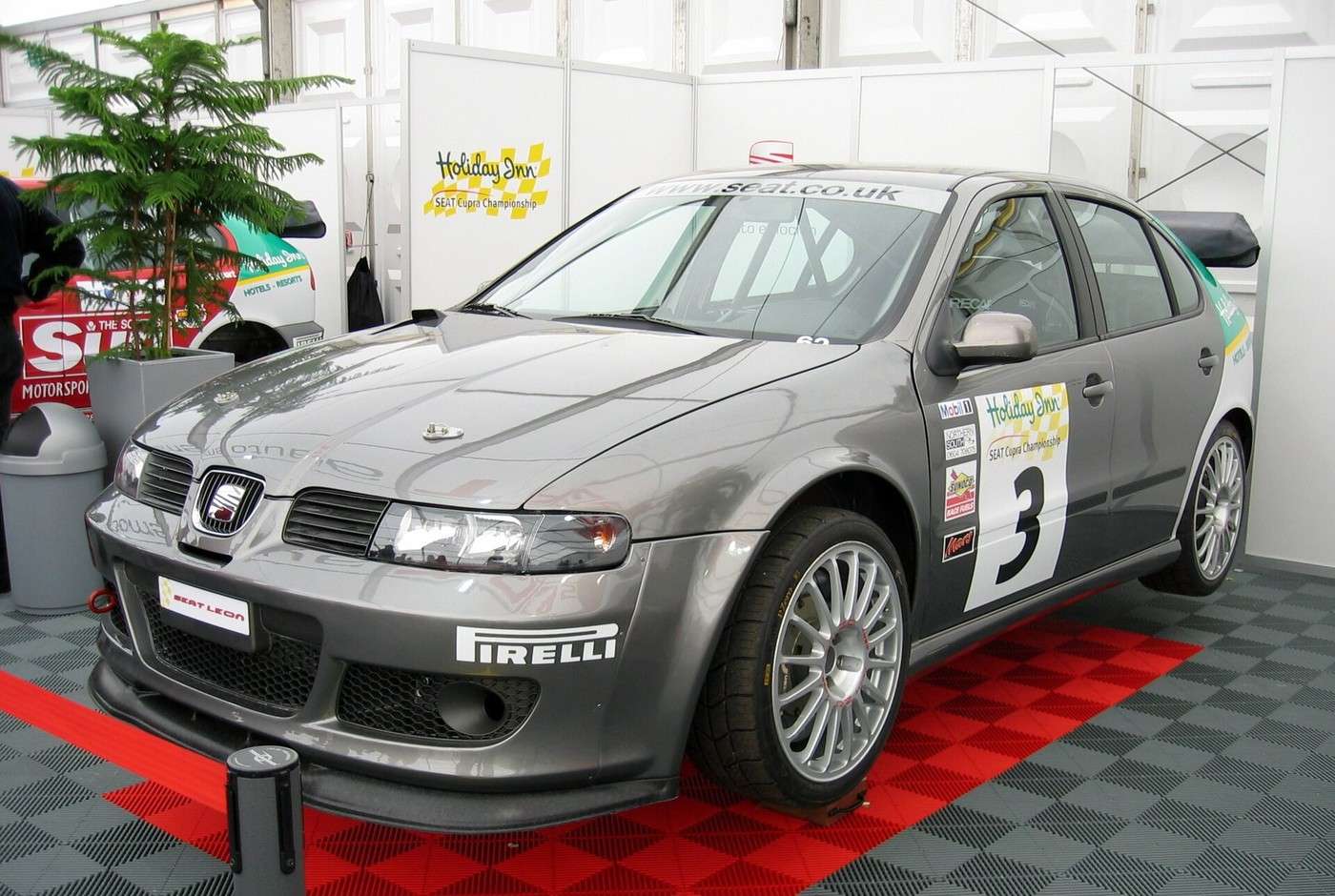
8. It helped launch the Leon Supercopa
A more powerful racing version formed the basis of one-make championships. The UK series began in 2003, with Rob Huff winning the first British title before building an international touring-car career.
9. Condition matters more than claimed tuning power
The 1.8T responds readily to software and hardware upgrades, so many cars no longer match factory specification. Buyers should prioritise maintenance history, correct oil use, cooling health, suspension condition and evidence of sympathetic modifications.
10. Good cars are becoming modern classics
For years the Cupra R was simply an affordable fast hatch. Unmodified examples with original wheels, Brembo equipment, interior and bodywork are now scarce enough to attract genuine collector interest.
Why it matters
The Mk1 Leon Cupra R matters because it established SEAT as a credible performance brand. It offered the pace and engineering of more expensive Volkswagen Group models in a distinctive, practical and genuinely engaging package.
Join the Unusual Cars Club
Get more forgotten performance cars, surprising motoring stories and new 10 Things articles by email.
Free to join. No spam. Unsubscribe whenever you like. See our Privacy Policy.
Explore every 10 Things article in the Unusual Cars hub →
