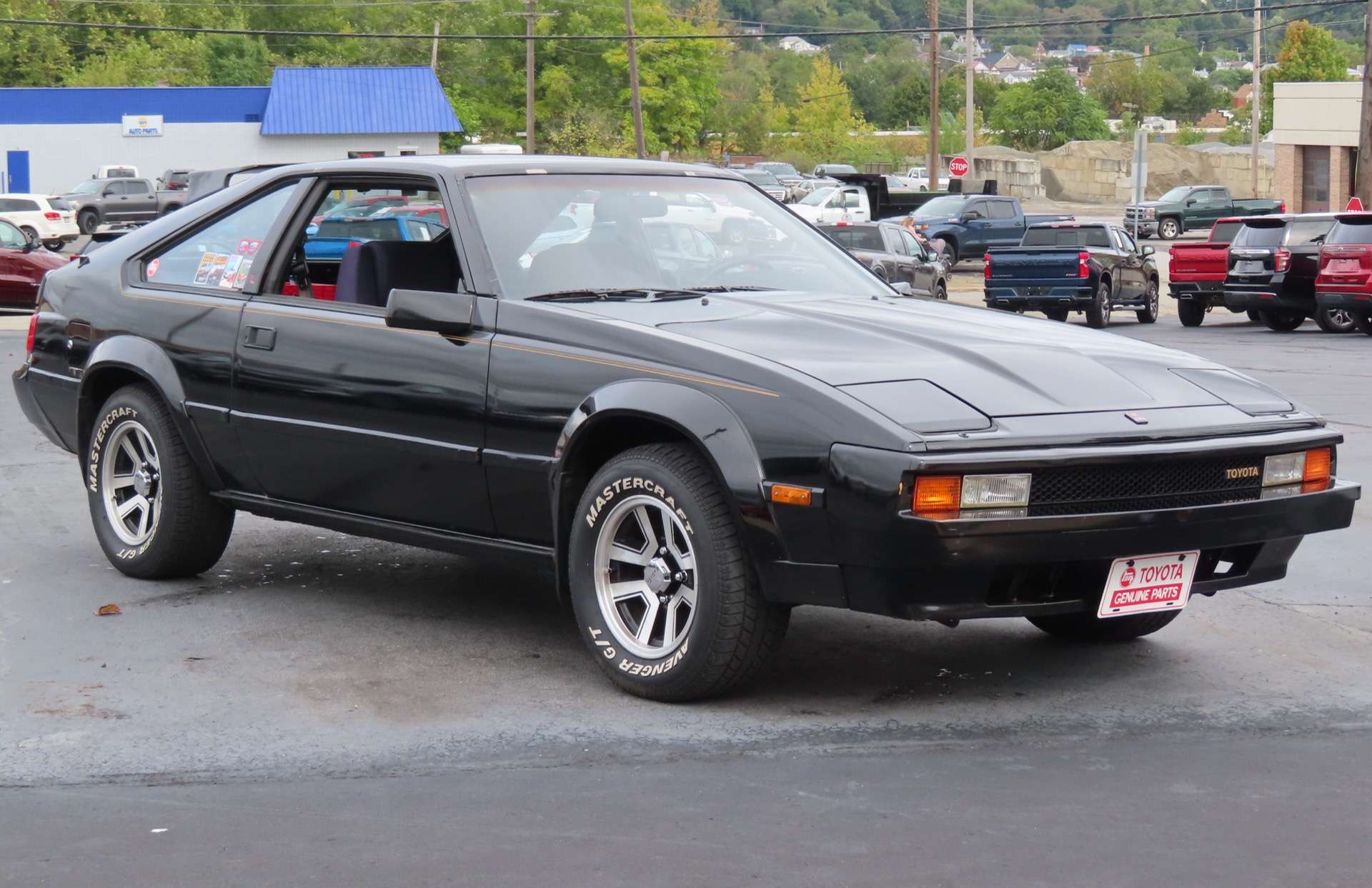
The second-generation Toyota Celica Supra arrived before the Supra became an independent super-coupé. Its angular body, pop-up headlights and digital-age cabin scream 1980s, but the real story lies underneath: a smooth twin-cam straight-six, independent suspension and chassis tuning with Lotus involvement.
1. It was still officially a Celica
The A60 was sold in export markets as the Celica Supra because Supra had not yet become a separate model line. From the B-pillar rearwards it shared much of the Celica liftback, but Toyota stretched the wheelbase and nose to make room for an inline-six.
2. Japan knew it as the Celica XX
At home the car carried the Celica XX badge, pronounced “Double X”. Toyota avoided that name in many export markets and continued using Supra, strengthening an identity that would finally become independent with the next A70 generation.
3. The UK received the twin-cam 2.8
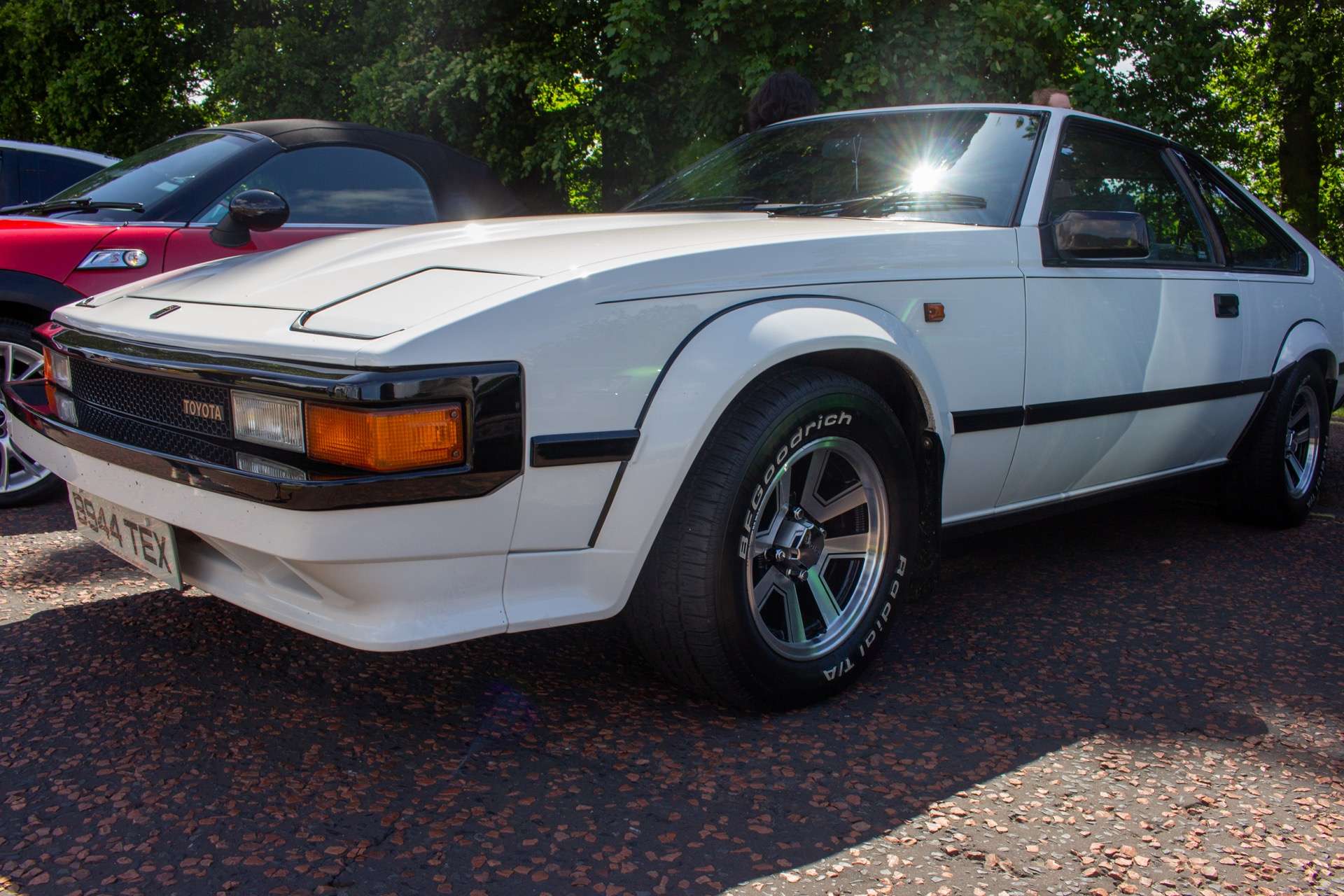
British cars used the 2,759cc 5M-GE straight-six with twin overhead camshafts and electronic fuel injection. Output was around 178bhp in UK specification—considerably stronger than the emissions-constrained 145bhp quoted for early US-market cars.
4. Lotus helped tune the chassis
Lotus engineering input concentrated on spring, damper and bush settings for the all-independent suspension. The result was not merely marketing: contemporary testers praised the big Toyota’s balance and steering against far more exotic European machinery.
Love cars you don’t see every day?
Get forgotten cars, surprising motoring stories and the most interesting finds from Unusual Cars by email.
Free to join. No spam. Unsubscribe whenever you like. See our Privacy Policy.
5. The rear suspension separated it from the ordinary Celica
The four-cylinder Celica retained a live rear axle in many versions, while the Supra received independent rear suspension and four-wheel disc brakes. Beneath the shared silhouette, Toyota was creating a much more sophisticated grand tourer.
6. Only about 100 a month came to Britain
Toyota limited UK supply to roughly 100 cars per month, giving the Celica Supra an exclusivity it did not always enjoy in larger markets. Its generous equipment and six-cylinder refinement also pushed the price beyond many familiar sports coupés.
7. The pop-up headlamps were part of a unique front end
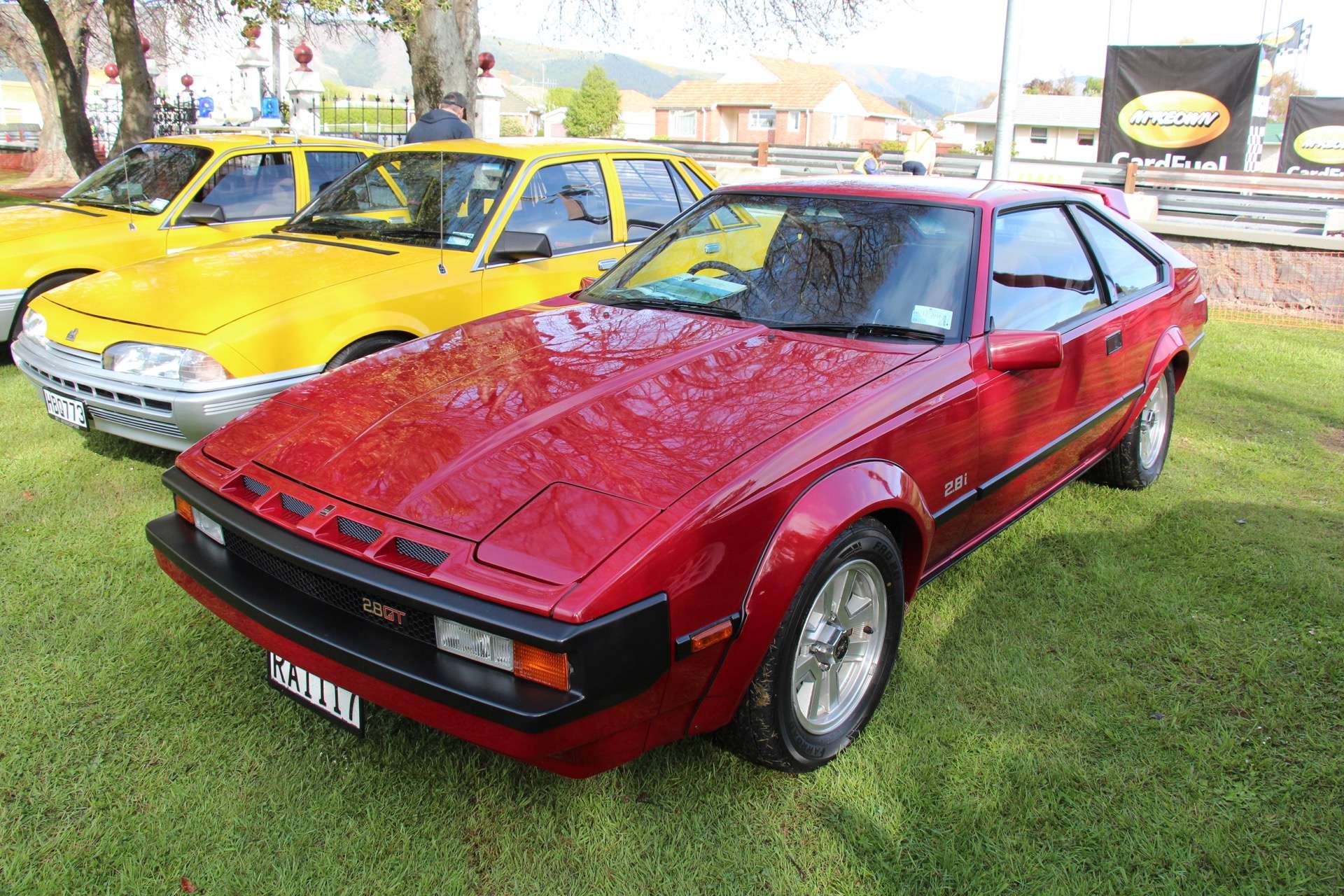
The stretched nose, retractable lights, flared arches and distinctive grille gave the Supra a much more dramatic face than the Celica. The long bonnet was functional as well as theatrical because a straight-six takes considerably more space than a four-cylinder.
8. Digital instruments were available
Depending on market and specification, the A60 could be ordered with a wonderfully period digital dashboard, trip computer and elaborate stereo controls. The technology helped sell it as a sophisticated GT rather than a stripped-back sports car.
9. It impressed American critics two years running
Car and Driver placed the Supra on its Ten Best list for 1983 and 1984. In a major handling comparison the magazine judged it more satisfying than several expensive European sports cars—an important moment for perceptions of Japanese performance cars.
10. It raced in Britain with unexpected star power
Group A Celica Supras competed in the British Saloon Car Championship. Win Percy took a class victory, and after motorcycle champion Barry Sheene retired from two wheels he drove a Toyota GB Supra during the 1985 season.
Why it matters
The Mk2 Celica Supra was the point where Toyota’s six-cylinder flagship stopped feeling like a stretched Celica and began behaving like a serious sporting GT. It laid the technical and cultural foundations for every later Supra, yet retains a lighter, more delicate character all its own.
Join the Unusual Cars Club
Get more forgotten performance cars, surprising motoring stories and new 10 Things articles by email.
Free to join. No spam. Unsubscribe whenever you like. See our Privacy Policy.