10 THINGS YOU PROBABLY DIDN’T KNOW
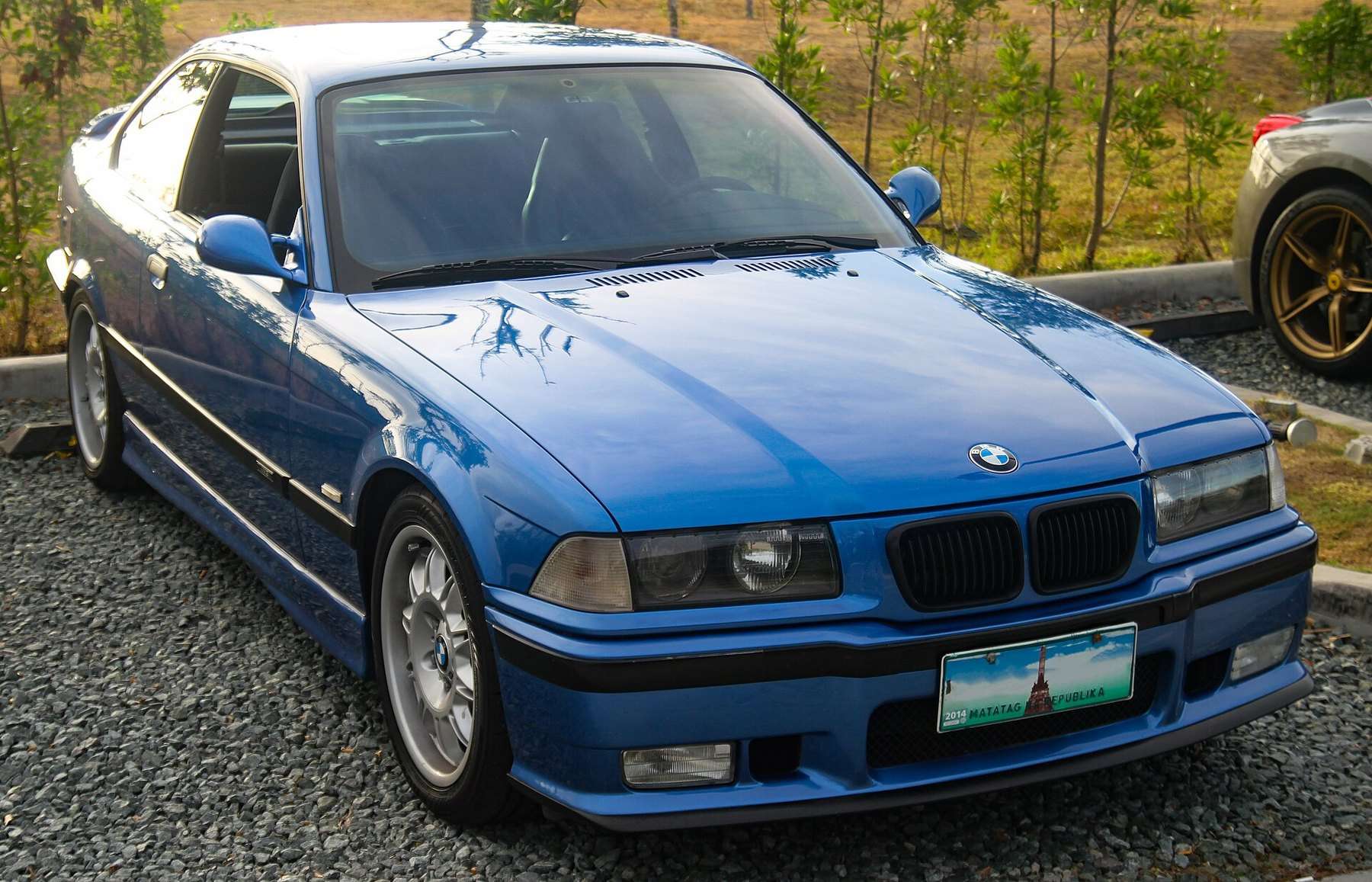
The E36 BMW M3 had the difficult job of following the competition-bred E30. Instead of copying it, BMW created a faster, smoother and far more versatile M3—and in doing so established the template followed by most later generations.
1. It replaced four cylinders with a straight-six
The original E30 M3 used a highly developed four-cylinder because it was conceived around touring-car regulations. The E36 M3 moved in a different direction. Its S50 3.0-litre straight-six produced 286PS in European form, used six individual throttle bodies and gave the new car the effortless performance expected of a serious roadgoing grand tourer.
2. The first version already had VANOS
BMW fitted variable timing to the inlet camshaft of the 3.0-litre S50. The system helped the engine combine low-speed flexibility with its high-revving character. It was an important step in BMW M’s development of increasingly sophisticated naturally aspirated engines, rather than merely a device added to improve a brochure figure.

3. The Evolution was much more than a bigger engine
For 1995 the European M3 grew to 3.2 litres and 321PS. The S50B32 introduced continuously variable control of both camshafts—double VANOS—along with a six-speed manual gearbox. BMW quoted 321hp at 7,400rpm, making the E36 Evolution one of the first normally aspirated production engines to exceed 100 horsepower per litre.
4. It created the first four-door M3
The E36 was offered as a coupé, convertible and, for the first time, a four-door M3 saloon. That saloon was not merely an appearance package: it received the same M-developed straight-six and chassis philosophy. It also filled part of the gap left between generations of the larger M5.
Love cars you don’t see every day?
Get forgotten cars, surprising motoring stories and the most interesting finds from Unusual Cars by email.
Free to join. No spam. Unsubscribe whenever you like. See our Privacy Policy.
5. The British Racing Green GT was a homologation special
BMW produced the 1995 M3 GT to homologate aerodynamic and engine changes for competition. Its 3.0-litre engine made 295hp, aluminium doors reduced weight and adjustable aerodynamic pieces sharpened its purpose. BMW records 356 examples including pre-production cars, all finished in British Racing Green.
6. America received a very different M3
North American cars used less exotic engines based more closely on regular BMW production units. They produced around 240hp rather than the European car’s 286 or 321PS. The rare white M3 Lightweight partly compensated through reduced equipment and weight, with 126 cars built according to BMW M.

7. The SMG gearbox made an early appearance
The 3.2-litre E36 could be ordered with BMW’s first-generation Sequential M Gearbox. It retained a conventional clutch internally but operated it and the gear selection electro-hydraulically. The system can feel slow beside a modern dual-clutch transmission, yet it was a significant production-car experiment in the 1990s.
8. Its discreet appearance was deliberate
Compared with the flared E30, the E36 M3 could look almost understated. Deeper bumpers, aerodynamic mirrors, side skirts and distinctive wheels marked it out, but the shell remained close to the regular 3 Series. That subtlety helped it work as an everyday executive car as well as a high-performance coupé.
9. The saloon and coupé bodies were genuinely different
The E36 coupé was not simply a two-door saloon. Its windscreen, roofline, doors, side glass and rear body structure differed, giving it a lower, more flowing profile. The M3 therefore had noticeably different characters even before buyers chose between the saloon, coupé and convertible.
10. It turned the M3 into a global commercial success
The E36 widened the M3’s audience enormously. Its combination of refinement, straight-six performance and everyday usability made the badge relevant far beyond homologation racing. The basic formula—regular 3 Series practicality with a bespoke M engine and chassis—still defines the M3 today.
Explore more 10 Things articles
Discover more forgotten performance cars, hot hatches and motoring surprises in the Unusual Cars 10 Things hub.
Sources and further reading
Featured image: BMW E36 M3. Photograph by OSX, Public domain, via Wikimedia Commons; locally hosted.