
10 THINGS YOU PROBABLY DIDN’T KNOW
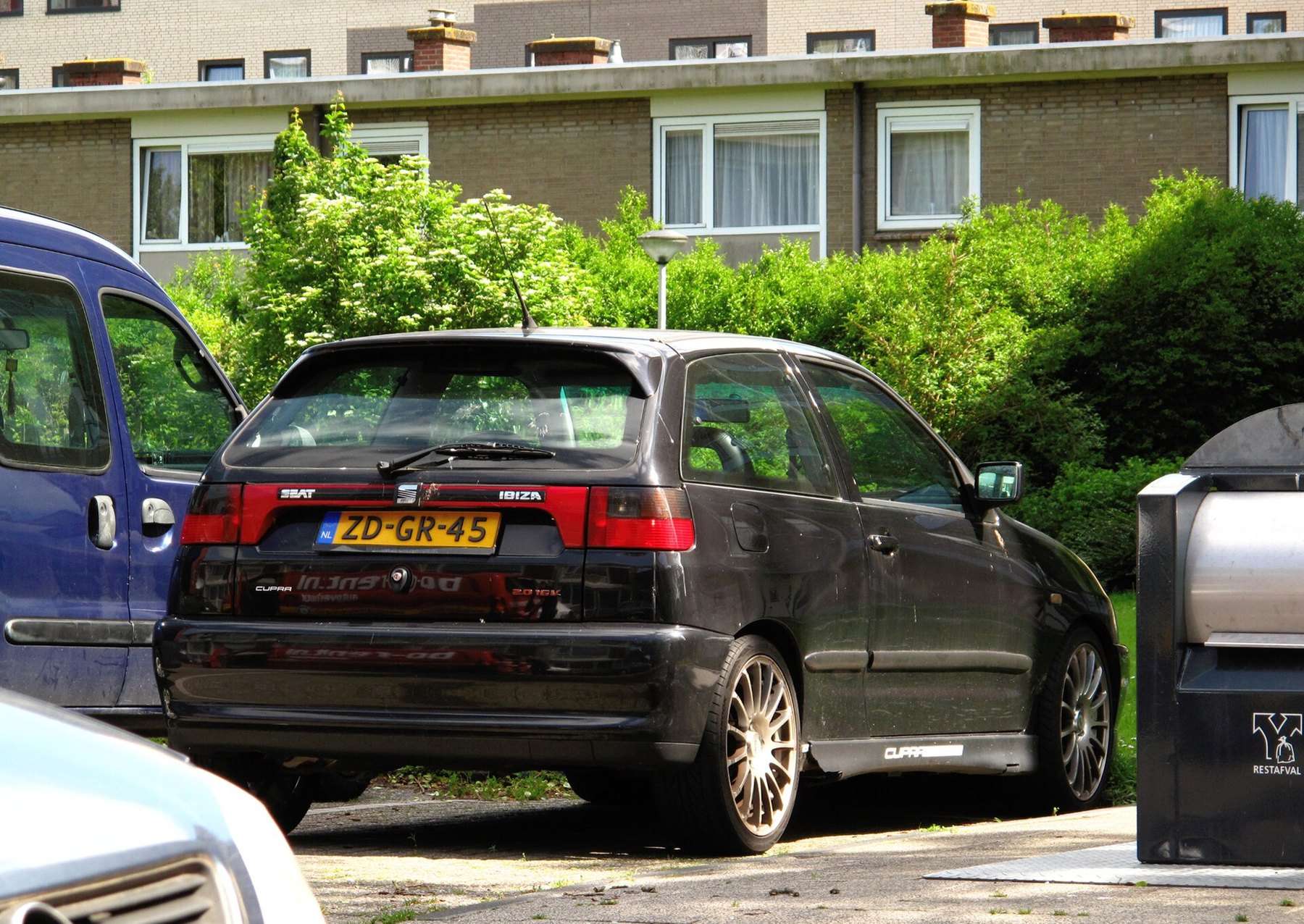
Before Cupra became a separate marque, it was the badge worn by SEAT’s most exciting Ibiza hot hatchbacks. The early cars moved rapidly from a naturally aspirated 2.0-litre 16-valve engine to turbocharging and the rare Cupra R.
1. Cupra originally meant Cup Racing
The name condensed SEAT’s competition ambitions into a showroom badge. It first appeared on the second-generation Ibiza in 1996, long before Cupra became an independent brand. At the time it identified a focused derivative tied directly to SEAT Sport and rallying.
2. The first Ibiza Cupra used the celebrated ABF engine
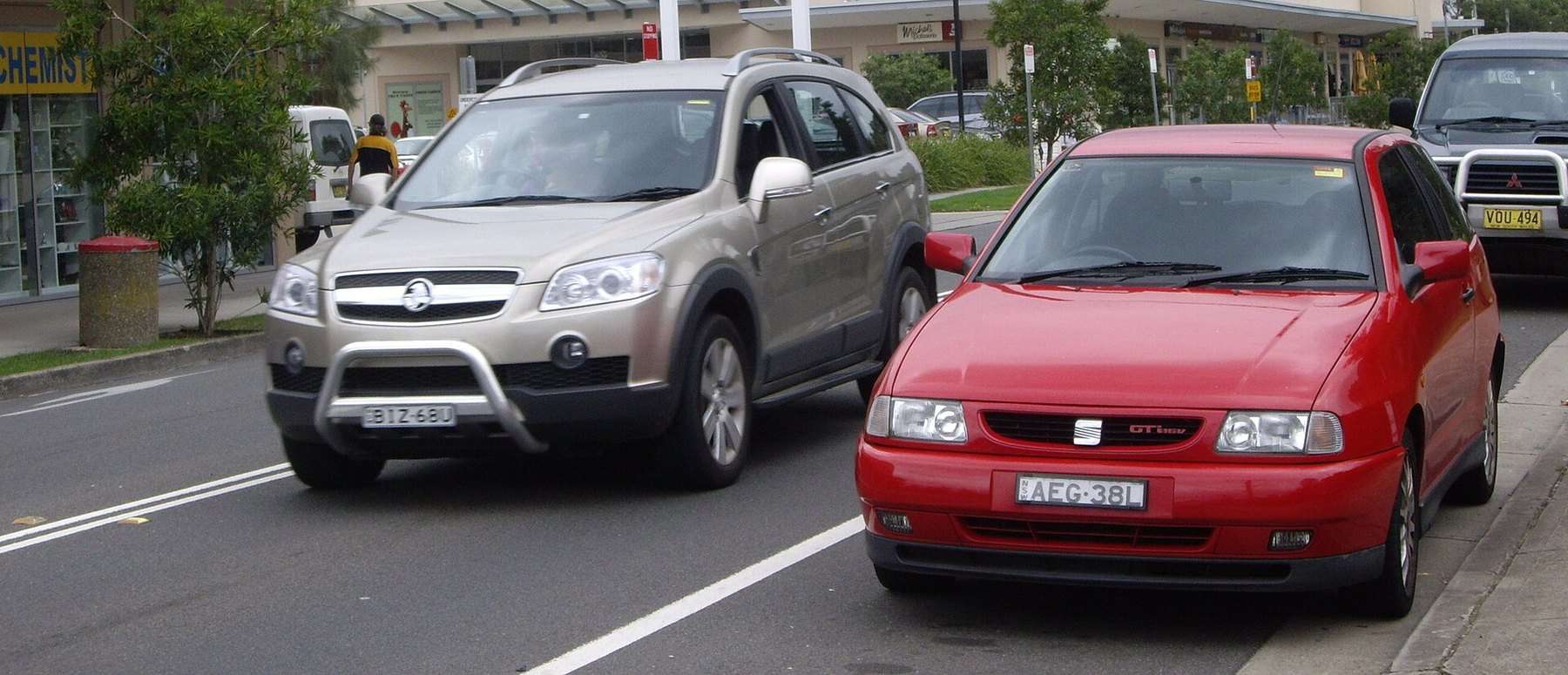
The Mk2 Cupra combined Volkswagen Group’s 2.0-litre 16-valve ABF engine with a compact three-door shell. Producing around 150PS, it delivered its performance naturally aspirated, with a strong top end and a character quite different from the turbocharged Cupras that followed.
3. Its timing was linked to rally success
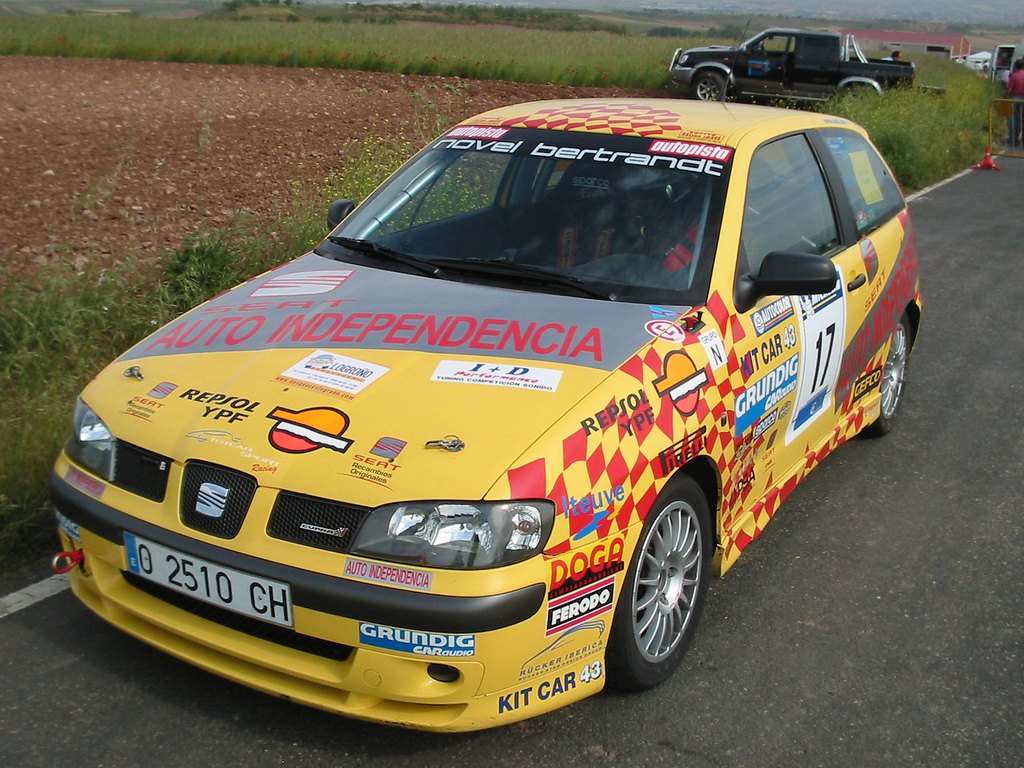
SEAT won the FIA 2-Litre World Rally Cup with the Ibiza Kit Car in 1996 and repeated the achievement in 1997 and 1998. The road Cupra was not a detuned Kit Car, but the badge, colours and marketing allowed buyers to share in an unusually successful period for the Spanish manufacturer.
4. The facelift brought turbo power
The heavily revised late Mk2 Ibiza replaced the 2.0-litre engine with a 1.8-litre 20-valve turbo producing roughly 156PS. It delivered much stronger low-speed torque and made the small Ibiza one of the most easily tuned hot hatches of its generation.
Love cars you don’t see every day?
Get forgotten cars, surprising motoring stories and the most interesting finds from Unusual Cars by email.
Free to join. No spam. Unsubscribe whenever you like. See our Privacy Policy.
5. The Cupra R was developed with SEAT Sport
The limited Cupra R raised output to 180PS and added more focused chassis, wheel and trim details. SEAT described it as the first production road car developed by its motorsport department, giving the R badge significance beyond a modest power increase.
6. The early generations are easy to confuse
The Mk2 Ibiza received a major 1999 facelift that changed its lights, bumpers, dashboard and engine range while retaining the same basic platform. As a result, advertisements often describe the turbo car as a separate generation. Checking the model code and factory specification avoids confusion.
7. It was related to the Volkswagen Polo but felt different
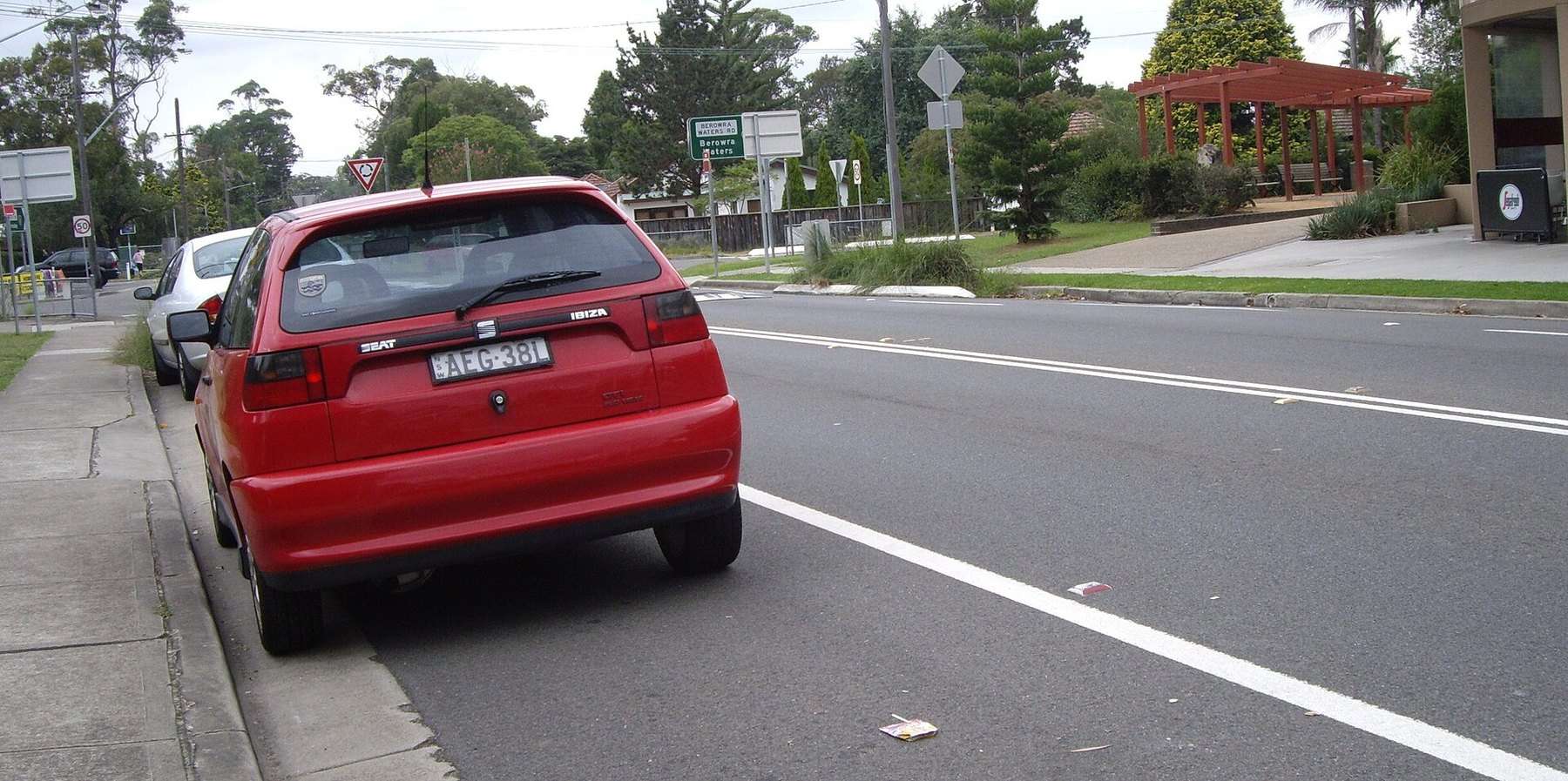
Shared Volkswagen Group components improved quality and parts availability, yet SEAT gave the Ibiza a more extrovert shape and sporting identity. The Cupra’s engines, gearing and chassis tuning produced a character distinct from ordinary Polo models using the same broad family of hardware.
8. Low weight made the numbers meaningful
The early Ibiza Cupra did not need modern levels of power to feel rapid. A compact shell and short gearing allowed both the 150PS 16-valve car and the later turbo to deliver lively real-world performance, especially on narrow British roads.
9. Survival has been affected by modification and motorsport
Affordable performance made the cars natural candidates for remaps, engine swaps, track use and amateur rallying. Genuine trim, uncut bodywork and original mechanical components can now be harder to find than replacement service parts.
10. A trim badge eventually became an entire car company
SEAT continued using Cupra on successive Ibizas and Leons before Cupra became a standalone marque in 2018. The 1996 Ibiza therefore represents the beginning of a brand story now associated with everything from hot hatchbacks to electric performance crossovers.
Explore more 10 Things articles
Discover more forgotten performance cars, hot hatches and motoring surprises in the Unusual Cars 10 Things hub.
Sources and further reading
Featured image: Early SEAT Ibiza Cupra. Photograph by Rutger van der Maar, CC BY 2.0, via Wikimedia Commons; locally hosted.