10 THINGS YOU PROBABLY DIDN’T KNOW
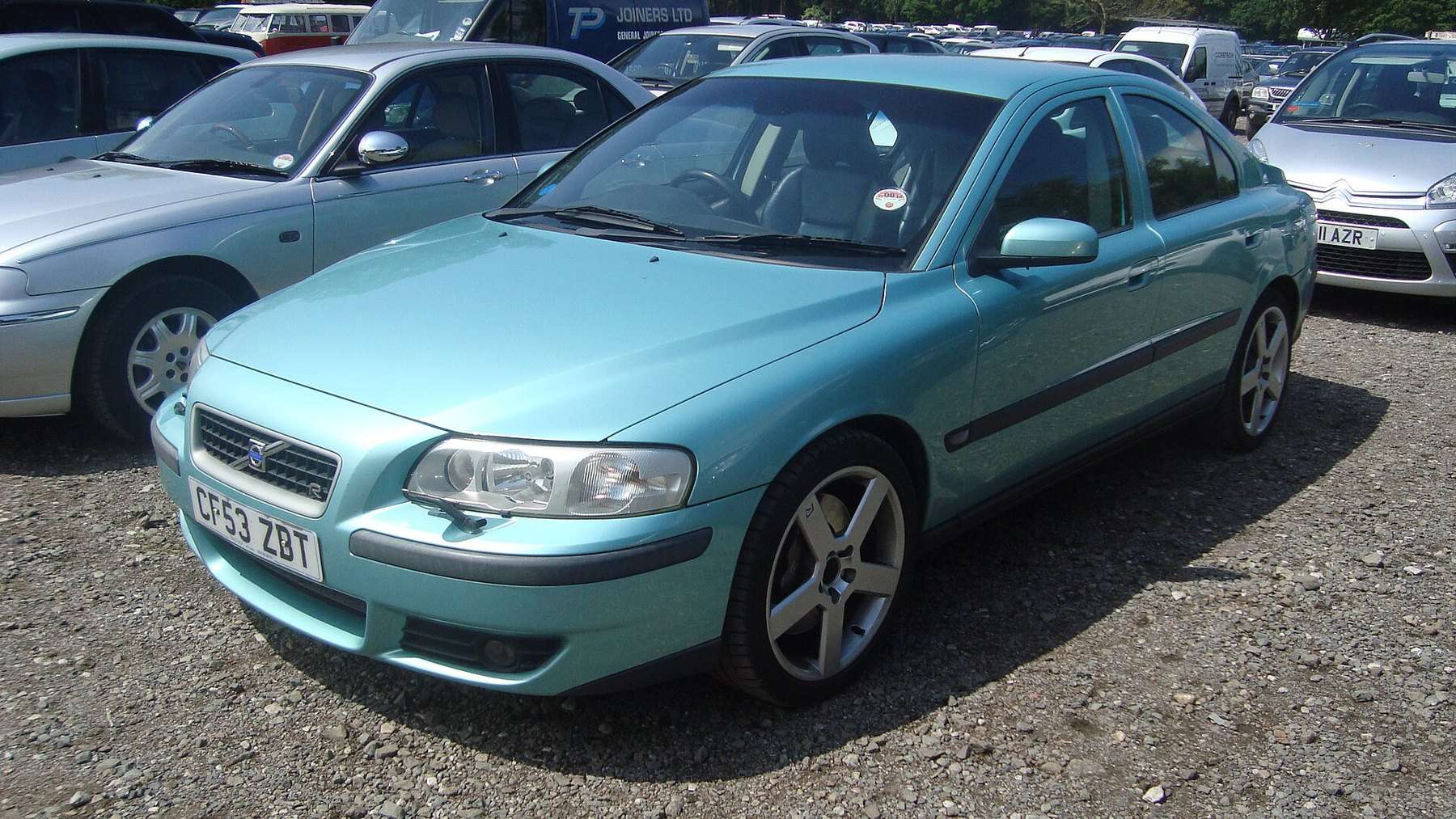
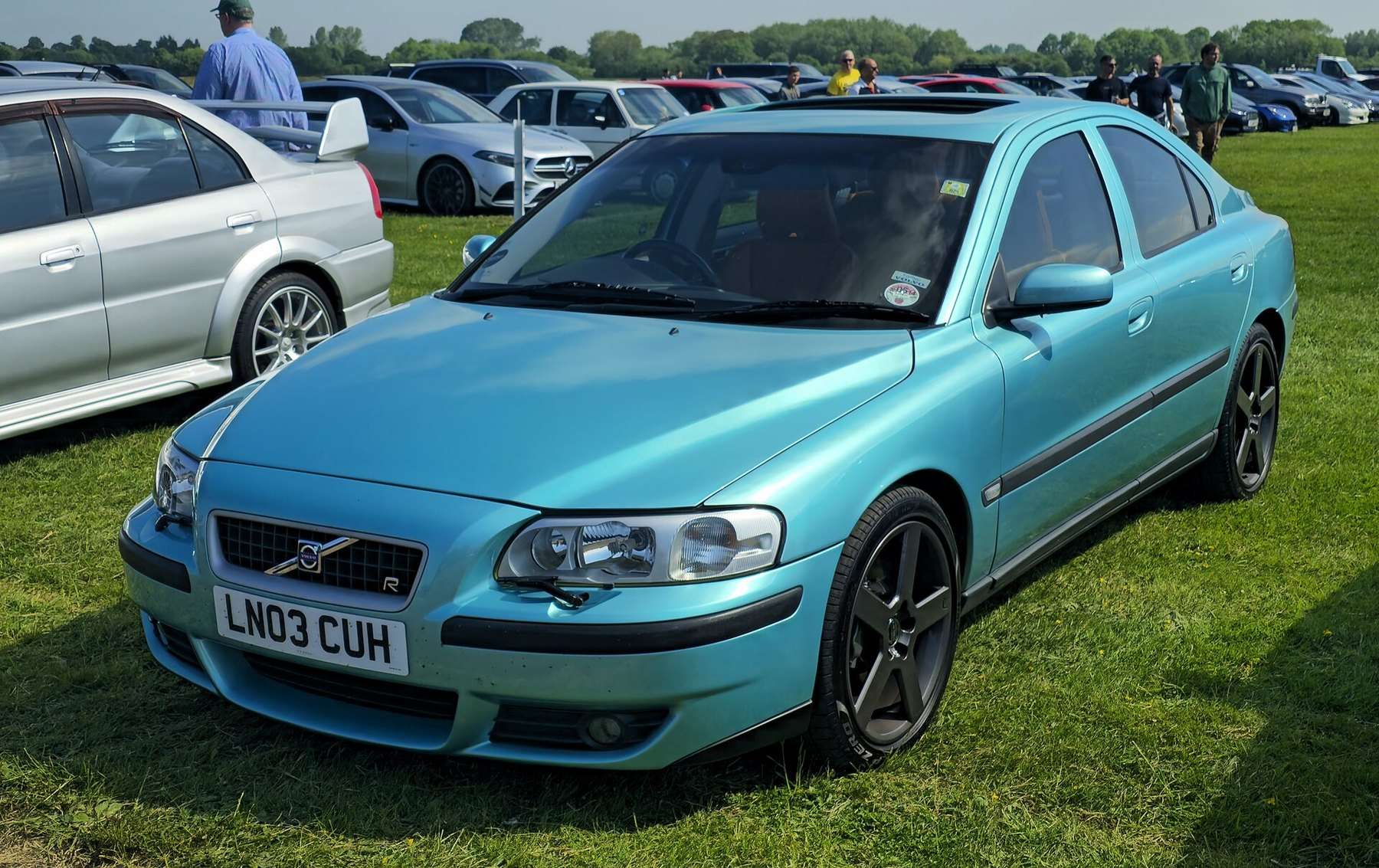
The second-generation Volvo R models combined a 300hp five-cylinder engine, adaptive suspension, four-wheel drive and enormous practicality. The S60 R and V70 R were deliberately subtle, but their engineering was among the most ambitious in Volvo’s history.
1. They grew from Volvo’s Performance Concept Car
Volvo previewed its new performance direction with the PCC concepts before putting the central ideas into production. The resulting S60 R saloon and V70 R estate arrived as complete factory-developed flagships rather than ordinary T5 models with cosmetic additions.
2. The engine produced 300hp from five cylinders
A 2.5-litre turbocharged inline-five delivered 300hp and approximately 400Nm. The unusual firing order and large turbo gave the cars the distinctive offbeat soundtrack enthusiasts associate with fast Volvos, while an electronically limited 155mph top speed placed them firmly in German-super-saloon territory.
3. Four-wheel drive was electronically controlled
The R models used a Haldex-based system capable of sending drive rearwards when conditions demanded it. It was designed to improve traction without making the cars behave like permanently rear-driven machines. Later model years received an updated Haldex generation with quicker responses.
4. Four-C could alter the dampers continuously
Volvo’s Continuously Controlled Chassis Concept used multiple sensors and electronically adjustable dampers. Drivers could select Comfort, Sport or Advanced modes, while the system continued making rapid damping changes. It was far more sophisticated than a conventional fixed-rate sports suspension.
Love cars you don’t see every day?
Get forgotten cars, surprising motoring stories and the most interesting finds from Unusual Cars by email.
Free to join. No spam. Unsubscribe whenever you like. See our Privacy Policy.
5. Brembo supplied serious brakes
Four-piston Brembo callipers and large ventilated discs gave the heavy saloon and estate the stopping power demanded by 300hp performance. Their size also means correct wheels, healthy callipers and quality replacement components matter when preserving the original braking system.
6. The manual received the famous spaceball
Six-speed manual cars could be specified with an aluminium gearlever surround nicknamed the spaceball. It became one of the most memorable cabin details of any modern Volvo. Geartronic automatic versions were also offered, trading some involvement for easier everyday use.
7. The V70 R was almost as serious as the saloon
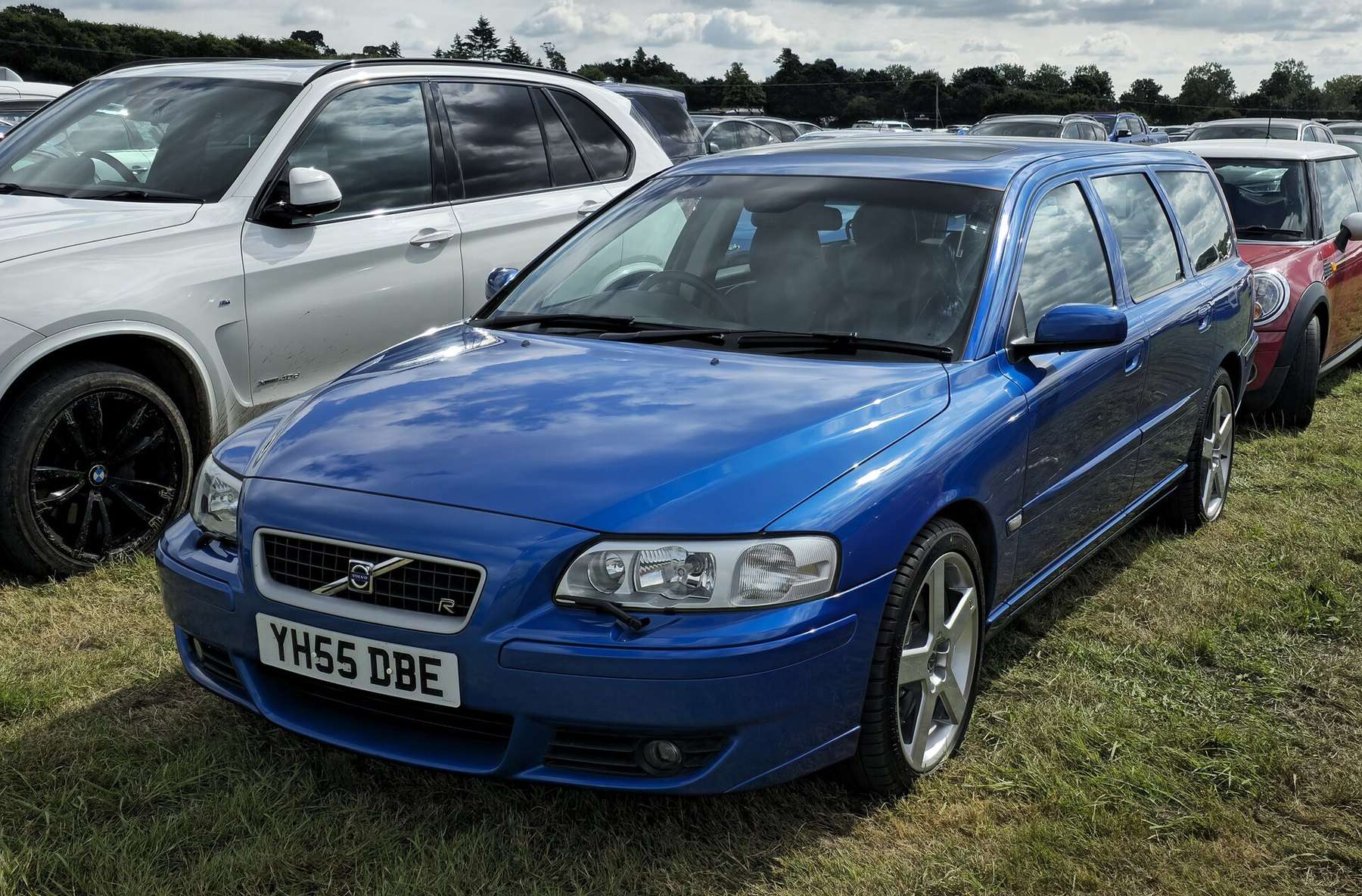
The estate retained a vast, square luggage compartment and split-folding rear seats, yet shared the turbo engine, Four-C suspension, Brembo brakes and all-wheel drive. That combination makes it one of the clearest examples of Volvo’s ability to hide real performance inside family transport.
8. Atacama leather was intentionally dramatic
Buyers wanting a less anonymous cabin could choose vivid Atacama-coloured leather. Combined with blue instruments and deeply bolstered seats, it created a surprisingly extrovert interior behind the restrained Scandinavian bodywork.
9. Its complexity is now the ownership challenge
Four-C dampers, AWD hardware, angle gears, electronic modules and turbo plumbing all need to work together. A cheap car with warning lights can rapidly become expensive. The best examples are those maintained as sophisticated performance cars rather than ordinary old estates.

10. The R badge disappeared after 2007
Production ended without a direct like-for-like replacement. Volvo later used R-Design for styling and Polestar for serious performance, but the S60 R and V70 R remain a distinctive moment when the company combined an estate-car identity with unusually elaborate chassis technology.
Explore more 10 Things articles
Discover more forgotten performance cars, hot hatches and motoring surprises in the Unusual Cars 10 Things hub.
Sources and further reading
Featured image: Volvo S60 R and V70 R. Photograph by Kieran White from Manchester, England, CC BY 2.0, via Wikimedia Commons; locally hosted.