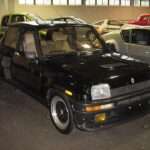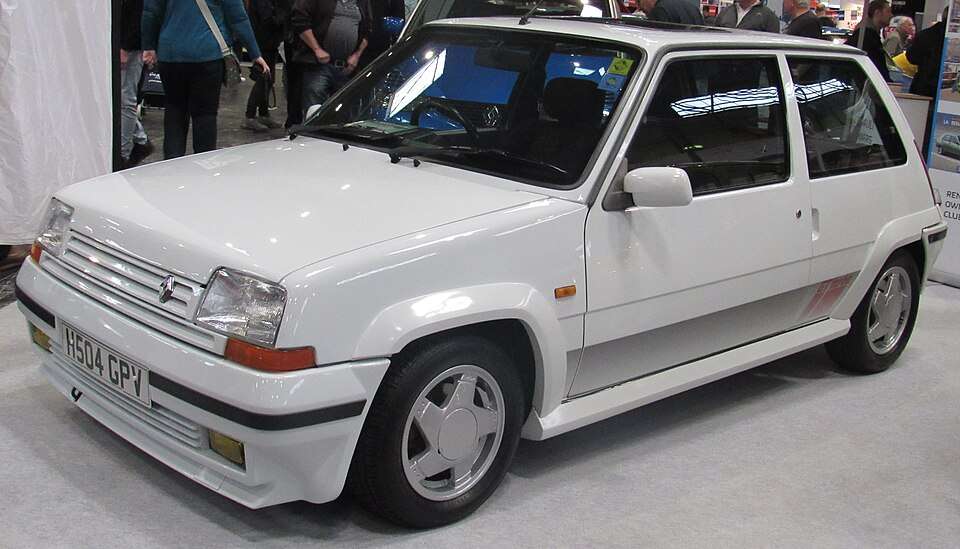
The Renault 5 GT Turbo combines a light Supercinq shell with a carburetted turbocharged engine and unmistakable 1980s character. Today the buying challenge is to separate a sound, correctly set-up car from one whose paint, boost gauge and restoration photographs conceal expensive unfinished work. This guide concentrates on the front-engined GT Turbo, including Phase 1, Phase 2 and the UK Raider.
Our buying verdict
Choose the best documented shell and engine setup first. A largely standard Phase 2 is our starting point for regular enjoyment; an authentic Phase 1 or Raider suits a buyer who values its specification and accepts the premium. Undocumented boost changes, unexplained coolant loss and rust hidden beneath the bodykit should stop an easy purchase becoming an expensive experiment.

GT Turbo versions and the cars it is confused with
The GT Turbo is the front-engined, front-wheel-drive hot version of the second-generation Renault 5, also known as the Supercinq. It uses a 1,397cc pushrod four-cylinder engine, a carburettor, turbocharger and five-speed manual gearbox. It is a very different purchase from the wide-bodied, mid-engined Renault 5 Turbo and Turbo 2.
| Version | What to establish |
|---|---|
| Phase 1, from 1985 | Early bodykit, wheels and trim; approximately 115bhp when standard. Verify the actual cooling and turbo specification after decades of repairs. |
| Phase 2, from 1987 | Revised styling and approximately 120bhp. Cooling/heat-management changes are relevant, but many cars now mix original and upgraded parts. |
| UK Raider | Late blue special edition with distinctive trim and wheels. Authenticate with history and correct details; paint colour alone is insufficient. |
| Gordini / Alpine Turbo | Earlier-generation front-engined car. Different platform, details and parts requirements. |
| Turbo / Turbo 2 / modern electric R5 | Separate models with different mechanical layouts, values and ownership requirements. Their prices are not GT Turbo comparisons. |
A registration year is not a full specification. Late registrations, imports, crash repairs and swapped components can blur the phase distinction. Record the engine identity, turbo model, carburettor, ignition system, cooling layout and gearbox before deciding what is missing or ordering parts. Ask a model specialist to assess a car claimed to be completely original.
For an owner who wants to drive rather than restore, a coherent and documented standard or mildly improved car is preferable to a half-completed period tuning project. A rare early specification can be rewarding, but hard-to-find trim and engine-bay details make an incomplete example expensive to put right. Buy rarity only after the underlying condition makes sense.
Renault 5 GT Turbo prices and evidence
Research date: 3 November 2026. An inspected UK private advert, C2199262, asked £20,995 for a 1987 Phase 1 showing 107,566 miles. The seller described carburettor and turbo work, a cooling refresh and some paint bubbling, while explicitly saying a full engine rebuild was not supported by paperwork. Those are seller claims to investigate, not findings from our inspection.
The wider Car & Classic search also displayed continental left-hand-drive GT Turbos at €15,000, €15,950 and higher figures, alongside conversions and unrelated Renaults. Currency, import costs, steering position, condition and specification make those poor direct UK right-hand-drive comparisons. Do not turn the lowest search result into a “from” price without reading the advert.
A Williams Crawford Phase 2 listing was marked sold without a disclosed price. That confirms neither a transaction amount nor today’s value. Likewise, historical magazine ranges and online averages are context, not a valuation of a particular car. Distinguish advertised price, auction estimate, hammer price and total paid with fees whenever recording evidence.
We would shortlist by shell condition, quality of restoration, original equipment, engine setup and invoices. A bodykit, dashboard, correct seats and small fittings can be expensive to source even when the major mechanical parts are available. Make a written missing-parts list and obtain real availability checks before agreeing a project price.
Ask for independent inspection permission before travelling. A seller’s claim that a car is an investment should not affect the structural or mechanical standard you require. Future prices are uncertain; buy an example whose condition and intended use justify the money today.
Rust beneath the bodykit and accident repairs
Inspect the sills, jacking points, wheelarches and floor from above and below. The plastic kit can hide rust and old repairs, especially around fixings and joins. Do not rip brittle trim away at a viewing: agree access in advance, or ask for a specialist inspection and photographs with the relevant pieces removed.
Check windscreen surrounds, the scuttle, door bottoms, tailgate edges and boot floor. Bubbling around a bonded or sealed glass edge can involve more work than a small paint patch suggests. Ask a bodyshop to assess removal, metal repair, finishing and refitting costs rather than quoting only the visible area.
On a lift, examine suspension mounting areas, rear torsion-bar/arm attachment points, subframe areas and previous welding. Look for layered patches, disturbed seams and protection applied over contamination. A restoration invoice should explain the metalwork; a gallery of the final paint finish does not establish the condition of the inner structure.
Compare panel gaps, front structure, inner wings and mounting points. Old accident repairs can be serviceable when correctly executed, but distorted geometry, suspicious identification or unexplained structural changes need independent assessment. Verify VIN and paperwork, then trace restoration photographs to this particular car rather than accepting a generic album.
Check kit completeness and fit, grille, foglights, bumpers and wheel condition. Freshly refinished parts can be aftermarket reproductions or replacements, which is not necessarily a problem when disclosed. Establish what the seller means by “original”: original design, genuine replacement or the component fitted at the factory are different claims.

Carburettor, turbocharger and cooling problems
Cold start, hot restart and fuel-system condition
The standard GT Turbo is carburetted; it should not be evaluated as though it has modern electronic fuel injection. Arrange a cold start, observe the starting procedure and let the car warm normally. Ask the owner to explain any non-standard pump, regulator, carburettor modifications or ignition changes. The explanation should agree with invoices and what is fitted.
Inspect fuel hoses, clips and routing for deterioration, leaks, chafing or heat exposure. A fuel smell needs investigation, not an assumption that all carburetted classics smell that way. If there is an active fuel leak, stop the test and have it repaired before driving. Check the condition of associated wiring and fuses too.
Hot restarting is an essential part of the viewing. Heat-related fuel issues are well known, particularly where original heat management has been removed or altered. A reluctant hot start can also have other causes; ask a specialist to diagnose it rather than accepting a single favourite forum fix. A car should be usable after a normal journey and short stop.
Boost and tuning: ask for a complete setup
Once fully warm, assess smooth, progressive response within legal road conditions. Hesitation, detonation-like noise, smoke or inconsistent boost calls for diagnosis, not another hard acceleration run. Do not adjust a boost controller during a viewing to see what happens. Engine load and fuelling must be considered together.
A larger turbo or increased boost requires evidence of suitable fuelling, ignition, cooling and mechanical condition. Ask who set it up, when and on what fuel, with supporting measurements. A peak-power printout does not establish safe behaviour throughout the operating range. A handwritten horsepower claim should carry no premium.
For a modified car, list the carburettor specification, turbo, intercooler, pipework, pressure controls, ignition and internal engine work. Check whether the insurer knows about those changes. A well-engineered conversion may suit an enthusiast, but it can be harder to value, diagnose and return to standard than an unmodified car.
Smoke, oil and engine health
Look for smoke on start-up, after idling and during ordinary warm running. Turbo seals, oil drainage, valve guides and internal engine wear can produce overlapping symptoms. Have a specialist investigate rather than pricing every blue puff as a cheap seal replacement. Compression/leak-down testing, where appropriate, adds useful evidence but is not a complete condition guarantee.
Check oil level, leaks, crankcase breathing and oil-service history. Ask about consumption and how it is measured. A newly cleaned engine bay may look appealing but can hide an active leak until after a drive. Recheck accessible areas hot, without touching hot or moving components.
The standard Cléon engine has a timing chain, not a cambelt. Assess noise and wear as part of the engine inspection; do not pay for a fictional scheduled timing-belt job. The auxiliary belt is a separate component and still needs checking. Engine conversions change the answer, which is why identity must come first.
Cooling system and head-gasket evidence
Inspect the radiator, hoses, tank, connections, fan and evidence of past overheating. Only inspect the pressure cap when the system is safely cold. Ask whether the coolant level stays stable and what work was done after any head-gasket failure. A replacement gasket is incomplete reassurance if a blocked radiator or other original cause remains.
Verify the turbo’s oil and, where applicable, coolant connections for the fitted specification. Phase changes and later modifications mean you should not order hoses by phase badge alone. Correct heat shields, hose routing and securely mounted components matter in this crowded engine bay.
Temperature should behave consistently during a normal warm-up and drive. Stop if overheating develops. Do not treat a manual fan switch as evidence that the underlying automatic control system works. Ask for diagnostic findings and a properly scoped estimate for any unresolved issue.

Gearbox, brakes and chassis
Check five-speed selection from cold and warm, clutch take-up, slipping under sensible load and bearing noise. Tuning can increase stress on the clutch and transmission. A vague lever can involve linkage wear, but jumping out of gear or persistent crunching needs a deeper assessment. Ask what gearbox and clutch are actually fitted.
Inspect front joints, bushes, dampers, springs and rear suspension condition. Look for uneven ride height, tyre wear and rubbing from altered wheels or lowered suspension. A geometry report is more useful than being told it was “set up by eye”. Do not use a public-road test to explore handling limits in an unfamiliar old car.
The GT Turbo has disc brakes front and rear. Check caliper freedom, disc condition, hoses, fluid and handbrake operation. A car recommissioned after storage needs more than fresh fuel and a battery. Tyres with attractive period tread can still be too old or damaged for confident road use.
Seats, dashboard and electrical checks
Inspect dashboard plastics for cracks, missing switches and drilled holes. Check seat fabric, bolsters, runners, carpets, headlining and parcel shelf. Original-looking trim can be reproduced or retrimmed; that is acceptable when honestly described, but the quality and completeness affect value. Different phases and editions need their correct patterns if originality matters to you.
Operate windows, locks, lights, wipers, washers, heater and instruments. Watch for erratic gauges and improvised wiring. A boost gauge showing a number does not establish accurate pressure or safe fuelling. Check charging and starting behaviour, earth connections and the condition of the battery mounting area.
Look for water ingress around screens, sunroof if fitted, doors and the boot. Lift accessible carpet with permission. Missing trim and an untidy loom can take longer to resolve than an ordinary service item. Inventory the original parts included with a modified car and check their condition before assigning them value.

Renault 5 GT Turbo maintenance costs and parts
Affiliate disclosure: eBay parts links below are affiliate links using our campaign. We may earn a commission if you buy, at no extra cost to you. Links open search results rather than a verified individual product. Check engine, year, part number, seller, condition and returns; search results can contain incompatible items.
Primary parts-price check, 3 November 2026: CGB Motorsport’s engine catalogue showed a Febi timing chain at £17.99 including VAT, an INA tensioner at £35.99 and a Turbo Technics standard T2 unit at £635.99. These are component listings, not fitted repair totals. Confirm availability, condition, exchange requirements and suitability directly; labour, diagnosis, hoses and other work can dominate the bill.
| Job / component | What to establish | Parts search |
|---|---|---|
| Timing chain | Chain, tensioner, sprockets/seals and access considered as a system; standard engine has no cambelt. | GT Turbo timing-chain parts |
| Alternator | Correct bracket, pulley, output and connections; check exchange surcharge. | GT Turbo alternators |
| Cooling refresh | Identify phase and fitted layout; inspect pump, radiator, hoses and fan control. | GT Turbo cooling parts |
| Carburettor | Identify the carb and diagnosis before ordering seals or jets. | GT Turbo carburettor kits |
| Turbocharger | Verify turbo specification, oil feed/return and supporting installation work. | GT Turbo turbochargers |
| Ignition service | Correct plugs, cap, rotor and leads for the engine/setup. | GT Turbo ignition parts |
| Clutch | Confirm torque requirement and fitted gearbox; labour and cable work separate. | GT Turbo clutch kits |
| Brakes | Check standard or modified dimensions before ordering. | GT Turbo brake parts |
Plan servicing around the correct workshop information, use and specialist advice. Record oil/filter changes, coolant, brake fluid, fuel-hose inspection, ignition condition and valve-clearance checks where required. Do not mistake a timing-chain engine for an engine that needs no routine attention.
Before commissioning more power, establish compression, cooling stability, fuelling and ignition condition, brakes and tyres. Keep a configuration sheet with part numbers and setup records. That document reduces guesswork for future repairs and gives a buyer meaningful evidence of what the car actually is.
Hidden ownership costs
Set a first-year budget before making an offer. Add the purchase price, fees and collection, independent inspection, immediate servicing, diagnosed repairs, insurance, storage and a reserve for unresolved work. Use quotations for the car in front of you; a percentage of the purchase price is a poor substitute for knowing what needs doing.
- Carburettor and ignition setup: diagnosis, specialist calibration and correcting previous changes are separate from buying a gasket kit.
- Trim and bodykit: scarcity, used-part condition, clips, fitting and paint can make a supposedly complete project costly.
- Turbo replacement: include inspection of oil supply/return, related hoses and the cause of failure so the replacement is not damaged again.
- Restoration scope: screen removal, hidden inner panels and corrosion protection can expand apparently small paint repairs.
- Parts are only part of the bill. Access, diagnosis, fluids, alignment, seized fasteners and VAT can change the total. Ask the workshop what its quotation includes and how additional work will be agreed.
- Exchange units and delivery. Alternators, starters and other rebuilt components can require a returnable old unit. Compare the surcharge, return postage, deadline and warranty before choosing a supplier.
- Insurance and downtime. Obtain a quote for the actual specification and declared modifications. Allow for recovery and alternative transport if this will be your only car.
Viewing and test-drive checklist
Before travelling
- Confirm registration, exact version, seller identity and ownership history. Ask about accidents, insurance write-offs, engine changes and modifications.
- Read the MOT chronology and request invoices, not just a stamped service book. Agree a cold start, inspection access and a properly insured test drive.
- Get a written list of included keys, original parts and any outstanding faults. For a distant car, request current underside and engine-bay photographs.
At the car
- □ Confirm GT Turbo identity, phase, Raider provenance where claimed, and fitted engine/gearbox.
- □ Inspect sills and arches behind accessible kit, screen surrounds, boot floor and rear suspension mounts.
- □ Observe true cold start, warm running, stable temperature and hot restart.
- □ Identify boost, fuelling, ignition and cooling modifications with invoices and setup evidence.
- □ Check gearbox, clutch, brakes, tyre age, dashboard completeness and original parts included.
- □ Compare identification with documents, check panel alignment and inspect accessible structure on a lift. Never go beneath a car supported only by a jack.
- □ Try lights, wipers, washers, heater, locks and warning lamps. Inspect tyres for age and damage as well as tread.
- □ Drive from cold to fully warm, using gears and brakes progressively. Note smoke, overheating, vibration, warning lights or hesitant acceleration; stop if a serious fault develops.
- □ Recheck hot starting and visible leaks afterwards. Record unresolved faults and obtain specialist estimates before paying a deposit.
Proceed when identity, structure and maintenance evidence fit the description. Investigate when a fault has a plausible cause but no diagnosis. Walk away when crucial inspection is refused, identity remains uncertain or the budget depends on a serious fault being cheap. Put any inspection condition and deposit terms in writing.
Buying questions answered
Is a Renault 5 GT Turbo the same as a Turbo 2?
No. The GT Turbo is front-engined and front-wheel drive. The Turbo and Turbo 2 are mid-engined cars with very different construction, values and buying requirements.
Does the GT Turbo have a timing belt?
The standard 1.4-litre Cléon engine uses a timing chain. Auxiliary belts and the chain/tensioner still require condition checks; a conversion may use a different engine.
Is Phase 2 the best version?
It is our practical starting point because of its development changes, but condition and the fitted setup matter more now. A sound Phase 1 is preferable to a neglected Phase 2.
Are hot-start problems normal?
They are a known concern, not a reason to accept a car that cannot be used reliably. Assess heat management, fuel and ignition systems with a specialist.
Should I buy a tuned GT Turbo?
Only when the complete engine setup, installation, insurance and condition are understood. Peak power alone does not establish a safe or durable build.
Sources and research method
Independently written desk research by Unusual Cars UK, checked on 3 November 2026. We have not road-tested or inspected the illustrated cars or independently authenticated sellers’ claims. Buying recommendations and inspection priorities are our editorial assessment. Historical guides inform technical context; their old price bands are not current valuations. Confirm service requirements against the actual vehicle and suitable workshop information.
- Octane GT Turbo history and buying reference — Model/phase cross-check and common inspection themes; 2024 prices are not presented as current values.
- Classics World Renault 5 guide — Generational distinctions and body/trim concerns. Advice for other Renault 5 engines is not treated as GT Turbo-specific.
- GT Turbo Spares — Primary evidence of specialist parts, inspection and rebuild support.
- CGB Motorsport catalogue — Primary parts availability and dated component-price examples.
- UK Phase 1 advert C2199262 — Individual asking-price example; seller claims are not independent findings.
- Williams Crawford Phase 2 archive — Sold status without a disclosed transaction price.
- GOV.UK used-car checks and MOT history — document and test-history checks.
Images are illustrative surviving vehicles, not the advertised cars discussed in the market section. Individual credits and licence links accompany each photograph. No endorsement by a photographer, club, supplier or seller is implied. Prices and availability can change.