The Ginetta G26 family was one of the most inventive British kit-car ranges of the 1980s. By mixing two chassis lengths, two roof and tail treatments and several front-end designs, Ginetta created the G26, G28, G30 and G31 from a shared set of ideas.
A new kind of practical Ginetta
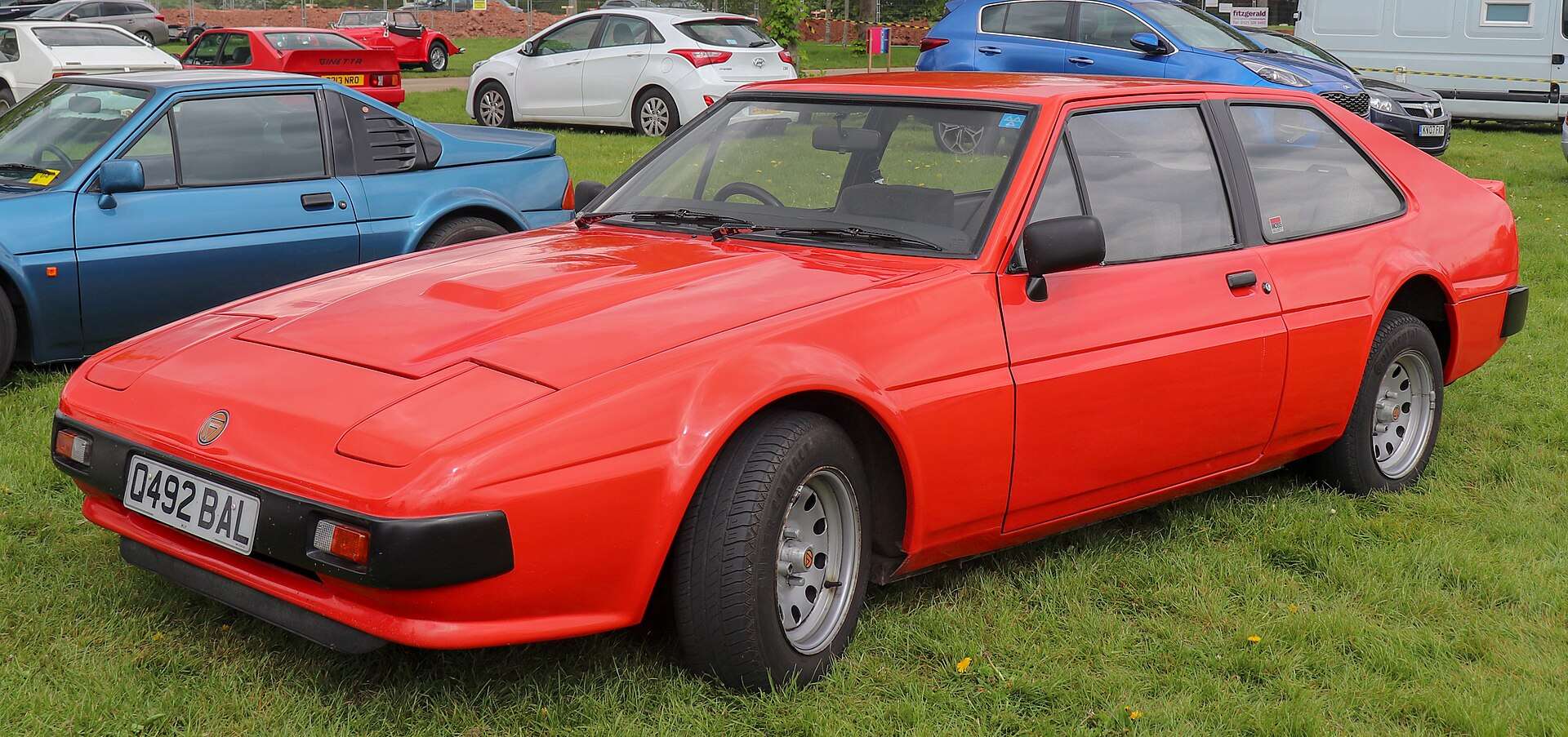
After the rounded G21 and a series of prototypes, Ginetta needed a road car that suited the sharp-edged design language of the 1980s. The G26 appeared at the Newark Kit Car Show in July 1984. It was larger and more practical than the company’s traditional two-seat sports cars, with a hatchback body and space intended to make it useful as everyday transport.
The wedge profile, pop-up headlamps and broad glasshouse placed it in the same visual world as the Lotus Excel and contemporary TVRs, but the engineering remained deliberately accessible. Ford components were widely available, affordable and well understood by home builders.
The G26 formula
The G26 used the longer chassis and a fastback hatchback body, making it the most practical member of the family. The low bonnet suited four-cylinder Ford Pinto engines, while the cabin could accommodate four or five occupants depending on trim and interpretation. As with many component cars, final specifications varied because owners selected engines, gearboxes, axles and interior fittings.
Rather than discarding the basic structure, Ginetta expanded it. At the 1986 Motor Show the company announced the G28, G30 and G31 alongside the mid-engined G32. Each rearranged familiar panels and proportions to target a slightly different customer.
G28, G30 and G31 differences
The G28 used a shorter chassis and a separate boot rather than the G26 hatchback. A taller bonnet allowed six-cylinder Ford engines, including the Cologne V6, to fit more easily. It was the rarest variant, with only a handful of kits sold.
The G30 combined the long G26 chassis and hatchback tail with the taller G28 nose. That created a practical body able to accept larger engines. The G31 reversed the idea: it paired the shorter, booted rear section with the low wedge-shaped G26 front, normally favouring four-cylinder power. The result was a surprisingly broad range produced from a limited tooling budget.
Ford mechanicals and owner-built variety
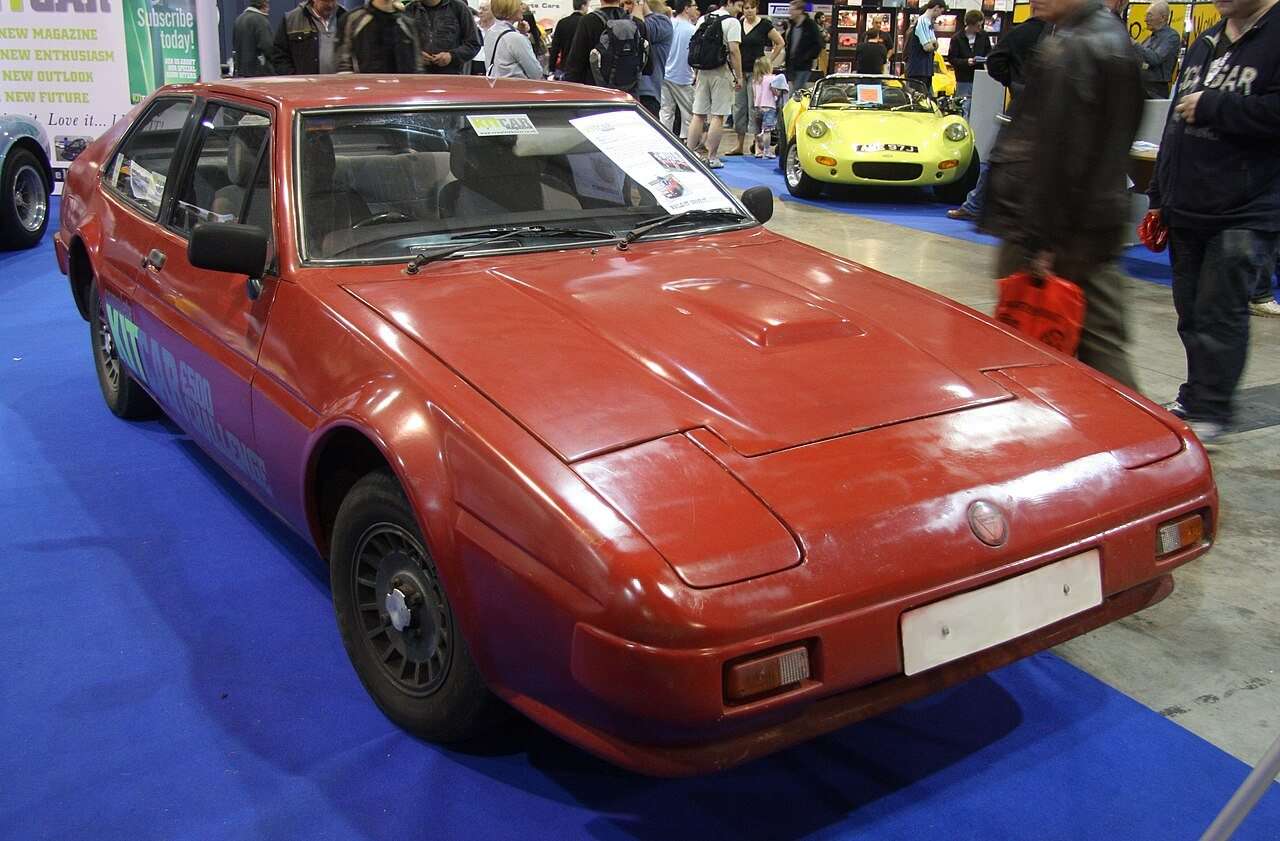
Most cars used Ford Pinto four-cylinder engines or the Cologne V6, paired with Ford gearboxes, suspension and axle components. The exact donor depended on model, year and builder. This variation is central to understanding the range: the factory supplied the design and structure, while customers often determined the finished personality.
That approach kept the cars achievable when new and has left surviving examples highly individual. Some are restrained touring coupés; others have larger engines, revised suspension and interiors reflecting decades of owner development.
Why the family matters
Across all four variants, production amounted to only a few hundred cars. The G26 was the main seller, while the G28 and G30 are exceptionally scarce. Their significance lies in how efficiently Ginetta responded to the 1980s kit-car market, creating practical British sports saloons without abandoning low-volume construction.
Model guide
- G26: long chassis, low nose and hatchback body
- G28: short chassis, taller nose and separate boot
- G30: long hatchback body with taller six-cylinder-friendly nose
- G31: short booted body with the low G26 front
Sources
Enjoyed this unusual British car?
Join the Unusual Cars Club for new histories and features.