10 THINGS YOU PROBABLY DIDN’T KNOW
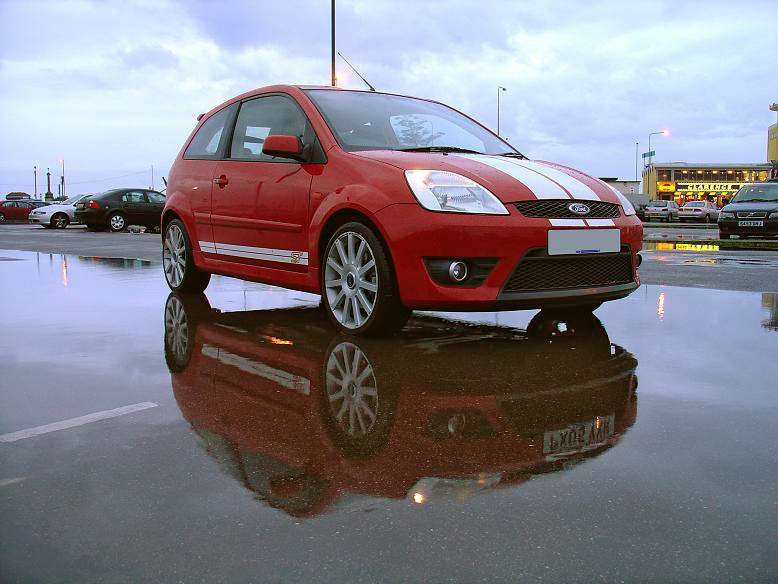
The first Fiesta ST arrived before turbocharging transformed the modern hot hatch. Its recipe was refreshingly direct: a naturally aspirated 2.0-litre engine, five-speed gearbox, three-door body and a chassis developed to make modest speeds entertaining.
1. It was Ford TeamRS’s first production road car
Ford unveiled the Fiesta ST in 2004 as the first series-production vehicle developed by the newly created TeamRS organisation. The badge stood for Sports Technologies, placing the car below the extreme RS models while giving it a more serious brief than an appearance-led trim package.
2. ST150 is a nickname derived from its output
Ford marketed it simply as the Fiesta ST in Britain. Enthusiasts added ‘150’ to distinguish its 150PS output from later ST180 and ST200 generations. The name also fitted Ford’s existing Focus ST170 and Mondeo ST200/ST220 pattern.
3. The engine was a naturally aspirated two-litre
The Duratec-HE four-cylinder displaced 1,999cc and produced 150PS without a turbocharger. A variable intake system and sports exhaust broadened its delivery, while the engine’s extra capacity gave the small Fiesta useful torque without requiring constant high revs.
4. It used only five forward gears
A strengthened close-ratio five-speed manual worked with a lighter flywheel and quick shift. Six-speed gearboxes were becoming fashionable, but Ford prioritised robust, affordable hardware and well-spaced ratios over an extra motorway gear.
Love cars you don’t see every day?
Get forgotten cars, surprising motoring stories and the most interesting finds from Unusual Cars by email.
Free to join. No spam. Unsubscribe whenever you like. See our Privacy Policy.
5. The chassis changes went beyond lowering springs
Ford revised steering, dampers, springs and geometry, added disc brakes at the rear and used front braking hardware related to the Focus ST170. Seventeen-inch wheels and low-profile tyres completed a package intended to preserve the ordinary Fiesta’s adjustability rather than chase maximum grip.
6. The pre-facelift car had a noticeably different dashboard
Early STs used the original Mk6 interior and headlamp treatment. A late-2005 update brought reshaped lamps, a higher-quality dashboard and detail equipment changes, while leaving the core 2.0-litre drivetrain and basic chassis concept intact.

7. Ford approved Mountune power upgrades
From 2008 British dealers could supply warranty-compatible Mountune packages offering approximately 165PS or 185PS. The more powerful conversion added substantial hardware rather than relying on a simple software flash, because the standard engine was naturally aspirated.
8. The ST500 did not have 500 horsepower—or extra power
The UK-only run-out edition was limited to 500 cars and retained the standard 150PS engine. Panther Black paint, black wheels, red callipers, heated leather seats and distinctive stripes created the difference. Its name referred to production quantity, not performance.
9. Australia called essentially the same car XR4
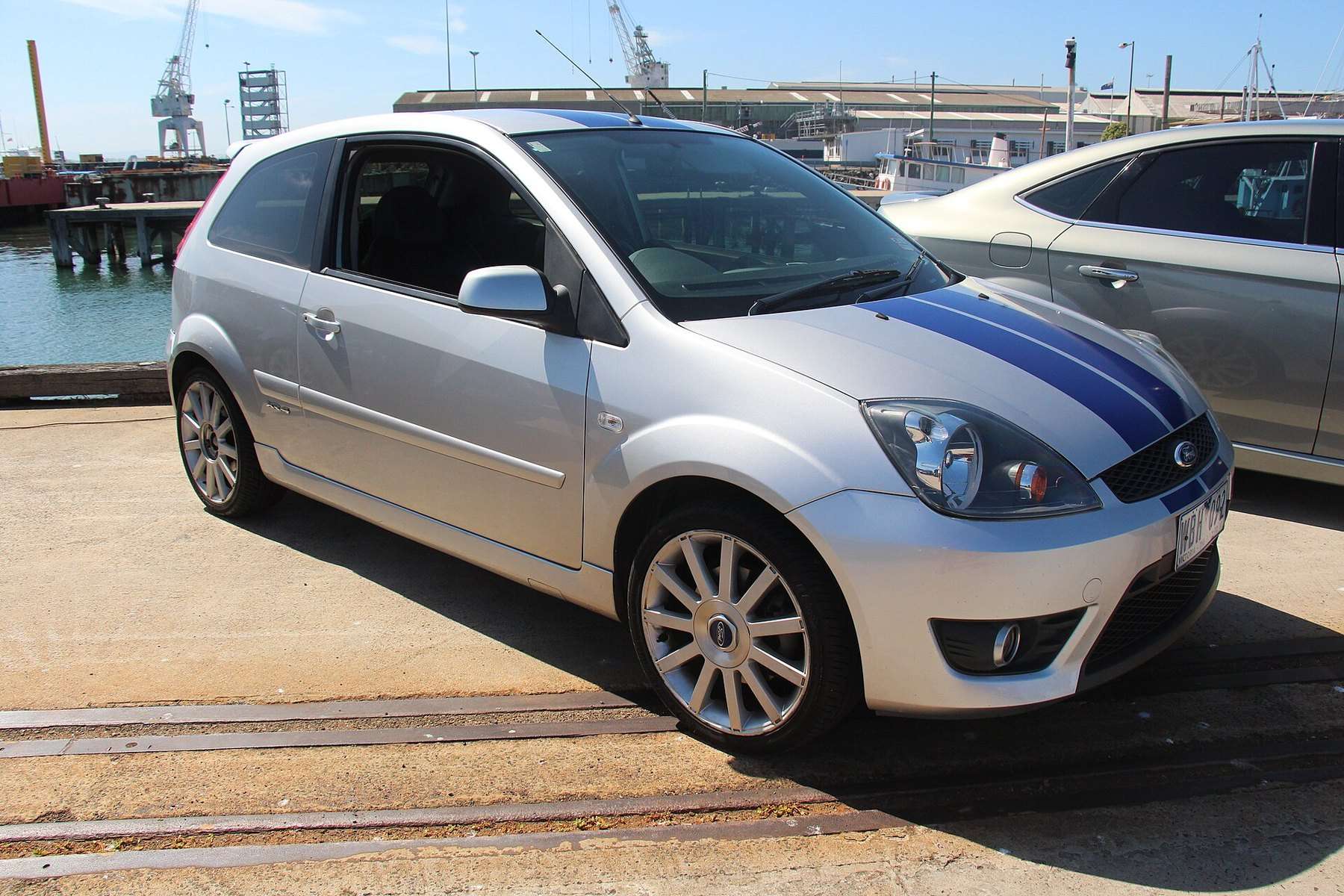
Ford Australia used the locally familiar XR performance badge, selling its version as the Fiesta XR4. The change aligned the small hatch with XR6 and XR8 branding rather than indicating four-wheel drive or a four-cylinder-specific engineering package.
10. It became an affordable competition car
The simple engine and conventional manual transmission made the ST150 a natural base for one-make racing, rallying and track use. Dedicated championships still use it today, but that popularity means road buyers must distinguish a carefully maintained car from one carrying hidden competition damage.
Explore more 10 Things articles
Discover more cult cars, performance legends and motoring surprises in the Unusual Cars 10 Things hub.
Sources and further reading
- Ford press archive: Fiesta history and the first ST
- Ford: 40 years of the Fiesta
- Unusual Cars: Fiesta ST500 guide
- Mondello Park: Fiesta ST150 championship
Featured image: Photograph by Calreyn88, CC BY-SA 4.0, via Wikimedia Commons; locally hosted.