10 THINGS YOU PROBABLY DIDN’T KNOW
The Sierra Sapphire RS Cosworth 4×4 replaced the original whale-tail spectacle with four doors, a conventional boot and discreet looks. Beneath that company-car body, however, sat the most extensively developed road-going version of Ford’s Cosworth-powered Sierra formula.
1. The Sapphire was the saloon, not a separate Ford model
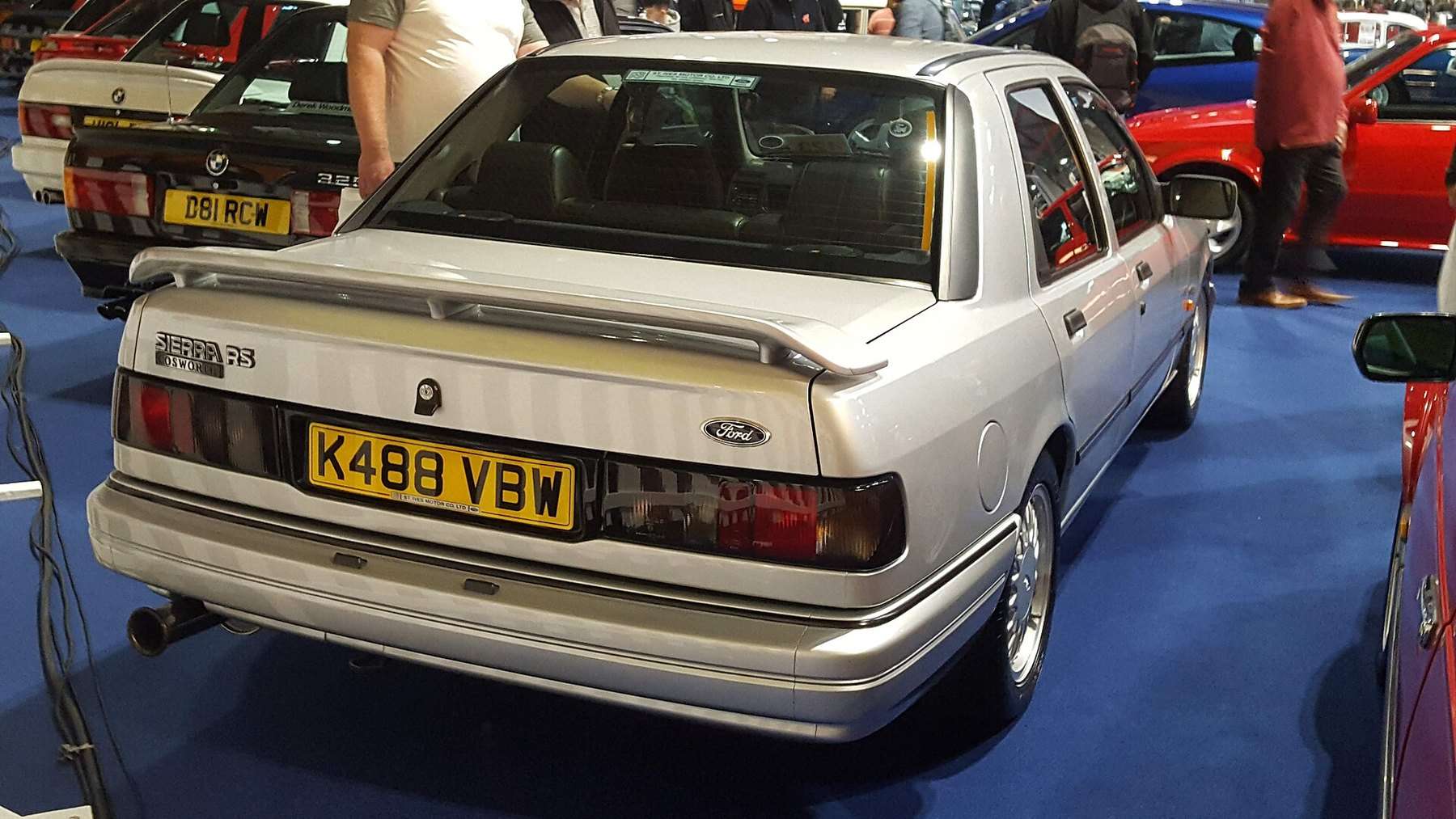
Sapphire was the British name used for the four-door, three-box Sierra introduced with the facelifted range. The RS Cosworth therefore remained a Sierra, but its booted body and quieter styling made it look far closer to a senior manager’s company car than the original three-door homologation special.
2. There was a rear-wheel-drive Sapphire first
The four-door RS Cosworth arrived in 1988 with rear-wheel drive and approximately 204PS. It retained the celebrated Cosworth YB engine while becoming more refined and practical. The four-wheel-drive version followed in 1990, so not every Sapphire Cosworth is a 4×4.
3. The 4×4 engine was substantially revised
Power rose to 220PS, but the work went deeper than extra boost. Ford and Cosworth revised much of the engine, including the block, cylinder head and turbo installation, to improve response, durability and the potential required for rally development.
4. Its torque split remained rear-biased
The MT75-based transmission divided torque approximately 34:66 between front and rear. A viscous coupling managed centre differential slip, while a second viscous limited-slip differential operated at the rear. The result preserved a rear-driven feel while adding useful traction.
Love cars you don’t see every day?
Get forgotten cars, surprising motoring stories and the most interesting finds from Unusual Cars by email.
Free to join. No spam. Unsubscribe whenever you like. See our Privacy Policy.
5. It was created with rallying in mind
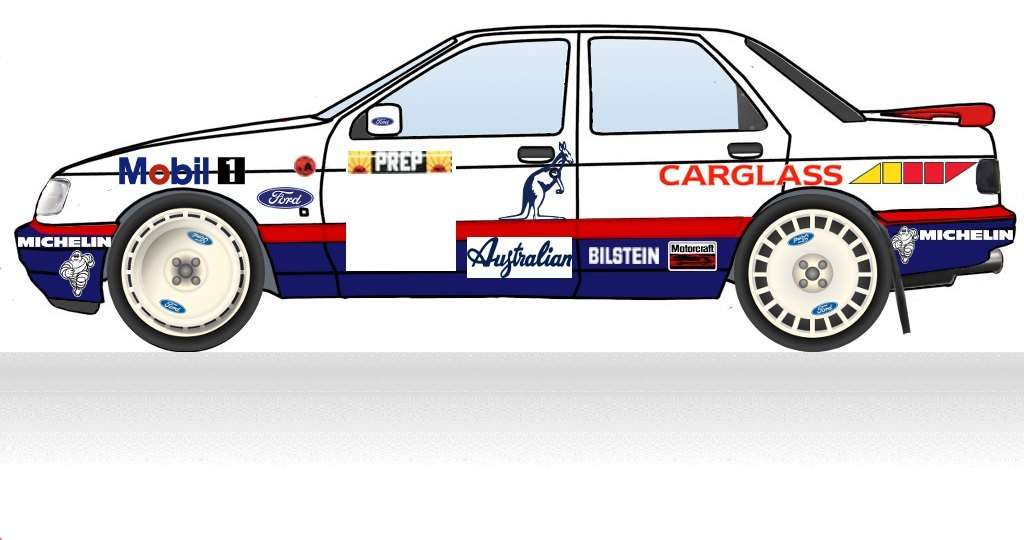
Ford Motorsport needed four-wheel drive to challenge increasingly sophisticated WRC opposition. The road car homologated the essential layout, while competition versions gained extensive strengthening and far greater power. Ford records seven WRC podium finishes for the 4×4 Sierra programme.
6. The body made it an exceptionally effective sleeper
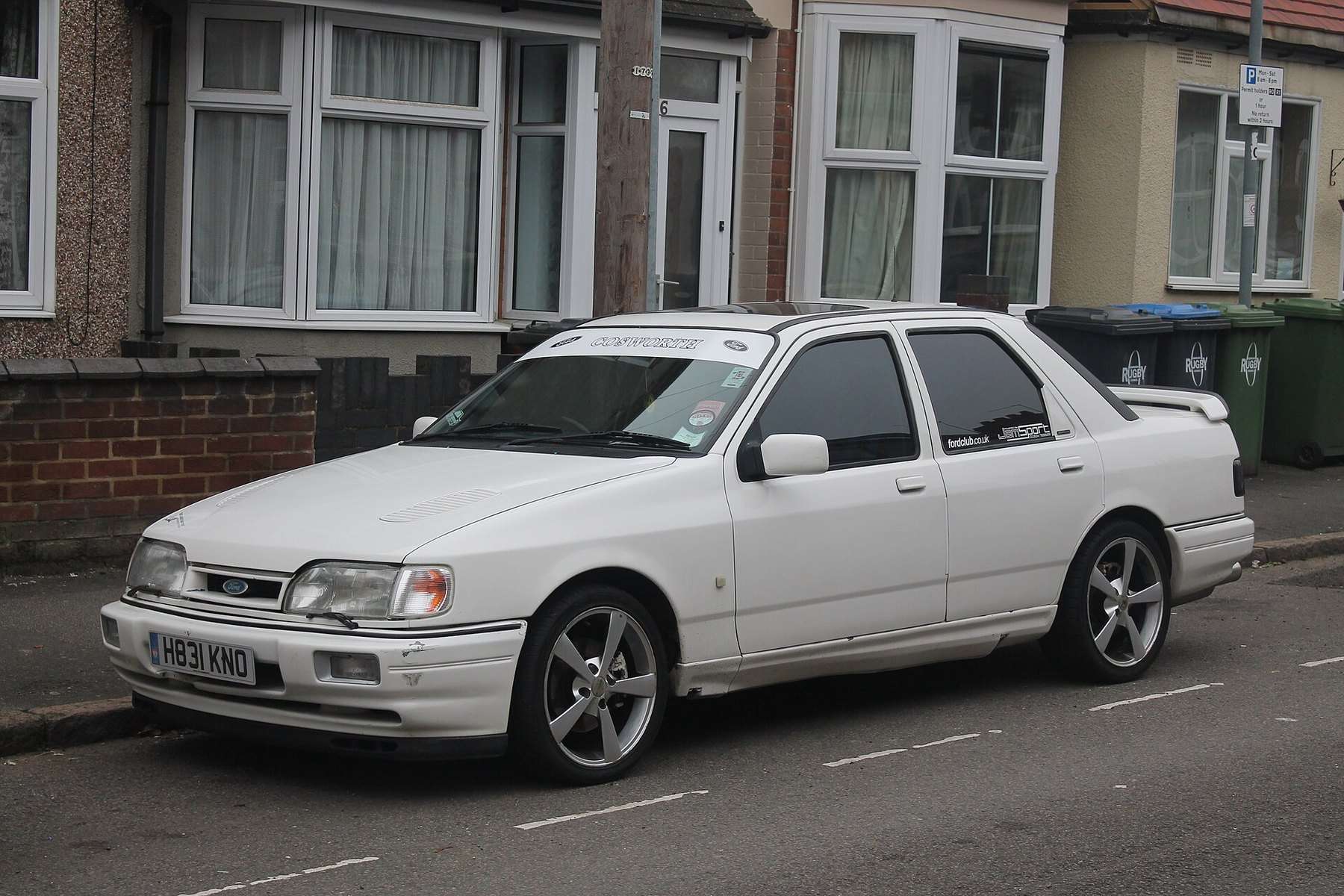
A modest rear spoiler, bonnet vents and unique wheels were the principal visual clues. The Sapphire carried four adults and luggage, yet the British Motor Museum records 217bhp and a 144mph maximum speed for Ford’s preserved 1992 example.
7. Catalyst and non-catalyst engines wore different colours
Early non-catalyst 4×4 cars used the YBJ engine commonly recognised by its red cam cover, while catalyst-equipped YBG versions are associated with green. Colour alone should never replace checking numbers and documentation, because covers are easily repainted or exchanged.
8. It was built in Belgium
Production took place at Ford’s Genk factory rather than in Britain. The Cosworth-designed cylinder head and specialist powertrain gave the car its British performance identity, but the finished road cars formed part of Ford’s European manufacturing network.
9. Insurance and theft damaged its everyday-car life
Extraordinary performance in an ordinary-looking saloon made the Sapphire highly attractive to thieves. Escalating insurance costs pushed many examples off normal company and family use, while theft, accidents and heavy modification account for much of today’s rarity.
10. It was the final Sierra Cosworth evolution
Production continued until the Sierra gave way to the Mondeo era. Ford’s next road-going Cosworth flagship, the Escort RS Cosworth, used a shortened Sierra-derived platform and four-wheel-drive hardware beneath its Escort-shaped body—making the Sapphire an important bridge between the two icons.
Explore more 10 Things articles
Discover more cult cars, performance legends and motoring surprises in the Unusual Cars 10 Things hub.
Sources and further reading
- Ford: cars that define its rally heritage
- British Motor Museum: Sierra Sapphire Cosworth 4×4
- FIA Historic Database: Sierra RS Cosworth homologation
Featured image: Photograph by hugh llewelyn, CC BY-SA 4.0, via Wikimedia Commons; locally hosted.