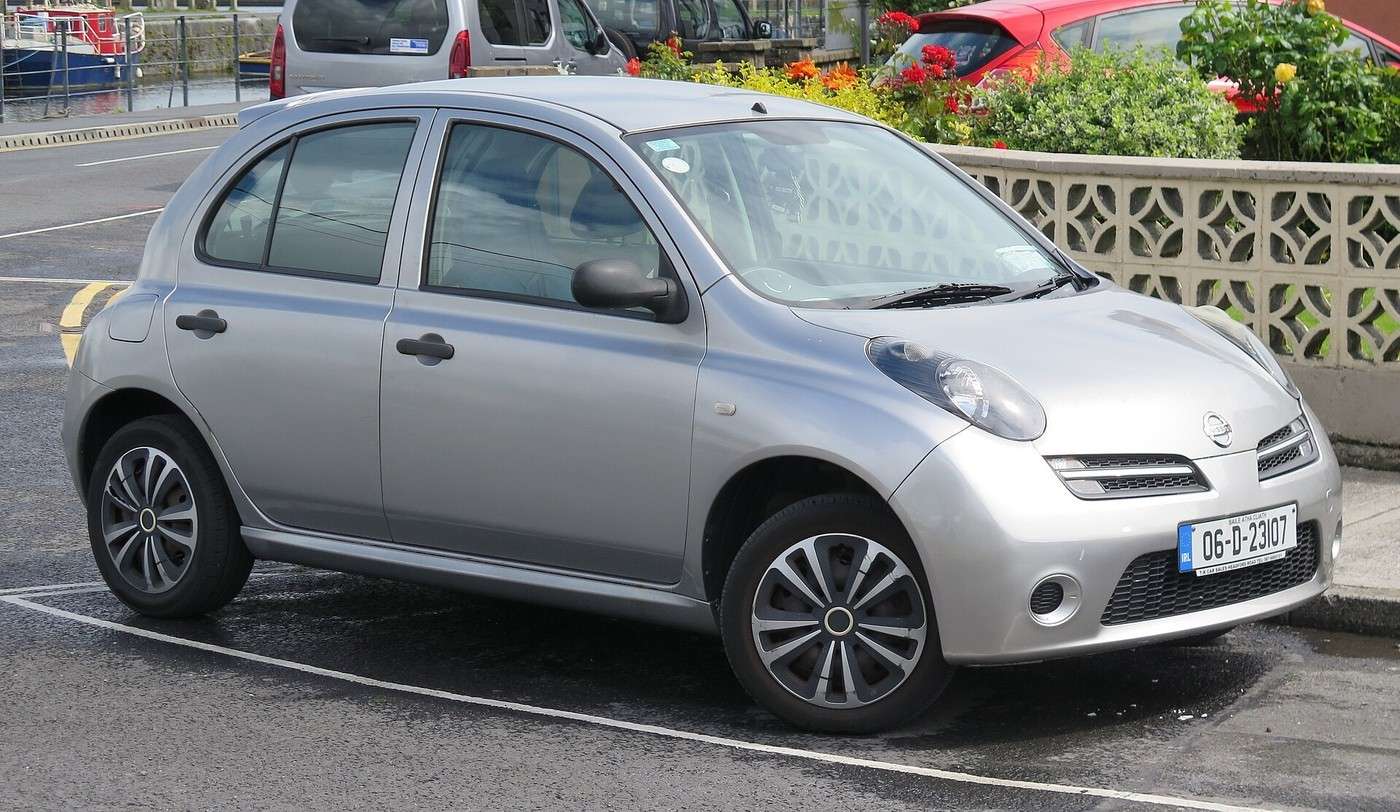
The Nissan Micra 160SR was not a 160bhp hot hatch. It was something subtler: a Sunderland-built, Cranfield-developed 1.6-litre Micra with a properly tuned chassis, an eager engine and enough composure to surprise far more fashionable rivals.
Here are ten things you probably didn’t know about the Nissan Micra 160SR.
1. The number 160 did not mean 160bhp
Nissan named the car after its 1.6-litre engine, not its power output. The new 1,598cc HR16DE produced 110PS—about 108–110bhp depending on convention. That misunderstanding has followed the model ever since, but the modest figure was entirely sufficient in a hatch weighing only a little over a tonne.
2. SR officially meant Street Racer
Nissan’s UK brochure described 160SR as short for Street Racer. The name sounded more aggressive than the car looked, yet it reflected a serious attempt to give the friendly K12 Micra a performance identity without turning it into an expensive, uncompromising flagship.
3. It was developed over two years
Nissan described the 160SR as the culmination of a two-year programme. Engineers at Nissan Technical Centre Europe in Cranfield worked on the steering, suspension and overall character. The same British engineering operation also helped Europeanise cars such as the 350Z, giving the small Micra an unexpectedly serious development background.
4. Final chassis work included the Nürburgring
Contemporary tests reported that the Micra spent development time at the Nürburgring. That did not make it a track special, but the effort showed in the balance: the suspension was firmer, steering calibration more communicative and electronic stability control standard, while the ride remained usable on British roads.
Join the Unusual Cars Club free
Get forgotten cars, surprising motoring stories and the most interesting finds from Unusual Cars by email.
Free to join. No spam. Unsubscribe whenever you like. See our Privacy Policy.
5. The engine produced 153Nm
The 16-valve twin-cam four-cylinder delivered 81kW and 153Nm. Nissan quoted 0–62mph in 9.8 seconds and 114mph. A five-speed manual used well-chosen ratios, so the car felt livelier than the headline time and rewarded drivers who kept the naturally aspirated engine working.
6. It was built in Sunderland
The 160SR shared the Sunderland production line with ordinary Micras. Nissan introduced the sporting model as the plant celebrated its four-millionth vehicle in 2005. That makes it an unusually British chapter in the history of a Japanese supermini, from local assembly to much of the chassis development.
7. The same 1.6 appeared in the Micra C+C
Nissan also fitted the HR16DE to the folding-hardtop Micra C+C. The convertible was heavier and aimed at a different buyer, but the shared engine means the 160SR was not an isolated mechanical orphan. Some service components therefore remain easier to source than the rare badges and sporting trim.
8. It was sold as both a three-door and a five-door
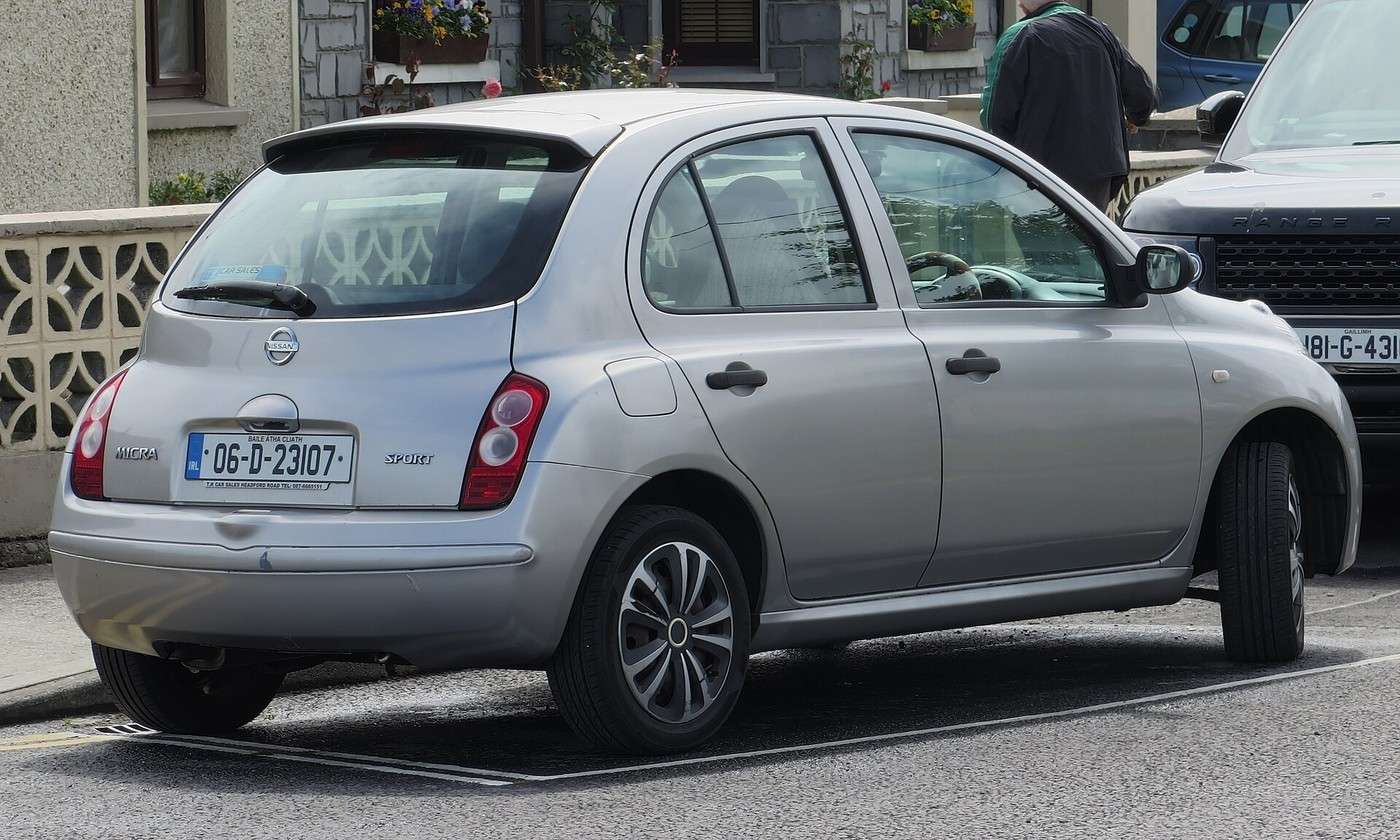
The 160SR combined 16-inch alloy wheels, a deeper front bumper, side skirts, roof spoiler and sports interior with the practical K12 body. Three-door cars look more obviously sporting, while the five-door preserved the Micra’s everyday strengths. Later facelifts changed details, so not every genuine example looks identical.
9. Nissan knowingly pitched it against the Mini
At the press launch Nissan made Mini Coopers available for comparison. Testers found the Mini sharper on a circuit but praised the Micra’s progressive balance and ability to flow over difficult roads. That confidence says more about the chassis than the modest power figure does.
10. Nissan also built a wild one-off 350SR
The company created a mid-engined Micra 350SR demonstrator using a Nismo-tuned 3.5-litre V6. It was not a production derivative and should not be confused with the showroom 160SR, but it shows how enthusiastically Nissan explored the comic contrast between the Micra’s friendly shape and serious performance.
Why it matters
The Micra 160SR matters because it is proof that disciplined chassis tuning can be more memorable than a huge power figure. It turned an ordinary British-built supermini into a discreet driver’s car without losing the qualities that made the Micra useful.
Enjoyed this one?
Join the Unusual Cars Club free for more forgotten performance cars, surprising motoring stories and new 10 Things articles.
Free to join. No spam. Unsubscribe whenever you like. See our Privacy Policy.